 bluename
 How to Test Soil Moisture Deep Inside Oversized Large Cactus Containers
If you grow cacti in oversized containers, the hardest part isn't watering. It's knowing whether the water actually reached the roots. I've killed three cacti before I understood this. The top two inches of soil felt bone dry, so I watered again. Meanwhile, the bottom six inches stayed soggy for weeks. That's how root rot starts.
So here's the short answer: you need a long wooden dowel or a soil moisture meter with a 12-inch probe. Push it deep into the container, not just near the surface. Twist it, pull it out, and feel or read the moisture along the entire length. That's how you test soil moisture deep inside oversized large cactus containers. Do this before every watering. No exceptions.

Most people test only the top layer. That's a mistake. In a 20-inch-wide pot, the top dries out in two days while the bottom stays wet for a month. I learned this the hard way after losing a beautiful Ferocactus to rot.
Why Oversized Containers Change Everything
A large container holds a huge volume of soil. Water drains slowly through that volume. The bottom stays wet far longer than the top. This creates a moisture gradient. You can have dry soil at 2 inches and saturated soil at 10 inches.
In small pots, this gradient is minor. In oversized pots, it's dramatic. So your testing method must match the container size.
I tried the finger test once. My finger is 3 inches long. Useless in a 14-inch-deep pot. I might as well have guessed.
The Tools That Actually Work
You have three reliable options. I've used all three. Here's what I found.
The Long Wooden Dowel
This is my go-to. Get a 1/4-inch wooden dowel from a hardware store. Cut it to 14 inches. Push it into the soil until you feel resistance. Twist it gently. Pull it out.
Feel the dowel along its length. If it's cool and damp near the bottom, there's moisture down there. If it's dry and warm, the whole pot is dry. If it's damp at 4 inches but dry at 8 inches, you have a moisture pocket. That means water isn't draining evenly.
I've used the same dowel for two years. It cost me $2. Best investment ever.
The Long-Probe Moisture Meter
Cheap two-prong meters are junk. They only read the top 3 inches. Instead, buy a meter with a 12-inch or 16-inch probe. These cost $30 to $60. I tried a $15 one first. It said "wet" when the soil was bone dry. I threw it away.
A good meter gives you a number. But don't trust it blindly. Test it in a cup of dry soil and a cup of wet soil first. See how it reads. Then use it in your cactus pot. I check three spots: near the edge, halfway to the center, and near the plant base. Average the readings.
The Lift Test
This works only for smaller oversized pots, maybe up to 15 inches wide. Lift the pot when the soil is bone dry. Note the weight. Then water thoroughly. Lift again. The difference is huge. As the soil dries, the pot gets lighter. When it feels like the dry weight, water again.
I use this as a backup for my 12-inch pots. For my 22-inch monster pot, lifting is impossible. That one gets the dowel every time.
My 2-Week Observation: What I Learned
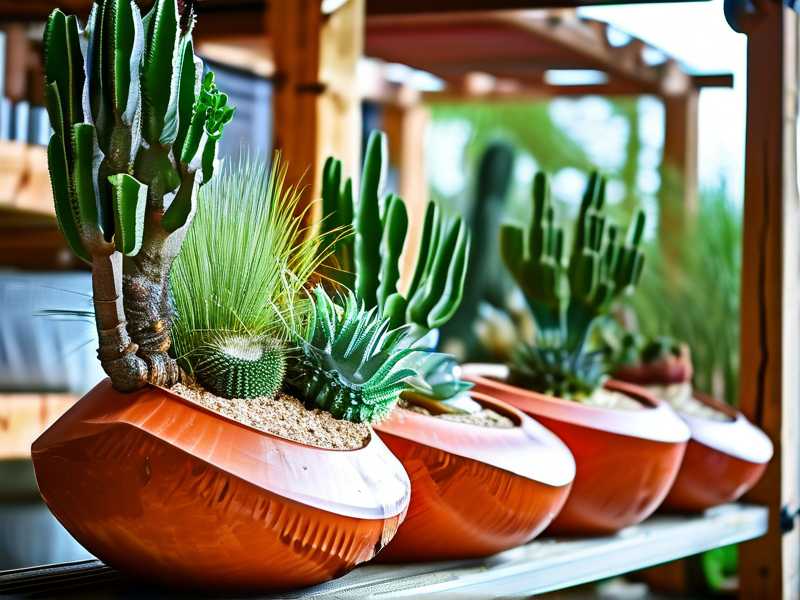
I tested my 20-inch Echinocactus pot every day for two weeks. Here's what happened.
Day 1: I watered until water ran out the drainage hole. The dowel showed moisture at 4 inches and 12 inches. Good.
Day 3: Top 2 inches dry. Dowel at 6 inches showed slight dampness. At 12 inches, still wet. I did not water.
Day 7: Dowel at 8 inches was barely damp. At 12 inches, moist but not soggy. Still no water.
Day 10: Dowel at 10 inches showed dry. At 12 inches, slightly cool. I waited one more day.
Day 11: Entire dowel dry. I watered thoroughly.
So in a 20-inch pot in my climate, watering every 10 to 11 days was correct. But my friend in Arizona waters every 6 days in summer. It depends on your heat, humidity, and soil mix.
The key takeaway: never water on a schedule. Test the depth. Let the dowel tell you.
The Three Deadly Mistakes New Growers Make
I've made all three. Learn from my pain.
Mistake 1: Overwatering
90% of indoor plants die from overwatering. That's not a guess. It's the most common cause of death for container plants. Cacti are no exception. In oversized pots, overwatering is even more dangerous because the soil stays wet longer.
I killed a 10-year-old golden barrel cactus this way. I watered every two weeks because "it looked dry." The bottom of the pot never dried out. The roots turned to mush. By the time I saw yellowing, it was too late.
The fix: Test deep. Water only when the dowel is dry at 10 inches or deeper. In winter, wait until it's dry at 12 inches.
Mistake 2: Light Mismatch
Cacti need light. But not all cacti need the same light. A shade-loving Schlumbergera will burn in full sun. A desert Ferocactus will etiolate in a dim corner.
I put a Mammillaria in a south-facing window without acclimation. It got sunburned in three days. The skin turned white and scarred. That scar never healed.
The fix: Know your species. Desert cacti want 6+ hours of direct sun. Jungle cacti want bright indirect light. Acclimate slowly over two weeks.
Mistake 3: Wrong Container
Oversized is not always better. A tiny cactus in a 24-inch pot is a death sentence. The roots can't drink all that water. The soil stays wet. Rot sets in.
I once repotted a 4-inch Rebutia into a 14-inch pot. It rotted in six weeks. The pot was just too big.
The rule: The pot should be 1 to 2 inches wider than the root ball. For slow growers, only repot every 3 to 4 years.
How to Water an Oversized Cactus Container Properly
Watering is not just pouring. It's a technique.
First, check the dowel. If dry at depth, water. If damp, wait.
Second, water slowly. Pour near the edge, not the center. Let it soak in. Then pour more. Repeat until water comes out the drainage hole.
Third, empty the saucer. Never let the pot sit in water. I set a timer for 30 minutes. If water is still in the saucer, I dump it.
Fourth, wait. Do not water again until the dowel says dry. In summer, that might be 7 days. In winter, 30 days.
Soil Mix for Large Containers
The right soil is critical. Regular potting soil holds too much water. It becomes a swamp in a big pot.
My mix: 40% pumice, 30% coarse sand, 20% pine bark fines, 10% coco coir. This drains fast but holds some moisture. I've used it for five years. No rot since.
You can also buy a commercial cactus mix. But add 30% perlite or pumice. The bagged stuff is often too peat-heavy.
AHS recommends amending heavy soils with coarse grit for container cacti. I agree. You can read their guide here: AHS gardening resources. They emphasize drainage for xeric plants.
Fertilizing in Oversized Pots
Less is more. I fertilize once in spring and once in midsummer. That's it.
Use a cactus fertilizer with low nitrogen. Dilute to half strength. Never fertilize in winter. Never fertilize a dry plant. Water first, then fertilize the next day.
I burned a cactus once with full-strength fertilizer. The tips turned brown. It took a year to recover. Now I always dilute.
Seasonal Care: What I Do Each Season
Spring: I repot if needed. I fertilize once. I resume watering based on dowel tests. I also check for pests. Mealybugs love spring growth.
Summer: I water more often. But I still test. I shade young plants from intense afternoon sun. I check for spider mites. They thrive in dry heat.
Autumn: I reduce watering. I stop fertilizing by mid-fall. I let the plant harden off for winter. I clean the pot surface. I remove fallen leaves.
Winter: I keep the cactus cool and dry. I water maybe once every 6 weeks. I test with the dowel. If dry at 12 inches, I give a small sip. I never soak in winter. I keep the plant above 45°F if possible. For tropical cacti like Christmas cactus, I keep them warmer and water a bit more.
RHS advises that most cacti need a dry rest period in winter. That's true. You can check their guidance here: RHS cactus care. It matches what I've learned.
Pests and Problems: My Troubleshooting List
Yellowing: Usually overwatering. Test the soil. If wet, stop watering. Let it dry completely. If the base is soft, it's rot. Cut it out with a sterile knife. Let it callus. Repot in dry mix.
Brown spots: Sunburn or fungal issue. If it's crispy, it's sunburn. Move to less light. If it's soft and dark, it's rot. Remove affected tissue.
Mealybugs: White cottony spots. Dab with rubbing alcohol. Then spray with neem oil. I do this every 5 days for 3 weeks.
Spider mites: Fine webbing. Tiny specks. Increase humidity. Spray with insecticidal soap. I've had good luck with a strong blast of water first.
Root rot: The worst. Pull the plant. Cut away all brown, mushy roots. Let it dry for a week. Repot in fresh, dry mix. Do not water for two weeks.
My Final Thoughts on Deep Moisture Testing
Testing deep moisture is not glamorous. It's a wooden stick and a lot of patience. But it works. I've kept a 15-year-old Ferocactus alive for five years in the same oversized pot. I test every week. I water maybe 20 times a year.
The biggest lesson: Your finger lies. Your eyes lie. The dowel tells the truth.
Frequently Asked Questions
Can I use a bamboo skewer instead of a wooden dowel? Yes. Bamboo works fine. It's thinner, so it might not show moisture as clearly. But it's cheap and easy. Just make sure it's long enough to reach the bottom third of the pot.
How often should I test the soil? At least once a week during growing season. Every two weeks in winter. If you're unsure, test more often. It takes 30 seconds.
What if I can't reach the bottom of a huge pot? Use a 16-inch probe or a longer dowel. If the pot is 24 inches deep, get a 24-inch dowel. You can also tilt the pot slightly and test from the drainage hole upward, but that's messy. The dowel is easier.
Remember: 90% of indoor plants die from overwatering. In oversized cactus containers, that number might be even higher. Test deep. Water less. Your cactus will thank you.




