bluename
 How to Water Rainbow Cactus to Preserve Its Vibrant Color Gradient
The rainbow cactus—with its fiery reds, sunny yellows, and soft pinks blending into a gradient that looks like a sunset—is a living work of art. But for many growers, that vibrant color fades over time, turning into a dull green or washed-out pastel. The culprit? Almost always improper watering. Watering isn’t just about keeping the plant alive—it’s about balancing moisture to protect the pigments that make your rainbow cactus stand out. If you’ve ever wondered, “How do I water my rainbow cactus to keep its colors bright?” you’re not alone. This guide will break down the science, rules, and expert tips to help you preserve that stunning gradient for years.
Why Watering Matters for Rainbow Cactus Color Vibrancy
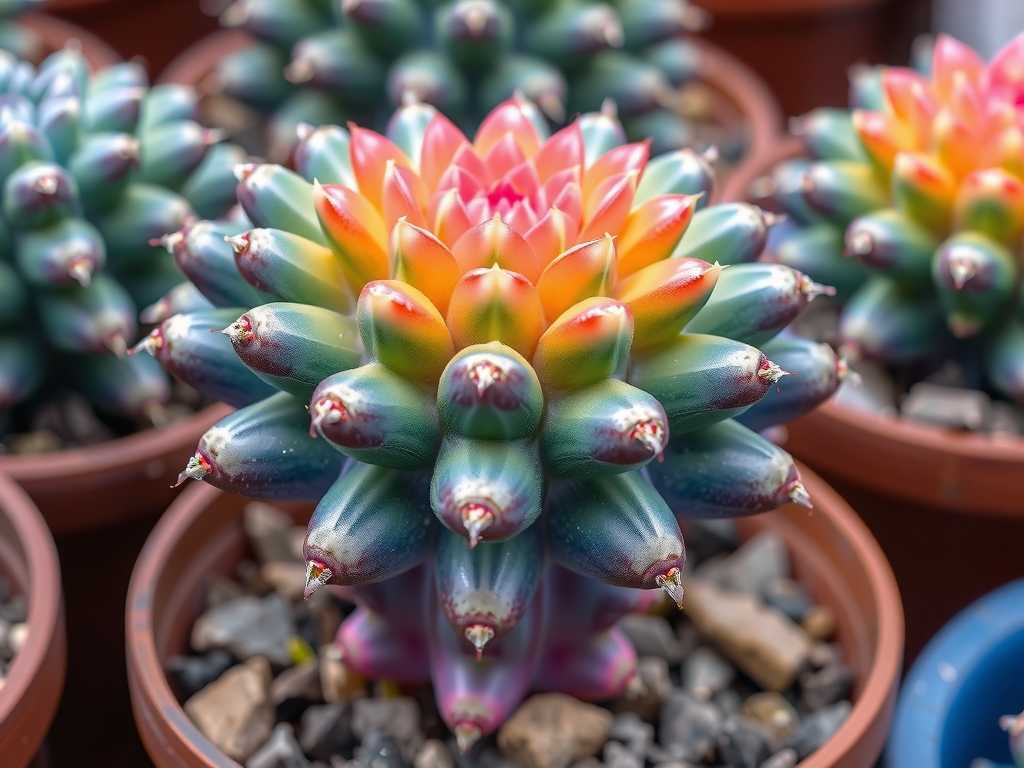
To understand how watering affects color, you first need to know what gives rainbow cacti their hue. Unlike plants that rely solely on chlorophyll (green) for photosynthesis, rainbow cacti produce anthocyanins (reds/pinks) and carotenoids (yellows/oranges)—pigments that create their signature gradient. These compounds are not just for show: they protect the plant from stress, like too much sun or drought.
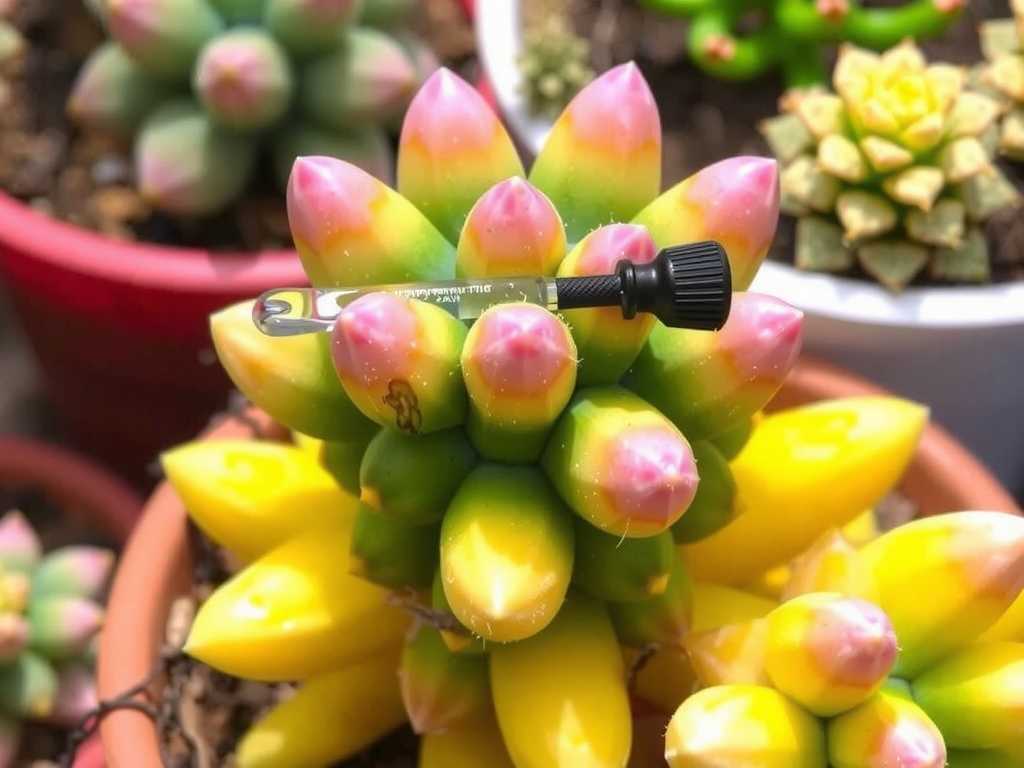
Water availability directly controls pigment production. “When a rainbow cactus gets too much water, it dilutes anthocyanins and carotenoids,” explains Dr. Emily Carter, a plant physiologist at the University of Arizona’s Desert Botanical Garden. “The plant doesn’t need to produce as many protective pigments because it’s not stressed. But if you withhold water just enough, the cactus ramps up pigment production to shield itself—intensifying those reds and yellows.”
Overwatering also harms the roots, which are critical for absorbing the nutrients (like phosphorus and potassium) that fuel pigment growth. Rotting roots can’t take up these nutrients, so even if your cactus gets light, it can’t maintain its color. Underwatering, on the other hand, causes the plant to shrivel and lose turgor—making colors look dull and lifeless.
The bottom line? Watering is the switch that turns pigment production on or off. Get it right, and your cactus’s gradient will pop. Get it wrong, and you’ll lose that magic.
The Golden Rules of Watering Rainbow Cactus for Color Retention
Rainbow cacti are desert plants, so their watering needs are far from “one-size-fits-all.” Follow these three non-negotiable rules to keep colors vibrant:
Rule 1: Deep Watering, Infrequent Sessions
When you water, give your cactus a thorough drink—so much so that water drains out the bottom of the pot. This flushes excess salts (from fertilizers or tap water) and encourages roots to grow deep into the soil. Deep roots make the plant more resilient and better able to access nutrients for color.
Avoid “sprinkling” (a little water every day). This keeps the topsoil wet but doesn’t reach the roots, leading to shallow root growth and weak color. “Deep watering mimics the desert rains that rainbow cacti are adapted to,” says the Cactus and Succulent Society of America (CSSA). “It’s better to water once a week deeply than every day lightly.”
Rule 2: Let the Soil Dry Out Completely Between Waterings
This is the most important rule for color retention. Rainbow cacti hate “wet feet”—soggy soil suffocates roots and stops pigment production. Wait until the soil is bone dry 2–3 inches below the surface before watering again.
To check moisture, stick your finger into the soil or use a wooden skewer. If it comes out clean and dry, it’s time to water. If it’s damp, wait a few more days. “The dry-out period is when the cactus gets the ‘stress’ it needs to produce vibrant colors,” Dr. Carter adds. “Skipping this step means you’re just growing a green cactus with no gradient.”
Rule 3: Avoid Wetting the Cactus Body (Especially the Crown)
Rainbow cacti have fuzzy or waxy skin that traps water. If you spray water on the body (or pour it over the top), moisture can get stuck in the crevices—leading to rot or fungal spots. Rotting tissue diverts energy from pigment production to healing, so colors fade.
Instead, water directly onto the soil. Use a narrow-spout watering can to target the base of the plant, not the leaves. If you accidentally get water on the cactus, gently blot it with a paper towel to dry it off.
Seasonal Watering Adjustments for Year-Round Color Brilliance
Rainbow cacti have different watering needs depending on the season. Adjusting your schedule to match their growth cycle is key to preserving color:
Spring/Summer: Balance Growth and Color Preservation
Spring and summer are the growing seasons for most rainbow cacti. They need more water to support new growth—but too much will dilute colors.
Frequency: Water every 7–10 days.
Tip: After watering, make sure the pot drains completely. Leave it in a saucer for 15 minutes to empty, then put it back in its decorative pot (never let it sit in water).
Fall/Winter: Reduce Watering to Protect Color and Roots
Fall and winter are dormant seasons. The cactus grows slowly (or not at all) and uses very little water. Overwatering during this time is the #1 cause of root rot and faded colors.
Frequency: Water every 4–6 weeks.
Tip: Stop fertilizing in fall—fertilizer encourages growth, which the dormant cactus can’t support. Stick to water only.
“Many growers kill their rainbow cacti with kindness in winter,” says Maria Gonzalez, a certified succulent expert at the San Diego Botanic Garden. “They keep watering like it’s summer, and the roots rot before they even realize it. Less is more in the cold months.”
Water Quality: The Unsung Hero of Vibrant Cactus Colors
You might be watering correctly—but if your water has chemicals, it can still dull your cactus’s gradient. Here’s what to know:
Why Tap Water Might Be Harming Your Cactus’s Color
Tap water contains chlorine (to kill bacteria) and fluoride (for dental health). These chemicals build up in the soil over time, interfering with the cactus’s ability to absorb nutrients like iron and magnesium—both critical for pigment production.
“Chlorine can burn fine root hairs, and fluoride accumulates in leaf tissues, causing brown spots and faded colors,” explains Dr. Carter. “If you’ve been using tap water for years and your cactus’s colors are off, this is likely the culprit.”
Best Water Types for Rainbow Cactus (Rainwater, Filtered, Distilled)
The closest you can get to natural desert rain is rainwater. It’s free of chemicals and has the right pH for cacti. Collect it in a barrel outside—your cactus will thank you.
If rainwater isn’t an option, use filtered water (from a pitcher or faucet filter) or distilled water. These remove chlorine, fluoride, and other impurities.
Pro Tip: If you must use tap water, let it sit out for 24 hours before watering. This allows chlorine to evaporate (fluoride will still be there, but it’s less harmful in small amounts).
Common Watering Mistakes That Fade Rainbow Cactus Colors
Even experienced growers make these errors—here’s how to avoid them:
Mistake 1: Overwatering (The #1 Color Killer)
Overwatering is the easiest way to ruin your cactus’s gradient. Soggy soil rots roots, which can’t absorb nutrients for color. Signs of overwatering include:
Soft, mushy leaves (or stems)
Yellowing or browning
A foul smell from the soil
Fix: Stop watering immediately. Remove the cactus from the pot, cut off any rotten roots (they’ll be black and slimy), and repot it in fresh, dry soil. Wait 1–2 weeks before watering again.
Mistake 2: Watering at the Wrong Time of Day
Watering in the middle of a hot summer day is a bad idea. The water evaporates too quickly, so the roots don’t get enough. Plus, water droplets on the cactus can act like magnifying glasses, burning the skin (this is called “sunscald”).
Best Time: Water in the morning (before 10 AM) or evening (after 6 PM). The temperature is cooler, so water soaks into the soil instead of evaporating.
Mistake 3: Using a Pot Without Drainage Holes
Pots without holes trap water at the bottom, creating a “bath” for the roots. This is a death sentence for rainbow cacti—rot sets in within days.
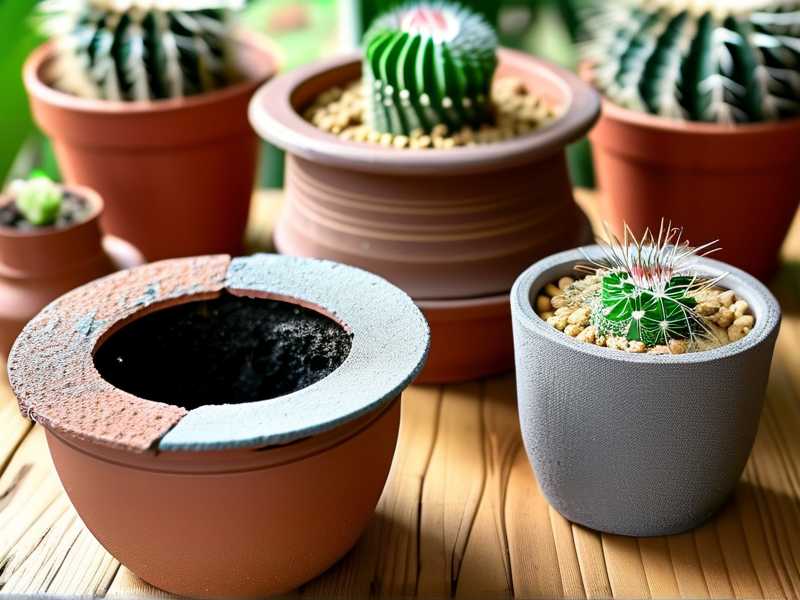
Fix: Always use pots with drainage holes. If you have a decorative pot without holes, put the cactus in a plastic nursery pot inside it. Empty the decorative pot after watering to prevent standing water.
Expert Tips to Enhance Color Through Watering Strategies
Once you’ve mastered the basics, use these pro tricks to make your cactus’s gradient even more stunning:
Using Drought Stress to Boost Color (Safely)
Mild drought stress is like a “color booster” for rainbow cacti. When the soil dries out completely, the plant produces more anthocyanins to protect itself from the sun. This intensifies reds and pinks.
How to Do It: After the soil is dry (2–3 inches down), wait an extra 2–3 days before watering. Don’t push it too far—if the cactus starts to shrivel or the leaves turn brown, you’ve gone too long.
“Drought stress is a balancing act,” says Gonzalez. “You want to stress the plant just enough to produce color, but not so much that it damages it. Start with an extra day and see how your cactus responds.”
Pairing Watering with Light for Maximum Color Impact
Water and light work together to create vibrant colors. Rainbow cacti need bright, indirect light to produce pigments—but too much direct sun can burn them (and fade colors).
Rule of Thumb: Give your cactus 6–8 hours of bright, indirect light daily. If the leaves turn red or purple, that’s a sign of too much sun (reduce light). If they’re green and leggy, they need more light.
“Light is the fuel for pigment production,” Dr. Carter says. “Water is the switch. You need both to get that rainbow gradient.”
FAQ: Your Top Rainbow Cactus Watering Questions Answered
Q: How often should I water my rainbow cactus in the summer?
A: In summer (dormant season), water every 10–14 days. Always check the soil first—if it’s dry 2 inches down, it’s time to water. Overwatering in summer is the fastest way to kill your cactus.
Q: Can I use tap water for my rainbow cactus, or do I need to switch?
A: You can use tap water, but let it sit out for 24 hours to evaporate chlorine. If your tap water has high fluoride (check your local water report), switch to rainwater or filtered water—fluoride builds up and dulls colors.
Q: Why is my rainbow cactus turning green instead of staying colorful?
A: Three common reasons:
Overwatering: The #1 culprit—too much water dilutes pigments.
Not enough light: The cactus isn’t producing enough pigments without bright light.
Lack of drought stress: If you water before the soil dries out, the plant doesn’t need to make colors.
Fix: Cut back on watering, move it to a brighter spot (indirect light), and let the soil dry out completely between waterings.
By following these steps, you’ll not only keep your rainbow cactus alive—you’ll preserve that stunning color gradient that makes it so special. Remember: watering is a skill, not a chore. Pay attention to your plant, adjust as needed, and you’ll be rewarded with a vibrant, healthy cactus that turns heads.
The key? Mimic the desert: dry soil, deep waterings, and just enough stress to make those colors pop. Your rainbow cactus will thank you with a gradient that’s as bright as the day you brought it home.