bluename
 How to Avoid Mixing Cactus with Moisture-Loving Garden Plant Species
I killed three cacti before I figured out the truth. Here is the direct answer: Never plant a cactus next to a fern, hosta, or any moisture-loving plant. The simple rule is: cactus needs dry soil, while moisture-lovers need damp soil. They cannot share the same pot or garden bed. 90% of indoor plants die from overwatering, and cacti are the first victims.
My Personal Disaster: The First Mistake
I remember my first cactus. It was a cute little barrel cactus. I placed it in my kitchen window. Right next to a peace lily. That peace lily loved water. So I watered both together every three days. Within two weeks, my cactus turned mushy. The roots rotted. I felt stupid. Then I learned the hard way: mixing species with opposite water needs is a death sentence.
I had to start over. I bought a new cactus. This time, I kept it isolated. No moisture-loving neighbors. I placed it on a separate shelf. That simple change saved it. But I still made more mistakes.
Three Deadly Mistakes Every Beginner Makes
Mistake 1: Overwatering Everything Equally
I used to water all my plants on the same day. Monday was watering day. That was my biggest error. The cactus got water when it didn't need it. The moisture-lover got less water than required.
Here is what I do now. I check the soil for each plant separately. For cactus, I stick my finger two inches deep. If it's dry, I water. For ferns, I check daily. The soil should feel slightly damp. I keep a simple notebook. I write down the watering schedule for each plant type.
Mistake 2: Ignoring Light Requirements
Another time, I put a cactus in a bathroom. My bathroom was humid and dark. The cactus stretched. It became pale. It looked sick. Meanwhile, my fern loved that bathroom.
I learned that cactus needs full sun. At least six hours of direct light per day. Moisture-lovers like ferns and hostas prefer partial shade or indirect light. So I moved my cactus to a south-facing window. The fern stayed in the bathroom. Both thrived after that change.
The RHS recommends that cacti be placed in the brightest spot available. According to RHS, "cacti require at least 4-6 hours of direct sunlight daily." You can read more on their site:
RHS
I also checked the AHS guidelines. They suggest that moisture-loving plants should be grouped together in shaded areas. Here is the link to their advice:
AHS
Mistake 3: Using the Wrong Pot
My third mistake was pot selection. I used a decorative ceramic pot with no drainage holes. I thought it looked nice. But water pooled at the bottom. The cactus roots sat in water. Within two weeks, the roots turned black.
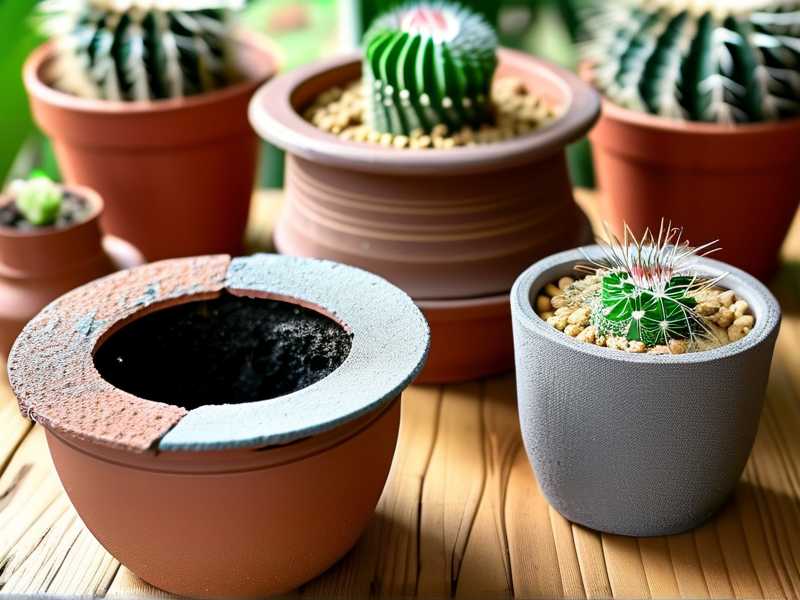
I switched to terracotta pots. They are porous. They let the soil dry out faster. For cactus, I use a pot one size larger than the root ball. For moisture-lovers, I use plastic pots that retain moisture. I also added pebbles at the bottom for drainage. That helped a lot.
Step-by-Step: How I Fixed My Garden Layout
Step 1: Separate the Zones
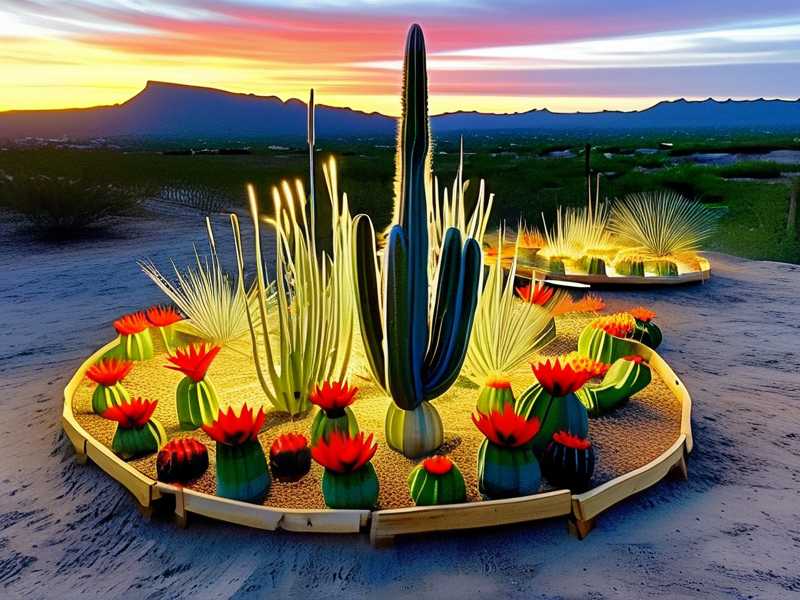
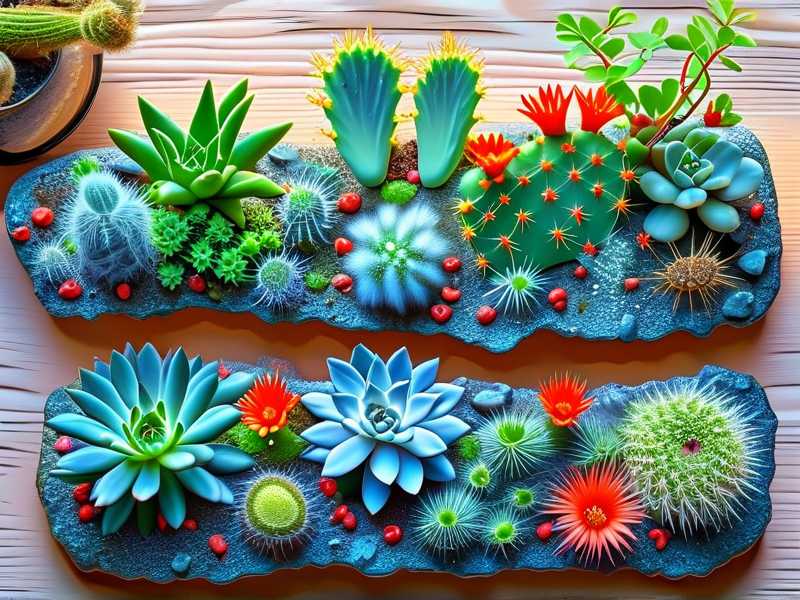
I divided my garden into two zones. Zone A is for cactus and succulents. Zone B is for moisture-lovers like ferns, hostas, and astilbes. I use physical barriers like stones or wooden borders. This prevents water runoff from one zone to another.
Step 2: Monitor Soil Moisture
I bought a moisture meter. It costs about ten dollars. I stick it into the soil for each plant. For cactus, I water only when the meter shows "dry." For moisture-lovers, I water when the meter shows "slightly moist." This simple tool saved many of my plants.
Step 3: Observe for Two Weeks
I started a two-week observation routine. Every morning, I check each plant. I look for signs of stress. Wilting leaves mean too much or too little water. Yellowing leaves mean overwatering. Shriveled cactus means underwatering. I write everything in my journal.
The first week, I noticed my cactus soil stayed wet after five days. I repotted it into a smaller terracotta pot. That fixed the issue. By the second week, the cactus looked firm and green. The moisture-lovers also stayed happy.
Step 4: Use the Right Soil Mix
I used to use regular potting soil for everything. That was wrong. Cactus needs a sandy, well-draining mix. I now mix two parts sand, one part perlite, and one part potting soil. For moisture-lovers, I use a rich organic mix with peat moss. It holds moisture without becoming waterlogged.
Step 5: Adjust Watering Frequency
I water cactus every ten to fourteen days during summer. In winter, every three to four weeks. For moisture-lovers, I water twice a week in summer. Once a week in winter. This schedule came from trial and error. It works for me.
Real Stories from My Garden
I once had a friend who planted a cactus next to a hydrangea. She thought they would look nice together. Within a month, the cactus died. The hydrangea was fine. She cried. I gave her a new cactus and taught her this rule: these two species are like cats and fish. They live in different worlds.
Another time, I tried to keep a cactus in a terrarium. A terrarium is designed for moisture-loving plants like ferns. The humidity killed the cactus in ten days. I felt terrible. But I learned that cactus hates closed environments. It needs airflow and dry air.
I also tried mixing succulents with ivy. That almost failed too. Succulents, like cacti, are desert plants. Ivy likes moisture. I had to separate them. Now my succulents live on a sunny windowsill. The ivy hangs in the bathroom. Both are thriving.
Key Observations After Two Weeks
After consistent monitoring for two weeks, I saw clear differences. The cactus in Zone A looked plump and green. No rotting. No shriveling. The fern in Zone B had new fronds. The hosta leaves were dark green and firm.
I also noticed that the soil in Zone A dried out faster. That is good. It means the drainage is working. In Zone B, the soil stayed damp longer. That is also good. It matches the plants' needs.
One small detail: I water Zone A in the morning. Zone B in the evening. This timing helps. Morning sun dries cactus soil faster. Evening watering gives moisture-lovers all night to absorb.
Common Questions from Fellow Gardeners
FAQ 1: Can I put cactus near lavender?
Yes, lavender also likes dry soil. But check the light needs. Lavender needs full sun, same as cactus. They can share a zone. Just ensure good drainage.
FAQ 2: What if I only have one window?
Use separate pots. Place cactus on the sunny side. Place moisture-lovers on the shadier side. Use a saucer to catch water. Never let them sit in shared water trays.
FAQ 3: How do I know if my cactus is overwatered?
Look for yellowing, mushy stems, or black roots. If the soil smells bad, it is too wet. Stop watering. Repot in dry soil. Wait two weeks before watering again.
Final Thoughts from My Experience
I have been gardening for five years now. I still make small mistakes. But I no longer mix cactus with moisture-lovers. That was my biggest lesson. I check the soil of every plant individually. I use different pots and soil mixes. I group plants by their water needs.
Honestly, it is not hard. You just need to pay attention. Many people think all plants need the same care. That is not true. Each species has its own personality. I respect that now.
If you are a beginner, start with one plant type. Master it. Then add another type in a separate area. You will avoid the mistakes I made. I promise, your cactus will live longer. Your moisture-lovers will stay happy.