bluename
 How to Identify Rainbow Cactus Species and Maintain Its Vibrant Colors
For cactus enthusiasts, the rainbow cactus stands out as a mesmerizing addition to any collection. Known for its striking bands of color and unique patterns, this group of cacti species captivates with both beauty and resilience. However, identifying the exact species and maintaining their vibrant hues can be challenging for beginners and even seasoned growers. This guide will walk you through identifying rainbow cactus species and provide practical tips to keep their colors vivid and healthy.
Identifying Rainbow Cactus Species
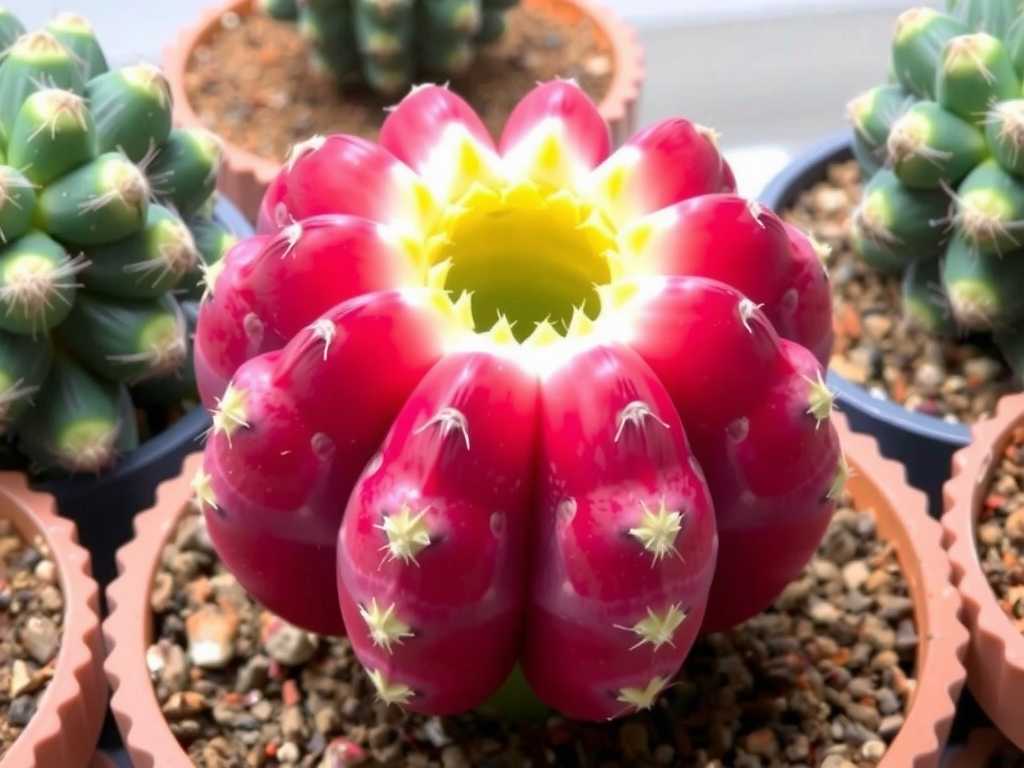
Rainbow cactus isn’t a single species but rather a common name for several types of cacti that display multicolored bands. The most popular among them are Echinocereus rigidissimus (also called Arizona Rainbow Cactus) and Echinocereus pectinatus (often referred to as the Strawberry Hedgehog Cactus). Each species has distinct characteristics that can help you identify them correctly.
Physical Characteristics
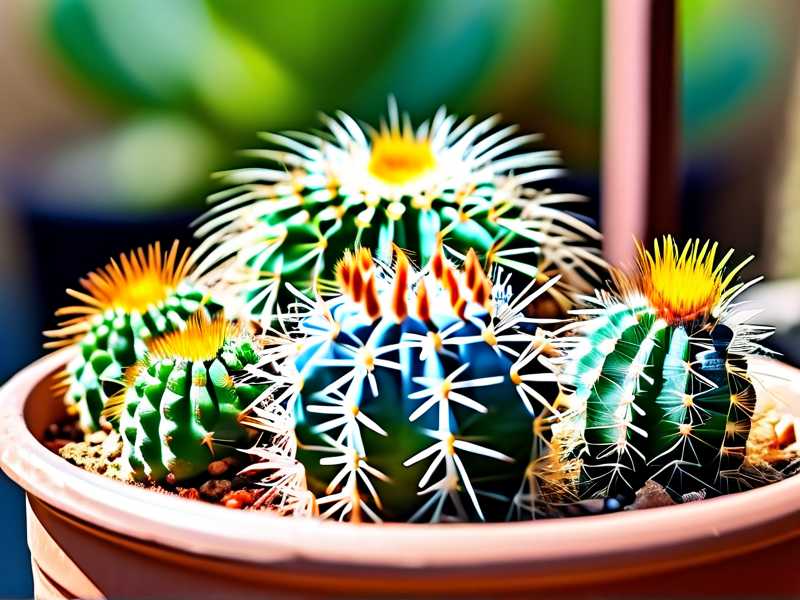
The first step in identifying a rainbow cactus is to closely examine its physical features. Most rainbow cacti are small, globular plants with a cylindrical shape. They typically grow in clusters or solitary stems, depending on the species. Look for pronounced ribs running vertically along the body of the cactus. These ribs are often lined with spines that vary in color from white to pink or even golden.
One key identifier is the banding pattern. True rainbow cacti display alternating bands of green, pink, purple, or yellow. These bands are caused by pigments called betalains, which are responsible for the vibrant colors. The intensity and arrangement of these bands can vary significantly between species and even within the same species based on growing conditions.
Flowering Patterns
Another way to identify rainbow cactus species is by observing their flowers. Many rainbow cacti produce stunning blooms that are often larger than the plant itself. Echinocereus rigidissimus, for example, produces bright pink or magenta flowers in spring, while Echinocereus pectinatus has funnel-shaped flowers that range from pink to red. The timing and color of the flowers can provide clues about the specific species you’re dealing with.Geographic Origin
Understanding where a rainbow cactus comes from can also help with identification. Most species are native to arid regions of the southwestern United States and northern Mexico. For instance, Echinocereus rigidissimus is commonly found in Arizona and New Mexico, while Echinocereus pectinatus thrives in Texas and Mexico. Knowing the geographic origin can narrow down your search and make identification easier.
Maintaining the Vibrant Colors of Rainbow Cactus
Once you’ve identified your rainbow cactus species, the next challenge is keeping its colors vibrant. Here are some essential tips to ensure your cactus stays healthy and colorful.
Provide Adequate Sunlight
Rainbow cacti thrive in bright, indirect sunlight. Too much direct sunlight can cause sunburn, leading to faded or discolored patches on the skin. On the other hand, insufficient light can result in pale, washed-out colors. Aim for at least six hours of sunlight per day, preferably in the morning or late afternoon when the sun is less intense. If you’re growing your cactus indoors, place it near a south-facing window or use grow lights to supplement natural light.Use Well-Draining Soil
Proper drainage is crucial for maintaining the health and color of your rainbow cactus. These plants are adapted to arid environments and cannot tolerate soggy soil. Use a cactus-specific potting mix or create your own by mixing equal parts sand, perlite, and potting soil. This will ensure water drains quickly, preventing root rot and other moisture-related issues.Water Wisely
Overwatering is one of the most common mistakes when caring for rainbow cacti. These plants are drought-tolerant and prefer to dry out completely between waterings. During the growing season (spring and summer), water your cactus once every two to three weeks, allowing the soil to dry out thoroughly before the next watering. In winter, reduce watering to once a month or less, as the plant enters dormancy and requires less moisture.Monitor Temperature and Humidity
Rainbow cacti prefer warm temperatures and low humidity. Ideally, keep your cactus in an environment where temperatures range between 65°F and 85°F (18°C to 29°C). Avoid placing it near drafts or heat sources, as sudden temperature fluctuations can stress the plant and affect its color. Additionally, maintain humidity levels below 50% to prevent fungal growth and other moisture-related problems.Fertilize Sparingly
While rainbow cacti don’t require frequent fertilization, a light feeding during the growing season can help promote healthy growth and vibrant colors. Use a balanced, water-soluble fertilizer diluted to half strength and apply it once every two to three months. Avoid over-fertilizing, as this can lead to nutrient burn and damage the plant’s delicate roots.Prune and Groom Regularly
Pruning isn’t always necessary for rainbow cacti, but removing dead or damaged spines can improve the plant’s appearance and prevent the spread of disease. Use clean, sharp scissors or tweezers to carefully trim away any brown or blackened spines. Additionally, gently dust the plant’s surface with a soft brush to remove debris and keep it looking its best.
Common FAQs About Rainbow Cactus
Why are the colors on my rainbow cactus fading?
Fading colors can be caused by several factors, including insufficient sunlight, overwatering, or nutrient deficiencies. Ensure your cactus is receiving adequate light and water it sparingly. If the problem persists, consider fertilizing with a balanced cactus fertilizer to replenish essential nutrients.
Can rainbow cacti be grown indoors?
Yes, rainbow ccacti can thrive indoors as long as they receive enough sunlight and are planted in well-draining soil. Place your cactus near a south-facing window or use grow lights to provide the necessary light intensity. Be mindful of temperature and humidity levels, as indoor environments can sometimes be too cool or humid for these desert-adapted plants.
How often should I repot my rainbow cactus?
Rainbow cacti don’t need to be repotted frequently, as they grow slowly and prefer to be slightly root-bound. Repot your cactus every two to three years or when you notice the roots outgrowing the current container. Choose a pot that’s slightly larger than the previous one and use fresh cactus soil to ensure proper drainage.
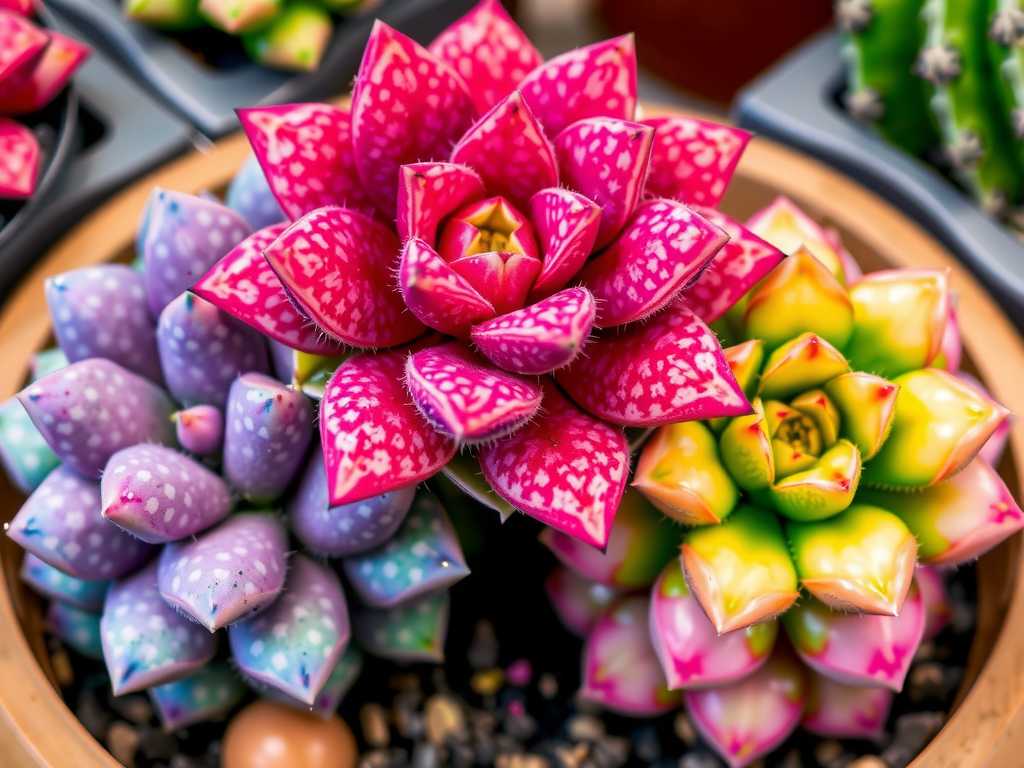
By following these guidelines, you can confidently identify rainbow cactus species and maintain their vibrant colors for years to come. With the right care and attention, your rainbow cactus will continue to be a stunning centerpiece in your collection.