bluename
 How to Build Vertical Plant Shelving for Large Indoor Cactus Collections
If you're drowning in potted cacti and running out of windowsill space, building vertical plant shelving is the answer I wish I'd found three years ago. I keep around 60 cacti indoors, and I tried every lazy fix before finally designing a proper wall-mounted system. The short version: use 1x4 or 2x4 lumber, anchor a vertical frame to wall studs, space shelves 12–18 inches apart, and add LED grow bars or position near a south-facing window. That's it. Everything below is what I learned the hard way over a two-week build-and-observe period, plus the mistakes that killed several of my plants before I got smart.
A quick note before the build details. The RHS{:target="_blank"} has long stressed that light and drainage are the two non-negotiables for succulents, and I can confirm that after killing more cacti than I'd like to admit. Let's get into it.
Why I Stopped Using Regular Bookshelves
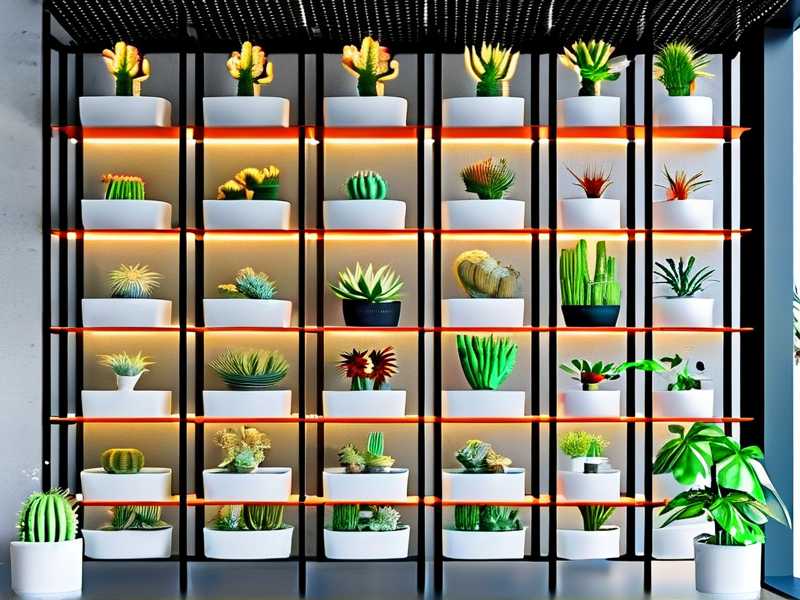
I started like most people. I grabbed an old IKEA Billy bookcase, shoved 20 pots on it, and called it a cactus display. Two weeks later, the bottom shelf plants were stretching, the top ones were fine, and the whole thing felt wobbly every time I bumped it.
Here's the thing. Cacti don't just need light. They need even, strong light across every shelf. A flat bookcase gives you one good shelf and a bunch of dim ones. Vertical shelving built with adjustable tiers fixes that.
Also, standard shelves are usually 11–13 inches deep. That's fine for small pots. But once you've got a 10-inch terracotta pot with a mature barrel cactus, you need 16–18 inches of depth. So plan for that from the start.
My Two-Week Build and What Actually Happened
I picked a weekend to frame it out, then spent the next two weeks tweaking placement, lighting, and watering schedules.
Week 1: Frame, Anchor, and Shelf Spacing
I used 2x4s for the vertical uprights and 1x4s for the horizontal shelf supports.
Materials list:
- 4 pieces of 2x4x8 (uprights)
- 8 pieces of 1x4x4 (shelf rails)
- 3-inch wood screws
- Wall anchors or stud finder
- 1-inch thick shelf boards cut to 18 inches deep
I spaced shelves at 14 inches, then bumped the bottom tier to 20 inches for tall columnar cacti like my San Pedro. Each shelf holds about 30–40 pounds of pots and soil, which is nothing for 2x4s anchored into studs.
A tip I learned the hard way: sand the shelf edges. I skipped this on shelf two and sliced my forearm reaching for a pot. Not fun.
Week 1 Observations
By day four, I noticed the middle shelves were getting noticeably less light than the top and bottom. I hadn't accounted for shadowing from the shelf above. I fixed it by staggering the shelf depth slightly—top shelves 16 inches deep, bottom two 18 inches. Sounds fussy but it made a real difference.
Week 2: Lighting Adjustments and Cactus Response
I added two 2-foot LED grow bars per shelf on the north-facing unit. On the south-facing unit, I left it natural.
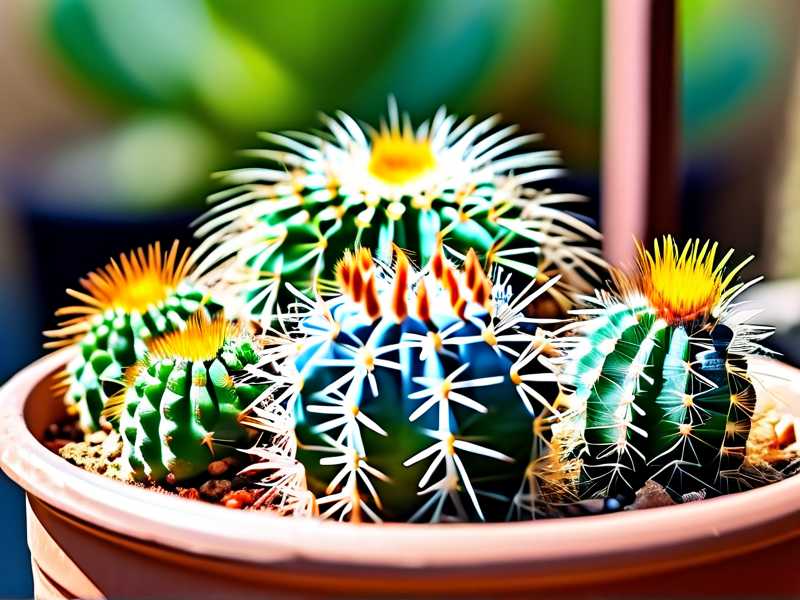
By day ten, my Echinocactus grusonii (golden barrel) on the south shelf showed zero etiolation. The same species on the north shelf with LED bars did fine too, but the color was slightly less vivid. That told me LED bars work but real sun still wins.
I also rotated pots 90 degrees every three days. Cacti lean toward light, and if you don't rotate them, you get lopsided growth. I learned this after a Mammillaria I'd had for two years developed a permanent curve.
The Three Mistakes That Kill Most Indoor Cacti
Before you build anything, understand these. I've made all three. Some more than once.
Mistake 1: Overwatering
90% of indoor plants die from overwatering. That includes cacti, and I'd argue cacti suffer more because people think "desert plant equals no water needed" and then panic-water when they see a wrinkle.
I killed a beautiful Ferocactus latispinus because I watered it every ten days in winter. It rotted from the base up. By the time I noticed, the whole core was mush.
The fix: water only when the soil is bone dry to the bottom of the pot. In winter, that might mean once every six to eight weeks. In summer, every 10–14 days max. When in doubt, wait another week.
Mistake 2: Light Mismatch
I once put a shade-loving Haworthia on the top shelf of a south-facing unit because it "looked nice there." It burned to a crisp in four days.
Different cacti need different light. Columnar and barrel types want full sun. Many Mammillaria and Rebutia want bright but filtered light. Forest cacti like Schlumbergera want indirect light.
The fix: match the plant to the shelf, not the other way around. My top shelf is reserved for full-sun species. Middle shelves get bright indirect. Bottom shelf gets whatever's left and it's mostly for shade-tolerant succulents.
Mistake 3: Wrong Pots
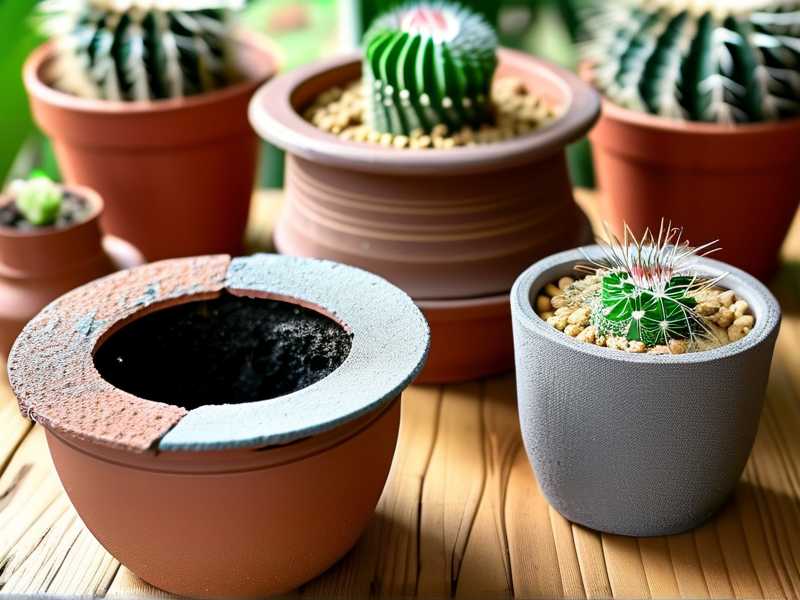
I used to grab cheap plastic pots from the hardware store. They hold moisture way too long. I switched to unglazed terracotta and my rot issues dropped dramatically.
Terracotta breathes. It wicks moisture away from the soil. Plastic doesn't. Glazed ceramic doesn't either.
The fix: unglazed terracotta, always. Size the pot so the root ball has about an inch of space on all sides. Too big a pot means too much wet soil sitting around roots that aren't using it.
Designing the Shelf Layout Around Your Cacti
Not all cacti are the same height or width. If you build fixed shelves with equal spacing, you'll waste vertical space and cramp the tall guys.
What I do now:
- Bottom tier: 20 inches tall for columnar cacti
- Middle tiers: 14–16 inches for globular and clustering types
- Top tier: 12 inches for small pots and seedlings
I also group by water needs. The bottom shelf gets the ones that want more frequent watering in summer. The top gets the ones that want a dry winter rest.
This saves me from the "which one do I water today" confusion. I just water by shelf.
Materials and Tools for a Solid Build
You don't need fancy tools. I built mine with:
- A cordless drill
- A circular saw (or have the lumber yard cut everything)
- A stud finder
- A level
- Sandpaper
- Wood screws
For wood, pine 2x4s are fine. If you want it to look nicer, sand and stain the shelf boards before assembly. I didn't on my first build and regretted it.
For anchoring: always go into studs. If you can't find studs, use heavy-duty toggle bolts rated for at least 100 pounds. Cacti collections get heavy fast.
Lighting Options That Work for Vertical Shelves
You've got three realistic choices:
Natural light only. Works if you have a large south-facing window with 6+ hours of direct sun. Rotate plants weekly. This is what I do for my main unit.
LED grow bars. These are cheap now. Look for full-spectrum bars, 2-foot length, around 20–30 watts per shelf. Mount them 6–8 inches above the tops of the plants.
T5 fluorescent fixtures. Older tech but still reliable. Bulkier and hotter than LED, but they work.
I run LED bars on a timer—12 hours on in summer, 8 in winter. Cacti need a rest period. Running lights 24/7 stresses them.
A Note on Humidity and Airflow
You'd think cacti don't care about airflow. They do. Stagnant air plus moist soil equals rot.
I put a small clip-on fan on low, pointing across the shelves. Not directly at the plants, just moving air around the room. Since I started doing this, I haven't lost a single cactus to rot.
Humidity-wise, most homes sit at 40–50%, which is fine for cacti. If yours is higher, water less and increase airflow.
Watering By Shelf, Not By Calendar
I used to water everything on the same day. That was stupid. Different cacti dry out at different rates.
Now I check each shelf every Sunday. I poke a wooden skewer into the soil. If it comes out clean and dry, I water. If there's any moisture, I skip it.
Sounds tedious. It takes five minutes. And I haven't rotted a cactus in over a year.
My Current Setup After Two Years
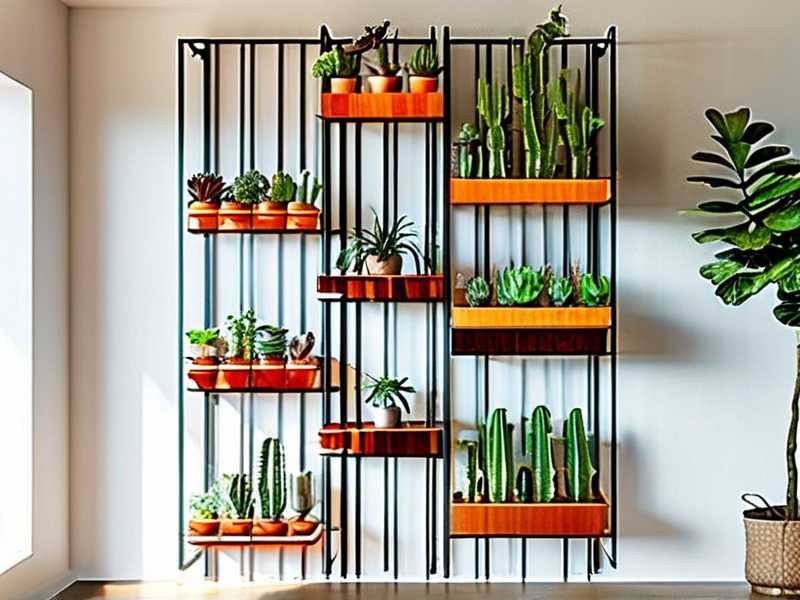
I have two vertical units now. One is south-facing, natural light only, holding about 35 cacti. The other is north-facing with LED bars, holding another 25.
The south unit produces better growth and flowering. The north unit keeps things alive and healthy but with slower growth.
If I were starting over, I'd put all my shelving on the south wall and skip the LED experiment. But if south light isn't available, LED bars are a solid backup.
Lessons I Wish I'd Known Sooner
- Build the frame first, then worry about plants.
- Terracotta pots, always.
- Water less than you think.
- Rotate pots constantly.
- Stagger shelf heights for different cactus shapes.
- Anchor into studs. No exceptions.
Also, the AHS{:target="_blank"} has a solid guide on succulent cultivation if you want a deeper dive into species-specific care. I've referenced it more than once.
Frequently Asked Questions
How much weight can vertical plant shelving hold?
If you anchor into wall studs with 3-inch screws, each shelf can easily hold 40–50 pounds. That's plenty for terracotta pots with soil. Just don't use drywall anchors for heavy collections.
What's the best shelf spacing for tall cacti?
At least 20 inches for columnar types. For globular cacti, 12–14 inches works. Measure your tallest pot and add 4–6 inches of clearance above the plant for growth.
Do I need grow lights if I have a south-facing window?
Not necessarily. If you get 6+ hours of direct sun, natural light is enough. But if your window is shaded part of the day, a 2-foot LED bar per shelf makes a noticeable difference within two weeks.
If I could sum this up in one sentence, it's this: build sturdy, anchor it well, space shelves for the plants you actually own, and stop watering so much. Everything else is just refinement.