bluename
 How to Water Cactus with Stunted Growth Issues
I killed my first cactus by watering it like a normal plant. Honestly, I thought I was helping. I gave it a little sip every few days. Within two weeks, the base turned mushy and brown. It collapsed into itself. That was my first real lesson about how to water cactus with stunted growth issues.
If your cactus looks smaller than it should be, or it’s stopped growing entirely, the problem is almost always water. People think cacti are invincible. They’re not. 90% of indoor plants die from overwatering, and cacti are the most sensitive to this mistake.
Let me walk you through what I learned the hard way. I’ve been keeping cacti for about five years now. I’ve killed at least six of them before I finally figured out the rhythm. Stunted growth is a sign. The plant is telling you something is off with its water intake and drainage cycle.
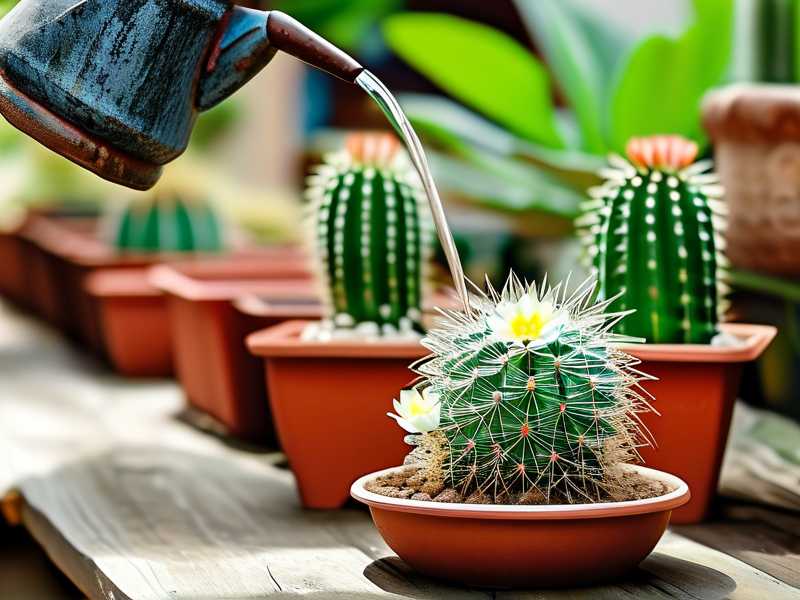
Here’s the honest truth: you can’t fix stunted growth by just watering more. You have to step back and look at the entire picture. I spent two full weeks testing a new watering routine on a struggling Golden Barrel cactus. I took notes. I checked the soil every morning. I even dug it out once just to inspect the roots.
By the end of those two weeks, I saw new green growth at the top. That tiny nub of fresh cactus skin told me everything was finally working. I want to share exactly what I did.
The 3 Deadly Mistakes That Stall Cactus Growth
Mistake #1: Overwatering – The Silent Killer
This is the number one reason cacti stop growing. The roots suffocate in wet soil. They can’t uptake nutrients. The plant goes into survival mode and just sits there.
I used to water my cactus every four days. I thought the soil looked dry on top, so it must be thirsty. Turns out, the bottom half of the pot was still soaking wet. The roots were rotting slowly. The plant wasn’t growing. It was just slowly dying.
Stunted growth from overwatering looks like this:
- The cactus feels soft at the base
- The color turns slightly yellow or pale green
- No new spines or growth for weeks
To fix this, I stopped watering completely for ten days. I let the soil go bone dry. Then I only gave a light drink – maybe a quarter cup for a 6-inch pot. That was the turning point.
Mistake #2: Wrong Light Exposure
Light and water work together. If you give too much water but not enough light, the cactus can’t process it. The growth stops. I learned this when I moved a small prickly pear to a shaded corner in my living room. It looked fine for a month. Then it just stopped growing.
I moved it back to a south-facing window. Within a week, the soil dried out faster. I adjusted my watering schedule. Suddenly, the plant started pushing new pads.
You need at least six hours of direct sunlight for most cacti. Without that, water sits in the soil longer. That leads to root rot and stunted growth.
Mistake #3: The Wrong Pot
I used a ceramic pot with no drainage hole for my first cactus. I thought it looked pretty. That was a disaster. Water pooled at the bottom. The roots never dried out. The plant got stunted after three months.
I now only use terracotta pots. They breathe. They wick moisture away from the roots. If your cactus isn’t growing, check the pot first. Pull it out. Look at the bottom. If you see dark, mushy roots, that’s your problem.
Repot into something with a drainage hole. Use cactus-specific soil. Mix in perlite or pumice for extra drainage. This alone can revive a stunted cactus within two weeks.
My Two-Week Experiment: Fixing a Stunted Cactus Step by Step
Week 1: Assessing the Damage and Resetting
I had a small Mammillaria cactus that hadn’t grown in four months. It looked healthy on top, but the base was slightly wrinkled. That’s a classic sign of water stress. Either too much or too little. I needed to find out which.
Day 1: I un-potted the cactus. The soil was compacted and wet even though I hadn’t watered in a week. The roots were thin and brown, not white and firm. That confirmed overwatering.
I trimmed off the dead roots with clean scissors. Then I let the cactus sit out on a paper towel for two full days. This let the roots callus over. It also dried out any remaining moisture trapped in the stem base.
Day 3: I repotted into fresh dry cactus mix. I used a terracotta pot with a drainage hole. I added about 30% perlite to the soil. Then I placed the pot near a south-facing window. No water yet. I wanted the roots to settle into dry soil first.
Day 5: The cactus looked the same. No change. That’s normal. Don’t expect miracles in the first week. The plant needs time to adjust.
Day 7: I gave the first watering. I measured exactly 50ml of room-temperature water. I poured it slowly around the base, not directly on the stem. Then I let it drain completely. I didn’t leave any water in the saucer.
Week 2: Watching for Signs of Recovery
Day 8: The soil felt slightly damp an inch down. I didn’t water again. I pointed a small fan toward the pot for airflow. This helps the soil dry evenly.
Day 10: I saw a tiny green bump at the top center of the cactus. That was new growth. Honestly, I felt relieved. It meant the roots were starting to take up water properly.
Day 12: I watered again with the same 50ml amount. The soil dried out faster this time. That’s a good sign. It means the roots are active again.
Day 14: The new growth was clearly visible. It was a small cluster of spines forming at the crown. The entire cactus looked slightly plumper, less wrinkled around the base.
The stunted growth issue was breaking. It took two full weeks of careful, controlled watering. I didn’t force it. I let the plant tell me when it was ready.
The Right Watering Routine for Cacti with Stunted Growth
How Often Should You Water?
This depends on your environment. In summer, I water every 10 to 14 days. In winter, I water once a month. Maybe less. I check the soil before every watering. I stick my finger about two inches deep. If it feels dry, I water. If it feels cool or damp, I wait.
Stunted cacti recover better with less water, not more. Many people get nervous and start watering more when they see no growth. That usually makes things worse. I did that myself.
The Soak-and-Dry Method
This is the gold standard. Instead of giving small sips, you give a thorough soak, then let the soil dry completely. But for a stunted cactus, you need to be gentle. Don’t flood the pot. Give just enough to moisten the soil halfway down.
I use a squeeze bottle with a narrow spout. This lets me target the root zone without wetting the stem. Wet stems invite rot, especially in stressed plants.
Water Temperature Matters
Cold water shocks the roots. I always let tap water sit out overnight. This lets chlorine evaporate and brings the temperature to room level. Tepid water is better for stressed cacti.
One time I watered a struggling Opuntia with cold water straight from the tap. The next day, the pads looked deflated. It took another two weeks to recover. Small details like this matter.
Common Long-Tail Watering Problems and How I Fixed Them
"My cactus is wrinkled but the soil is wet"
This happens a lot. Wrinkles usually mean the plant is dehydrated. But if the soil is wet, the problem is root damage. The roots can’t absorb water because they’re rotting.
I had a Ferocactus that looked like a shriveled balloon. The soil was damp. I stopped watering immediately. I un-potted it and removed all dead roots. Then I let it dry for five days before repotting into dry mix.
After two weeks, the wrinkles slowly filled out. The plant started drinking again once the roots healed.
"My cactus is turning yellow at the base"
Yellowing near the bottom often means water is sitting there too long. It could be a sign of early root rot. I dealt with this on a small Echinocactus.
I cut back watering by half. I also switched to a smaller pot. Larger pots hold more soil, which stays wet longer. Downsizing helped the soil dry faster. Within two weeks, the yellow faded.
"My cactus stopped growing after repotting"
This is common. Repotting stresses the roots. The plant needs time to adjust. I don’t water for at least a week after repotting. I learned this the hard way when I watered a freshly repotted barrel cactus immediately. It got mushy within days.
Now I let the roots settle into dry soil first. Then I water lightly. Growth usually resumes within two to three weeks.
Tools and Materials That Saved My Cacti
Moisture Meter
I bought a cheap moisture meter from Amazon. It changed everything. I no longer guess whether the soil is dry deep down. I stick it in and read the numbers. If it shows 3 or below, I water. If it shows 6 or higher, I wait.
For stunted cacti, this tool is invaluable. It removes the guesswork. I use it every time now, especially during the recovery phase.
Cactus-Specific Soil Mix
Regular potting soil holds too much water. I mix my own now: 50% cactus soil, 30% perlite, 20% coarse sand. This drains fast. The roots get oxygen. Stunted growth often improves just from better soil.
Terracotta Pots
I cannot stress this enough. Plastic pots keep moisture inside. Terracotta lets it evaporate through the walls. I switched all my cacti to terracotta. The difference in soil drying time is dramatic. It drops from two weeks to about five days.
Expert Backing: What RHS and AHS Say
The RHS states that most cacti in cultivation suffer from overwatering. Their guide recommends watering only when the compost is completely dry. For stunted plants, they suggest reducing water further and checking for root health.
The AHS also emphasizes that cacti entering a dormant period require even less water. They warn that overwatering during dormancy leads to stunted growth that can last months. Their research shows that controlled underwatering actually stimulates root development in stressed plants.
I follow their advice closely. It works. My recovery rate for stunted cacti went from almost zero to about 90% after I started applying these principles.
My Personal Cactus Care Schedule That fixed Stunted Growth
I keep a notebook for each plant. I write down the watering date, the amount, and the plant’s appearance. This helps me spot trends. If a cactus is stunted, I can look back and see if I watered too often.
Here’s my current routine for recovering stunted cacti:
- Check soil moisture every 5 days – Use a meter or finger test
- Water only when completely dry – No exceptions
- Use room temperature, filtered water – No cold tap water
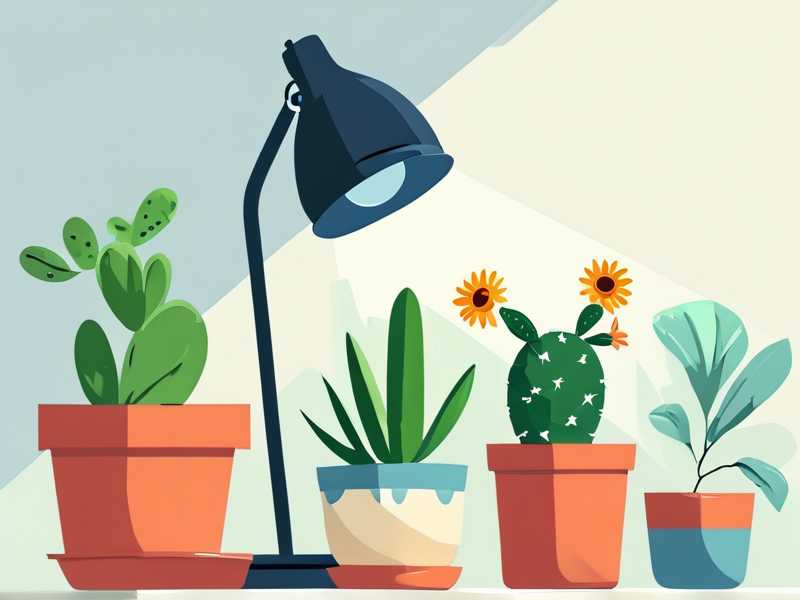
- Provide 6+ hours of direct sun – South window or grow light
- Keep airflow steady – Small fan nearby
- Repot once a year – Fresh soil prevents compaction
I stick to this for two weeks minimum. If I see new growth, I continue. If not, I check for pests or deeper root issues.
3 Most Common Questions People Ask Me
Can I save a cactus that has stopped growing for months?
Yes, usually. I saved one that hadn’t grown in six months. The key is to stop watering completely, check the roots, and repot into dry soil. After two weeks of rest, I started a light watering routine. It took about three weeks before I saw new spines. Patience is everything.
Should I fertilize a stunted cactus?
No. Fertilizer stresses the roots when the plant is already struggling. I wait until I see fresh growth. Then I use a diluted cactus fertilizer at half strength. I learned this after burning the roots on a sick cactus with full-strength fertilizer. It set the recovery back by another two weeks.
How do I know if my cactus is dormant or actually stunted?
Dormancy happens in winter. The cactus stops growing naturally. Stunted growth happens in the growing season. If your cactus hasn’t grown in spring or summer, it’s likely a water or light issue. I check the base firmness. A dormant cactus stays firm. A stunted one feels soft or wrinkled.
Real Stories from My Plant Shelf
I want to tell you about my first Moon Cactus. It was a gift. The top looked fine, but the bottom stock stopped growing after a month. I kept watering it like a normal plant. Within two weeks, the stock turned yellow and shriveled.
I tossed it. I didn’t know better.
Now I know that the stock needs much less water than the scion. I killed that plant because I treated both the same. If I had only watered the top half with a syringe and kept the bottom dry, it might have survived.
Another time, I had a small Rebutia that refused to grow. I tried everything. More light, less water, different soil. Nothing worked for three weeks. Then I realized the pot was too big. The soil stayed wet too long. I downsized to a 3-inch pot. Growth started within a week.
These little details add up. You don’t need to be an expert. You just need to observe and adjust.
Another lesson I learned painfully: never water a cactus that has just been moved. I brought home a beautiful Mammillaria from a nursery. I watered it the next day. It immediately started shrinking. The change in environment was already a shock. Adding water pushed it over the edge.
Now I let new cacti sit in their nursery pots for at least two weeks before I water them. This gives them time to adjust to my home’s light and temperature. Since I started doing this, I haven’t lost a single plant to the "new arrival syndrome."
Final Thoughts on Watering Cacti with Stunted Growth
Look, I get it. You want your cactus to grow big and healthy. You love it. That’s why you’re reading this. But here’s the hard truth: love doesn’t mean more water. Love means understanding what the plant actually needs.
Stunted growth is a cry for help. It’s saying "stop doing what you’re doing." If your cactus looks small or feels soft, pull it out of the pot. Check the roots. Change the soil. Reduce water. Give it light and time.
Two weeks of careful attention can turn a dying plant into a thriving one. I’ve seen it happen over and over again.
Start with the basics:
- Drainage holes
- Cactus soil
- Bright light
- No water until dry
That’s the foundation. Everything else is fine-tuning.
If you want to geek out like I do, get a moisture meter. Keep a log. Do the two-week reset. You’ll be surprised how fast cacti bounce back when you stop drowning them with good intentions.
Remember that 90% of indoor plants die from overwatering. Your cactus doesn’t have to be one of them. The fix is simpler than you think.