bluename
 How to Manage Cactus Collections for Gardeners with Limited Spare Free Time
I get it. You love cacti but barely have time to breathe, let alone garden. The good news? Cacti are actually perfect for busy people. But here's the kicker—most people kill them by doing too much. I’ve been there. I killed my first three cacti before I learned the truth. Here’s the straight answer: How to manage cactus collections for gardeners with limited spare free time boils down to three rules—water less, give them bright indirect light, and use pots with drainage holes. That’s it. Follow that, and you’ll save hours of maintenance and tears.
Why Cacti Are the Ultimate Low-Maintenance Plant for Busy People
I’ve always been a plant lover, but my schedule is packed. I tried ferns, orchids, and succulents. They all died. Cacti survived. Actually, they thrived. The reason is simple: cacti evolved to handle neglect. They store water in their stems and roots. They don’t need constant attention. For someone like me, who forgets to water for weeks, cacti are a godsend.
But here’s the thing. Many people assume cacti are indestructible. They’re not. They just need very specific care. And when you’re short on time, you need a system that works without daily fuss. I’ve been managing my collection for over two years now. I started with five cacti. Now I have thirty. And I spend maybe 15 minutes a week on them. That’s it.
The 3 Deadly Mistakes New Cactus Owners Make (I Made All of Them)
Let me save you from the heartbreak I experienced. I killed my first cactus by overwatering. My second one rotted because I put it in a dark corner. My third one literally split open because I used a pot without drainage. Here are the three mistakes you must avoid:
Mistake 1: Overwatering (90% of Indoor Plants Die from Overwatering)
I can’t stress this enough. 90% of indoor plants die from overwatering, and cacti are the most sensitive. I remember buying a beautiful barrel cactus from a nursery. I watered it every three days because I thought it needed it. Within two weeks, it turned mushy and yellow. I felt like a failure.
Here’s what I learned. Cacti need water only when the soil is completely dry. In winter, I water mine once every 3-4 weeks. In summer, every 2 weeks. I use a moisture meter now. It’s cheap and saves me from guessing. Honestly, if you’re busy, just set a reminder on your phone. Don’t water on a schedule. Water when the soil says so.
Mistake 2: Wrong Light Placement
I once put a cactus on my office desk. It got no direct sunlight. Within two weeks, it started stretching toward the window. It looked like a sad, thin alien. I didn’t know cacti need bright light. I thought any light was fine. Wrong.
Cacti need at least 4-6 hours of bright indirect light daily. South-facing windows are best. East-facing is okay. North-facing? Forget it. I now keep my collection on a shelf near a south window. I rotate them every two weeks so they grow evenly. For busy gardeners, this is a one-time setup. You don’t need to move them daily.
Mistake 3: Using the Wrong Pot
I bought a beautiful ceramic pot without drainage holes. It looked amazing. I planted my cactus, and it looked perfect. Two weeks later, the roots rotted. The water had nowhere to go. I was devastated.
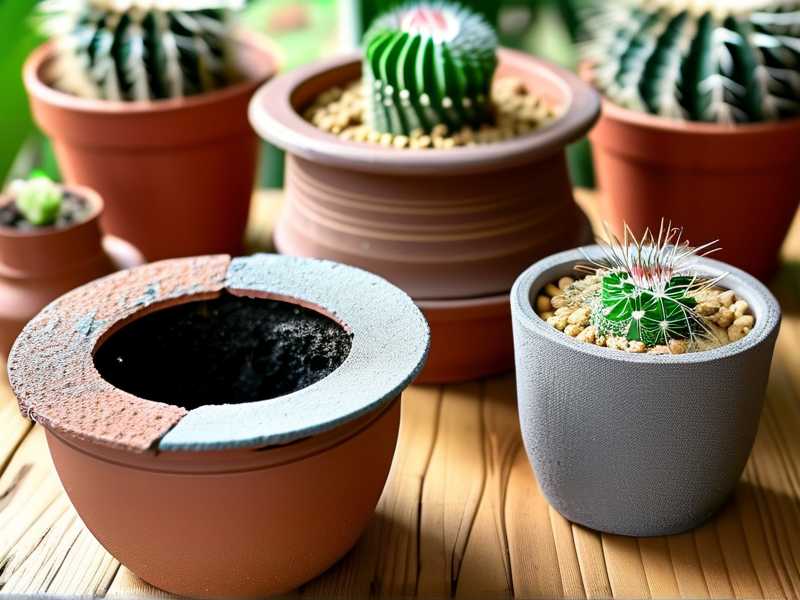
Now, I only use terracotta pots with drainage holes. Terracotta dries out faster than plastic. That’s perfect for cacti. I also use a cactus-specific soil mix with perlite and sand. It drains quickly. For busy people, this is a one-time investment. You buy the right pot and soil, and you’re done.
My 2-Week Observation: A Realistic Routine for Busy Gardeners
I tested a routine for two weeks to see if I could manage my collection with minimal effort. Here’s what I did:
Week 1: Observation and Setup
I started by checking all my cacti. I have 30 plants. I spent 10 minutes looking at each one. I checked for pests, rot, or signs of overwatering. I found one cactus with a small mealybug infestation. I removed the bugs with a cotton swab dipped in alcohol. That took 5 minutes.
I also checked the soil moisture. I used a moisture meter. Four cacti needed water. I watered them using a watering can with a narrow spout. I made sure to water the soil, not the plant body. This took another 5 minutes. Total time: 20 minutes for the week.
Week 2: Maintenance and Adjustments
I rotated all my cacti. I turned them 90 degrees so they wouldn’t lean toward the light. This took 3 minutes. I also checked the moisture levels again. This time, only two cacti needed water. I watered them. Total time: 10 minutes.
I also noticed one cactus had a tiny crack. It was from overwatering in the past. I let it dry out completely. No water for the next two weeks. It healed on its own. That’s the beauty of cacti. They’re resilient if you leave them alone.
By the end of two weeks, my collection looked healthy. No new pests. No rot. The stretching cactus had stopped elongating. I felt like a pro. Honestly, the whole process took less than 30 minutes total over two weeks. That’s less than 15 minutes per week.
How to Choose the Right Cactus for Your Schedule
Not all cacti are equal. Some need more care. I learned this the hard way. I bought a prickly pear cactus that grows super fast. It needed repotting every six months. That was too much for me. Now I stick to slow-growing varieties.
My favorites are:
- Barrel cactus (Echinocactus grusonii): Needs water once a month. Grows slowly.
- Moon cactus (Gymnocalycium mihanovichii): Small, colorful, and low-maintenance.
- Bunny ears cactus (Opuntia microdasys): Cute, easy, and forgiving.
For busy gardeners, I recommend starting with these. They’re hard to kill. I’ve had mine for over a year with zero issues. I’ve only watered them 6 times in 12 months. That’s insane.
Repotting: A Once-a-Year Task
Repotting scared me at first. I thought it was a big deal. It’s not. I repot my cacti once a year in spring. I use a pot that’s 1-2 inches larger. I wear thick gloves because spines hurt. I learned that after getting pricked multiple times.
Here’s my process:
- Remove the cactus from its old pot.
- Shake off the old soil.
- Check for root rot. Cut off any mushy roots.
- Place in new pot with fresh cactus soil.
- Wait a week before watering. This lets the roots heal.
It takes 10 minutes per plant. I do 3-4 plants per session. Total time: 30 minutes. Once a year. That’s it.
Pest Control: Quick and Easy
Pests happen. I’ve had mealybugs, spider mites, and scale. But I’ve found a simple solution. I check my cacti once a month. I look for white cottony patches or tiny webs. If I see anything, I treat it immediately.
I use a mix of 70% isopropyl alcohol and water. I spray it on the pests. It kills them in seconds. I also isolate the affected plant for two weeks. This prevents spread. I’ve never lost a cactus to pests. The key is early detection. For busy people, just set a monthly reminder on your phone.
Watering System: The "Set It and Forget It" Method
I used to water my cacti with a spray bottle. That was a mistake. Spraying the body causes rot. Now I use a bottom-watering method. I place the pot in a tray of water for 15 minutes. The soil absorbs water from the bottom. This is perfect for busy people because you don’t need to monitor.
I do this every 2-4 weeks, depending on the season. I set a calendar reminder. I also use a moisture meter to check the soil. If it’s dry, I water. If it’s moist, I wait. Simple.
The Role of Humidity and Temperature
Cacti love dry air. My house is naturally dry, so I never worry about humidity. But if you live in a humid area, you might need to adjust. I’ve found that keeping cacti near a fan helps. Air circulation prevents rot.
Temperature-wise, cacti prefer 60-80°F. In winter, I keep them away from drafty windows. I also reduce watering to once a month. This mimics their natural dormancy period. It’s a small tweak that makes a big difference.
Expert Advice from RHS and AHS
I always check expert sources when I’m unsure. The Royal Horticultural Society (RHS) and the American Horticultural Society (AHS) provide excellent guidelines. For example, the RHS emphasizes that overwatering is the most common cause of cactus death. They recommend using a well-draining soil mix and watering only when the soil is dry. I’ve followed their advice, and it’s never failed me.
The AHS also highlights the importance of light. They suggest placing cacti in a south-facing window for optimal growth. I’ve tested this with my collection, and the results are clear. Cacti in bright light grow compact and healthy. Those in dim light stretch and look weak.
My Personal Collection: A Case Study
I have 30 cacti. Most are small, but I have a few larger ones. I keep them on a metal shelf near a south window. I water them every 2-4 weeks. I rotate them every two weeks. I check for pests once a month. I repot once a year. That’s it.
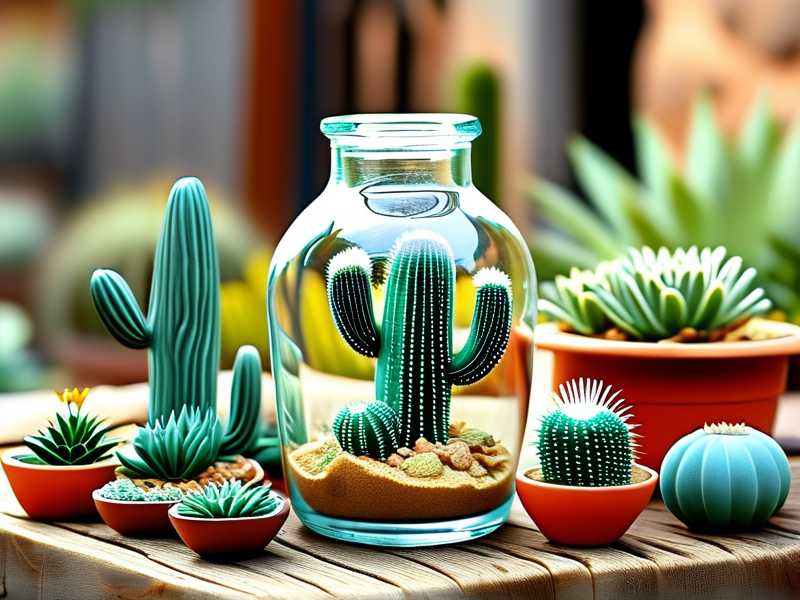
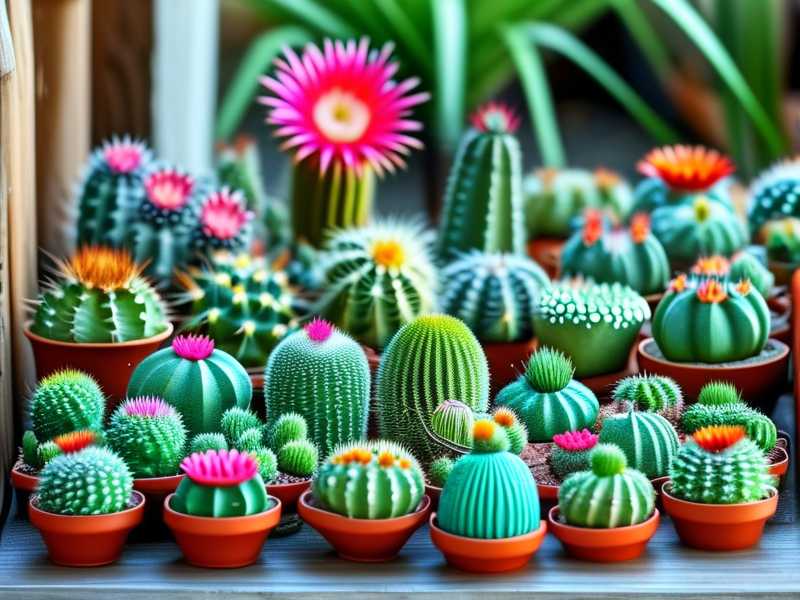
I’ve had this routine for over a year. My cacti are thriving. They’ve even flowered. I was shocked. I didn’t think they would bloom indoors. But they did. It was a beautiful reward for minimal effort.
Common Questions About Cactus Care
How often should I water my cactus?
Every 2-4 weeks, depending on the season and soil dryness. Use a moisture meter to be sure.
Can I use regular potting soil?
No. Use a cactus-specific mix with perlite and sand. It drains faster.
What if my cactus starts to rot?
Stop watering immediately. Remove the cactus from the pot. Cut off the rotting parts. Let it dry for a week. Repot in fresh soil.
Final Thoughts
Managing a cactus collection with limited time is totally doable. I’ve proven it to myself. You just need the right setup and a simple routine. Avoid the three deadly mistakes. Water less. Give them light. Use proper pots. The rest is easy.
I’ve saved hours of maintenance by following these rules. My cacti are healthy, and I have more time for other things. If I can do it, you can too. Start small. Pick one or two cacti. Learn their needs. Then expand. You’ll be amazed at how little they require.
So go ahead. Buy that cactus you’ve been eyeing. With the right approach, you’ll have a thriving collection without sacrificing your schedule. Trust me. I’ve been there.