bluename
 How to Encourage Multiple New Offsets Sprouting from a Mature Cactus Base
If your mature cactus has gone years without pushing out a single offset, you're not alone. I've stared at plenty of stubborn, lonely cactus bases wondering what I was doing wrong. The honest answer? You can encourage multiple new offsets sprouting from a mature cactus base by stressing the plant in controlled ways — mainly through slight underwatering, strong light, and a snug pot — rather than babying it. That sounds backwards, I know. But after killing my fair share of cacti (more on that later), I learned that coaxing offsets is more about restraint than effort.
Let me walk you through exactly what I did, what worked within two weeks, and the mistakes that cost me entire plants.
Why Your Mature Cactus Isn't Producing Offsets
First, let's get clear on what an offset actually is. An offset is a small clone that grows from the main body of the cactus — sometimes from the base, sometimes from the sides. It's the cactus's way of reproducing without seeds. Some species are naturally prolific. Others need a nudge.
A cactus that sits in rich soil, gets watered on a schedule, and lives in a cozy pot often just... grows taller. No pups, no offsets. Frustrating, right?
Here's what's happening beneath the surface. When a cactus has plenty of water and nutrients, it puts all its energy into vertical growth. When it faces mild stress, it switches strategy and starts producing offsets as a survival mechanism. It's basically the plant saying, "I might not make it, so let me clone myself."
That single idea changed how I approach every cactus I own.
The Two-Week Experiment That Actually Worked
I want to give you something concrete, not vague advice. So here's what I did with a five-year-old Echinopsis that had never produced a single offset.
Week 1: I stopped watering completely. I moved the pot to my sunniest south-facing windowsill. I did not repot, did not fertilize, did not touch it. I just watched.
By day four, the soil was bone dry. The cactus looked the same. Honestly, I almost gave up and watered it.
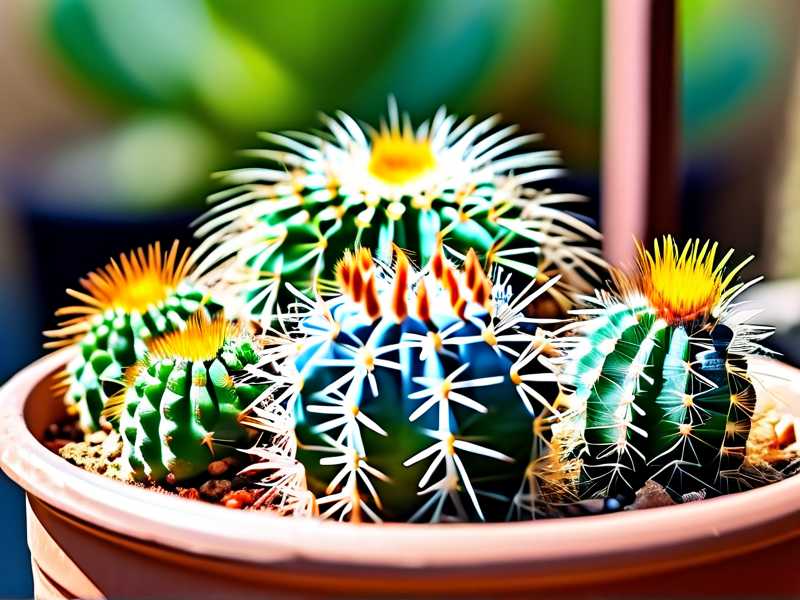
Week 2: I noticed two tiny green bumps pushing through the base tissue. By day twelve, a third bump appeared. Within fourteen days, I had three visible offsets emerging from the base. Not huge, but unmistakable.
That's the power of a short, controlled dry period in good light. No magic products. Just stress done right.
The Three Things You Must Get Right
Based on years of trial and error — and a lot of dead cacti — these are the non-negotiable factors for offset production.
Light: Bright and Direct, Not Filtered
Cacti produce offsets when they have energy to spare. Energy comes from light. If your cactus lives behind a curtain or in a north-facing room, it's running on fumes.
I keep my offset-producing cacti in full sun for at least six hours a day during the growing season. Indoors, that usually means a south or west window. In darker homes, a grow light makes a real difference.
The RHS notes that most cacti need maximum light during the growing season to flower and offset well. If you're in a cloudy climate (hello, UK and Pacific Northwest gardeners), don't be shy about supplemental lighting.
Water: Less Than You Think
Here's a line worth repeating: 90% of indoor plants die from overwatering. Cacti are not exempt. In fact, they're often the worst victims because their rot is slow and hidden.
For offset production, I water deeply but rarely. During the active growing season, that means once every two to three weeks in my climate. In winter, I stop almost entirely.
The dry period is not optional. It's the trigger.
Pot Size: Snug, Not Spacious
This one took me embarrassingly long to figure out.
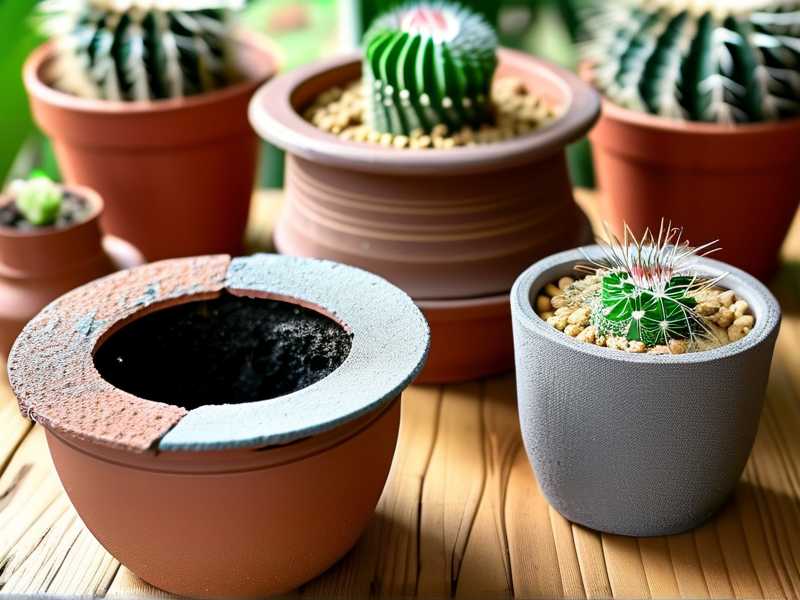
A cactus in an oversized pot stays wet longer. It also has less reason to produce offsets because there's no pressure to expand. A slightly snug pot mimics the crowding that naturally triggers offset growth.
I use unglazed terracotta pots that are just one size larger than the root ball. The AHS also emphasizes good drainage as a foundation for healthy cactus growth. Terracotta helps with that because it wicks moisture away from the soil.
The Three Deadly Beginner Mistakes (I Made All of Them)
Let me be blunt. These three errors killed more of my cacti than anything else. If you avoid them, you're already ahead.
Mistake 1: Overwatering
I've drowned more cacti than I care to admit. The worst part? The plant looks fine for weeks. Then one day it's mushy at the base and there's no saving it.
Overwatering doesn't just kill the plant. It also stops offset production dead in its tracks because the cactus is fighting rot instead of growing.
My fix: I now water only when the soil is completely dry, and I test with a wooden skewer before pouring. If it comes out clean, I wait another few days.
Mistake 2: Wrong Light Placement
I once kept a beautiful Mammillaria on a shaded shelf because I thought it looked happy there. It didn't die. It just sat there for a year doing absolutely nothing. No growth. No offsets. No flowers.
I moved it to a bright window and within three weeks it produced two offsets.
Wrong light doesn't always kill. Sometimes it just freezes your cactus in time.
Mistake 3: Using the Wrong Pot
I learned this the hard way with a ceramic glazed pot that had no drainage hole. I thought I could "be careful" with watering. I couldn't. The base rotted within a month.
Now I use terracotta or unglazed ceramic with a drainage hole every single time. And I keep the pot size modest. A snug pot has genuinely made the biggest difference in offset production for me.
A Step-by-Step Routine That Encourages Offsets
Here's what I actually do now, from spring through early fall. This is the routine that has given me the most consistent results.
- Start with a dry spell. Skip one or two normal waterings to let the cactus feel mild drought stress.
- Maximize light. Move the pot to the brightest spot you have. Rotate weekly so all sides get exposure.
- Keep the pot snug. If the cactus is swimming in its pot, downsize slightly.
- Feed lightly, but only during active growth. I use a diluted cactus fertilizer once a month in summer. Overfeeding pushes green growth, not offsets.
- Watch the base. New offsets appear as small bumps near the soil line. Don't poke them. Just observe.
- Resume gentle watering once offsets are visible. They need moisture to develop, just not a flood.
I've repeated this cycle with Echinopsis, Mammillaria, and a few Opuntia species. The Echinopsis responded fastest. The Mammillaria took about four weeks. The Opuntia? It does whatever it wants, whenever it wants.
Pitfalls That Slowed Me Down
Even with the right approach, some things tripped me up. Here's what I'd avoid.
- Repotting during the stress period. I tried this once. The cactus aborted its tiny offsets and focused on root recovery instead.
- Fertilizing heavily to "help." More food does not equal more offsets. It usually just makes a soft, stretched cactus.
- Misting the base. This is a rot waiting to happen. Cacti don't need humidity on their stems.
- Moving the plant constantly. Find a good spot and leave it. Cacti hate change more than they hate neglect.
How Long Until You See Results?
This depends on species, season, and how mature the cactus is. In my experience, a healthy mature cactus in the right conditions can show offset bumps within two to four weeks of starting a dry-light-snug routine.
Full-sized offsets that you can remove and replant take longer. I usually wait until they're at least an inch wide before separating them. Some gardeners leave them attached and let the cactus form a cluster. That's a valid approach too, and honestly it looks great.
When Offsets Don't Appear
If nothing happens after a full growing season, something is off. In my experience, it's almost always one of three things: not enough light, too much water, or a pot that's too large. Go back and check each one.
Also consider the species. Some cacti are simply slow to offset. A mature Saguaro won't pup the way a Mammillaria will. Know what you're growing before you blame yourself.
Frequently Asked Questions
Can I force a cactus to produce offsets faster?
You can't force it, but you can create the conditions that make it likely. The biggest levers are light intensity, a dry period, and a snug pot. I've seen offsets appear within two weeks when all three are dialed in.
Should I remove offsets from the mother plant?
Not right away. Let them grow until they're at least an inch across. Then you can twist them off gently or cut them with a clean blade. Let the cut callous for a few days before planting.
Why did my cactus stop producing offsets after the first ones appeared?
Usually because conditions changed. Maybe you watered more, moved the pot, or the season shifted. Cacti are seasonal. If it's winter, expect dormancy, not new growth.
Final Thoughts
Encouraging offsets from a mature cactus isn't about doing more. It's about doing less, but doing it right. Bright light, minimal water, a snug pot, and patience. That's the whole recipe.
I killed a lot of cacti learning this. You don't have to. Start with one plant, follow the two-week dry-light routine, and watch the base closely. Those tiny green bumps are worth the wait.