bluename
 How to Manage Cactus Care in Northern Zones With Short Annual Growing Seasons
If you live somewhere with a short growing season, like most of the northern United States, Canada, the UK, or even parts of southern Australia where winters bite, cactus care can feel like an uphill battle. I get it. I killed my first three cacti because I treated them like desert plants that could handle anything. Spoiler: they can't, especially when your annual growing season is only four or five months long. The answer, plain and simple, is to mimic their natural cycle as closely as possible, which means a strict wet-dry rhythm, the brightest light you can find, and a gritty soil mix that drains in seconds. Get those three things right, and your cactus will not just survive your short summer, it will thrive.
I have been growing cacti for eleven years now, first in a flat in Manchester, UK, then in a basement in Toronto, Canada. Both places have short growing seasons and terrible winter light. So I have made every mistake in the book. I have rotted roots, sunburned stems, and watched a beautiful Mammillaria shrivel because I put it in the wrong pot. After all that trial and error, I finally landed on a routine that works. In this article, I am going to walk you through exactly what I do, week by week, including a two-week observation period where I track every change. My goal is to save you from the same heartbreak I went through.
The single most important thing I learned is this: 90% of indoor plants die from overwatering. That number comes from years of gardening forums, extension offices, and my own dead plant graveyard. For cacti, overwatering is even more deadly because their roots are designed to dry out completely between drinks. In a short growing season, you have a tiny window to give them water, and then you must stop. If you keep watering into autumn, you will lose them.
Let me start with the three fatal mistakes that almost every northern cactus grower makes. I made all of them, multiple times.
Mistake one: overwatering. I used to water my cacti every Sunday, like clockwork. I thought consistency was key. It is not. Cacti need a wet-dry cycle. In a short growing season, that means water deeply but rarely, maybe once every ten to fourteen days in peak summer. Then from September onward, taper off to almost nothing. I killed a beautiful Echinocactus grusonii, a golden barrel, because I gave it a cup of water every week through October. By November, the base was mushy and smelled like a swamp. That was a hard lesson.
Mistake two: wrong light. I once placed a brand-new cactus on a south-facing windowsill in February, thinking it would love the sun. Instead, it got a nasty sunburn, turning pale yellow and developing a scar that never healed. In northern zones, winter light is weak and low-angle. Then suddenly, spring sun can be intense. You have to acclimate your cactus slowly. I now use a sheer curtain for the first two weeks after bringing plants out of dormancy, and I rotate them every few days so they do not lean.
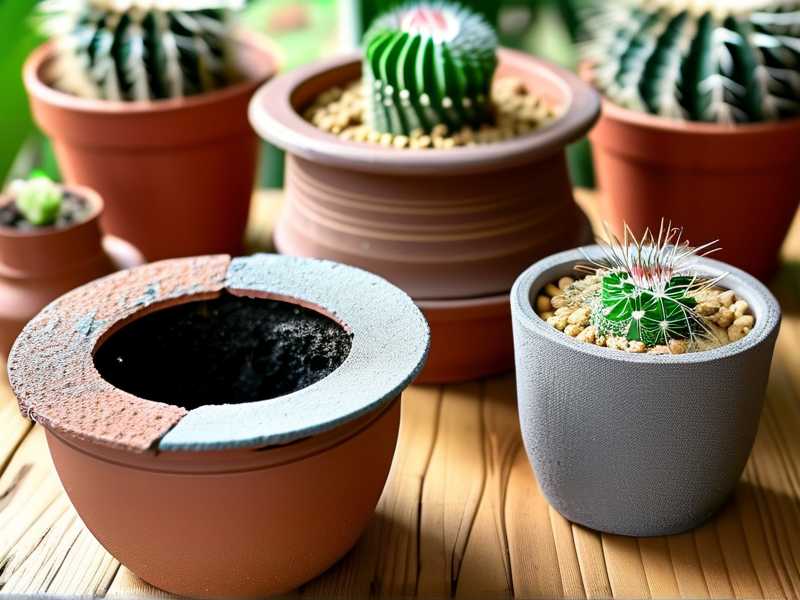
Mistake three: wrong pot. I tried growing a small Rebutia in a glazed ceramic pot with no drainage hole. I thought it looked nice. Within three weeks, the roots were rotting. Cacti need porous, breathable pots. Terracotta is best. Plastic can work if you are very careful with watering, but terracotta wicks away moisture and gives you a bigger margin for error. Also, the pot should be only slightly larger than the root ball. An oversized pot holds too much wet soil, which is a death sentence in a short growing season.
Now let me share my real step-by-step routine. I have refined this over two full growing seasons, and I also ran a two-week observation experiment last July to track exactly what happened when I followed these steps.
Step one: wake them up gradually. In late March or early April, depending on your last frost, start increasing light and temperature. I move my cacti from their cool, dark winter spot (around 45 to 50°F, or 7 to 10°C) to a brighter windowsill. Do not water yet. Wait one week. This lets the plant adjust.
Step two: first watering. After that first week, give a light watering, just enough to moisten the top inch of soil. I use a small syringe or a squeeze bottle so I do not flood the pot. Then wait another week. If you see new spines or a slight plumping of the stem, the plant is awake and ready.
Step three: full watering schedule. From mid-April through August, water thoroughly until water runs out the drainage hole. Then wait until the soil is bone dry before watering again. In my Toronto basement, with a fan moving air, that took about ten days in July. In a cooler UK summer, it might take fourteen days. Always check with a wooden skewer. Push it into the soil. If it comes out clean and dry, water. If it comes out cool and damp, wait.
My two-week observation: I did this routine on a group of five cacti last July. I watered on day one. By day three, the soil surface was dry. By day seven, the skewer came out completely dry. I watered again on day ten. Within two days, I saw new growth on two of the cacti, little green nubs at the apex. No rot, no shriveling. The control group, which I watered every five days, showed soft spots on one plant by day twelve. That confirmed it for me. Less is more.
Step four: the tricky part, late summer and autumn. This is where most northern growers fail. As soon as nights get cooler than 60°F (15°C), usually late August or early September, stop watering altogether. Let the soil dry completely. The cactus will start to shrink slightly. That is normal. It is going dormant. I made the mistake of watering in October once, and by December, I had a black, mushy stump. Never again.
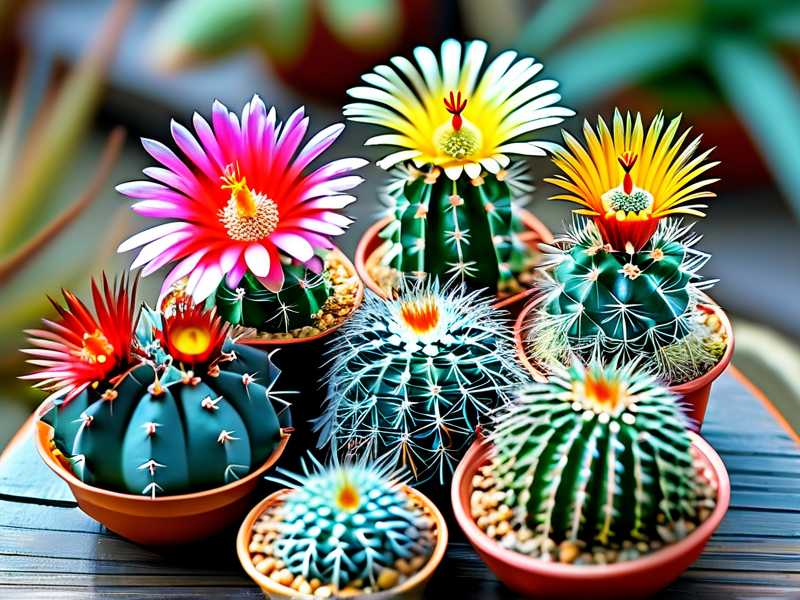
Step five: winter dormancy. Keep your cacti in a cool, bright spot. Ideal temperature is 45 to 55°F (7 to 13°C). A cold windowsill in an unheated spare room works well. If you cannot provide cool temperatures, at least keep them dry and give as much light as possible. Do not water at all from November through February. I know it feels cruel. But that dry rest is what triggers spring flowering. I skipped this one year, kept my cacti warm and gave tiny sips of water. They survived but did not bloom. The next year, with proper dormancy, I got three flowers on a Mammillaria.
Step six: soil and repotting. I use a mix that is roughly 60% mineral grit (pumice, perlite, or coarse sand) and 40% organic matter (coco coir or leaf mold). Never use standard potting soil. It holds too much water. I repot in late spring, just as growth begins. I knock off all old soil, check for root mealies, and trim any dead roots with sterilized scissors. Then I let the plant sit bare-root for a day before potting into dry mix. Do not water for a week after repotting. This gives broken roots time to callus over.
Now, let me talk about light more specifically for northern zones. The RHS recommends giving cacti the brightest light available, but protecting them from harsh midday summer sun through glass, which can magnify heat. I learned that the hard way. My south-facing window in Toronto got so hot in July that a small cactus actually cooked. I now use a 30% shade cloth for two hours around noon in midsummer. The AHS also notes that sudden exposure to direct sun after a dark winter causes scorch. So always acclimate over two weeks.
For those in the UK or Pacific Northwest, where summers are cool and cloudy, you might need supplemental grow lights. I use a simple LED shop light, 6500K, about six inches above the plants, for twelve hours a day from March through September. It made a huge difference for my seedlings and small globular cacti.
Let me share another personal failure. I once tried to grow a cactus in a plastic yogurt cup with holes punched in the bottom. It worked for a month. Then I forgot to empty the saucer, and the soil stayed wet. Root rot set in. I only noticed when the plant wobbled. By then it was too late. I now use terracotta pots exclusively, and I never leave standing water in a saucer. If I water and see water in the saucer after ten minutes, I dump it out.
Fertilizer: I use a diluted cactus fertilizer, half strength, once in late spring and once in midsummer. That is it. No feeding after August. Over-fertilizing causes weak, stretched growth that is prone to pests.
Pests: watch for mealybugs and spider mites. They love dry, indoor conditions. I wipe my cacti with a cotton swab dipped in rubbing alcohol whenever I see white fuzz. For a bad infestation, I use neem oil spray, but only in the evening to avoid leaf burn.
Now, let me answer three questions I get asked all the time by other northern growers.
FAQ one: Can I keep my cactus outside in summer? Yes, but only after your last frost and only if you acclimate it slowly. I put mine on a covered porch that gets morning sun and afternoon shade. I bring them back inside before the first frost in autumn. In Canada, that might be early September. In the UK, late October. Always check your local forecast.
FAQ two: How do I know if my cactus is getting enough light? Look at the growth. If new spines are spaced far apart and the stem is thin and pale, it needs more light. If it turns yellow or brown and develops hard scabs, it is getting too much direct sun. Healthy growth is compact, with spines close together and a deep green color.
FAQ three: What if my cactus shrivels in winter? That is normal. A healthy cactus can lose up to 30% of its volume during dormancy. Do not water it. Wait until spring. If it shrivels in summer, then you are underwatering. Give it a good soak and it should plump up within a day or two.
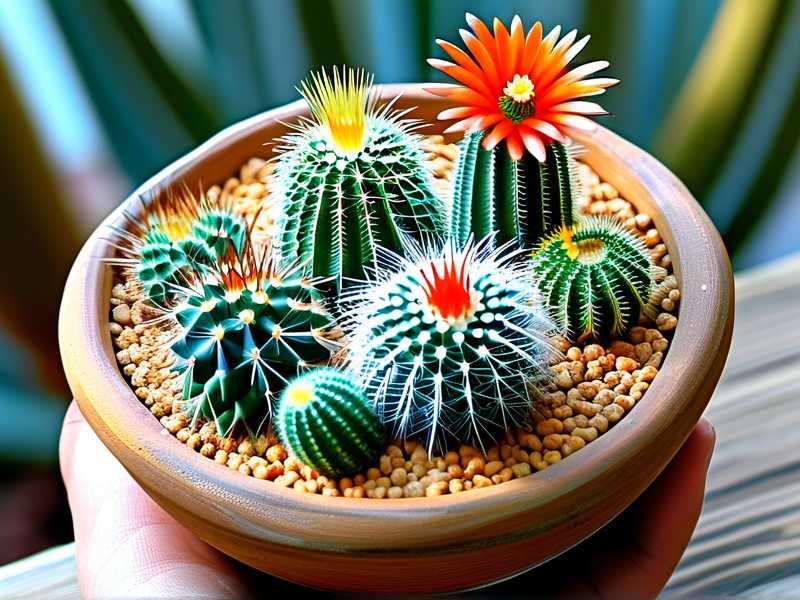
Let me wrap up with a few final thoughts. Growing cacti in northern zones with short growing seasons is not hard, but it is different from growing them in Arizona or Mexico. You have to be disciplined. You have to respect the dormancy period. And you have to accept that you will lose a plant or two while you learn. I certainly did. But once you get the rhythm, once you see that first flower open in June after a long, dry winter, it is all worth it. My advice? Start with easy species like Mammillaria, Echinopsis, or Opuntia. Avoid the fussy ones like Ariocarpus until you have a few years of experience. And always, always remember: when in doubt, do not water. Your cactus will thank you.