bluename
 How to Clean Mineral Salt Crust on Cactus Pot Soil (And Stop It Coming Back)
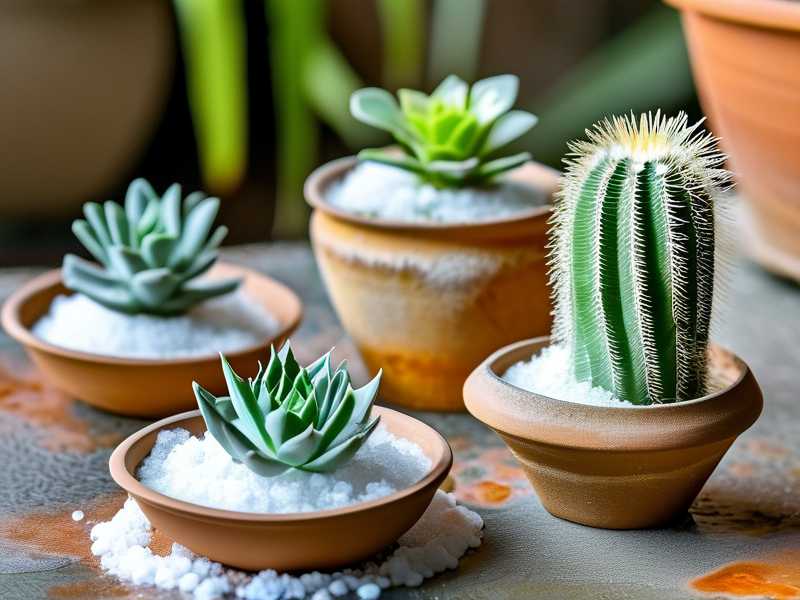
That white, chalky film sitting on top of your cactus soil? It's mineral salt crust, and yes, it's as common as it is ugly. The good news is you can clean it off in about twenty minutes, and if you fix a couple of habits, it won't come back. I've dealt with this on more cacti than I'd like to admit, so let me walk you through exactly what I do.
I remember staring at my first serious cactus collection years ago, convinced I'd done something terribly wrong. A gray-white layer had crept across the surface of every pot like frost that refused to melt. I panicked, repotted everything, and killed half of them in the process. Turns out the crust itself was harmless. My "fix" was what nearly finished them off.
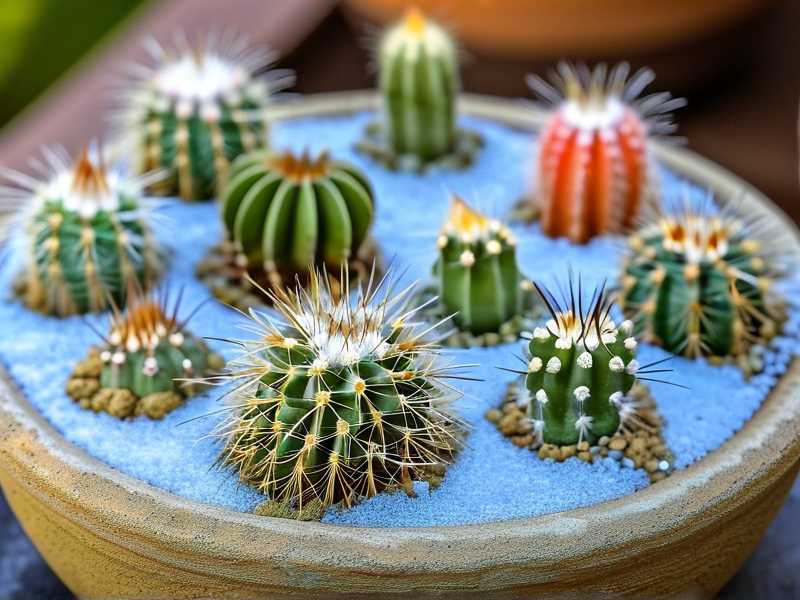
So before you grab a trowel and start digging, take a breath. This is fixable, and it's usually a sign of something small you can correct.
What Is That White Crust on Cactus Soil, Really?
It's a buildup of mineral salts, plain and simple.
Every time you water, you're adding dissolved minerals. Tap water carries calcium, magnesium, and sometimes sodium. Fertilizer adds more. When the water evaporates from the soil surface, those minerals stay behind and crystallize into that crusty layer.
In hard water areas, this happens fast. Like, a few weeks fast.
It's not mold. It's not a disease. It's basically limescale, the same stuff that fogs up your kettle. Your cactus isn't dying from it directly, but the crust does tell you something about your watering routine is off.
Why You Shouldn't Just Ignore It
Here's the thing. A light dusting of salts is cosmetic. A thick crust is a warning sign.
When salts build up in the soil, they can raise the concentration enough to pull moisture away from your cactus roots. That's called salt stress. The roots can't take up water properly even when the soil is damp. You'll see slowed growth, brown tips, or a cactus that just looks sad and deflated.
I lost a gorgeous Mammillaria to this because I kept watering more, thinking it was thirsty. It was the opposite. The soil was so salty the roots couldn't drink.
So cleaning it isn't just about looks. It's about keeping the root zone healthy.
The Quick Fix: How I Clean the Crust in 20 Minutes
This is my go-to method for a pot that's otherwise fine and doesn't need repotting.
Grab a small spoon, a soft-bristle toothbrush, and a spray bottle of distilled or filtered water.
First, gently scrape off the top quarter-inch of soil where the crust sits. Don't go deep. You just want the salty layer gone.
Then take the toothbrush and lightly brush the inside rim of the pot and the exposed soil surface. Salts love to cling to terracotta edges.
Next, mist the surface lightly with distilled water. Just enough to settle the dust. Don't soak it.
Finally, let it dry somewhere with good airflow.
That's it. Twenty minutes, crust gone.
But here's the catch. If you keep watering the same way, it'll be back in three to four weeks. So the real work is prevention.
My Two-Week Observation: What Actually Changed
I tested this on a jade plant and two cacti sitting in my sunniest window.
Day one, I scraped and brushed the crust off all three. They looked instantly better, but I knew that meant nothing yet.
By day five, no new crust had formed. I watered once with distilled water instead of tap.
Around day ten, I noticed something interesting. One pot, the one I'd been overwatering out of habit, started showing a faint new film. The other two stayed clean.
By day fourteen, the difference was obvious. The two pots where I'd corrected my watering were still crust-free. The third had a light haze returning.
That told me everything. The crust is a symptom. Fix the cause and it stops.
The Three Mistakes That Cause This (I've Made All of Them)
Let me be blunt with you, because I wish someone had been blunt with me.
Most of the cacti people kill indoors don't die from neglect. They die from kindness. Specifically, too much water.
Mistake One: Overwatering
90% of indoor plants die from overwatering.
I'm not exaggerating. It's the single biggest killer, and cacti are especially vulnerable because they evolved to survive drought, not pampering.
When you water too often, minerals concentrate faster. You also risk root rot, which is a slower, meaner death than salt crust.
I used to water my cacti every Sunday like clockwork. Felt responsible. Felt caring. It was slowly drowning them.
Now I water when the soil is bone dry all the way through, which in my climate is every two to three weeks in summer and almost never in winter.
Mistake Two: Light in the Wrong Place
This one surprised me.
If your cactus isn't getting enough light, it won't use water efficiently. The soil stays wet longer. Guess what happens? More evaporation cycles, more salt concentration, more crust.
The RHS guidance on cacti is clear that most species need a bright, sunny spot to thrive. Not a shady corner. Not a shelf three feet from a window.
I moved my crusty pots closer to a south-facing window and the improvement was night and day.
Mistake Three: Using the Wrong Pot
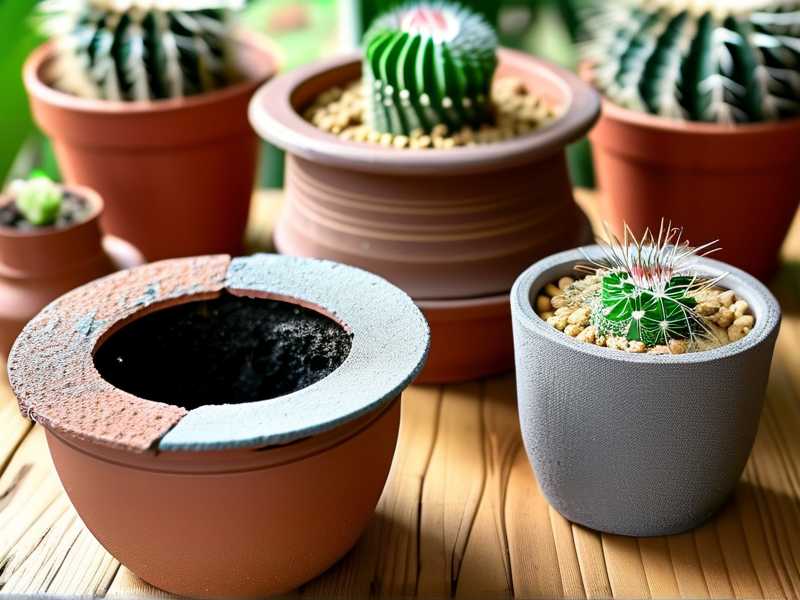
Terracotta is your friend here. So is any pot with a proper drainage hole.
I once used a beautiful glazed ceramic pot with no drainage. Looked great. Held water like a bathtub. The salt crust formed within a month and the cactus barely survived.
The AHS also stresses drainage for succulents and cacti. If water can't escape, minerals can't either.
Now every single cactus I own sits in a pot with a hole. No exceptions.
How to Actually Prevent the Crust From Coming Back
Cleaning is a one-time thing. Prevention is a habit.
Switch to Distilled or Filtered Water
This was the biggest game-changer for me.
Tap water is loaded with dissolved minerals. Distilled water has almost none. If you can't buy distilled, a basic filter helps, or even letting tap water sit overnight reduces some chlorine (though not minerals).
I fill a jug with filtered water and use that for all my cacti now.
Water Less, but Water Deeply
Counterintuitive, right?
Instead of little sips every few days, I soak the soil thoroughly and then let it dry completely. This flushes some salts down and out the drainage hole instead of letting them concentrate at the surface.
The soak-and-dry cycle mimics how cacti get water in nature. A big drink, then a long dry spell.
Repot Every Couple of Years
Over time, salts accumulate even with good habits.
Every two years or so, I repot my cacti into fresh cactus mix. This resets the soil and gives roots room to breathe.
I mix in extra perlite or pumice for drainage. About 50/50 soil to grit works for most of mine.
Ease Up on Fertilizer
Fertilizer is salts. Too much, too often, and you're basically manufacturing crust on purpose.
I feed my cacti maybe twice a year during the growing season, diluted to half strength. That's it.
What About the Crust on the Pot Itself?
Sometimes the white stuff isn't in the soil at all. It's on the outside of the pot.
That's efflorescence, minerals leaching through terracotta and drying on the surface. Harmless, but annoying.
I scrub it off with a diluted vinegar solution and a stiff brush. One part white vinegar to three parts water does the trick.
Then I rinse well so the vinegar doesn't soak in and affect the soil.
Signs Your Cactus Needs More Than Just Cleaning
Not every crust problem is solved by scraping and switching water.
Repot right away if you notice soft, mushy spots near the base. That's rot, not salt.
Also repot if the soil smells sour or funky. Healthy cactus soil shouldn't smell like anything much.
And if the crust keeps returning within days no matter what you do, your soil is probably exhausted. Fresh mix is the answer.
My Honest Take After Years of This
I'll be real with you. Salt crust used to stress me out way more than it should have.
Contact with enough of these plants, and you learn it's usually just a signal. A nudge saying "hey, check your watering, check your water source." Once I started treating it like feedback instead of a crisis, my whole collection got healthier.
Don't panic-clean and repot everything at once. That's the rookie move, and I've been that rookie.
Fix the cause. Clean the surface. Watch for two weeks. Adjust if needed.
That rhythm has kept my cacti crust-free and thriving for years now.
Questions I Get Asked All the Time
Does salt crust hurt my cactus?
A thin layer, no. It's mostly cosmetic. A thick, recurring crust can cause salt stress and stop roots absorbing water properly, so it's worth addressing before it gets heavy.
Can I just scrape it off without changing anything else?
You can, and it'll look fine for a few weeks. But it'll come right back if you don't fix your watering, your water source, or your pot drainage.
Is distilled water really necessary?
Necessary? No. Helpful? Absolutely. If your tap water is hard, distilled or filtered water makes a huge difference in how fast crust forms. It's the single easiest change I made.
Cactus care isn't complicated once you understand what the plant is telling you. Salt crust is one of the clearer messages you'll get. Clean it, correct the cause, and your cactus will thank you by growing slow, steady, and strong for years.