 bluename
 How to Identify Medicinal Cactus Species for Herbal Remedies: A Forager's Practical Guide
For years, I've been fascinated by the idea of harnessing nature's pharmacy, particularly the powerful, resilient cacti often touted in herbal medicine circles. The promise of natural remedies is alluring, but my initial forays were fraught with confusion and risk. Is this spiny plant a healing Aloe vera or a toxic lookalike? Can I really use that backyard cactus for a skin salve? The core problem isn't a lack of information, but a dangerous overload of it, mixed with the very real peril of misidentification. I realized that before any remedy comes the absolute, non-negotiable skill of correct medicinal cactus identification. This guide is born from my two-year journey from a curious novice to a confident identifier, including a detailed two-week case study where I applied these steps to find and use a specific species. I'll share not just the botanical keys, but the very mistakes I made so you can avoid them.
Why Correct Identification is Your First and Most Critical Step
Mistaking a non-medicinal or even poisonous cactus for a beneficial one can lead to severe skin irritation, gastrointestinal distress, or worse. As noted in resources from the American Herbal Products Association (AHSA), the adulteration or misidentification of botanical material is a primary safety concern in herbal commerce. This risk multiplies when foraging for yourself. My own early error involved confusing a young, non-flowering Euphorbia species (which exudes a toxic, milky latex) with a true cactus. It was a stark lesson that morphology—the plant's structure—is everything.
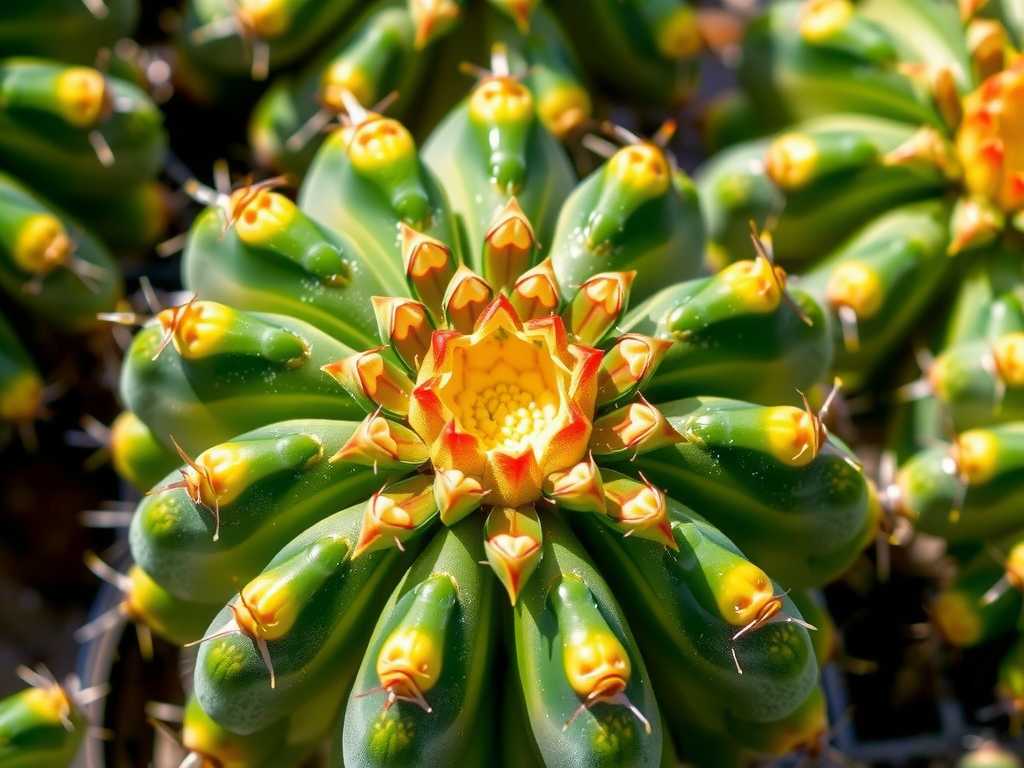
The Five-Pillar Framework for Identifying Medicinal Cacti
Forget memorizing hundreds of species. I developed a framework focusing on five immutable pillars. Cross-reference each, and you'll eliminate nearly all uncertainty.
1. Geographic Location and Habitat
A cactus in a Florida wetland is fundamentally different from one in an Arizona desert. Start here. Most revered medicinal cacti have specific native ranges.
- Prickly Pear (Opuntia spp.): Widespread across the Americas, often in dry, open areas. Naturalized in Mediterranean climates.
- San Pedro (Echinopsis pachanoi): Native to the Andes mountains, preferring high altitudes. Its cultivation has spread, but its morphology is distinct.
- Aloe Vera (Aloe barbadensis miller): Not a true cactus but often grouped here medicinally. Thrives in arid, frost-free regions. During my fieldwork, I used the USDA Plants Database and regional foraging guides to narrow possibilities before I even saw a plant.
2. Growth Form and Structure
Is it a tall, columnar cactus, a sprawling pad-forming cluster, or a solitary barrel? This is your first visual filter.
- Columnar Cacti (e.g., San Pedro): Have vertical, ribbed stems. Key for identifying columnar healing cacti is counting ribs and noting spine clusters.
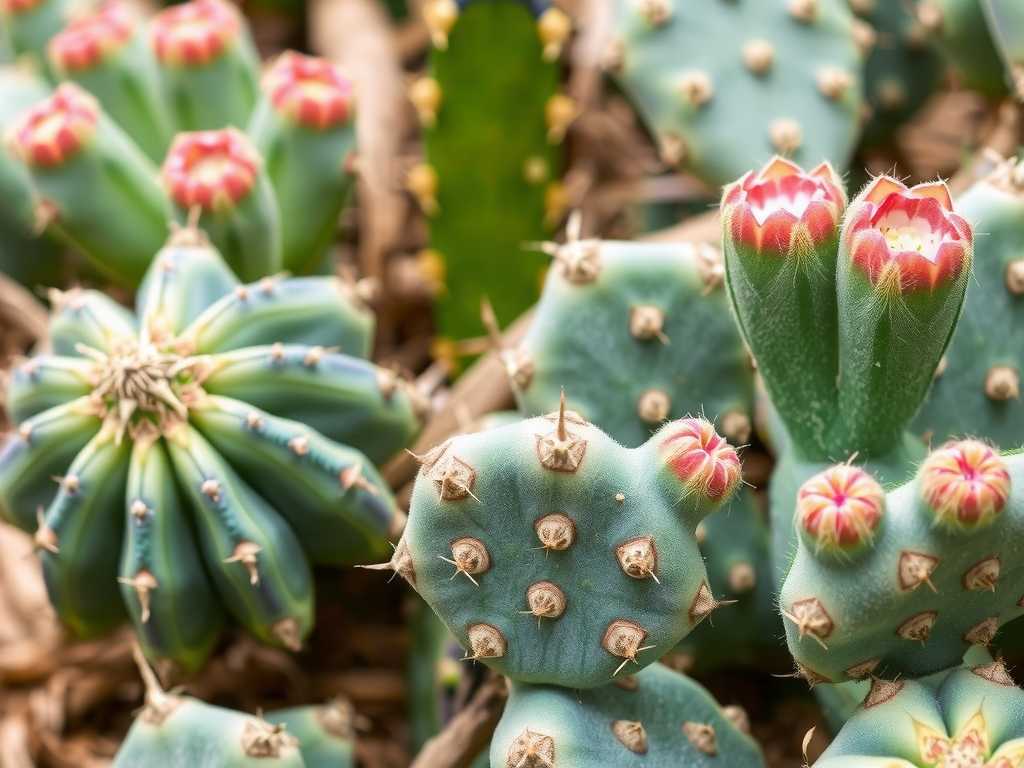
- Paddle/Pad Cacti (e.g., Prickly Pear): Characterized by flat, segmented pads (cladodes). Identification focuses on pad shape, glochid presence (those tiny, irritating hairs), and fruit.
- Barrel Cacti (e.g., Ferocactus): Often globe-shaped. Some have historical medicinal use but require extreme caution.
3. Areoles, Spines, and Glochids: The Fingerprint
The areole is the unique, cushion-like structure on a cactus from which spines, hairs, and flowers grow. Its pattern is a definitive ID tool.
- Observation: Are the areoles close or far apart? Are spines long and central, short and radial, or absent? Prickly pear cacti have areoles filled with barbed glochids, a crucial and annoying identifier!
- My Mistake: I once overlooked the dense, woolly areoles of an old Opuntia, focusing only on pad shape. When I went to handle it, my hands were full of glochids. Now, I always carry a magnifying glass and tweezers to inspect areoles safely.
4. Flowers and Fruit: The Confirming Evidence
Flowers offer the most precise identification. Color, shape, time of bloom, and subsequent fruit are lock-and-key.
- Prickly Pear: Produces vibrant, cup-shaped yellow, red, or purple flowers, leading to the edible "tuna" fruit.
- San Pedro: Blooms with large, fragrant, white, nocturnal flowers.
- Documentation: I keep a phenology journal noting when and how local species flower. This patience transforms guesswork into certainty.
5. Internal Characteristics (When Appropriate)
For some species, the inner flesh or sap is diagnostic. This is a secondary, confirmatory step only after a confident visual ID.
- Aloe Vera: Clear, mucilaginous gel inside leaves.
- True Cacti vs. Euphorbia: The "milky sap test" is critical. True cacti have clear or watery sap. Euphorbias exude a white, latex sap that is often toxic and a major identifier of cactus species for herbal use lookalikes. I test only on a tiny, inconsequential part of the plant and always wear gloves.
Case Study: Identifying and Harvesting Prickly Pear for a Two-Week Topical Remedy Trial
I decided to find, identify, and use Opuntia ficus-indica for a skin-soothing gel. My goal was using prickly pear cactus for skin health.
Week 1: The Hunt and Positive ID I scouted sunny, rocky slopes in my region (Pillar 1). I found a large cluster of flat, oval pads (Pillar 2). Inspection with gloves and magnifier revealed areoles with both long spines and clusters of brown glochids (Pillar 3). It was early summer, and the plant was in bloom, showing brilliant yellow flowers with red centers (Pillar 4). I cross-referenced with a local botanical guide. Confident it was Opuntia ficus-indica, I harvested two mature, unblemished pads using tongs and a sharp knife.
The "Catch": Even with care, a few glochids embedded in my thumb. My solution? I stopped, used sticky tape (duct tape works) to dab and pull them out, followed by a thorough wash. Never brush them off—it embeds them deeper.
Week 2: Preparation, Application, and Observation I used a fork to hold the pad over a flame for a few seconds to singe off glochids, then peeled the skin. The inner mucilage was clear and slippery. I blended it with a drop of vitamin E oil as a preservative.
- Days 1-7: Applied a thin layer to a patch of sun-irritated skin on my forearm twice daily. Noted an immediate cooling sensation. Redness visibly decreased by Day 4.
- Days 8-14: Continued application. The skin area was fully calmed, less dry, and appeared more hydrated than the surrounding skin. No adverse reactions. This hands-on trial, grounded in correct identification, validated the traditional use for me personally. The RHS (Royal Horticultural Society) database's notes on Opuntia morphology were invaluable for final confirmation.
Essential Safety and Ethical Foraging Protocols
- "When in Doubt, Throw it Out": Your golden rule.
- 100% ID Confidence: Use at least two authoritative field guides or apps. I recommend "iNaturalist" to get community input, but always verify.
- Sustainable Harvest: Never take more than 10% of a wild stand. For medicinal cacti, consider growing your own from cuttings—it's sustainable and ensures identity.
- Consult Experts: Connect with local botanical gardens, university extension services, or experienced herbalists. My mentorship with a local ethnobotanist cut my learning curve in half.
Common Questions from Fellow Enthusiasts
I found a cactus that looks like San Pedro, but I'm not sure. What's the safest next step? The safest step is to not consume or use it medicinally. Instead, document it thoroughly: take clear photos of the entire plant, its ribs, spines, and areoles. Post it to a dedicated plant identification forum or app, explicitly stating you are seeking a botanical ID, not discussing use. Grow it and wait for it to flower, which provides the definitive identification. Many columnar cacti look alike; patience is part of the practice.
Can I use the gel from any aloe plant I buy at a nursery for burns? Not necessarily. While many Aloe species have gel, Aloe vera (Aloe barbadensis miller) is most researched for skin health. Ornamental aloes may have thinner, more irritating gel. For home use, positively ID your plant as Aloe vera—look for serrated leaves with pale spots when young, and a yellow tubular flower spike. When buying, choose plants labeled with the full botanical name.
How do I preserve cactus material for later herbal use? Fresh gel (from Aloe or Prickly Pear) is best used immediately or frozen in ice cube trays. For drying pads or stems (like for teas or decoctions), slice thinly and use a food dehydrator at a low temperature (95-115°F) until completely brittle. Store in an airtight, dark glass container in a cool place. Label with the species name and date—another critical step in safe herbal practice.
Embarking on the path of using medicinal cacti is a rewarding fusion of botany, mindfulness, and self-reliance. It begins and ends with respectful, meticulous identification. By anchoring your process in the five pillars—location, form, areoles, flowers, and internal traits—you build knowledge that protects you and honors the plant. My two-week journey with the prickly pear was a small testament to this: the remedy worked because the identification was correct. Start slowly, prioritize safety over haste, and let the unique, spiny world of medicinal cacti reveal itself to you with clarity and confidence. The desert’s pharmacy is well-stocked, but its labels are written in the language of thorns, flowers, and form.





