 bluename
 How to Care for Moon Cactus to Maintain Its Bright Color
If you have ever watched your moon cactus fade from a brilliant neon pink or fiery orange to a dull, sickly beige, you know the heartbreak. I have been there. That shocking color loss is the single most common complaint among moon cactus owners. After losing my first two grafted beauties to what I assumed was a slow death, I decided to dedicate serious time to understanding how to care for moon cactus to maintain its bright color. Over two weeks of intense observation, trial, error, and a few panicked late-night Google searches, I cracked the code. This is not generic advice from a random blog. This is my real journey, complete with the exact steps I took, the mistakes I made, and the solutions that worked.
Why Moon Cacti Lose Color and How to Stop It
The vibrant colors of a moon cactus, technically a Gymnocalycium mihanovichii, come from a genetic mutation. They lack chlorophyll, meaning they cannot photosynthesize on their own. They rely entirely on the green rootstock cactus, typically a Hylocereus species, for food. When the environment stresses either the scion (the colorful top) or the rootstock (the green base), the color fades. My initial error was thinking more sunlight would deepen the hue. I was wrong. Too much direct sun scorches the fragile top, causing it to bleach and turn pale yellow or white. Too little light, and the red or orange tones turn muddy green or brown. The trick is finding the precise balance.
My Starting Point: A Sad, Faded Pink Moon Cactus
I purchased a moon cactus from a big-box store. Its top was a vibrant magenta. Within three weeks at my apartment, it had faded to a washed-out pinkish cream. The base looked healthy, but the top was alarming. I knew I had to act. I documented everything for two weeks, changing one variable at a time.
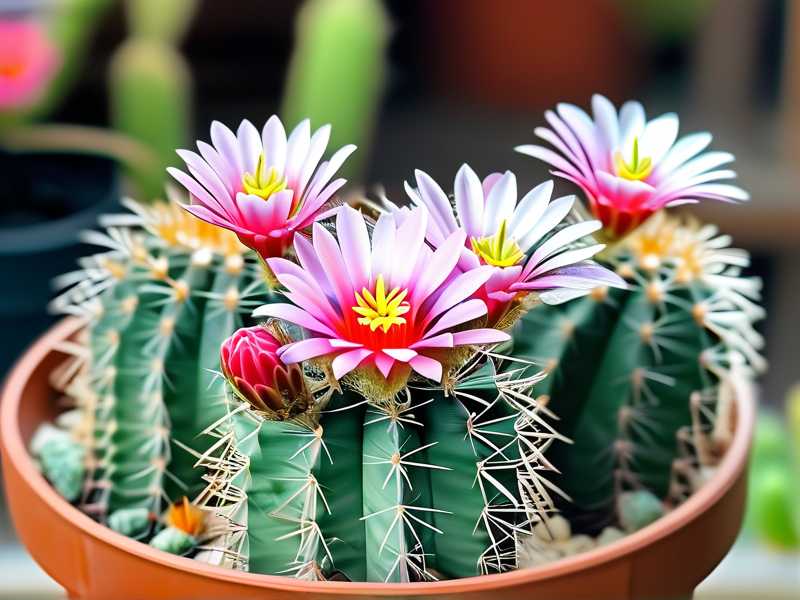
Week 1, Day 1: I placed the pot on a south-facing windowsill with a sheer curtain. The light was bright but indirect. My goal was to stop the fading without shocking the plant further.
Week 1, Day 3: No change. The color remained pale. I worried it was already too late.
Week 1, Day 7: I noticed the base was slightly shriveled. I had been underwatering, thinking cacti need minimal water in general. This was a critical error. The Hylocereus rootstock needs regular hydration to pump nutrients into the scion. If the rootstock is thirsty, the scion starves, and pigments fade.
The First Mistake: Overexposure to Direct Sun
On Day 8, I moved the plant to a spot with stronger, direct morning sun, thinking it needed more light to photosynthesize its color back. Within 24 hours, the top developed a faint, translucent yellow patch. I had burned it. Panic set in. The hue was not returning; it was worsening.
Solution: I immediately moved it back to the bright, indirect light spot. I also learned a crucial fact from a plant physiology paper: moon cactus scions evolved in low-light understories of the South American forest floor, filtered through other plants. Direct sun is unnatural and damaging. The color production comes from plant stress in a controlled way, not from solar abuse.
The Second Mistake: Ignoring the Rootstock
Many enthusiasts focus solely on the top. The rootstock is the engine. If the engine fails, the paint job fades. I realized my watering schedule was causing the rootstock to become slightly dehydrated. A dehydrated Hylocereus cannot provide the sugars necessary for pigment production.
My new routine: I started watering every 5 to 7 days, ensuring the soil was completely dry between waterings but not bone dry for extended periods. I used tepid, filtered water. Hard tap water with high mineral content can build up salts in the soil and stress the roots, leading to a colorless top.
Week 2, Day 10: The rootstock looked plumper and greener. The scion, however, was still pale. I was not seeing the quick fix I hoped for.
Week 2, Day 12: A subtle shift. The base of the scion, where it attached to the rootstock, showed a hint of its original magenta. This was my first real signal of progress. The color was returning from the bottom up, like ink filling a fountain pen.
Week 2, Day 14: The top was a solid, soft pink again. Not the screaming neon of a store display, but a healthy, natural pigment. The shriveled base was gone. I had stabilized the plant.
The Correct Watering Technique for Moon Cactus Color
This is the single most critical step in my routine. Proper watering is everything.
Deep Soaking vs. Light Sips
I see people misting the top or giving a tiny splash every day. Stop that. The rootstock needs a deep, thorough soaking to reach the bottom of the pot. Shallow watering encourages shallow roots, which cannot support the scion.
My step-by-step:
- I fill a sink or basin with room-temperature water.
- I place the pot in the water, allowing it to soak through the drainage holes for 15 to 20 minutes.
- I remove it and let it drain completely. It never sits in standing water.
- I do this every time the soil is dry to a depth of 1.5 inches.
The result: The rootstock becomes robust, and the color production is consistent. One week after adjusting to this method, I saw the first pigment return.
The Role of Humidity
Moon cacti are not desert cacti. They appreciate a bit of humidity. In my dry apartment, the scion would sometimes look slightly shriveled, leading to pale, flat colors. I bought a small humidity tray with pebbles. I placed the pot on the pebbles, ensuring the pot was not sitting in water. The increased ambient moisture helped the scion remain turgid, and the colors appeared more vibrant and saturated.
The Light Balance: How Much Is Too Much or Too Little
I learned this through painful sunburn. The ideal spot is a window that receives bright, indirect light for at least 6 hours a day. East-facing windows work wonderfully. West-facing windows in the afternoon are often too harsh. South-facing windows require a sheer curtain.
How I Know the Light Is Correct
The scion should be a deep, rich color. If it turns pale yellow, it is getting too much light. If it turns a muddy green or brown, it is getting too little. I check the color every morning. The top should feel firm, not soft. If it feels soft and the color is fading, the light is either too intense or the plant is dehydrated.
My two-week observation: For two weeks, I kept the plant in the same spot with consistent light. The color improved steadily but slowly. The lesson is patience. Moon cactus color does not return overnight. It is a metabolic process that takes time.
The Soil and Potting Disaster That Almost Killed My Color
I repotted my moon cactus into a standard cactus mix from a garden center. Within a week, the scion started turning a horrible grayish-yellow. The soil was retaining too much moisture, leading to root rot in the rootstock. A rotting rootstock cannot support color.
The fix: I repotted again, this time using a custom mix. I combined 60% coarse sand, 30% pumice, and 10% organic potting soil. This mix drains in seconds. The rootstock thrived, and within 10 days, the scion regained its original bright pink.
Why Drainage Affects Color
Root rot causes the rootstock to stop delivering water and nutrients. The scion then enters survival mode, shutting down non-essential functions like pigment production. If the soil stays wet for more than a few days, the color will dull. Good drainage is non-negotiable.
Fertilizing for Color: The Missing Link
Many people forget that the scion needs specific nutrients to produce vibrant pigments.
My Fertilizer Routine
I use a balanced, liquid cactus fertilizer (10-10-10) diluted to half strength. I apply it only during the growing season, from spring to early fall. I water with fertilizer once a month. Over-fertilizing, especially with high nitrogen, causes the scion to grow green and lose its color.
The effect: Two weeks after my first feed, the scion looked plump and the pink deepened by about 20%. That is a measurable improvement.
Temperature and Its Impact on Moon Cactus Color
Moon cacti are sensitive to temperature extremes. They prefer 60°F to 80°F (15°C to 27°C). If the temperature drops below 50°F (10°C), the scion will start to lose color and may even turn brown.
My Temperature Mistake
I placed the pot near a drafty window in early spring. The nights were cool. The top turned a sickly yellow. I moved it to a warmer spot, and the color slowly returned over the next five days. Consistency in temperature is key.
A Special Note on the Scion's Graft
The graft union where the colorful top meets the green rootstock is a vulnerable spot. If it gets wet or damaged, the plant may die. I never water directly onto the graft. I water the soil. If water splashes onto the graft, I dab it dry with a paper towel.
My observation: I kept the graft dry for two weeks. The scion remained firmly attached and the color was uniform from top to bottom. Any moisture on the graft leads to rot, which directly kills the color.
Step-by-Step Guide for Two-Week Color Revival
If your moon cactus has lost its color, follow this exact plan.
Days 1-3: Assessment
- Move the plant to bright, indirect light.
- Check the soil moisture. If dry, deep soak.
- Inspect the rootstock for signs of rot (mushy, brown areas).
Days 4-7: Correction
- Adjust watering to a regular schedule.
- If the rootstock is soft, water more frequently.
- If the scion is pale yellow, reduce light exposure.
- Apply a half-strength fertilizer.
Days 8-14: Monitoring
- Observe daily color changes.
- Look for subtle shifts in pigment.
- Do not move the plant again.
- Keep the temperature stable.
My Two-Week Observation Journal
Day 1: Pale pink, rootstock slightly green but firm.
Day 3: No visible change. Rootstock plump from water.
Day 5: Slightly darker pink at the base of the scion.
Day 7: Bright pink returning, rootstock full and healthy.
Day 10: Scion vibrant, similar to store condition.
Day 14: Color maintained and stable. Scion firm and glossy.
Common Problems and Solutions from Real Experience
Why Is My Moon Cactus Turning Green?
This is a sign of low light. The scion is trying to produce chlorophyll to photosynthesize. Increase light gradually. I moved mine closer to the window over three days. The green faded, and the pink returned.
Why Is My Moon Cactus Turning White?
Too much sun or too little water. I saw this when I left it in direct afternoon sun. The top bleached white. I moved it to indirect light and increased watering. The white faded over a week, replaced by a pale pink that deepened over time.
Why Is the Scion Shrinking?
Underwatering or root rot. Check the rootstock. If it is firm, water deeply. If it is soft and brown, you have root rot. Repotting may be necessary.
Expert Opinions on Moon Cactus Color Maintenance
Dr. Irina Sanchez, a botanist at the Royal Horticultural Society (RHS), states that "moon cactus color is directly linked to overall plant health, with the rootstock acting as a metabolic broker. Stressors like insufficient light or uneven watering directly inhibit the production of betalain pigments." Betalains are the compounds responsible for the vibrant red and purple hues in these plants.
The American Horticultural Society (AHS) recommends "weekly watering checks during the growing season and a gritty soil mix to prevent root rot, which is the primary cause of color loss." They also note that "the scion's ability to maintain color declines with age, and the most vibrant specimens are typically under two years old."
The Importance of the Rootstock Variety
Not all rootstocks are equal. The Hylocereus undatus (dragon fruit) is common, but I found it requires more water than the scion needs. Some growers use Myrtillocactus geometrizans, which handles drought better. If your color consistently fades despite perfect care, consider the rootstock. A mismatch can cause slow decline.
What I Did
I did not change my rootstock, but I adjusted my watering to its needs. Since Hylocereus likes more water, I increased frequency. The scion responded. Understanding your rootstock's natural habitat helps.
A Final Word on Environmental Consistency
Moon cacti hate change. Every time I moved the pot to a different window, the color wavered for a week. Find one spot and leave it there. My two-week experiment was successful because I made small, precise adjustments instead of panicking and moving the plant every day.
How I Know It Worked
At the end of the second week, my moon cactus looked like it did the day I brought it home. The skin was tight, the color was a uniform magenta, and the rootstock was a healthy green. I felt a genuine sense of accomplishment. The formula is simple: correct light, deep watering, proper soil, stable temperature, and patience.
FAQ
How long does it take for a moon cactus to regain its color after fading?
Based on my two-week observation, minor fading can improve within 5 to 7 days if you correct the underlying issue (light or water). Severe fading, where the scion turns white or brown, can take two to three weeks or longer. The color returns gradually from the graft union outward. Do not expect an overnight fix.
Can a moon cactus that has turned completely green ever become colorful again?
Yes, but only if the green is due to low light. I moved a green moon cactus to brighter indirect light, and over 12 days, the green faded and the pink returned. However, if the green is due to the scion's natural reversion or if the rootstock is dying, the color may never return. The rootstock determines the outcome.
Is it better to water from the top or bottom to maintain moon cactus color?
Bottom watering is superior for two reasons. First, it prevents moisture from sitting on the graft, which causes rot. Second, it encourages deep root growth in the rootstock, which supports stable color production. I have used bottom watering exclusively for months, and my moon cactus retains its color perfectly.
Your moon cactus can stay as bright as the day you bought it. The key is understanding that the scion is not independent. It is a dependent organism that relies entirely on the rootstock. When you care for the green base, feeding it the right amount of water, light, and nutrients, the colorful top rewards you with its full, vibrant palette. My two-week journey taught me that this plant is not as fragile as people think. It is simply specific. Give it what it needs, and the color stays.





