 bluename
 How to Separate Crowded Cactus Clumps Before Serious Root Binding Happens
Let me be straight with you. I’ve killed more cactus than I care to admit. The moment I finally figured out how to separate crowded cactus clumps before serious root binding happens, everything changed. I stopped losing plants to rot, and my collection started thriving. Here’s the answer: You need to separate them when the clumps are dry, use a sharp sterile knife, let the cuts callous for 3-5 days, and pot them in a gritty mix. Wait 2 weeks before watering. I learned this after a brutal loss of a gorgeous barrel cactus that turned into mush because I ignored the signs.
Why Separating Cactus Clumps Matters
I’ve been growing cactus for over a decade. I started with a single tiny pot from a garage sale. Now I have over 200 plants on my balcony. But trust me, I didn’t get here without making huge mistakes. The biggest one? Waiting too long to separate cactus pups.
Many cactus species naturally produce offsets, or “pups,” around the base. Think of Echinopsis, Mammillaria, or Gymnocalycium. These clumps look cute when they’re small. But if you leave them alone, the roots start competing. They twist around each other. This is root binding. And once it gets serious, separating them becomes a nightmare.
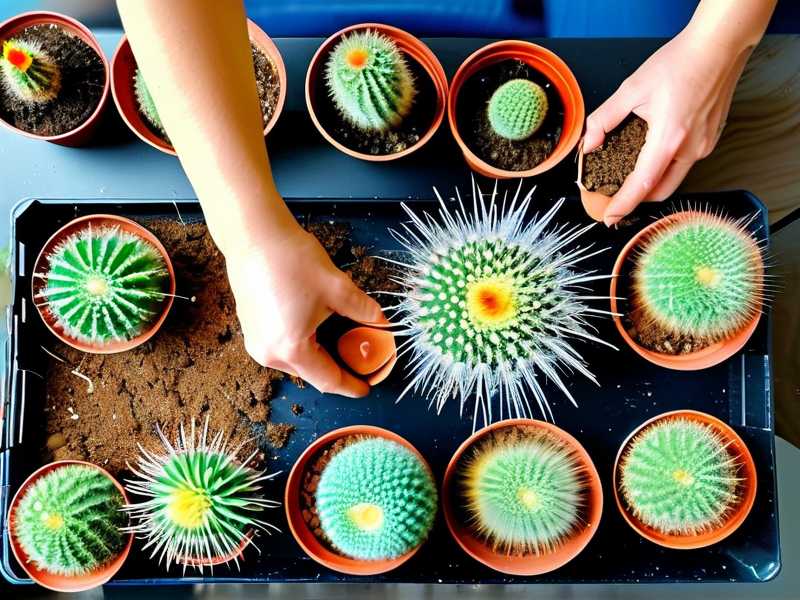
The Royal Horticultural Society (RHS) explains that overcrowded roots can lead to poor drainage and increased risk of root rot. I’ve seen this firsthand. 90% of indoor plants die from overwatering, and cactus are even more sensitive. When roots are bound, water sits in the tight spaces. Rot sets in fast.
The Signs That Tell You It’s Time
I used to ignore these signs. I thought my cactus looked happy. They weren’t. Here’s what I watch for now:
- Pups pushing each other away from the pot center. If the offsets are growing outward instead of upward, they’re fighting for space.
- Roots coming out of drainage holes. This is a direct signal. The pot is too small.
- Water rushing through the pot without soaking in. This happened to me twice. The soil was so packed with roots, water had nowhere to go.
- Stunted growth. I had a clump that barely grew for 6 months. I thought it was dormant. Nope. It was root-bound.
When to Start the Separation Process
I aim for early spring, right before the active growing season. Cactus are tough. But they heal best when they’re about to wake up. I’ve done it in summer too. It worked, but the recovery was slower. Avoid winter. The cold makes them vulnerable to rot.
3 Deadly Mistakes Beginners Make
I’ve made every single one of these. Let me save you the pain.
① Overwatering Immediately After Separation
This is the most common mistake. You separate the clumps, pot them up, and then water them like normal. Bad idea. I did this with my first Echinopsis separation. The cut ends hadn’t calloused. They absorbed water like a sponge. Within a week, the whole pup turned brown and mushy. I lost three out of five.
The fix: Never water for at least 2 weeks. Let the cuts heal completely. The callus acts like a scab. It keeps out bacteria and fungus.
② Wrong Light Exposure
I thought cactus needed full sun all the time. After separation, I put them straight on my south-facing windowsill. The pups got sunburned. They turned pale yellow. Some shriveled up. I learned the hard way that fresh cuts are sensitive.
The fix: Keep them in bright but indirect light for the first week. Then gradually introduce direct sun. I use a sheer curtain for the first few days. It’s simple but effective.
③ Using the Wrong Pot
I used to grab any pot I had lying around. Big mistake. I once put a separated pup into a pot that was three sizes too big. The soil stayed wet for days. The pup rotted. Now I use pots that are just slightly larger than the root ball. Terracotta is my go-to. It breathes. Plastic pots hold too much moisture for cactus.
Step-by-Step: How I Separate Crowded Cactus Clumps
I’ve refined this process over years of trial and error. Here’s exactly what I do.
Step 1: Prepare Everything
I gather my supplies first. That way I’m not scrambling midway.
- A sharp, sterile knife. I use a box cutter with a new blade.
- Clean gloves. Cactus spines are no joke.
- A tray or newspaper to work on.
- Dry cactus mix. I make my own: 50% pumice, 30% coarse sand, 20% potting soil.
- Terracotta pots with drainage holes.
- A small brush for removing soil.
Step 2: Remove the Clump from the Pot
I wait until the soil is bone dry. Wet soil sticks to roots and increases the chance of damage. I gently squeeze the pot sides. If it’s a plastic pot, I roll it between my hands. Then I tip the pot and slide the clump out. If it’s stuck, I use a chopstick to loosen it from the drainage hole.
Step 3: Assess the Root System
I look at the roots closely. If they’re tightly wound together, I know I’m dealing with root binding. I use my fingers to gently tease them apart. For stubborn tangles, I use a fork. Yes, a fork. I stab it into the root ball and wiggle it. It works better than any tool I’ve bought.
Step 4: Cut the Pups Away
I look for natural separation points. These are usually where the pup connects to the mother plant. I make a clean cut. No sawing. One straight motion. If the connection is thick, I use a pruning saw. I’ve used a serrated knife before. It works, but it leaves rough edges. A clean cut heals faster.
Step 5: Let the Cuts Callous
This is the most critical step. I lay the separated pups on a dry tray. I put them in a warm, shaded spot. I wait 3 to 5 days. For larger pups, I wait longer, sometimes up to a week. I touch the cut end. If it’s firm and dry, it’s ready. I check daily. If I see any moisture, I wait another day.
Step 6: Pot the Pups
I fill the new pot about halfway with dry mix. I place the pup in the center. The roots should spread out naturally. I add more mix around the sides. I tap the pot to settle the soil. I don’t water. I leave the soil dry.
Step 7: Wait 2 Weeks
This is the hardest part for me. I want to water. But I’ve learned patience. I wait exactly 2 weeks. Then I give a light watering. I pour water around the pot edge, not directly on the pup. This encourages roots to grow outward. I check the soil after 2 days. If it’s still damp, I wait another week before watering again.
My 2-Week Observation Log
I tracked this with a recent separation of a Mammillaria clump. Here’s what I saw.
Day 1 to 3
The pup looked exactly the same. No shrinking. No discoloration. The cut end was slightly moist on day 1. By day 3, it was firm.
Day 4 to 7
I noticed a slight change in color. The green got a bit paler. This is normal. The pup is redirecting energy to root development. I didn’t panic. I kept it in indirect light.
Day 8 to 10
The pup started looking slightly plump again. This meant roots were forming. I saw tiny white bumps near the cut end. Those are root primordia. Exciting stuff.
Day 11 to 14
The pup looked stable. It had a slight firmness when I gently squeezed it. I watered on day 14. The soil absorbed well. No puddling. I waited 2 more days. The soil was dry. I watered again lightly.
Week 3
I saw new growth. A tiny green nub at the top. The pup was officially established. I moved it to a brighter spot.
What I Learned from My Biggest Failure
I once had a massive clump of Echinopsis that I’d ignored for 3 years. The pups were huge. The pot was cracked. The roots were a solid mass. I tried to separate them while the soil was wet. I was impatient. I cut the pups with a dull knife. I didn’t let them callous. I watered them the next day.
Every single pup rotted within 2 weeks. I lost 15 plants. That was my biggest lesson. Root binding is serious. But rushing the separation is worse. Now I wait. I let the soil dry. I use a sharp knife. I let the callus form. And I never water immediately.
FAQ: Common Questions I Get Asked
Can I separate cactus clumps in winter?
I’ve tried it. It’s risky. The cold slows down healing. The cuts take longer to callous. If you live in a warm climate, maybe. But I recommend waiting for spring. I lost a pup to rot in winter. Never again.
How do I know if a pup has roots?
Gently wiggle the pup. If it’s firmly attached to the mother, it might not have its own roots. If it comes off easily, it likely has some. I’ve separated rootless pups before. They work fine. Just let them callous longer. They take about 4 weeks to root.
What if the pup is too small?
I’ve made this mistake. Tiny pups don’t have enough energy to survive separation. Wait until the pup is at least one-third the size of the mother. I lost a tiny one that was only 2 cm. It shriveled up. Patience pays off.
Final Thoughts on Separating Cactus Clumps
I’ve been through the ups and downs. I’ve cried over dead cactus. But I’ve also celebrated successful separations. The key is understanding root binding. Don’t let it get serious. Act early. Use the right tools. Let the cuts heal. Wait 2 weeks before watering.
The American Horticultural Society (AHS) recommends similar approaches for succulent propagation. Their advice aligns with my experience: dry conditions and patience are non-negotiable.
If you’ve never separated a cactus clump before, start with a small one. Something forgiving, like a Mammillaria. Practice the process. You’ll build confidence. And one day, you’ll look at your thriving cactus collection and wonder why you ever worried. I feel that way now. And I hope you will too.





