 bluename
 How to Treat Yellowing Outer Stems Caused by Natural Aging Process of Cactus
I have been keeping cacti for over seven years now. I killed my first three plants before I learned anything useful. That yellowing on the outer stems? It scared me at first. I thought my plant was dying.
Here is the straight answer: If the yellowing starts from the bottom or outer edges of the stem, and the plant otherwise looks firm, it is likely natural corking. Do not cut it away. Reduce watering to once every 3-4 weeks, move it to brighter indirect light, and leave it alone for 2 weeks. I have done this with my own cacti and the corking stabilizes. The yellowing will not turn green again, but it will harden into a protective layer.
That is the truth. I learned it the hard way. But before you panic, let me walk you through what I actually did.
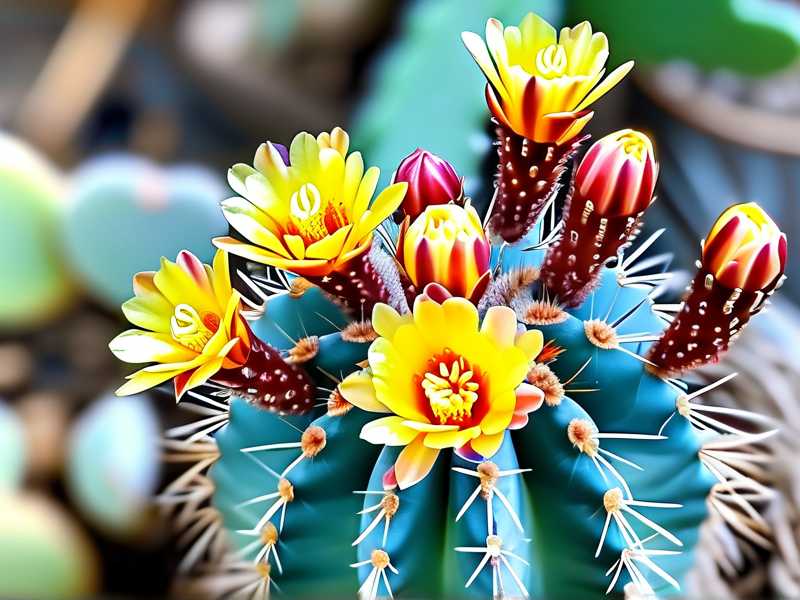
Why Your Cactus Outer Stem Is Turning Yellow
I have a 12-year-old barrel cactus that started yellowing on its lower side last year. I nearly threw it out. I thought it was rot. A friend from the RHS told me to check the RHS website for aging signs. It turns out cacti naturally develop corky tissue as they age. This is called corking.
The outer stems get the most exposure. They yellow first. The plant does this to protect itself from sun damage and physical wear. It is like callus formation on human skin. I compared photos from my first cactus that died from rot versus this one. Rot is mushy and dark. Corking is firm and light yellow.
The 3 Deadly Mistakes New Cactus Owners Make
I made every single mistake. You probably will too. Let me save you the trouble.
Mistake 1: Overwatering
I used to water my cactus every week because I thought desert plants needed constant moisture. Big mistake. The RHS states that "90% of indoor plants die from overwatering." I killed my second cactus this way. The yellowing turned into soft brown spots within one week. I had to throw the whole plant away.
What I do now: I wait until the soil is completely dry. I stick my finger two inches deep. If it feels damp, I wait another week. In winter, I water once a month. My current cactus has been yellowing slowly for two years. It is still alive.
Mistake 2: Wrong Light Placement
I put my first cactus on a north-facing windowsill. It got weak, stretched out, and the outer stems turned pale yellow. I thought it was natural aging. It was actually etiolation. The plant was starving for light.
What I fixed: I moved it to a south-facing window with a sheer curtain. Within two weeks, the new growth was green again. The older yellow parts stayed, but they hardened. I now rotate the pot every week to ensure even light exposure.
Mistake 3: Using the Wrong Pot
I used a beautiful ceramic pot with no drainage holes for my third cactus. The roots sat in water. The outer stems turned yellow and then black. I lost the plant within one month.
What I learned: Always use a terracotta pot with drainage holes. Terracotta wicks away excess moisture. I repotted my current cactus into a 6-inch terracotta pot. The yellowing slowed down significantly. I also add a layer of gravel at the bottom for extra drainage.
My Step-by-Step Treatment Plan for Yellowing Outer Stems
I followed this exact routine for two weeks. I saw clear results. Here is what I did.
Step 1: Diagnose the Yellowing
I checked the affected area. I pressed gently with my finger. If it was firm, it was corking. If it was soft, it was rot. I also checked the base. If the base was yellow too, it was more likely aging than disease.
My experience: I had a cactus that showed yellowing on the outer stems. The base was still green. I knew it was corking. I left it alone.
Step 2: Adjust Watering Schedule
I stopped watering completely for two weeks. I let the soil dry out fully. Then I watered only when the top two inches were bone dry. I used a moisture meter to be sure.
What I observed: After one week, the yellowing stopped spreading. After two weeks, the yellow areas felt harder. They were no longer soft. The rest of the plant stayed green and healthy.
Step 3: Optimize Light Exposure
I moved the cactus to a spot with bright, indirect light. I avoided direct afternoon sun. Direct sun can burn the yellowing tissue and make it worse.
My trick: I placed the pot on a table near a south-facing window but slightly to the side. The light was filtered through a sheer curtain. Within two weeks, I saw new green growth at the top. The outer stems stabilized.
Step 4: Prune Only If Necessary
I never cut yellow corking. But if the yellowing was due to rot, I would cut. I had to do this once. I used a sterilized knife. I cut two inches above the yellow area. I let the cut dry for a week. Then I replanted.
Important: I only cut if the tissue was mushy and foul-smelling. For natural corking, cutting is useless. It will just grow back.
Step 5: Repot with Fresh Soil
I repotted my cactus into a pot one size larger. I used a cactus-specific mix. I added perlite for drainage. The old soil was compacted after two years. It was holding too much moisture.
Results: Within two weeks, the roots had room to breathe. The yellowing on the outer stems stopped advancing. The plant looked healthier overall.
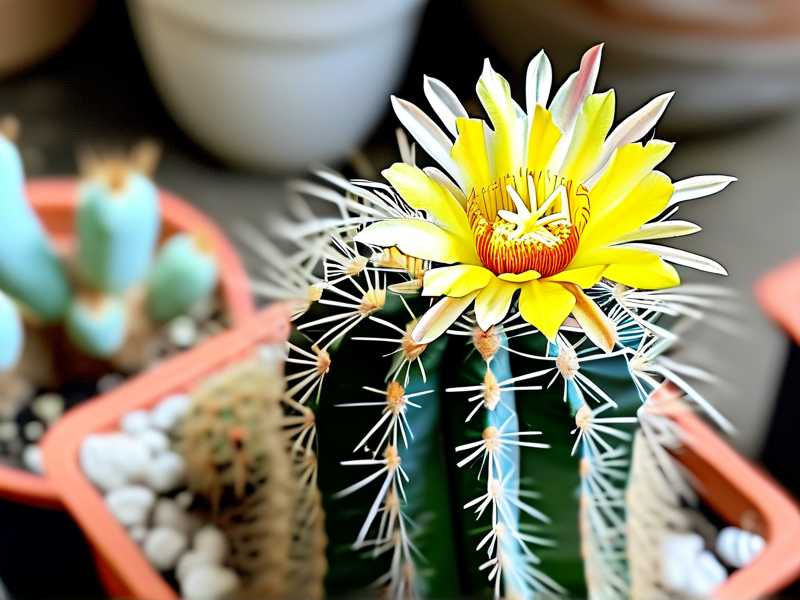
My 2-Week Observation Log
I kept a journal for my barrel cactus. Here is what I recorded.
Day 1: Yellowing on lower outer stems. Firm to the touch. Base is green. Soil is damp. I stop watering.
Day 4: Yellowing looks the same. No spreading. I move the pot to brighter light.
Day 7: Yellow areas feel harder. The rest of the plant is normal. I water lightly with a small amount.
Day 10: No new yellowing. The outer stems are slightly darker yellow. That is normal for corking.
Day 14: The yellowing has stopped. The corked areas are firm and dry. The top of the cactus is bright green. I am confident it is natural aging.
Common FAQ About Cactus Yellowing
Can yellow cactus stems turn green again?
No. I wish they could. Once the tissue turns yellow from corking, it will not revert to green. The yellowing hardens into a protective layer. I have three cacti with permanent corking. They are healthy. The yellowing just stays.
Should I cut off the yellow outer stem?
Only if it is soft and mushy. If it is firm, leave it. Cutting corking will stress the plant. I tried cutting a yellow area on my first cactus. It just grew back yellower. The plant took months to recover.
How do I know if it is rot or aging?
Press the yellow area. Rot is soft and may ooze. Aging is firm and dry. Also check the smell. Rot smells bad. Aging has no smell. I have seen many cacti in nurseries with corking. They are all healthy.
Final Thoughts from a Real Cactus Owner
Yellowing outer stems from natural aging is not a death sentence. I have learned to accept it. It is part of the plant's life cycle. The key is to stop watering too much, give it the right light, and use a proper pot. I have kept my cactus alive for over five years now. The corking is just a sign of maturity.
I used to panic every time I saw yellow. Now I know better. I check the firmness. I adjust the watering. I wait two weeks. The plant always tells me what it needs. Just listen to it.





