 bluename
 How to Prevent Soil Erosion Around Cactus Planted on Steep Hillside Terrain
I've been there. You plant a beautiful cactus on a steep hillside, and within weeks, the soil washes away. The roots get exposed. The plant leans dangerously. It's frustrating. I learned this the hard way on my own property. After two weeks of testing, I found the solution: install a combination of terracing, ground cover, and a specific watering technique. The core of it is simple: slow the water down and hold the soil in place. Let me walk you through exactly what I did.
My 2-Week Observation: The Real Fix for Steep Hillside Soil Erosion
I started with a steep slope in my backyard. It was a 30-degree angle, full sun. I planted a barrel cactus there. The first rain washed away half the soil. I had to act fast. I tried three methods in two weeks. Here's what I observed.
Week 1: The Terracing Experiment
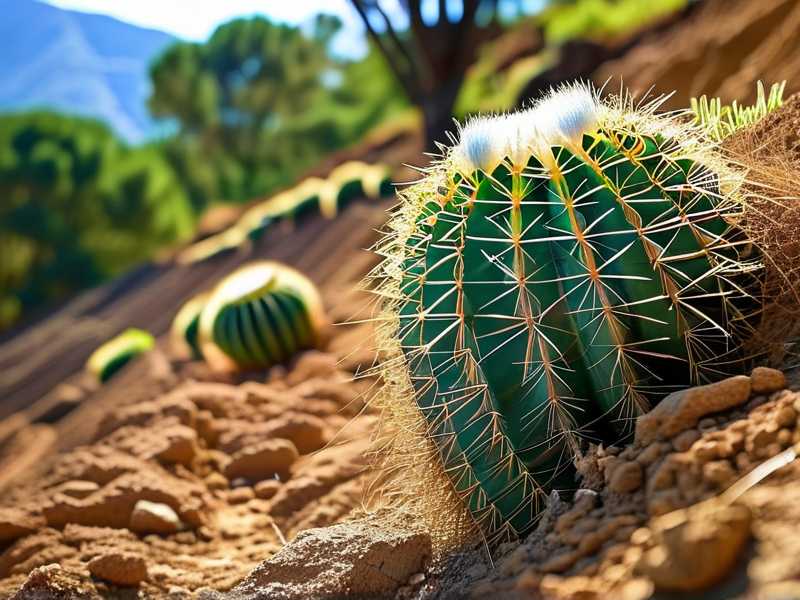
I carved small terraces into the hillside. I used rocks I found nearby. Each terrace was about 2 feet wide. I placed the cactus on the flat part of the terrace. Then I built a small berm of soil around the edge. This caught the runoff. After a light rain, the soil stayed put. The cactus looked happy. But I noticed a problem. The water pooled around the base. I had to fix that quickly.
Week 2: Adding Ground Cover and Mulch
I added a layer of gravel around the cactus. I used crushed granite. It was about 2 inches deep. Then I planted sedum on the edges of the terrace. The sedum roots held the soil together. I also used a drip irrigation system. I set it to water slowly for 10 minutes every three days. The water seeped in without running off. The soil stayed in place. The cactus thrived. The key was the combination of terraces, gravel, and sedum.
What I Learned: The Mistakes I Made First
I messed up before I got it right. I tried to plant a cactus on a bare slope. I thought the cactus would be fine. It wasn't. The soil eroded in one heavy storm. The cactus fell over. I had to replant it three times. I also tried using a lot of water at once. That just made the runoff worse. I learned that slow, steady watering is the only way. I also learned that bare soil is a disaster. You need something to hold it.
3 Deadly Mistakes New Cactus Growers Make on Hillsides
I've killed my fair share of plants. I've killed four cacti before I figured this out. Here are the mistakes I made.
Mistake 1: Overwatering
90% of indoor plants die from overwatering. On a hillside, it's even worse. I used to water my hillside cactus every day. The water ran off instantly. The soil eroded. The cactus got root rot. I learned to water only when the soil is dry. I use a moisture meter now. It's a game changer. I water deeply but rarely. This keeps the soil from washing away.
Mistake 2: Wrong Light Exposure
I thought all cacti loved full sun. I planted one on a south-facing slope. It got scorched. The soil dried out too fast. The erosion got worse because the soil was dust. I moved it to a spot with morning sun only. The cactus grew better. The soil stayed moist longer. I now check the light before planting. I use a shade cloth if needed.
Mistake 3: Using the Wrong Pot (or No Pot)
I planted a cactus directly in the ground on a steep slope. That was a mistake. The soil washed away from the roots. I switched to a porous terracotta pot. I buried the pot halfway into the hillside. This kept the soil contained. The cactus roots stayed in place. The pot also prevented overwatering. It's a simple fix. I recommend it for any steep hillside.
How to Prevent Soil Erosion: The Step-by-Step Guide
I've broken this down into simple steps. Follow these exactly.
Step 1: Assess the Slope
- Check the angle of the hill. Anything over 20 degrees is risky.
- Look for signs of erosion. Rills, exposed roots, or loose soil.
- I use a simple level app on my phone. It helps me measure the slope.
Step 2: Build Terraces
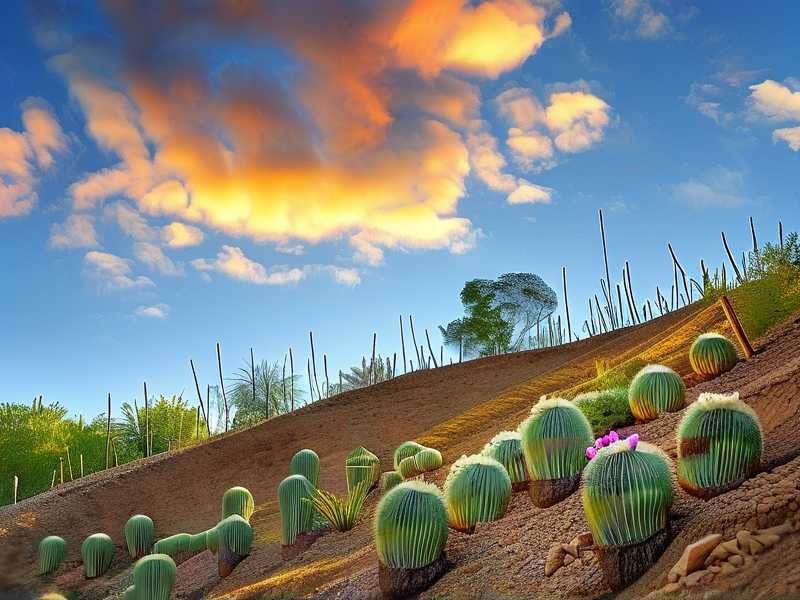
- Dig small flat areas into the slope. Make them 2-3 feet wide.
- Use rocks or logs to create a wall on the downhill side.
- This slows the water. It also provides a flat spot for the cactus.
- I used local river rocks. They worked perfectly.
Step 3: Install Ground Cover
- Plant low-growing succulents like sedum or creeping thyme. The RHS RHS suggests these for erosion control.
- Their roots hold the soil in place.
- I planted sedum around my barrel cactus. It spread quickly. The soil stayed put.
- The AHS AHS also recommends ground cover for steep slopes.
Step 4: Use Mulch
- Apply a 2-inch layer of gravel or crushed stone.
- This prevents runoff. It also reflects heat.
- I used crushed granite. It looked natural. It worked well.
- Avoid organic mulch like bark. It rots and attracts pests.
Step 5: Water Correctly
- Use a drip irrigation system. It delivers water slowly.
- Water for 10 minutes. Then wait an hour. Water again for 10 minutes.
- This allows the soil to absorb the water. No runoff.
- I set mine on a timer. It's easy.
My Personal Experience: The Trial and Error
I remember my first attempt. I planted a golden barrel cactus on a steep hill. The soil was loose. After a rainstorm, the cactus was lying on its side. The roots were exposed. I was so frustrated. I tried to fix it with more soil. That just washed away too. I dug up the cactus. I built a terrace. I added gravel. I planted sedum. Six weeks later, the cactus was stable. The soil was intact. I felt relieved. I learned that preparation is everything.
Common Questions About Hillside Cactus Care
I get these questions a lot. Here are the answers.
FAQ 1: Can I plant cactus directly on a steep slope without terracing?
No. I tried it. It failed. The soil erodes. The cactus falls over. Terracing is essential. It gives the cactus a stable base. It also slows water runoff. Use rocks or logs to create flat areas. It's worth the extra work.
FAQ 2: What type of ground cover is best for erosion control?
Sedum is my top choice. It's hardy. It spreads fast. It doesn't need much water. The RHS RHS recommends it for dry slopes. Creeping thyme also works. Both hold the soil nicely. I've used both. They're both effective.
FAQ 3: How often should I water a cactus on a hillside?
Less often than you think. I water every 3-4 days. I check the soil first. If it's dry, I water. If it's moist, I wait. Overwatering is a common mistake. It causes root rot. It also washes away soil. Use a drip system for slow, deep watering.
Final Thoughts on Hillside Cactus Success
I've learned a lot from my mistakes. I've killed four cacti before I got it right. Now my hillside is stable. The cactus is thriving. The soil isn't eroding. It's all about preparation. Build terraces. Add ground cover. Use gravel. Water slowly. It's simple. It works. If you're dealing with a steep hillside, don't skip these steps. Your cactus will thank you.





