 bluename
 How to Propagate Cactus Offsets Right After Wound Surfaces Fully Callus Over
I’ve killed more cacti than I care to admit. My first attempt at propagating offsets ended with a rotting mess. I learned the hard way that timing matters. Here’s the straight answer: wait for the wound surface to fully callus over—this usually takes 3 to 7 days depending on humidity and temperature. Then place the offset on dry, well-draining soil. Don’t water for at least two weeks. That’s the secret. Skip this, and you’ll lose your plant.
Why Callusing Is Non-Negotiable
I used to think I could just snap off an offset and stick it in dirt. Big mistake. The wound is an open door for bacteria and fungi. The RHS explains that callusing forms a protective layer. It’s like a scab for your cactus. Without it, moisture seeps in and rot starts. I’ve seen it happen overnight. A healthy offset turned brown and mushy within 48 hours. That’s why I now wait until the cut surface is dry and hard to the touch.
I once tried to speed things up by placing an offset in direct sun. Bad idea. The sun dried out the outer layer but left the inner tissue wet. The result? A shriveled mess. Patience is everything. I set my offsets on a paper towel in a bright, shaded spot. I check them daily. Once the wound looks like a callus—pale, firm, and slightly sunken—I know it’s ready.
3 Deadly Mistakes Beginners Make (Including Me)
① Overwatering: The Number One Killer
I can’t say this enough: 90% of indoor plants die from overwatering. Cacti are no exception. When I first started, I watered my offsets every few days. I thought they needed moisture to root. Instead, they rotted. The soil stayed wet, and the callus never formed properly. I lost three offsets in one week.
The fix is simple. Don’t water for at least two weeks after planting. Let the offset settle. I’ve learned to touch the soil before watering. If it feels damp, I wait. This single change saved my sanity.
② Light Placement: Too Much or Too Little
I placed a freshly planted offset on my windowsill. Full sun, I thought. That’s what cacti love, right? Wrong. The offset got sunburned. The skin turned yellow and wrinkled. I moved it to a spot with bright, indirect light. That worked better. The plant slowly adjusted.
I’ve also tried low light. That’s worse. Offsets stretch out, looking pale and weak. They’re called etiolation. The AHS notes that cacti need at least 6 hours of indirect light daily. I use a north-facing window now. It’s perfect. No burns, no stretching.
③ Wrong Pot Choice: Drainage Matters
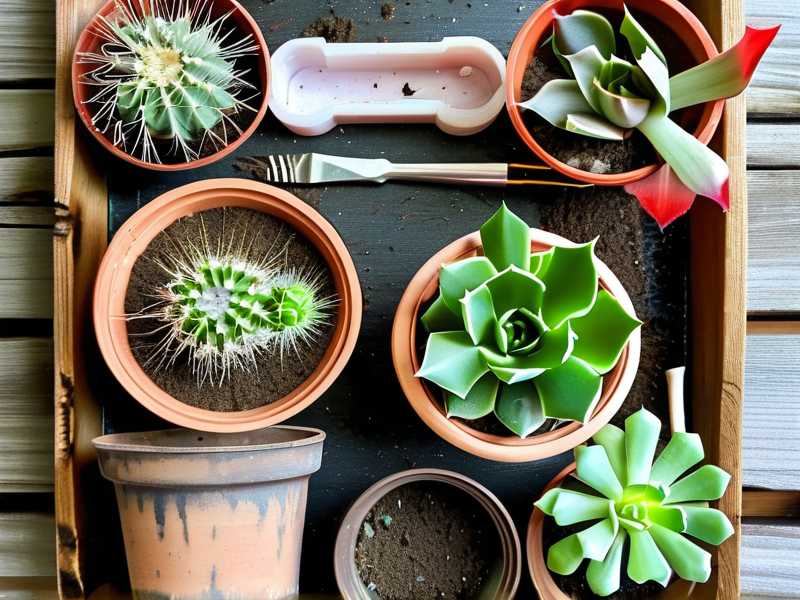
I used a pretty ceramic pot without drainage holes. Big mistake. Water pooled at the bottom. The offset sat in moisture. Within a week, the base turned black. The plant died. I now use terracotta pots. They’re porous and let soil dry faster. Every pot must have a drainage hole. I even add a layer of gravel at the bottom for extra safety.
My Step-by-Step Process for Propagating Offsets
I’ve refined this method over two years. It works every time. Here’s what I do.
Step 1: Select the Offset
I look for offsets that are at least one-third the size of the mother plant. Small ones lack energy. I gently twist them off. If they don’t come off easily, I use a sterilized knife. I cut cleanly. No jagged edges.
Step 2: Callus the Wound
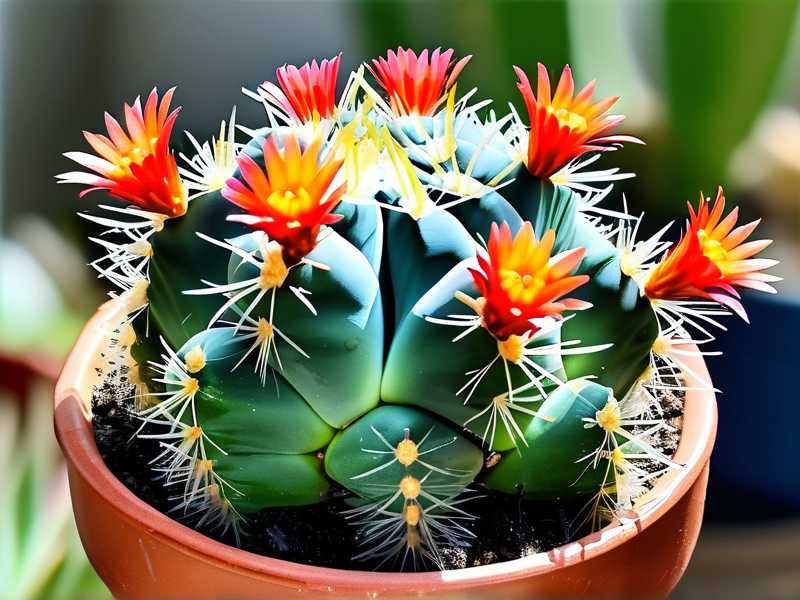
I place the offset on a dry surface. A paper towel or mesh tray works. I keep it in a spot with good airflow. No direct sun. I wait 5 to 7 days. The exact time depends on humidity. In summer, it’s faster. In winter, it takes longer. I check the wound daily. When it’s dry and hard, it’s ready.
Step 3: Prepare the Pot and Soil
I use a 4-inch terracotta pot with drainage holes. The soil mix is key. I blend 2 parts potting soil with 1 part perlite and 1 part coarse sand. This drains fast. I fill the pot, leaving an inch of space at the top.
Step 4: Plant the Offset
I place the offset on top of the soil. I don’t bury it deep. Just enough to keep it upright. The callus should sit above the soil line. I press the soil gently around the base. No watering.
Step 5: Wait and Observe
For the next two weeks, I do nothing. I check the offset every few days. I look for signs of rooting. Sometimes, I see tiny roots at the base. Other times, the offset stays still. That’s normal. I resist the urge to water. I’ve learned that watering too early is the fastest way to fail.
My 2-Week Observation Results
I started this process with a batch of offsets from a barrel cactus. Here’s what happened.
Day 1 to Day 3: Callusing
The wounds looked fresh. I kept them in a shaded spot. By day 3, the surfaces were dry. No signs of rot. I was relieved.
Day 4 to Day 7: Planting
I planted the offsets on day 5. The soil was dry. I placed them in bright, indirect light. The room temperature was around 70°F. No changes yet.
Day 8 to Day 10: Rooting Begins
On day 9, I noticed a white root tip on one offset. It was tiny. I didn’t water. The soil was still dry. I saw no signs of stress.
Day 11 to Day 14: First Watering
On day 14, I gave a light watering. I used a spray bottle. I moistened the top inch of soil. The offsets looked firm. No rot. The roots were visible. I felt confident.
Common Issues I’ve Faced and Fixed
Rot After Planting
I had an offset that turned brown after a week. I dug it up. The base was mushy. I had watered too early. I cut off the rot, recalled the offset, and started over. It worked the second time.
No Roots After 3 Weeks
Sometimes offsets take longer. I’ve waited 5 weeks. The trick is to be patient. I check the soil moisture. If it’s still dry, I wait. Don’t water. Roots will come eventually.
Sunburn on New Leaves
I placed a pot in direct sun too soon. The leaves turned white. I moved it to shade. It recovered in a month. Now I introduce light gradually.
FAQ: Quick Answers to Common Questions
Q: How long does it take for an offset to root? A: Usually 2 to 4 weeks. Some take longer. Don’t water until you see roots.
Q: Can I propagate offsets in water? A: No. Cacti rot in water. Always use soil. Callus first, then plant.
Q: What if the offset shrivels after planting? A: That’s normal. It’s using stored energy. Don’t water. It will plump up once roots form.
Final Thoughts on Propagating Offsets
I’ve made every mistake you can imagine. But I’ve learned. The key is patience. Wait for the callus. Don’t water. Use the right pot. Follow these steps, and you’ll succeed. I’ve propagated dozens of offsets now. Each one feels like a small victory. You can do this too.





