 bluename
 How to Choose the Right Cactus Species for Small Balconies
My small balcony used to be a sad, empty space. I dreamed of a green, vibrant oasis, but the harsh sun, limited square footage, and my own busy schedule made it seem impossible. I assumed all cacti were the same—unkillable plants that just sat there. I was wrong. After bringing home a few random succulents only to watch them stretch out, rot, or simply look out of place, I realized there was an art to this. Choosing the right cactus species for a small balcony isn't just about grabbing what looks cute; it's about matching a plant's needs to your specific environment and lifestyle. This guide is the result of my own two-week experiment, the mistakes I made, and the clear, thriving success I finally achieved.
Understanding Your Balcony's Microclimate
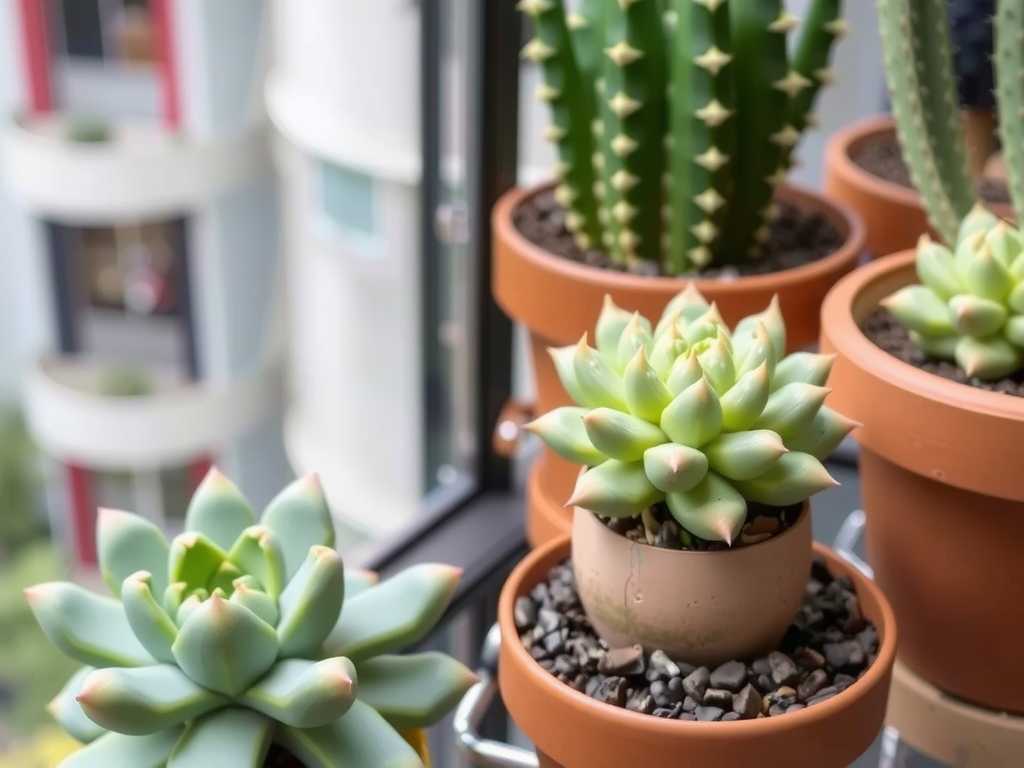
Before you fall in love with a particular cactus, you need to have a serious conversation with your balcony. Its conditions are non-negotiable.
Sunlight: The Non-Negotiable Factor Cacti crave light, but "bright light" isn't one-size-fits-all. I spent a week meticulously tracking the light on my 30-square-foot south-facing balcony. From 10 AM to 4 PM, it gets brutal, direct, unfiltered sun. A north-facing balcony, by contrast, might only get gentle indirect light. The Royal Horticultural Society (RHS) emphasizes that most desert cacti require at least 4-6 hours of direct sunlight daily to maintain compact, healthy growth and encourage flowering. My initial failure was putting a Gymnocalycium, which prefers some afternoon shade, in the hottest spot. It bleached and stressed within days.
Space and Scale: Thinking Vertically Floor space is precious. I quickly learned to look up. Wall-mounted shelves, hanging pots, and tall, narrow planters became my best friends. The goal is to select species whose mature size and growth habit complement your space, not overwhelm it. A sprawling Opuntia (Prickly Pear) might be a terrible choice, while a columnar Cleistocactus or a clustering Mammillaria can add height and texture without eating up your floor.
Seasonal Considerations Your balcony is not a static environment. In my climate, summer brings intense sun and occasional heavy rain, while winter brings chilly nights. The American Horticultural Society (AHA) publishes plant heat-zone maps that are incredibly useful. I had to consider: Can I provide winter protection (like moving plants slightly indoors or using frost cloth), or do I need species that are cold-hardy enough to stay out year-round? This directly influences your species shortlist.
Top Cactus Species for Compact Balcony Gardens
Based on my research and hands-on testing, here are the champions that thrived on my balcony. These selections balance aesthetics, manageability, and resilience.
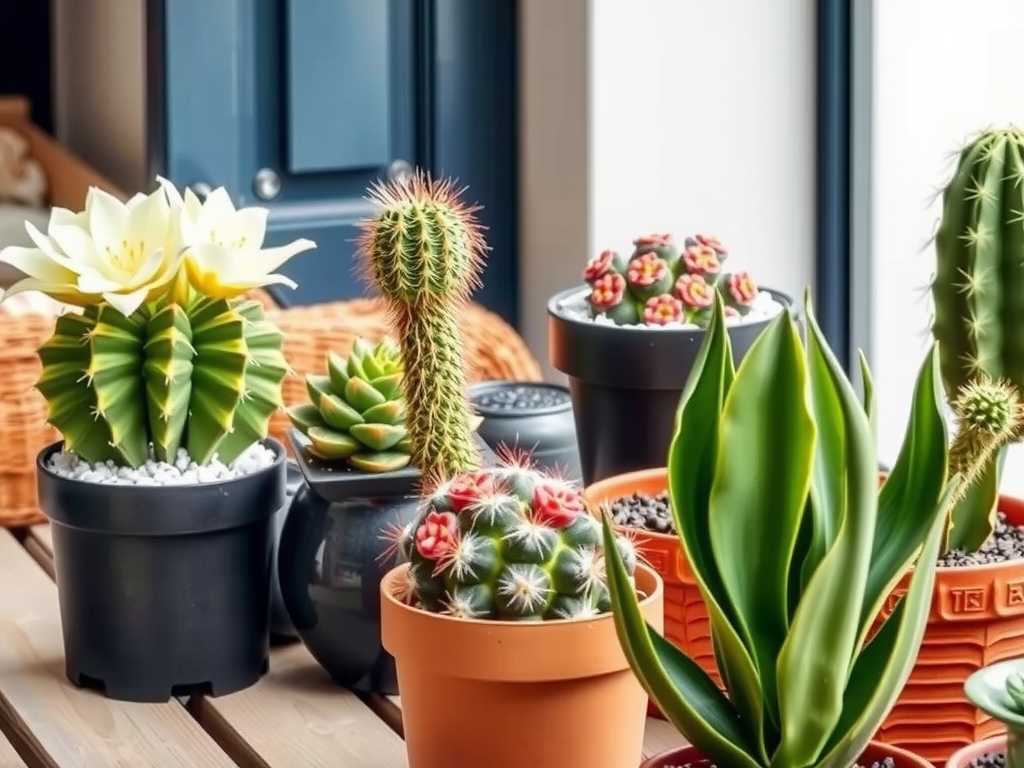
The Sun-Worshippers: For South-Facing Balconies If your balcony is a sun trap, these species will reward you with stunning growth and potential blooms.
- Echinocactus grusonii (Golden Barrel Cactus): This is a classic for a reason. Its perfect, globular shape adds sculptural interest. It stays a manageable size for years in a pot. Mine handled the full afternoon sun with zero complaints, its golden spines gleaming. Just ensure excellent drainage.
- Ferocactus spp. (Barrel Cacti): Similar to the Golden Barrel but often with more colorful, hooked spines. They are incredibly drought-tolerant and their cylindrical form fits perfectly into corners or as a focal point on a shelf.
- Cleistocactus strausii (Silver Torch Cactus): This was my vertical solution. Its tall, slender, densely-spined columns grow in a clump, creating a striking silvery-blue architectural element against my wall without using much base space.
The Moderate Light Masters: For East or West-Facing Balconies Balconies with morning or late afternoon sun require more nuanced choices.
- Mammillaria spp. (Pincushion Cactus): This is a huge genus with hundreds of species, many perfect for small spaces. I tested Mammillaria hahniana (Old Lady Cactus). It forms a perfect, fuzzy sphere and produces a gorgeous crown of pink flowers. It loved the bright morning sun and gentle afternoon light on my east-facing corner.
- Gymnocalycium mihanovichii (Moon Cactus): The bright red or yellow tops are actually mutants grafted onto a green rootstock. They cannot tolerate intense, direct all-day sun, which would scorch them. They thrived in my bright but shaded spot. Note: Their lifespan can be shorter due to the graft.
- Rebutia spp. (Crown Cactus): These are small, clustering cacti known for producing prolific, vibrant flowers that often dwarf the plant itself. They are forgiving and do well with bright, indirect light, making them versatile for many balcony types.
The Practical Steps: My 2-Week Selection and Acclimation Process
This is where theory met practice. I documented everything over a focused two-week period.
Week 1: The Assessment and Selection Day 1-2: I mapped my balcony's sun exposure, noting the hours and intensity in different areas. I measured my available space, including shelf dimensions. Day 3: I visited a reputable nursery (not a big-box store) with my notes. I spoke with an expert, mentioning my balcony's conditions. This is crucial for local advice. I avoided plants that were etiolated (stretched) or had soft spots. Day 4: I chose my test subjects: one Echinocactus grusonii (full sun spot), one Mammillaria hahniana (east-facing shelf), and one small Rebutia (hanging pot). Day 5-7: The Quarantine Phase. This is the step I skipped in the past, and it cost me. I kept all new plants on a separate, isolated shelf for observation. I inspected them for pests (like mealybugs, which look like tiny cotton dots) and signs of disease. I watered them lightly only once, at the root zone, avoiding the plant body.
Week 2: Acclimation and Initial Care Day 8-10: Gradual Introduction. Even sun-loving cacti can sunburn if shocked. I began placing the Echinocactus in its final full-sun spot for just 2 hours, increasing by an hour each day. The Mammillaria went to its spot for longer periods. The Rebutia was fine in its indirect light location. Day 11: I noticed a slight yellowing on the Echinocactus side facing the most intense sun—a sign of mild stress. I rotated the pot 180 degrees to ensure even exposure. This simple trick solved the issue within days. Day 12-14: I established a baseline. I used a moisture meter (a game-changer!) to check the soil. Despite the heat, the core soil was still damp. I did not water. I observed the plants plumping up in the morning and slightly contracting at night—a normal, healthy rhythm. By day 14, all three showed signs of new, compact growth and no further stress. Success!
Common Pitfalls and How I Solved Them
- Pitfall 1: Overwatering with Love. This is the #1 killer. My early mistake was watering on a schedule. Solution: I now water only when the soil is completely dry, and I mean bone-dry all the way through. In my climate, during hot weeks, this might be every 10-14 days. In winter, it can be over a month. The "soak and dry" method is key: drench the soil thoroughly until water runs out the drainage hole, then let it dry out completely.
- Pitfall 2: The Wrong Soil. Regular potting soil holds too much moisture. Solution: I repotted all my cacti into a specialized, gritty cactus & succulent mix. I even added extra perlite or pumice (about 50/50 mix) for maximum drainage. This prevents root rot.
- Pitfall 3: Ignoring Drainage. A pot without a drainage hole is a death sentence. Solution: Every single container, no matter how decorative, must have a hole. I use plastic nursery pots with holes and then place them inside decorative cache pots.
- Pitfall 4: Underestimating Pests. Mealybugs and scale can hitchhike on new plants. Solution: The quarantine period is essential. For a minor infestation, I use a cotton swab dipped in 70% isopropyl alcohol to dab the pests directly. For larger issues, insecticidal soap is effective.
Frequently Asked Questions
Can cacti survive on a balcony that doesn't get direct sun? It's challenging for true desert cacti. However, some species like Schlumbergera (Christmas Cactus) or Epiphyllum (Orchid Cactus) are jungle cacti that prefer bright, indirect light and higher humidity. They can be excellent choices for shadier balconies and produce spectacular flowers.
How often should I really fertilize my balcony cacti? Less is more. I use a balanced, water-soluble fertilizer diluted to half-strength. I apply it only during the active growing season (typically spring and summer), and no more than once a month. Never fertilize in winter when plants are dormant, or right after repotting.
What's the best way to protect my cacti during an unexpected cold snap or heavy rain? For occasional cold nights, moving pots against the house wall can provide a few extra degrees of warmth. For prolonged rain, I have a clear acrylic sheet I can lean over my plant shelf to shield them from getting waterlogged. For truly tender species, having a temporary indoor spot (like a bright windowsill) for extreme weather is part of responsible balcony gardening.
Creating a thriving cactus display on a small balcony is deeply rewarding. It starts with honest assessment, leads to informed selection, and thrives on attentive, but not overbearing, care. By understanding the unique language of light and space on your balcony, and choosing species that speak that language fluently, you transform limitations into opportunities for unique, resilient beauty. My balcony is no longer an afterthought; it's a miniature desertscape that brings me joy every single day.





