 bluename
 How to Care for Rare Turbinicarpus Cactus Species in Collections: A Collector’s Personal Journey
I’ve lost count of how many times I’ve brought home a beautiful, rare Turbinicarpus, only to watch it slowly decline despite my best intentions. The frustration is real. You invest in these miniature marvels—prized for their intricate spines, compact size, and often breathtaking flowers—only to face puzzling etiolation, mysterious rot, or simply a plant that refuses to thrive. The standard “full sun and neglect” cactus advice falls painfully short here. Through years of trial, significant error, and dedicated observation, I’ve developed a care protocol that respects their unique needs. This guide isn’t just theory; it’s a lived-in, hands-on account of what finally worked for my collection.
Understanding Your Turbinicarpus: More Than Just a Small Cactus
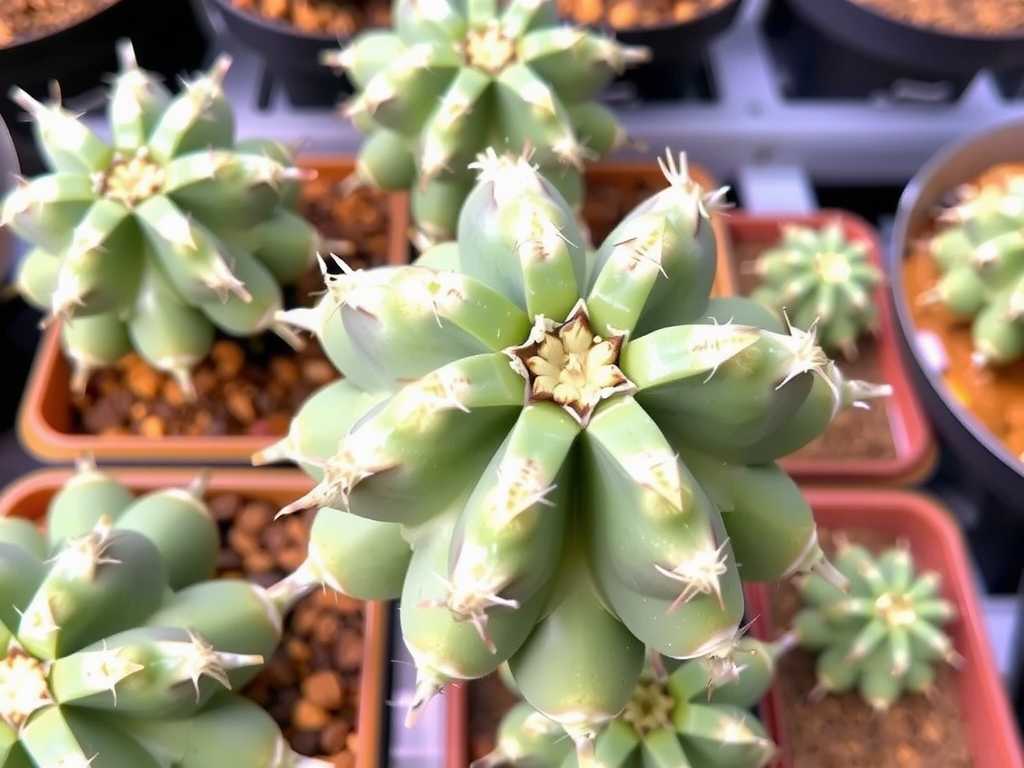
Before diving into care, it’s crucial to understand what makes these plants different. Native to the harsh, limestone-rich hills of northeastern Mexico, Turbinicarpus species have evolved to survive in extreme conditions with highly specific growing mediums and sharp drainage. They are slow-growing, often spending a good part of the year in a near-dormant state. Treating them like a common Opuntia or even a faster-growing Mammillaria is the first and most common mistake. Their rarity in habitat, often due to over-collection and climate change, makes cultivating them successfully in our collections not just a hobby, but a form of conservation.
The Foundation: Creating the Perfect Soil Mix
This is, without exaggeration, the single most important factor. A standard bagged cactus mix is a death sentence for most Turbinicarpus—it retains far too much moisture. After losing a prized Turbinicarpus pseudopectinatus to stem rot, I knew I had to change my approach.
My recipe, developed after consulting with members of the Rare Horticultural Society (RHS) Cactus and Succulent Committee and cross-referencing with the American Horticultural Society’s (AHS) guidelines on xerophyte cultivation, is as follows:
- 40% Inorganic Grit: This includes pumice, coarse silica sand (not builder’s sand), and small, crushed limestone gravel. The limestone is key, as it mimics their native substrate and helps maintain a slightly alkaline pH.
- 30% Mineral Soil: I use a calcined clay product like Turface or akadama, which provides structure and aeration without breaking down quickly.
- 30% Sifted Cactus Compost: This is the only organic component. I sift it to remove large, moisture-retentive chunks.
The final mix feels gritty and falls apart easily when dry. I now plant every Turbinicarpus in unglazed terracotta pots with large drainage holes. The pot should be just slightly wider than the plant’s body; these plants enjoy being somewhat root-bound.
A Two-Week Observation: The Repotting Test
I decided to document the effects of this soil change on a struggling Turbinicarpus valdezianus. It was in a peat-heavy mix, looking pale and not growing. After carefully removing it, I gently brushed away the old soil, treated any minor root issues with sulfur, and potted it into my new gritty mix.
Days 1-3: The plant looked unchanged, as expected. I did not water it, allowing any root disturbances to callus. Days 4-7: I gave it a thorough bottom-watering. The water rushed through the pot in seconds. The terracotta pot felt damp for less than a day. Days 8-14: Here’s where I saw the difference. The plant’s color began to improve, showing a healthier, denser green. There was no sign of the dreaded “soggy” look at the base. The soil surface was completely dry within 48 hours, but the inner mineral components likely held just enough moisture near the roots. This quick dry-back cycle is exactly what prevents rot.
The Art of Watering: Timing is Everything
Watering is where intuition can lead you astray. I follow a strict seasonal schedule, aligning with their natural growth cycles.
- Spring & Autumn (Growth Seasons): This is when I water most actively. I use the “soak and dry” method, but only when the weather forecast predicts several days of sun and warmth. I water deeply until it runs from the drainage holes, then I do not water again until the soil is completely dry and the plant has had a period of dryness. This might mean 7-10 days between waterings in ideal spring weather.
- Summer (Dormancy for Many): During peak summer heat, many Turbinicarpus species slow down or go dormant. I significantly reduce watering, sometimes to just a light monthly drink in the cooler evening, especially if the plant shows signs of shrinking or excessive dryness. Overwatering in heat is a fast track to rot.
- Winter (Complete Rest): From late October to early March, I give my collection a cool, dry, and bright rest. They are kept in a bright, frost-free space where temperatures can drop to around 5-10°C (41-50°F). I withhold all water entirely during this period. This cold, dry rest is non-negotiable for encouraging robust flowering in the following season.
The Light Equation: Maximizing Growth Without Burn
These plants crave bright light to maintain their compact form and develop strong spines. However, the transition from winter shade to spring sun must be gradual. I scorched a beautiful Turbinicarpus schmiedickeanus by moving it directly to a south-facing ledge in April.
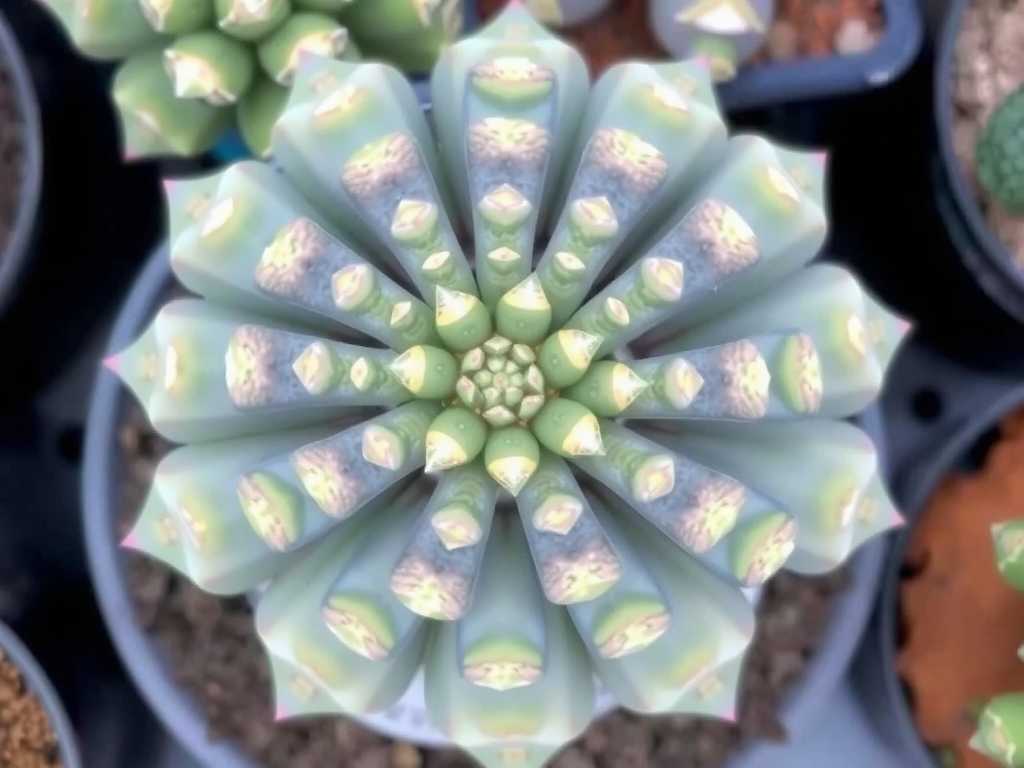
My successful strategy involves using a shade cloth (30-50%) during the most intense weeks of late spring and early summer, especially for younger plants or recently acquired specimens. They receive morning sun and filtered afternoon light. By midsummer, they are acclimated and can handle more intensity. The goal is a firm, densely spined body that does not stretch toward the light (etiolate). Grow lights are an excellent alternative; I use full-spectrum LED panels set about 15-20cm above the plants for 12-14 hours a day during the growing season, with remarkable results for color and form.
Feeding for Health, Not Just Size
Fertilizing is done sparingly. I use a low-nitrogen, high-potassium cactus fertilizer, diluted to half-strength. I apply it only twice during the growing season: once in early spring as growth commences, and again in early autumn. The AHS emphasizes that over-fertilizing succulents leads to weak, watery growth that is susceptible to disease and pests. Less is definitively more.
Pest Vigilance: Catching Problems Early
The main adversaries are root mealybugs and spider mites. My gritty soil mix makes inspection easier. I now conduct a full root inspection during every repot, dousing the root ball in a diluted insecticidal soap solution as a preventative measure. For above-ground pests, a systemic insecticide granules used sparingly at the start of the season provides long-lasting protection, as recommended in RHS resources for managing pests in protected collections. Regular, close observation is your best defense.
How often should I water my Turbinicarpus cactus? There is no weekly schedule. Water only during active growth periods (spring/autumn) when the soil is completely dry and the plant is in warm, sunny conditions. In summer, water very sparingly, and in winter, do not water at all. The plant’s seasonal cycle is more important than the calendar.
Why is my Turbinicarpus cactus turning yellow or soft at the base? This is almost always a sign of overwatering and/or insufficiently gritty soil, leading to root or stem rot. Immediate action is required: unpot the plant, remove all affected tissue with a sterile tool, treat with sulfur or a fungicide, and repot into a completely dry, mineral-heavy mix. Do not water for at least two weeks.
My Turbinicarpus hasn’t flowered in years. What am I doing wrong? Flowering is a sign of overall health and is primarily triggered by a proper, cool, and absolutely dry winter dormancy period. Ensure it gets several months with no water and cooler temperatures (above freezing). Additionally, ensure it receives enough intense light during the growing season to build up the energy required to bloom.
Caring for rare Turbinicarpus species is a deeply rewarding practice that teaches patience and observation. It moves beyond simple horticulture into the realm of understanding a plant’s native rhythm and replicating it as closely as possible. By prioritizing an inorganic soil mix, respecting seasonal dormancy, and providing bright but careful light, you create an environment where these rare gems can not only survive but truly flourish. The joy of seeing a perfectly formed, happily growing Turbinicarpus push out its first flower under your care is a testament to getting the details right. Start with the soil, watch the seasons, and let the plant be your guide.





