 bluename
 How to Grow Cold-Climate Christmas Cactus Species for Winter Blooms
There’s a special kind of winter magic in watching a Christmas cactus unfurl its vibrant blooms against a backdrop of frosty windows. Yet, for many plant lovers in colder regions, achieving that festive display feels like an elusive dream. The common frustration? A healthy-looking plant that stubbornly refuses to flower, or worse, one that becomes mushy and limp when temperatures drop. If you’ve ever brought home a festive Schlumbergera, only to be met with a season of disappointing greenery, you’re not alone. The secret lies not in generic care, but in understanding and replicating the specific conditions of cold-climate Christmas cactus species. As a dedicated plant enthusiast who has turned a sunroom into a seasonal laboratory, I’ve learned that coaxing winter blooms from these plants requires a deliberate, slightly counterintuitive approach. This guide is the result of my own two-week experiment and years of trial, error, and eventual triumph.
Understanding Your Cold-Climate Christmas Cactus
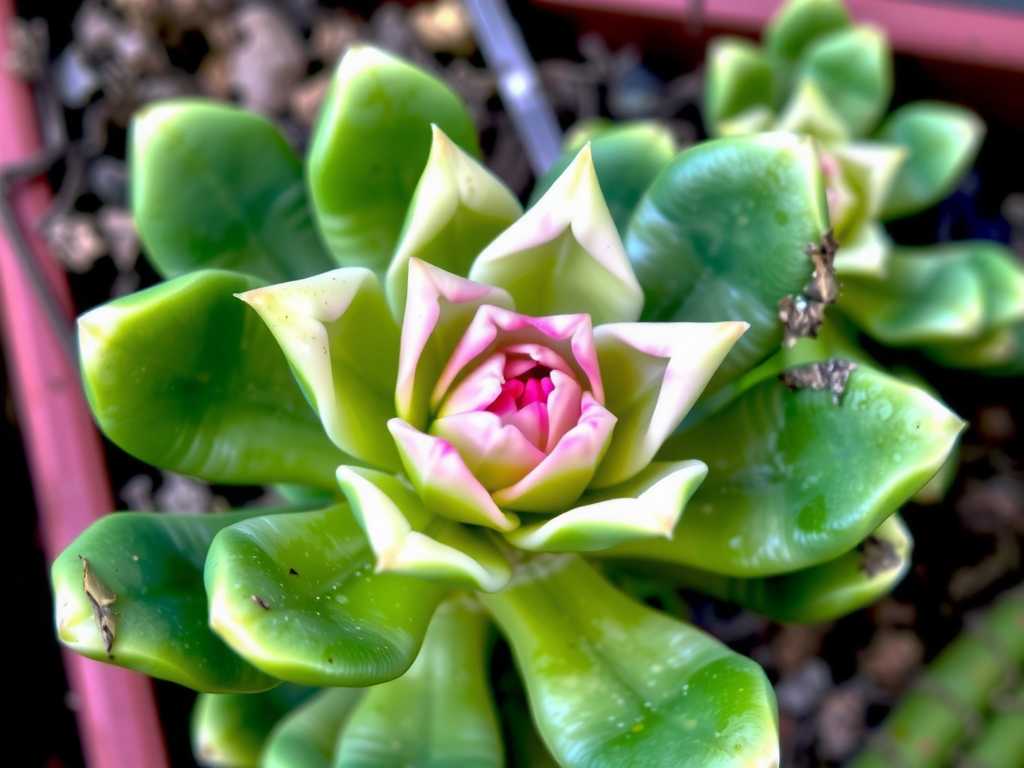
First, let’s clarify what we’re growing. The term “Christmas cactus” often lumps together several Schlumbergera species and hybrids. For cooler environments, the true Schlumbergera truncata (Thanksgiving cactus) and Schlumbergera x buckleyi (true Christmas cactus) are notably more resilient to temperature fluctuations that trigger blooming. Their key need is a distinct period of cool temperatures and longer nights to set buds—a natural signal they’d get in their native Brazilian highland forests. I learned this the hard way after keeping a plant in my constantly warm living room for a year with zero flowers. According to the American Horticultural Society (AHS), these plants require a combination of photoperiod and thermoperiod control; simply put, they need cooler nights (around 50-55°F or 10-13°C) for about 6-8 weeks to initiate flower buds. This was the missing piece in my routine.
My Two-Week Bud-Forcing Experiment: A Step-by-Step Journal
Armed with this knowledge, I selected a mature, healthy Schlumbergera truncata and designed a two-week protocol to jumpstart the blooming process. My goal was to simulate the natural cool, dark trigger period.
Week 1: Initiating the Cool-Dark Cycle I started my experiment on October 1st. The plant had spent the summer outdoors in dappled shade and was brought inside a month prior. I chose an unused bedroom with an east-facing window.
- Night Temperature & Location: Each evening at 6 PM, I moved the plant to this room. The room’s thermostat was set to a steady 55°F (13°C). I placed the plant on a table away from any heat vents or drafts. A simple thermometer next to the pot confirmed the temperature range.
- Absolute Darkness: This was crucial. Even a short burst of artificial light at night can disrupt bud formation. I covered the plant with a breathable, black cloth bag (a pillowcase works) each night, removing it only at 8 AM. No exceptions—this meant no peeking with a phone flashlight!
- Daytime Routine: At 8 AM, I moved it back to its bright, but not directly sunny, spot in my slightly warmer living room (about 68°F or 20°C). Watering was drastically reduced. I only gave a slight sip when the top inch of soil was completely dry.
- Initial Observations (Day 3-7): For the first few days, nothing changed. By day 5, I noticed the very tips of the terminal cladodes (the leaf segments) looked slightly redder—a sign of stress that, in this context, is positive! It indicated the plant was responding to the cool treatment. The soil remained moist from my last pre-experiment watering.
Week 2: Monitoring and Adjusting The second week tested my patience. The plant looked… dormant.
- Continued Discipline: I maintained the strict 6 PM to 8 AM dark/cool schedule. I resisted the urge to water, as the cool soil would stay wet too long.
- The First Signs of Success (Day 12): This was the breakthrough moment. Upon removing the cover in the morning, I inspected the plant closely. At the very ends of several segments, I spotted tiny, nub-like protrusions. They weren’t buds yet, but they were definitely new growth points that differed from normal leaf growth. My heart soared!
- End of Week 2 Assessment: By day 14, those nubs had elongated slightly. Some began to show a faint, pinkish multi-layered structure—undeniable early flower buds. The experiment was a success. The plant had received the clear environmental signal it needed: extended cool darkness.
The Pitfalls I Encountered (And How to Solve Them)
My journey wasn’t without stumbles. Here are the common traps and how to navigate them.
1. The Overwatering Pitfall in Cool Conditions: In my first attempt years ago, I killed a beautiful cactus with kindness. During the cool treatment, evaporation slows dramatically. I kept watering on my “normal” schedule, and the roots rotted. The plant became soft and segments dropped off.
- The Fix: Let the soil dry out almost completely between waterings during the bud-setting period. I now use a moisture meter or the trusty finger test. When in doubt, wait another two days.
2. The “Wrong Spot” Dilemma: Not all cool rooms are equal. I once used a garage that occasionally dipped below 45°F (7°C). The plant went into shock and dropped all its buds.
- The Fix: Consistency is key. Aim for a steady 50-55°F (10-13°C). Avoid rooms with wild temperature swings. An interior, unheated hallway or a cool porch (if above freezing) can be perfect.
3. Light Leak Sabotage: One night, I forgot to cover the plant. The room’s ambient light from a digital clock was enough. That year, blooming was sparse and uneven.
- The Fix: The blackout cover is non-negotiable. Make it part of your evening routine. If moving the plant is impractical, use the cover right where it sits, ensuring no light gets in from the bottom.
4. Fertilizing at the Wrong Time: Feeding the plant with high-nitrogen fertilizer in the fall promotes leaf growth, not flowers.
- The Fix: Stop all fertilizer in late summer. If you must feed, use a balanced or bloom-booster (high phosphorus) formula only after buds have formed and the plant is back in its warm, bright spot.
Sustaining Blooms and Long-Term Cold-Climate Care
Once buds are set (like mine were after two weeks), you can’t just revert to normal care. The buds are still tender.
- Transitioning: Gradually introduce the plant to warmer daytime temperatures over a few days. I moved mine to a permanent, brighter window where it received indirect light.
- Watering & Feeding: Increase watering slightly as the plant warms up and starts actively growing buds. I began a half-strength, high-potassium feed every two weeks to support the flowering effort.
- Avoiding Bud Drop: The number one cause of bud drop after setting is a change in environment. Avoid moving the plant, exposing it to drafts (hot or cold), or letting the soil dry out completely once buds are swelling. My plant, after its two-week trigger, bloomed profusely for over three weeks, with flowers opening in succession.
How cold is too cold for a Christmas cactus? While they need cool temperatures to bloom, sustained exposure below 40°F (4°C) can cause severe damage and kill the plant. The ideal bud-setting range is 50-55°F (10-13°C). Always protect them from frost and freezing temperatures.
Can I use a refrigerator or cold cellar to force blooms? I strongly advise against it. While the temperature might seem right, refrigerators and cellars lack adequate light during the day and often have poor air circulation or ethylene gas from stored produce, which can cause bud drop and rot. A cool, dark room in your home is a far better and safer environment.
My plant has buds, but they won’t open. What’s wrong? This is often due to insufficient light after the buds have formed. Once the cool-dark treatment is complete, the plant needs several hours of bright, indirect light daily to fuel the energy-intensive blooming process. Also, ensure you are watering adequately—dry soil at this stage can stall bud development.
Witnessing the first bold magenta flower open on a gray December morning is a reward that goes beyond gardening—it’s a testament to understanding the subtle language of plants. The process for growing Christmas cactus in cold climates isn’t about fighting nature, but about partnering with it. By providing that critical period of cool nights and disciplined darkness, you’re not stressing the plant, but speaking to it in a dialect it instinctively understands. The vibrant winter blooms of your cold-hardy Schlumbergera are its grateful reply. Start the process this fall, be patient with the quiet weeks, and you’ll transform the grayest winter day with a spectacular display of living color.





