 bluename
 How to Identify Flowering Rebutia Cactus Species for Colorful Displays
I’ve always dreamed of having a vibrant, ever-changing cactus garden on my windowsill, one that erupts in a carnival of color each spring. But for years, my collection was a sea of green with the occasional, disappointing bloom. The problem wasn’t my care routine; it was my inability to identify flowering Rebutia cactus species. I was buying plants based on vague labels like “Rebutia mix,” never knowing if I’d get fiery reds, sunny yellows, or soft peaches. The result was a haphazard display that lacked the coordinated, colorful punch I craved. If you’ve ever felt that frustration—owning a cactus but not truly knowing its potential—this guide is for you. I embarked on a two-week intensive project to learn the key identifiers, and the transformation in how I see and plan my collection was profound.
My journey to mastering Rebutia identification wasn't just about reading; it was a hands-on audit of my own plants. I gathered my collection, a notepad, a magnifying glass, and a good camera. Here is the exact process I followed, the mistakes I made, and how you can avoid them.
The Foundation: Understanding What Makes a Rebutia
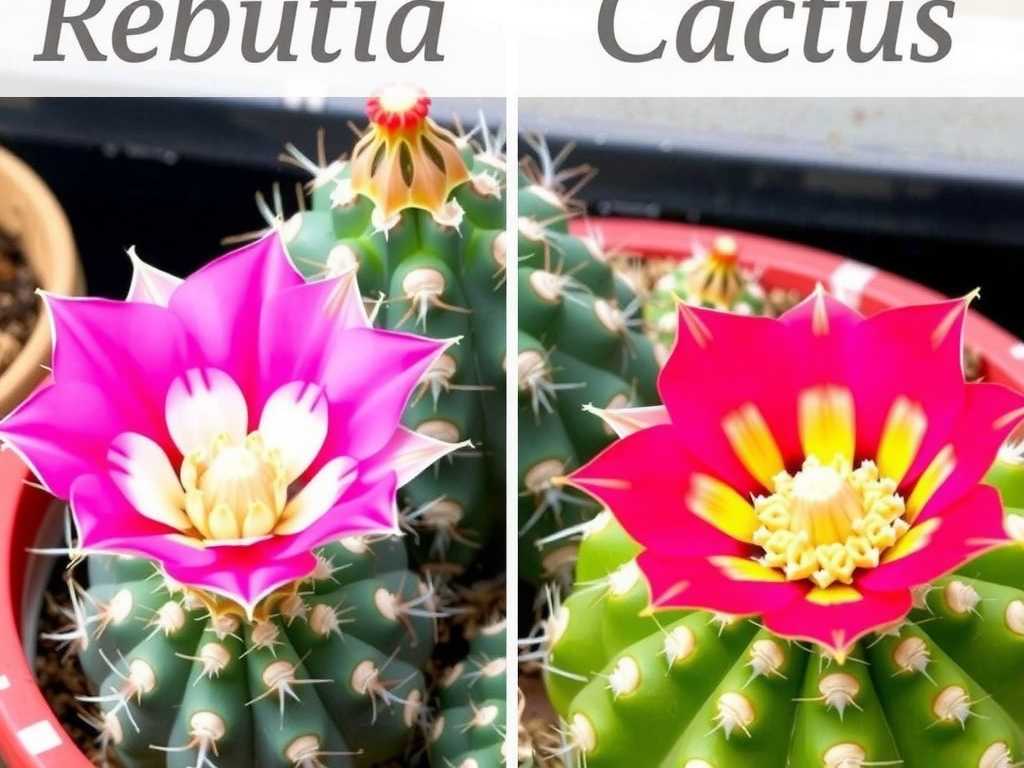
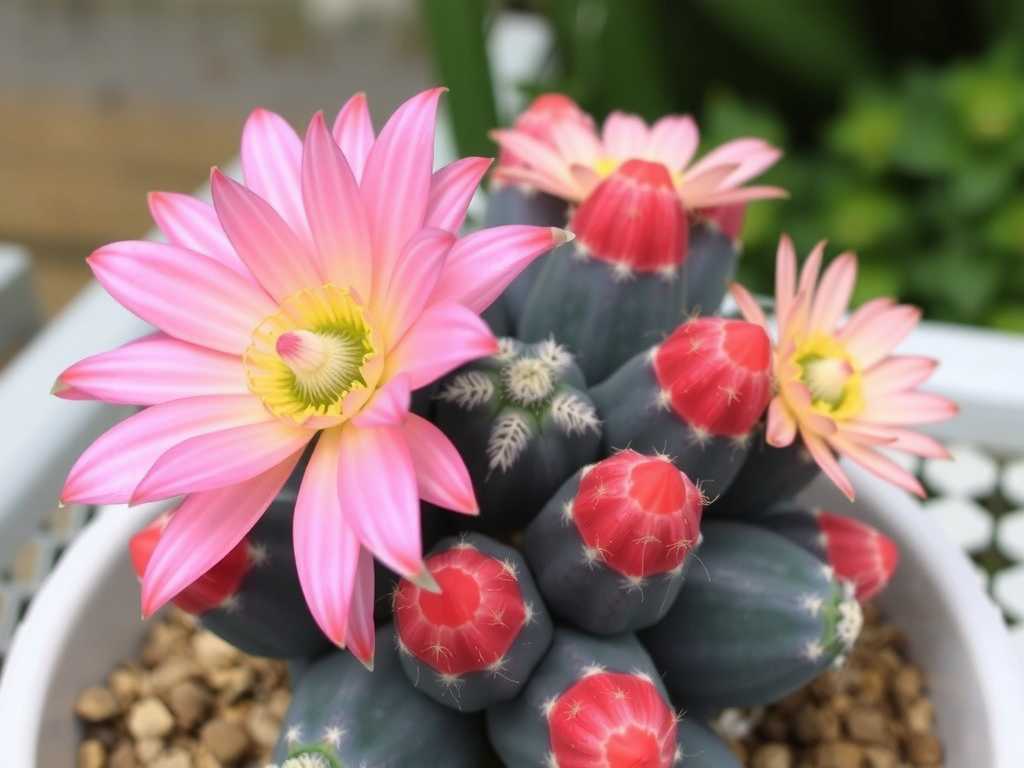
Before diving into species, you need to know what you're looking at. Rebutias are generally small, clumping cacti native to the high altitudes of Bolivia and Argentina. They are beloved for their prolific and vibrant flowers that emerge from the base or lower sides of the stem, not the top. This is a key first clue. If the flowers come from the crown, you might be looking at a related but different genus.
Week 1: The Visual Audit – Body Language of the Cactus
I dedicated the first week to studying the cactus bodies, ignoring the flowers (since many weren’t in bloom). This is crucial for identification when your plant isn't flowering.
Examining the Stem and Spination I started by looking at the overall shape. Is it solitary or does it form a dense cluster of offsets (pups)? Rebutia heliosa, for instance, forms stunning, tight clusters of small, silvery stems. Next, I focused on the spines. Using my magnifying glass, I noted their arrangement, color, and texture.
- Mistake #1: I initially confused central and radial spines. Radial spines are the smaller ones that spread out from the areole (the fuzzy bump where spines grow). Central spines are usually longer, stouter, and may point upwards. Some Rebutias, like Rebutia minuscula, may appear to have no central spines at all, just a dense pincushion of fine radials.
- Solution: I used online databases from institutions like the Royal Horticultural Society (RHS) to compare close-up spine photos. The RHS’s detailed plant descriptions helped me standardize my terminology. I learned that the spine color—whether white, yellow, brown, or black—and whether they are bristly, hairlike, or pectinate (comb-like) are critical species markers.
Mapping the Tubercles and Areoles Rebutia stems are not perfectly smooth; they are divided into tubercles. These are the small, raised, cone-like or chin-like projections arranged in spirals. I counted the number of spiral rows. Rebutia muscula has very distinct, chin-like tubercles, while Rebutia pygmaea has smaller, tightly packed ones. The position of the areole on the tubercle (at the tip or slightly recessed) became another vital clue in my identification checklist.
Week 2: The Flower Diagnostic – Decoding the Color Display
The second week coincided with the early bloom of two of my plants. This was where identification became exciting and definitive.
The Flower Itself: Color, Shape, and Structure Flower color is the most obvious identifier for a colorful Rebutia display. I photographed my blooms in morning light for accurate color. But I looked deeper than just “red.”
- Petals: I noted if they were rounded, pointed, or had a metallic sheen. Rebutia fabrisii often has beautiful, slender, pointed petals.
- Throat: The center of the flower can be a different color. A contrasting throat is a fantastic identifier.
- Stigma: This is the female part in the very center. The color and number of stigma lobes (often a pale green or yellow) is a technical but very reliable identifier used by experts. According to the American Horticultural Society Almanac (AHSA), paying attention to reproductive structures separates the casual enthusiast from the true identifier.
The Flower’s Origin and Duration I tracked where the flower emerged. True to form, my suspected Rebutias bloomed from the base. I also noted how long each flower lasted. Some species, like Rebutia albiflora, have flowers that may last several days, while others are more fleeting. This information is key for planning that long-lasting colorful cactus garden.
Bringing It All Together: My Identification Breakthroughs
After two weeks of daily observation and note-taking, I finally put names to my mystery plants.
- Plant A: Dense clusters, very short white bristly spines, rounded tubercles. It bloomed in Week 2 with a profusion of small, brilliant orange-red flowers with a greenish throat. Identification: Rebutia minuscula. This was the source of the "fiery red" I wanted.
- Plant B: Solitary at first, then clustering, with pectinate, amber-colored spines. The flowers were large relative to the body, in a stunning shade of magenta-pink. Identification: Rebutia heliosa. Its silvery body and large, vivid flowers make it a centerpiece specimen.
- Plant C: Small, dark green stems with almost black short spines. The flower was a surprise: a delicate, translucent peach color. Identification: Likely Rebutia pygmaea ‘Peach’. This gave me the soft hue I needed to balance the brighter colors.
The “aha!” moment was realizing that identification isn’t a single clue game. It’s a combination of body morphology and flower anatomy. My display is no longer random; it’s a curated collection. I now strategically place my fiery Rebutia minuscula next to the peach pygmaea for contrast, knowing exactly when each will bloom for a sequential show.
Cultivating for Maximum Color Impact
Once you know your species, you can tailor care for the best blooms. Rebutias need a cold, dry winter rest to initiate flower buds. I ensure they get plenty of direct sun in the growing season and use a high-potassium fertilizer in early spring to boost flowering. Well-draining soil is non-negotiable to prevent rot, the biggest killer of these otherwise tough plants.
How can I tell a Rebutia from a similar-looking cactus like a Mammillaria? The flower origin is the quickest tell. Mammillaria flowers typically form a ring or “crown” around the top of the stem. Rebutia flowers almost always emerge from the base or lower sides. Also, Mammillaria tubercles usually have distinct grooves, which Rebutias lack.
What if my Rebutia never flowers? This is almost always a cultural issue. The most common reasons are insufficient light (they need several hours of direct sun) and missing the crucial winter dormancy period. Try giving it a cooler (around 50°F/10°C), completely dry rest for 8-10 weeks in winter. This mimics its natural habitat and triggers bud formation.
Where is the best place to buy accurately named Rebutia species? Avoid generic box stores for specific IDs. Seek out specialized cactus nurseries, either online or local, or reputable sellers at botanical garden shows. These sources often label plants with their full botanical name (e.g., Rebutia heliosa var. condorensis) and are passionate about correct identification. Building a relationship with these experts is invaluable.
Identifying your Rebutias transforms them from anonymous green lumps into individual characters with known personalities and spectacular seasonal performances. It turns casual collecting into intentional garden design. The two weeks I spent with my magnifying glass and notebook were an investment that pays off every spring, as my windowsill explodes in a predictable, breathtaking symphony of color that I planned and now deeply understand. Start with one plant, observe it closely, and a whole new world of cactus appreciation will open up to you.





