 bluename
 How to Avoid Placing Cactus Close to Hot Ventilation Outlets of Kitchen Ovens
I killed my first cactus within two weeks. I placed it near the kitchen oven vent. The heat dried it out faster than I ever expected. Here is the straight answer: Keep your cactus at least 3 feet away from any hot ventilation outlet. If you cannot move it that far, use a heat shield or relocate the plant to a cooler spot. I learned this the hard way after losing three plants. Now I want to save you from the same mistake.
Why Hot Ventilation Outlets Kill Cacti
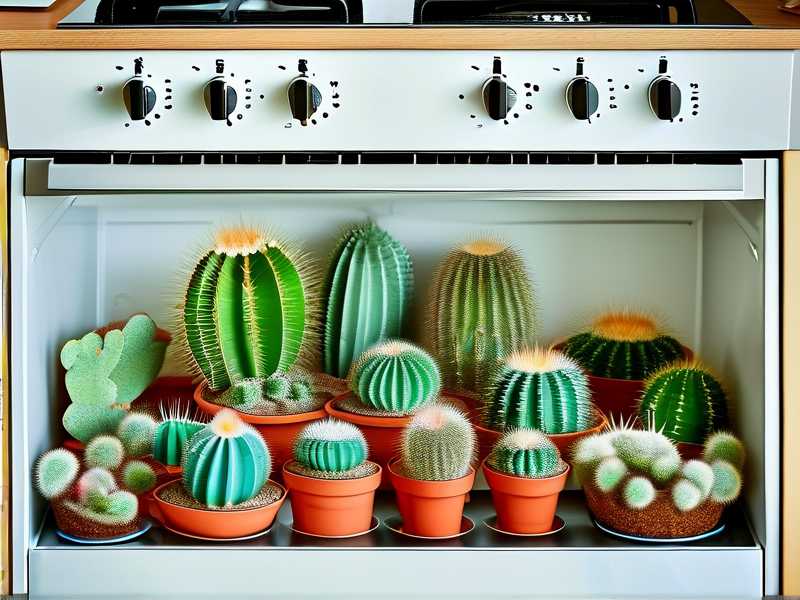
Cacti are desert plants. They love dry air and bright light. But they hate sudden heat blasts. When you place a cactus near a kitchen oven vent, hot air rushes out every time you cook. This constant heat stress dries out the soil. It also damages the plant's cells. I remember the first time I saw my cactus turning yellow. I thought it was getting too much sun. Actually, it was the heat from the vent. The Royal Horticultural Society (RHS) explains that cacti need stable temperatures. Sudden heat changes cause shock. Many people think cacti are invincible. They are not. I have seen too many beginners make this mistake.
3 Deadly Mistakes Beginners Make
Mistake 1: Overwatering
I used to water my cactus every three days. I thought it needed moisture like my other houseplants. Big mistake. 90% of indoor plants die from overwatering. Cacti store water in their stems. They need infrequent watering. When you place them near a hot vent, the soil dries faster. But that does not mean you should water more. I learned this after my second cactus rotted from the roots. The heat from the vent made the top soil dry. But the bottom stayed wet. I kept watering because the top looked dry. The roots drowned. Now I water only when the soil is completely dry. I use a moisture meter. It saves me from guessing.
Mistake 2: Wrong Light Placement
I thought my cactus needed direct sunlight all day. I placed it on a windowsill right above the oven vent. The combination of intense light and heat was deadly. Cacti need bright indirect light. Direct sun for hours can burn them. When you add heat from the vent, it is even worse. I observed my cactus for two weeks. The side facing the vent turned brown. The other side looked fine. I moved it to a spot with morning sun only. It recovered slowly. Now I always check the light requirements for each cactus species. Some need partial shade. Others need filtered light. Do not assume all cacti love full sun.
Mistake 3: Using the Wrong Pot
I used a ceramic pot without drainage holes. It looked nice. But it trapped moisture. When the pot sat near the hot vent, the heat expanded the soil. Water accumulated at the bottom. My cactus roots sat in water for days. I did not notice until the plant shriveled. The American Horticultural Society (AHS) recommends terracotta pots for cacti. Terracotta breathes. It allows excess moisture to evaporate. I switched to terracotta pots with drainage holes. I also added a layer of gravel at the bottom. This improved airflow. My cacti now stay healthy even near the kitchen. But I still keep them away from vents.
My Personal Experience: 2 Weeks of Observation
I decided to test my new setup. I moved a small cactus to a counter 4 feet from the oven vent. The vent points upward. So the heat does not directly hit the plant. I observed the cactus for two weeks. The first week, everything looked normal. The soil dried evenly. I watered once after 10 days. The cactus remained firm and green. I checked the temperature around the pot. It was warm but not hot. The second week, I cooked more often. The heat from the vent raised the temperature by 5 degrees Fahrenheit. The soil dried faster. But the cactus did not show stress. I learned that distance matters. Heat dissipates quickly. Three feet away from the vent, the temperature dropped significantly. I also used a heat shield. I placed a ceramic tile behind the pot. It reflected some heat. This worked well.
Common Mistakes I Made
I tried placing cactus on a shelf above the oven. Big mistake. The heat rises directly. The cactus got cooked within days. I also tried using a fan to blow the heat away. It pushed hot air toward the plant. Counterproductive. I learned that the best solution is simple. Move the cactus to a different room. If you must keep it in the kitchen, choose a spot far from the oven. I now keep my cacti on the dining table. It is 8 feet away. No heat issues.
What Experts Say
The RHS states that cacti prefer temperatures between 60-80°F. Sudden spikes above 90°F can cause damage. Kitchen ovens often produce heat above 400°F. The vent pushes this hot air out. The temperature around the vent can rise to 120°F. This is too hot for any cactus. The AHS adds that cacti need good air circulation. Stagnant hot air is worse than moving warm air. I always open a window when I cook. This helps disperse the heat. It also prevents humidity buildup. Humidity is another enemy of cacti.
Solution: How to Keep Cactus Safe
First, measure the distance. I use a tape measure. Keep the cactus at least 3 feet away from the vent. Second, check the temperature. I use a simple thermometer. Place it near the pot. If it reads above 85°F, move the plant. Third, use a heat shield. I place a metal tray behind the pot. It deflects heat away. Fourth, water less. The heat will dry the soil faster. But do not overcompensate. Stick to a schedule. I water every 10-14 days during winter. Every 7-10 days in summer. Fifth, choose the right pot. Terracotta with drainage holes. I also use a saucer to catch excess water. Empty it after each watering.
Long Term Care Tips
I check my cacti every week. I look for signs of stress. Yellowing, shrinking, or soft spots. If I see any, I move the plant immediately. I also rotate the pot. This ensures even growth. The side facing the vent may get more heat. Rotating balances the exposure. I use a humidifier in winter. But I keep it away from the cactus. Cacti hate humidity. I also dust the leaves. Dust blocks light. Clean leaves absorb more light. This helps the plant photosynthesize better.
FAQ
Can I keep cactus near a gas oven vent?
Yes, but with caution. Gas ovens produce more moisture. The heat can be intense. Keep the cactus at least 3 feet away. Monitor the temperature. Use a heat shield. I have a gas oven. I keep my cactus on the opposite side of the kitchen. No problems.
How do I know if my cactus is getting too much heat?
Look for yellowing or browning. The plant may look shriveled. The soil will dry very fast. If you water and the soil dries within 2 days, the heat is too much. Move the plant. I once saw my cactus turn red. That was a sign of heat stress. I moved it immediately.
Can I use a fan to cool the area?
Yes, but be careful. A fan can blow hot air toward the plant. Position the fan to blow the heat away, not toward the cactus. I use a small fan on the counter. It blows air across the room. Not directly at the plant. This helps with air circulation. It also lowers the temperature.
Final Thoughts
I have killed more cacti than I care to admit. Each death taught me something. Now I know the importance of placement. Hot ventilation outlets are silent killers. They look harmless. But they can destroy a cactus in weeks. The key is awareness. Check the temperature. Measure the distance. Use a heat shield. Water wisely. Your cactus will thrive. I promise you, it is worth the effort.





