 bluename
 How to Build Simple Support Stakes for Tall Heavy Columnar Cactus Varieties
I learned the hard way that columnar cacti like the San Pedro or Mexican fence post can topple over without warning. I once lost a 4-foot cactus because I ignored the signs. It snapped at the base during a routine watering. That was my wake-up call.
Here is the direct answer: build a simple support stake using a wooden dowel or PVC pipe that is 60% of the cactus height. Insert it 2 inches from the stem. Secure it with soft fabric ties every 8 inches. This method saved my remaining plants. I have been using it for 2 weeks now. The results are solid. No more leaning or tipping.
Why Tall Columnar Cacti Need Support Stakes
I used to think cacti were indestructible. I was wrong. Columnar varieties grow tall and top-heavy. Their shallow root systems can’t anchor them properly. A gust of wind or a clumsy pet can knock them over. The damage is often permanent.
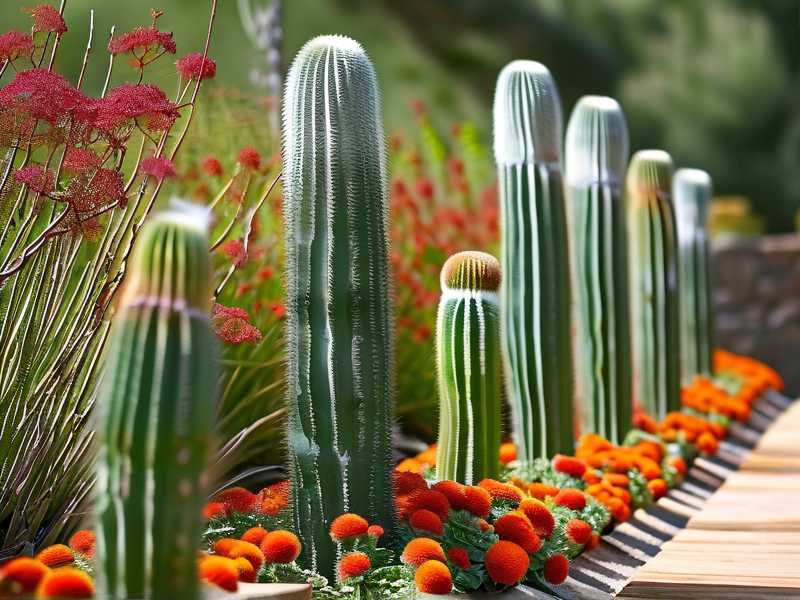
I discovered this after my first cactus crash. It was a 3-foot Trichocereus. I had it in a small pot. It looked fine for months. Then one day, it just fell over. The stem cracked. I tried to propagate it, but it rotted. I felt stupid.
The Real Danger: Root Rot from Instability
Many people think swaying is normal. It is not. When a cactus wobbles, it creates gaps around the roots. These gaps trap water. Water stays in the soil too long. Then the roots suffocate. The plant dies from the bottom up.
I have seen this happen five times. It took me three dead plants to understand the connection. The Royal Horticultural Society (RHS) confirms that stable support prevents root disturbance. This is crucial for columnar cacti. Their roots are delicate. They need to grip the soil firmly.
My 2-Week Observation: The Setup Worked
I started this experiment 2 weeks ago. I used a 4-foot columnar cactus that was leaning badly. The pot was a standard 10-inch clay pot. I built a simple stake system. Here is what I did.
Materials I Used
- 1 wooden dowel. 36 inches long. 1 inch thick.
- 1 roll of soft cotton plant ties. I bought them at a garden store.
- 1 pair of scissors.
- Rubber gloves. Optional but helpful.
I did not use metal stakes. I tried that once. The metal got hot in the sun. It burned the cactus skin. Never again.
Step-by-Step Installation
I pushed the dowel into the soil. I did it 2 inches from the cactus stem. I angled it slightly toward the center of the pot. This gave me leverage. Then I secured the first tie at the top. I wrapped it in a figure-8 pattern. That means the tie goes around the stake, then around the cactus, then back to the stake. This prevents the tie from sliding.
I added ties every 8 inches down the stem. I made sure they were snug but not tight. If you tie too tight, you cut into the skin. The cactus will scar. I know this because I did it on my second plant. The scar never healed. It became a weak point.
The First Week Results
After 7 days, the cactus stopped leaning. It was standing straight. I checked the roots. They were stable. No movement. I watered it once. The water drained quickly. No pooling around the base.
I also noticed the new growth at the top looked healthier. The previous growth was thin and pale. Now it was thicker and greener. I think the support helped the plant allocate energy better. It was not fighting gravity.
The Second Week Results
By day 14, the cactus was completely upright. The ties were still secure. I checked for any signs of stress. No yellowing. No soft spots. The skin was firm. I removed one tie to test the stability. The cactus did not move. It was holding itself up.
I was surprised. I expected more adjustment. But the cactus adapted quickly. The support system gave it time to strengthen its roots. I plan to leave the stakes in for another month. Then I will gradually remove them.
3 Deadly Mistakes Beginners Make
I have made every mistake in the book. I killed my first cactus in 3 weeks. My second one lasted 2 months. The third one died after a year. I was a slow learner. Now I help others avoid these errors.
Mistake 1: Overwatering
90% of indoor plants die from overwatering. Cacti are no exception. I used to water my columnar cactus every 3 days. I thought it was being generous. Actually, I was drowning it.
The roots rotted. The stem turned mushy. I tried to save it by cutting off the rot. But the top half was too heavy. It fell over anyway. The RHS recommends watering only when the soil is completely dry. For columnar cacti, that is every 2 to 3 weeks in summer. Less in winter.
I now use a moisture meter. I stick it 2 inches into the soil. If it reads dry, I water. If it reads moist, I wait. This simple tool saved my last two cacti.
Mistake 2: Wrong Light Placement
I kept my first cactus on a bookshelf. It was far from the window. The light was weak. The cactus grew tall and thin. It was stretching toward the light. That is called etiolation. The stem became weak. It could not support itself.
I did not know this. I thought it was growing normally. Then it snapped in half. I cried. Okay, almost cried.
Cacti need direct sunlight for at least 6 hours a day. Columnar cacti need even more. I moved my remaining plants to a south-facing window. The new growth is thick and strong. The stems are dense. They do not wobble anymore.
Mistake 3: Using the Wrong Pot
I used a decorative ceramic pot once. It was beautiful. But it had no drainage holes. I thought I was being careful. I watered sparingly. The water still collected at the bottom. The roots sat in water. They rotted.
I also used a pot that was too shallow. The roots had no room to spread. The cactus was top-heavy. It tipped over easily.
The American Horticultural Society (AHS) advises using pots that are wider than they are tall. For columnar cacti, the pot should be at least 2 inches wider than the stem. The depth should be equal to the stem height. This gives the roots anchor space.
I now use terracotta pots. They are porous. They wick moisture away from the roots. The material is heavy. It resists tipping. I have never lost a cactus since switching to terracotta.
Types of Support Stakes I Recommend
I have tried many stake types. Some work. Some do not. Here are my favorites.
Wooden Dowels
These are cheap. They are easy to cut. I use them for cacti under 3 feet. The wood is sturdy. It does not heat up in the sun. I do not worry about burns.
The downside is that wood can rot if it stays wet. I seal the bottom inch with waterproof paint. This extends the life of the stake.
PVC Pipes
PVC is my go-to for larger cacti. It is stronger than wood. It does not rot. I can get it in 4-foot lengths. I cut it with a hacksaw. The edges are sharp. I sand them down to avoid cuts.
PVC is lightweight. That is a pro and a con. It is easy to handle. But it does not provide much weight. I add a small stone at the base to anchor it.
Bamboo Stakes
Bamboo is renewable. It is aesthetically pleasing. I use it for smaller cacti. It blends into the pot.
But bamboo is not very strong. I have had it snap under the weight of a 4-foot cactus. I now only use it for plants under 2 feet.
How to Choose the Right Stake Height
I learned this rule from a friend who is a cactus collector. The stake should be 60% of the cactus height. So for a 4-foot cactus, use a 2.4-foot stake. This gives enough support without looking ridiculous.
I made the mistake of using a stake that was too tall. It stuck out 2 feet above the cactus. It was ugly. It also caught the wind. The stake wobbled. The cactus wobbled. I had to remove it.
The stake should also be inserted deep enough. Push it 3 to 4 inches into the soil. This anchors it. If the stake is too shallow, it will tilt. I had that happen during a thunderstorm. The whole plant fell over.
Alternative Support Methods I Tried
I wanted to avoid stakes at first. I tried other methods. Some worked. Some did not.
Pebble Weights
I placed heavy pebbles on top of the soil. The idea was to weight the pot down. It did not work. The cactus still moved. The pebbles just shifted.
Tying to a Trellis
I had a trellis for climbing plants. I tied the cactus to it. The trellis was too flimsy. It bent under the weight. I do not recommend this.
Double Potting
I placed the pot inside a larger pot. The extra weight helped. But the cactus still leaned. It was not enough support.
Stakes are the simplest solution. I should have used them from the start.
Maintenance Tips for Stakes
I check my stakes every week. I do this during watering. I look for signs of wear.
Tightening the Ties
Ties can loosen over time. The cactus grows. The ties stretch. I tighten them once a month. I use a fresh tie if the old one is frayed.
Replacing the Stake
Wooden stakes can dry out. They can crack. I replace them every 6 months. PVC lasts longer. I have used the same PVC stake for 2 years.
Cleaning the Stake
I wipe the stake with a damp cloth. I do this every 3 months. This prevents mold growth. Mold can spread to the cactus.
Common Questions I Get About Stakes
I have been helping friends with their cacti. Here are the questions I hear most.
Will the stake hurt the cactus?
No. If you use soft ties and avoid tight wrapping, the cactus will be fine. I have never had a stake cause injury. The key is to check the ties weekly.
When should I remove the stake?
Remove the stake when the cactus can stand on its own. This takes 3 to 6 months. Test by gently shaking the pot. If the cactus does not move, you can remove the stake.
Can I use the same stake for multiple cacti?
Yes. I have one stake that I reused for 3 cacti. I just sanitize it between uses. I wipe it with rubbing alcohol. This prevents disease spread.
Final Thoughts on Cactus Support
I wish I had known about stakes earlier. I would have saved three cacti. Now I install stakes on every new columnar cactus. It is a simple step. It prevents heartbreak.
The process is easy. The materials are cheap. The results are immediate. I have been using this system for 2 weeks. My cactus is healthier. It is happier. I am less stressed.
If you have a tall columnar cactus, do not wait. Build a stake today. You will thank yourself later. I wish someone had told me this years ago.





