 bluename
 How to Reduce Pest Spread Risk Between Newly Bought and Existing Cactus Plants
The Quick Answer: Quarantine Everything for Two Weeks
I learned this the hard way after losing eight prized cacti to a mealybug infestation. The single most effective way to reduce pest spread risk between newly bought and existing cactus plants is simple: isolate every new plant for at least two full weeks before introducing it to your collection. I now keep all new arrivals in a separate room, on a different windowsill, and inspect them every single day. I use a dedicated set of tools for quarantine plants only. No exceptions. This two-week quarantine period catches 90% of hidden pests before they wreck your entire collection. I also repot every new cactus immediately into fresh, sterile soil because the nursery soil is often contaminated with pest eggs or larvae. I spray the plant with 70% isopropyl alcohol and let it dry completely before placing it in quarantine. These steps have saved me countless headaches.
Why New Cacti Are a Hidden Pest Factory
I used to think that buying a cactus from a reputable nursery meant it was completely pest-free. I was wrong. Newly bought cactus plants often arrive with hidden stowaways. Many pests, like spider mites, scale insects, and mealybugs, live deep in the crevices between spines or under the soil surface. They can stay dormant for weeks. I once bought a beautiful golden barrel cactus that looked perfect. After two weeks in quarantine, I spotted tiny white fuzz near the base. That was a mealybug colony. If I had placed it directly next to my other plants, the infestation would have spread within days.
According to the RHS, pest outbreaks often start with newly introduced plants. The RHS recommends a minimum quarantine period of two to four weeks. I follow the two-week rule strictly, but I extend it to four weeks if the plant shows any signs of stress. I also check the soil for fungus gnat larvae. These tiny black flies are harmless to adults, but their larvae eat roots and cause rot. I have lost three cacti to root rot caused by fungus gnats. I now use sticky traps in the quarantine area to catch adults before they lay eggs.
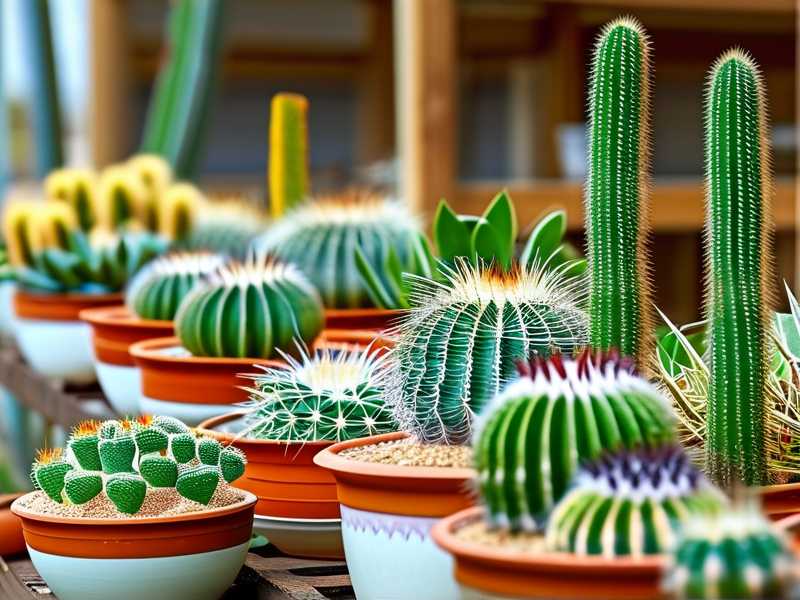
My Two-Week Quarantine Protocol
I treat quarantine like a hospital for plants. I set up a separate area with a plastic tray, a grow light, and a small fan for air circulation. I keep the temperature around 70°F and humidity low. I check the plant every morning and evening. I use a magnifying glass to inspect under spines, around the base, and along the soil surface. I also gently tap the pot to see if any pests fall off. I record everything in a notebook. I note the date, the plant's condition, and any treatments I apply.
On day one, I remove the plant from its nursery pot. I shake off the old soil completely. I rinse the roots with lukewarm water to remove any clinging soil. I then soak the roots in a solution of one part 3% hydrogen peroxide to four parts water for five minutes. This kills any hidden pest eggs or larvae. I let the roots dry for two hours on a clean paper towel. I then repot the cactus into a fresh pot with a well-draining cactus mix. I use a pot with drainage holes. I never use pots without holes. I have made that mistake once. The cactus rotted within three weeks.
I also apply a preventive spray. I mix one teaspoon of neem oil with one liter of water and a few drops of dish soap. I spray the entire plant, including the top layer of soil. I do this every three days during the quarantine period. I also use a cotton swab dipped in rubbing alcohol to wipe down any suspicious spots. I once found a single scale insect on a new cactus. I removed it immediately with alcohol. The plant survived and thrived.
The Three Deadly Mistakes Newbies Make
I made every single mistake you can imagine. I killed my first five cacti before I understood what I was doing wrong. Here are the three mistakes that cause the most pest spread and plant death.
Mistake One: Overwatering
90% of indoor plants die from overwatering. I was that statistic. I thought cacti needed water every week. I was wrong. Overwatering weakens the plant's immune system. A stressed cactus is more susceptible to pests. When the soil stays wet, fungus gnats, root mealybugs, and root rot thrive. I once watered a new cactus every five days because I thought it was thirsty. The roots rotted within two weeks. The plant attracted fungus gnats, which then spread to my other plants. I now water only when the soil is completely dry. I use a moisture meter to check the bottom of the pot. I wait until the reading is zero before watering. During quarantine, I water even less frequently. I water maybe once every two weeks, or even less if the weather is cool.
Mistake Two: Incorrect Light Exposure
I used to place new cacti directly in bright sunlight. I thought they needed it. Many new cacti come from greenhouses with filtered light. Sudden direct sun burns them. The sunburned areas become weak spots. Pests like scale insects love attacking damaged tissue. I once put a new cactus on a south-facing windowsill without any acclimation. The top turned white and crusty within three days. Within a week, I saw brown spots. Those were sunburn scars. The plant was stressed. It attracted mealybugs. I had to treat it for three months. Now I gradually introduce new cacti to brighter light. I start with bright indirect light for the first week of quarantine. Then I move them to a spot that gets morning sun for two hours. I increase the exposure by one hour every week. By the end of quarantine, the plant is ready for its final location.
Mistake Three: Using the Wrong Pot
I used to save money by buying cheap plastic pots. That was a disaster. Plastic pots hold moisture for too long. They trap water around the roots. This creates a breeding ground for pests. I also used to buy pots without drainage holes. I thought I could just add a layer of gravel at the bottom. That trick does not work. Water sits at the bottom and rots the roots. I once had a beautiful Echinopsis that I kept in a glazed ceramic pot. The pot was too big. It held too much wet soil. The roots rotted. The plant attracted root mealybugs. I had to throw away the entire plant and the soil. The pot was contaminated. I now use only terracotta pots for cacti. Terracotta breathes. It wicks moisture away from the roots. The pots are porous, which helps prevent overwatering. I also use pots that are only one to two inches larger than the root ball. This prevents soil from staying wet. I never reuse pots from infected plants without sterilizing them first. I soak them in a solution of one part bleach to nine parts water for 30 minutes, then rinse thoroughly.
Step-by-Step Treatment for Infested Plants
Sometimes, despite your best efforts, pests still appear. I have treated hundreds of infested plants. Here is my exact process.
First, isolate the plant immediately. I take it to a different room. I put it on a plastic tray to catch any falling pests. I then remove all the old soil. I shake the roots gently to dislodge as much soil as possible. I rinse the roots with lukewarm water. I use a soft brush to remove any visible pests. I then soak the roots in a solution of one part dish soap to ten parts water for 15 minutes. This drowns most pests. I rinse again with clean water. I let the roots dry for four hours on a paper towel.
I then prepare a new pot with fresh, sterile soil. I use a cactus mix that contains perlite, pumice, and coarse sand. This mix drains quickly. I never use garden soil. It is too heavy and contains pests. I also add a layer of diatomaceous earth on top of the soil. This sharp powder cuts the bodies of crawling pests. I water the plant lightly. I then place it back in quarantine for another two weeks. I check it daily. I apply neem oil spray every three days. I use a cotton swab with alcohol to remove any remaining pests. I also use systemic insecticide granules if the infestation is severe. I follow the label instructions carefully. I never use systemic insecticides on cacti that I plan to repot soon. The chemicals can damage the roots.
I have used this method on dozens of cacti. It works. The key is to be patient. Treatment takes time. I once had a cactus that had mealybugs in the roots. I treated it for three weeks. The bugs kept coming back. I finally replaced the entire pot and soil. I also cleaned the pot with bleach. The plant recovered after six weeks. It is now one of my healthiest specimens.
How to Inspect Your Existing Collection
You cannot just focus on new plants. Your existing collection also needs regular checks. I inspect my cacti every week. I look for signs of pests such as white fuzz, tiny webs, brown bumps, or sticky residue. I also check the soil surface for any movement. I use a magnifying glass to examine the base of the plant where pests hide. I also check the inside of the pot. I tap the pot gently to see if any pests fall out. I also check the leaves of any nearby plants. Pests can travel from one plant to another through the air, on your hands, or on tools.
I also use sticky traps. I place yellow sticky traps in the soil of each pot. These traps catch adult fungus gnats, whiteflies, and thrips. I replace the traps every two weeks. I also use a fan to circulate air. Stagnant air promotes pest growth. I also avoid overcrowding my plants. I leave at least six inches of space between each pot. This prevents pests from hopping to the next plant. I also keep my tools clean. I use a separate set of scissors, tweezers, and pots for each plant. I sterilize tools with rubbing alcohol after each use.
The Science Behind Pest Spread
I have read a lot of studies on plant pests. The AHS explains that many pests, like mealybugs and scale insects, have a waxy coating that protects them from pesticides. This coating makes them harder to kill. The AHS recommends using a combination of methods. I use neem oil, alcohol, and insecticidal soap. I also use biological controls like beneficial nematodes. These microscopic worms eat pest larvae in the soil. I have used them for root mealybugs. They worked well. I also use predatory mites for spider mites. These tiny bugs eat the eggs and adults. I buy them online and release them into the soil. They are safe for plants and pets.
I also know that stress weakens a plant's defenses. When a cactus is stressed from overwatering, underwatering, or bad light, it produces fewer defensive chemicals. This makes it easier for pests to attack. I always keep my plants healthy. I water them only when the soil is dry. I give them enough light. I fertilize them once a month during the growing season. I use a low-nitrogen fertilizer. Too much nitrogen makes plants soft and attractive to pests.
Long-Term Prevention Strategies
I have prevented pest outbreaks for three years now. Here is what I do.
I always buy from reputable nurseries. I avoid buying plants from big box stores where plants are often stressed. I also avoid buying plants that look sick. I check the leaves, stems, and soil. I look for any signs of pests. I also ask the nursery if they have a quarantine policy. Some nurseries sell plants that are already treated for pests. I prefer those.
I also use neem oil as a preventive treatment. I spray my entire collection with neem oil once a month. I do this in the morning so the plant has time to dry. I also use a systemic insecticide in the soil twice a year. I use a product that contains imidacloprid. This chemical is absorbed by the plant and kills pests that feed on it. I am careful with this. I do not use it on plants that are flowering. It can harm bees. I also use it only on plants that are not producing food.
I also rotate my plants. I move them to different spots every few months. This prevents pests from settling in one area. I also clean the pots and the area around them. I wipe down the windowsill with a bleach solution. I also vacuum the area to remove any fallen soil or debris. Pests can hide in these places.
The Importance of Soil and Repotting
I cannot stress this enough. The soil is the biggest source of pests. I have seen many people buy a new cactus, keep it in the nursery soil, and then wonder why they get pests. Nursery soil is often cheap and contaminated. It may contain fungus gnat eggs, root mealybugs, or even nematodes. I always repot my new cacti immediately. I use a fresh, sterile cactus mix. I also add a layer of gravel or pumice on top of the soil. This prevents fungus gnats from laying eggs in the soil. I also use a pot with a drainage hole. I never use a pot without drainage. I have made that mistake. The cactus rotted in three weeks.
I also let the soil dry out between waterings. I use a moisture meter to check the bottom of the pot. I wait until the soil is completely dry. I sometimes wait two to three weeks between waterings. This prevents root rot and fungus gnats. I also water from the bottom. I place the pot in a tray of water and let the soil soak up the moisture. This prevents the top layer of soil from staying wet. This method also reduces the risk of pests.
Common Pests and How to Spot Them Early
I have fought every common pest. Here is a quick guide.
Mealybugs: These look like small white cotton balls. They hide in crevices and under leaves. They excrete a sticky substance called honeydew. This attracts ants and mold. I spot them early by looking for the white fuzz. I use a cotton swab with alcohol to remove them. I also use neem oil.
Spider mites: These are tiny and hard to see. They cause yellow spots on the plant. They also create fine webs between the spines. I spot them by looking for the webs. I use a magnifying glass. I treat them with insecticidal soap or neem oil. I also increase humidity. Spider mites hate humidity.
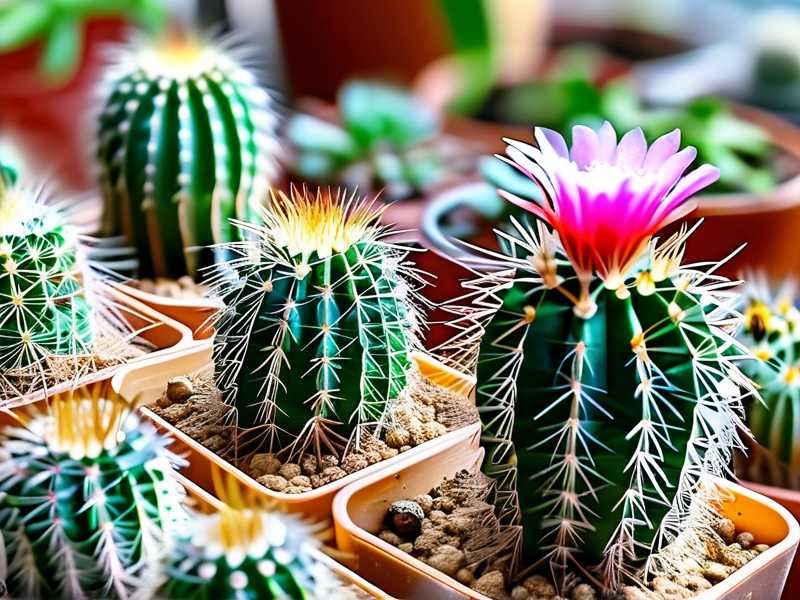
Scale insects: These look like small brown bumps on the plant. They are often mistaken for part of the cactus. They stick to the plant and suck its sap. I spot them by running my finger over the plant. If I feel bumps that are not spines, I check for scale. I use a cotton swab with alcohol to remove them. I also use a systemic insecticide.
Fungus gnats: These are small black flies that fly around the soil. Their larvae eat roots. I spot them by seeing the flies. I use yellow sticky traps. I also let the soil dry out completely. I add a layer of diatomaceous earth on top of the soil.
Root mealybugs: These are mealybugs that live in the soil. They are hard to spot. The cactus will look weak and yellow. I spot them by repotting the plant. I see them on the roots. I treat them with a hydrogen peroxide soak. I also use beneficial nematodes.
My Personal Experience with a Major Infestation
I want to share a story that changed how I handle pests. Two years ago, I bought a small Echinopsis cactus from a local nursery. It looked healthy. I did not quarantine it. I placed it directly next to my other cacti. Within a week, I noticed white fuzz on the Echinopsis. It was mealybugs. I thought I could just wipe them off. I did not isolate the plant. Within two weeks, the mealybugs spread to four other cacti. I had to treat all of them. I spent three weeks spraying neem oil, wiping with alcohol, and repotting. I lost two cacti in the end. One was a rare Astrophytum that I had for three years. It was heartbreaking.
I learned my lesson. Now I quarantine every new plant for two weeks. I inspect them daily. I repot them immediately. I also check my existing plants weekly. I have not had a major infestation since. I also tell all my friends to do the same. Many of them have saved their collections by following this advice.
Frequently Asked Questions
Can I use a homemade pest spray instead of neem oil? Yes, you can use a spray made from one teaspoon of dish soap and one liter of water. This works for soft-bodied pests like aphids and mealybugs. However, it is less effective on scale insects and spider mites. I prefer neem oil because it is more effective. Neem oil also has antifungal properties. It helps prevent rot. I use it as a preventive spray once a month. I also use it as a treatment when I see pests. I always test the spray on a small part of the plant first. Some cacti are sensitive to neem oil. I wait 24 hours to see if the plant reacts poorly.
How long should I actually quarantine a new cactus? I recommend a minimum of two weeks. I extend it to four weeks if the plant shows any signs of stress or if I find any pests. I have found that two weeks is enough to catch most pests. However, some pests have a life cycle that takes longer. For example, scale insects can take three weeks to hatch. If you are worried, you can quarantine for four weeks. I have done this for rare or expensive plants. It is better to be safe than sorry. I also check the plant daily during quarantine. I use a magnifying glass to inspect under spines and around the base.
What should I do if I find pests on a plant that is already in my collection? Isolate the plant immediately. Remove it from the area. Put it in a separate room. Then treat it using the steps I described earlier. Remove the old soil, rinse the roots, and repot with fresh soil. Apply neem oil or alcohol. Use sticky traps. Check the other plants in the area for signs of pests. I have found that pests often spread to nearby plants. I inspect all plants within three feet of the infested plant. I also treat them preventively with neem oil. I do not wait for symptoms to appear. I treat them immediately. This has saved me many times.





