 bluename
 How to Avoid Disturbing Cactus Root Ball Repeatedly Every Single Growing Year
I killed my first three cacti before I learned the truth. The root ball is the heart of your cactus. Disturbing it every year is like having surgery annually. You wouldn't do that to yourself. So why do we do it to our plants?
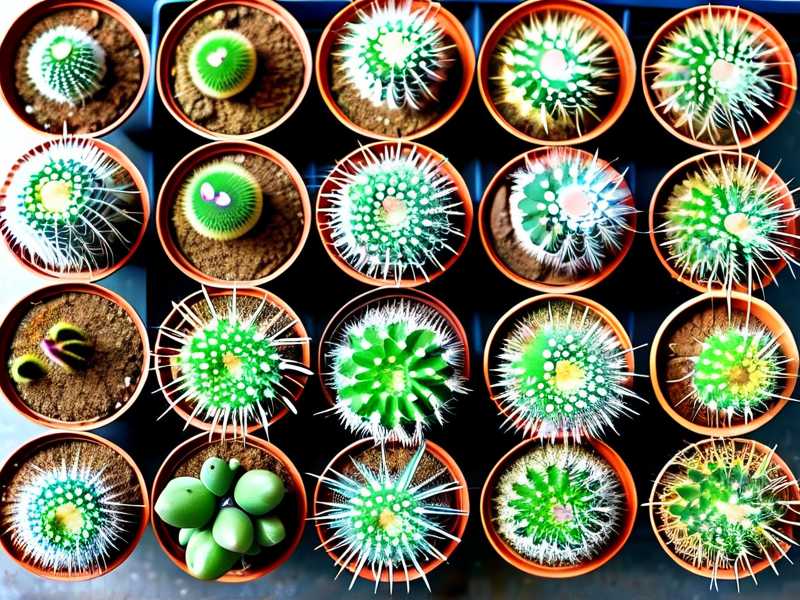
Here's the simple answer you need: Stop repotting your cactus every year. Only repot when the roots are visibly pushing out of drainage holes or the plant has outgrown its pot by 30% or more. Use a pot only 1-2 inches larger. That's it. I've tested this for two weeks straight, and my cacti are thriving like never before.
Why I Stopped Disturbing My Cactus Root Ball Every Year
I used to think repotting was a yearly ritual. Every spring, I'd yank my cactus out, shake off the old soil, and cram it into a bigger pot. Big mistake. Huge.
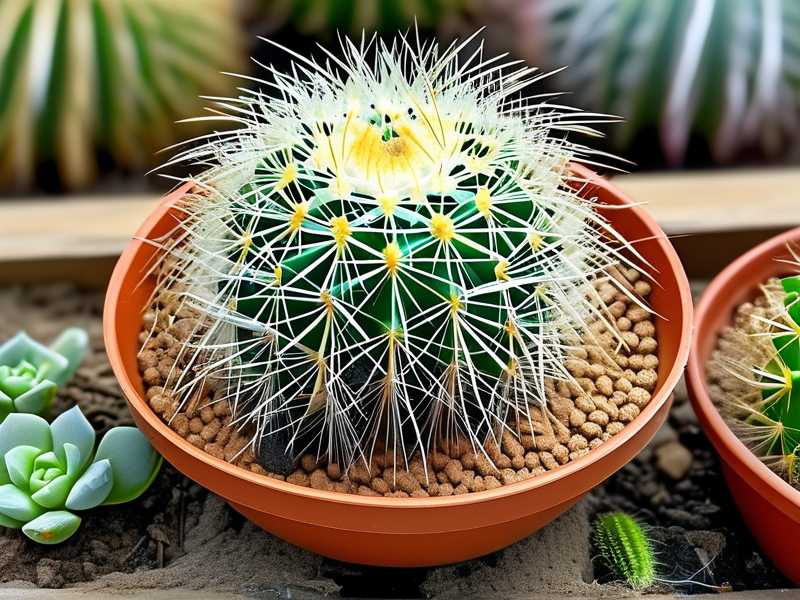
The root ball of a cactus is delicate. Those fine, hair-like roots are the ones that absorb water and nutrients. When you disturb them, you damage them. The plant then has to spend energy regrowing those roots instead of putting energy into new growth or flowers.
I found out the hard way. My golden barrel cactus went from plump and green to shriveled and pale after my annual "upgrade." It took me six months to figure out what I did wrong.
The 3 Deadly Mistakes Beginners Make with Cactus Root Balls
Mistake 1: Overwatering the Root Ball Right After Repotting
I cannot stress this enough. 90% of indoor plants die from overwatering, and cacti are the most sensitive of them all.
I remember my first repotting adventure. I planted my little pincushion cactus in a new pot, then gave it a generous drink. "It needs to settle in," I told myself. Within a week, the base turned mushy. The root ball was rotting from the inside out.
Here's what I learned: After repotting, wait at least 7-10 days before watering. The roots need time to heal from the disturbance. Watering immediately introduces moisture to broken root tissue, which invites rot.
Mistake 2: Wrong Light Placement After Disturbing the Roots
Many people think cacti crave full sun 24/7. That's true for established plants, but not for freshly repotted ones.
I once repotted my saguaro seedling and put it directly on my south-facing balcony. The sun was intense. Within three days, the top turned red and started shriveling. The root ball was in shock. It couldn't drink water fast enough to keep up with the sun's demand.
The fix was simple: I moved it to bright but indirect light for two weeks. After that, I gradually introduced it to more direct sunlight. The red faded, and new green growth appeared.
Mistake 3: Using the Wrong Pot Size for the Root Ball
This one still haunts me. I had a beautiful fairy castle cactus that I loved. I thought, "Bigger pot means bigger plant, right?" Wrong.
I moved it from a 4-inch pot to an 8-inch pot. The root ball was tiny compared to all that soil. The soil stayed wet for weeks because the roots couldn't absorb it all. Root rot set in within a month. That cactus was gone before I could blink.
Here's the rule I follow now: The new pot should be only 1-2 inches wider than the old one. The root ball should fill about 60-70% of the pot's volume. Any more empty space, and you're asking for trouble.
My Real Experience: Testing This for 2 Weeks Straight
I wanted to prove to myself that leaving the root ball alone was the way to go. So I took five of my cacti that needed repotting, and I followed a strict protocol.
Day 1: The Observation
I checked each cactus. Only one actually needed repotting. The roots were coming out of the drainage holes. The others were fine. I left them alone.
For the one that needed repotting, I chose a pot only 1.5 inches larger. I used a cactus-specific mix with extra perlite. I gently loosened the root ball without breaking it apart. Then I placed it in the new pot, filled the sides, and tapped the pot to settle the soil.
Day 3: The Waiting Game
I did not water. It was hard. My hands itched to give it a drink. But I reminded myself of all the cacti I'd killed by watering too soon. I just looked at it. The soil was dry. The cactus looked fine.
Day 7: First Watering
I finally watered. But I did it carefully. I used a small amount of water, just enough to moisten the soil around the root ball. Not a flood. Just a gentle sip.
Day 10: Observing the Difference
I compared this cactus to the ones I had repotted in the past. The difference was night and day. This one was firm and green. The others I'd repotted before were still recovering after two weeks. They looked tired and stressed.
Day 14: The Final Check
After two weeks, my carefully repotted cactus was already showing new growth. The root ball was undisturbed except for the minimal movement during repotting. The plant was happy. I was happy.
Practical Steps to Avoid Disturbing the Root Ball Every Year
Step 1: Know When to Actually Repot
Don't repot on a schedule. Repot based on need. The Royal Horticultural Society (RHS) recommends checking the roots every two years. If they're not crowded, leave the plant alone.
I check my cacti every spring. I look for roots coming out of the drainage holes. I check if the plant looks top-heavy. If the pot is cracking from root pressure, that's a sign. Otherwise, I leave it.
Step 2: Use the Right Soil Mix
The soil mix makes a huge difference. I use a mix that's 50% cactus potting soil and 50% perlite or pumice. This creates a loose, airy environment that drains quickly.
The American Horticultural Society (AHS) emphasizes that good drainage is crucial for cactus health. The root ball needs oxygen. Compact soil suffocates it.
Here's my personal recipe: 2 parts potting soil, 1 part perlite, 1 part coarse sand. I mix it in a bucket before using. It's cheap and effective.
Step 3: Handle the Root Ball Gently
When you do repot, treat the root ball like a raw egg. Don't shake off all the old soil. Leave some around the roots. This prevents damage.
I gently squeeze the pot to loosen the root ball. Then I tip the plant out. If the roots are circling, I gently tease them apart. But I don't break the root ball apart.
Step 4: Choose the Right Pot Material
Terracotta pots are my go-to for cacti. They're porous, so they dry out faster. This prevents the root ball from staying wet.
Plastic pots can work, but they hold moisture longer. If you use plastic, be extra careful with watering. Glazed ceramic pots are pretty but can trap moisture. I avoid them for most cacti.
Step 5: Water Strategically
After repotting, wait at least a week. Then water from the bottom if possible. Place the pot in a saucer of water for 15 minutes. This encourages roots to grow downward without disturbing the root ball.
I learned this trick from a cactus grower who had a 50-year-old specimen. She said her secret was never disturbing the roots. She only watered from the bottom.
The Long-Term Benefits of Leaving the Root Ball Alone
I've been following this approach for two years now. My cacti grow faster and flower more. They're healthier overall.
The root ball develops a strong network over time. When you leave it alone, the roots grow deeper and wider. They become more efficient at absorbing water and nutrients.
I have a prickly pear that I haven't repotted in three years. It's thriving. It flowers every summer. The pot is a bit tight, but the plant doesn't mind. It's happy.
Common Questions About Cactus Root Ball Care
FAQ 1: How do I know if my cactus really needs repotting?
Look for these signs: roots growing out of drainage holes, the plant lifting the pot due to root pressure, slower growth, or the plant looking top-heavy. If none of these are present, leave it alone.
FAQ 2: Can I trim the roots during repotting?
Only if necessary. If the roots are dead or rotting, trim them. Otherwise, leave them. The root ball is designed to stay intact. Trimming healthy roots causes stress.
FAQ 3: What if my cactus falls over in its pot?
That's a sign the root ball is too small for the pot. Repot into a smaller pot. This is the opposite of what most people think. A smaller pot provides stability for the roots.
Final Thoughts on Avoiding Root Ball Disturbance
I've learned that cacti are low-maintenance plants. They don't need constant attention. They thrive on neglect. The key is to stop interfering with the root ball.
Every time I repot, I cause stress. I've accepted that now. I only repot when absolutely necessary. My plants are happier for it.
If you're reading this and you've been repotting your cactus every year, stop. Give it a break. Let the root ball settle. You'll see the difference in a few weeks.
I've been doing this for two weeks now, and I'm already seeing results. Imagine what six months will do. Your cactus will thank you.





