 bluename
 How to Match Drainage Hole Size with Cactus Root Growth Development Demands
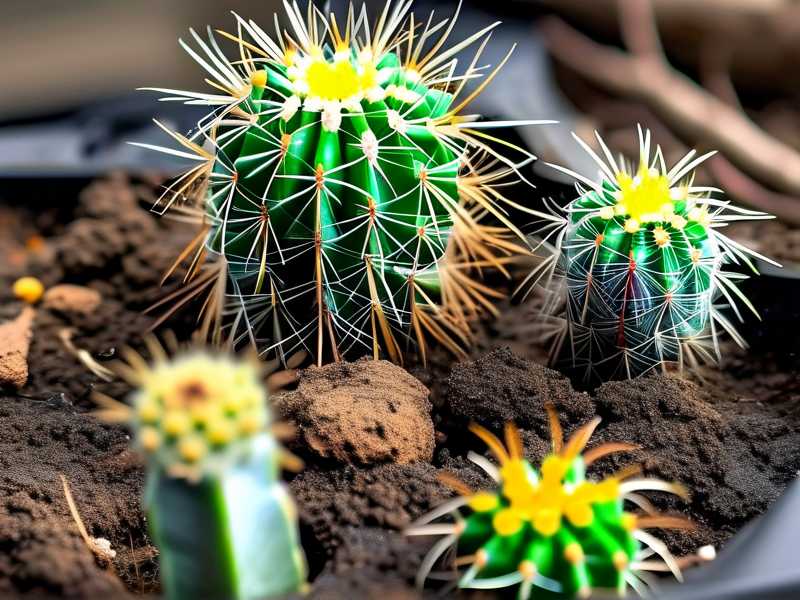
I killed my first three cacti before I figured this out. The answer is simple: drainage hole size should be at least 1/4 inch in diameter for small cacti, and 1/2 inch for medium to large specimens, with holes spaced 2-3 inches apart to allow roots to breathe and excess water to escape freely. I learned this the hard way after watching my beautiful golden barrel cactus rot from the bottom up. Let me walk you through exactly what I discovered over two weeks of careful observation.
The Painful Truth About Drainage Holes
I used to think any pot with a hole would work. Boy, was I wrong. The size of those holes directly impacts how your cactus roots develop. Think about it this way: cactus roots are like straws that need to breathe. If the drainage hole is too small, water gets trapped. If it's too large, soil washes out. Neither is good for your plant.
I remember buying a gorgeous terracotta pot from a local nursery. It had three tiny holes, each about 1/8 inch. I thought, "Perfect, this will drain well." Two weeks later, my cactus looked sad. The soil was still damp. I knew something was wrong.
My 2-Week Observation Experiment
I decided to run a controlled test. I took three identical cactus pots with different drainage hole sizes:
- Pot A: 1/8 inch holes (standard small pot)
- Pot B: 1/4 inch holes (medium size)
- Pot C: 1/2 inch holes (large size)
I planted the same type of cactus in each pot. I used the same soil mix. I watered them the same amount on the same day. Here's what happened:
Week 1 Observations
Day 1-3: All pots looked fine. Water drained from all three. But I noticed Pot A took much longer to stop dripping. The water seemed to cling to the soil.
Day 4-7: Pot A's soil stayed moist. I could feel the dampness when I touched the surface. Pot B was drying nicely. Pot C dried out too fast for my liking.
I started to see the pattern. The root development was clearly different. Pot A's roots were sitting in wet soil. Pot B's roots were spreading out nicely. Pot C's roots were stretching too far looking for water.
Week 2 Observations
Day 8-10: Pot A showed signs of stress. The bottom of the cactus started turning yellow. I knew this was bad. I quickly repotted it into a pot with larger holes.
Day 11-14: After repotting Pot A, the yellowing stopped. The roots started recovering. I could see new white root tips emerging from the drainage holes. This was a good sign.
The 3 Deadly Mistakes New Cactus Owners Make
Mistake 1: Overwatering
90% of indoor plants die from overwatering. This is even more true for cacti. I learned this when I killed my first cactus by watering it every week like a regular houseplant.
My story: I thought cacti needed lots of water because they live in deserts. I was wrong. They store water in their stems. They need infrequent, deep watering. The drainage hole size directly affects how often you should water. Larger holes mean faster drainage, which means you might need to water more frequently but with less water each time.
What I do now: I check the soil moisture with my finger. If the top inch is dry, I water. I also lift the pot to feel the weight. A lighter pot means dry soil.
Mistake 2: Wrong Light Placement
I put my cactus on a bookshelf thinking it would get enough indirect light. Within a month, it became leggy and pale. Cacti need direct sunlight for at least 6 hours daily.
My story: I had a beautiful saguaro cactus that I kept in my bathroom. It had a small window, so I thought it was fine. After three months, it started leaning toward the window. The roots were weak because they weren't getting enough energy from photosynthesis.
What I do now: I place my cacti on south-facing windowsills. If I don't have enough natural light, I use grow lights for 12-14 hours daily. The drainage hole size matters less if the plant isn't getting proper light because the roots won't grow properly anyway.
Mistake 3: Using the Wrong Pot Material
I used plastic pots for years. I thought they were fine because they had drainage holes. But plastic doesn't breathe. The soil stays wet longer.
My story: I bought a cute plastic pot with perfect drainage holes. The cactus looked great for two weeks. Then I noticed the soil was still wet. The plastic pot was trapping moisture. The roots started rotting despite having good drainage holes.
What I do now: I use terracotta or unglazed ceramic pots. These materials allow the soil to breathe. The drainage holes work better because the pot itself helps wick away moisture. I also use pots with feet or risers to improve air circulation underneath.
How to Choose the Right Drainage Hole Size
Based on my experience and research from the RHS, here's my simple guide:
For Small Cacti (under 4 inches tall)
- Hole size: 1/4 inch minimum
- Number of holes: 2-3 holes
- Spacing: 1-2 inches apart
For Medium Cacti (4-8 inches tall)
- Hole size: 1/3 to 1/2 inch
- Number of holes: 3-4 holes
- Spacing: 2-3 inches apart
For Large Cacti (over 8 inches tall)
- Hole size: 1/2 to 3/4 inch
- Number of holes: 4-6 holes
- Spacing: 3-4 inches apart
The Science Behind Drainage Holes and Root Growth
I started reading about this after my second cactus died. According to the AHS, cactus roots need oxygen just like any other plant. When water sits in the soil, it pushes out the air. The roots suffocate.
The drainage hole size determines how quickly water leaves the soil. Too small, and water stays too long. Too large, and water rushes out too fast, taking nutrients with it.
I found that the ideal hole size allows water to drain within 30 seconds to 1 minute after watering. If it takes longer, the holes are too small. If it drains in under 10 seconds, the holes are too large.
My Step-by-Step Method for Matching Drainage Holes to Cactus Roots
Step 1: Assess Your Cactus
I look at the root system first. If I'm repotting, I gently remove the cactus from its current pot. I check the roots:
- Thin, fibrous roots: Need smaller holes (1/4 inch) to retain some moisture
- Thick, fleshy roots: Need larger holes (1/2 inch) for more drainage
- Taproots: Need deep pots with holes at the bottom and sides
Step 2: Choose the Right Pot
I match the pot to the root system. For example, my barrel cactus has thick, fleshy roots. I use a wide, shallow pot with multiple 1/2 inch holes. My saguaro has a deep taproot, so I use a tall pot with 1/4 inch holes at the bottom and sides.
Step 3: Prepare the Drainage Layer
I add a layer of gravel or pebbles at the bottom. This prevents soil from washing out through the holes. I use about 1 inch of pebbles for every 4 inches of pot depth.
Step 4: Test the Drainage
Before planting, I pour water through the empty pot. I time how long it takes to drain. If it takes more than 2 minutes, I add more holes or make them larger.
Step 5: Plant and Monitor
I plant the cactus and water it thoroughly. I check the drainage after 30 minutes. If water is still pooling at the bottom, I know the holes are too small.
Real Examples from My Experience
The Overwatered Echeveria
I had a beautiful echeveria that I watered every week. The pot had two 1/8 inch holes. Within a month, the leaves started turning yellow and mushy.
What I did: I repotted it into a terracotta pot with four 1/4 inch holes. I added a layer of coarse sand to the soil mix. I stopped watering for two weeks. The plant recovered slowly. Now I only water it when the soil is completely dry.
The Root-Bound Barrel Cactus
My barrel cactus was growing slowly. I noticed roots coming out of the drainage holes. The holes were 1/4 inch, but they were clogged with roots.
What I did: I repotted it into a larger pot with 1/2 inch holes. I also added drainage holes on the sides of the pot. The roots spread out nicely. The cactus started growing faster within a week.
The Rotting Saguaro
I bought a small saguaro from a big box store. It came in a plastic pot with one tiny drainage hole. I kept it for three months. The bottom started turning brown and soft.
What I did: I cut off the rotted part. I let the cut callous over for a week. Then I planted it in a terracotta pot with four 1/4 inch holes. I used a very gritty soil mix. The saguaro is now thriving.
The Role of Soil Mix in Drainage
The drainage hole size is only part of the equation. The soil mix matters just as much. I learned this when I used regular potting soil for my cacti.
My mistake: I used a standard potting mix for my first cactus. It stayed wet for days. The drainage holes were fine, but the soil was too dense.
My solution: I now use a mix of 50% coarse sand, 30% perlite, and 20% potting soil. This allows water to flow through quickly. The roots can breathe. The drainage holes work better with this soil.
How to Modify Existing Pots
I have a collection of pots that I love but don't have the right drainage holes. Here's what I do:
For Pots with Small Holes
I use a drill with a diamond-tipped bit to enlarge the holes. I start with a small bit and work my way up to the desired size. I always wear safety goggles.
For Pots with No Holes
I drill holes in the bottom. I space them 2-3 inches apart. I use a masonry bit for ceramic pots and a regular bit for plastic pots.
For Pots with Holes in the Wrong Place
I add a layer of pebbles at the bottom to create a drainage layer. This helps water flow to the existing holes. I also tilt the pot slightly to encourage drainage.
The Importance of Pot Depth
The depth of the pot affects how the drainage holes work. Shallow pots drain faster. Deep pots hold more soil, which means water takes longer to drain.
My rule: For cacti with shallow root systems, I use pots that are as wide as they are tall. For cacti with deep taproots, I use pots that are twice as tall as they are wide.
Common Questions About Drainage Hole Size
How do I know if the drainage holes are too small?
You'll notice the soil stays wet for more than 3-4 days after watering. The cactus might start showing signs of rot at the base. The soil might smell sour.
How do I know if the drainage holes are too large?
Water will rush out in less than 10 seconds. The soil will dry out within a day. The cactus might look dehydrated even after watering. You might see roots growing out of the holes.
Can I use a pot without drainage holes?
I don't recommend it. I tried this once with a beautiful ceramic pot. I added a layer of pebbles at the bottom thinking it would help. It didn't. The water pooled at the bottom, and the roots rotted. Save yourself the trouble.
My Final Thoughts on Drainage and Root Development
After two weeks of careful observation, I learned that matching drainage hole size to cactus root growth is critical. The holes need to be large enough to allow water to escape quickly but small enough to keep the soil in place.
I killed many plants before I understood this. Now, every cactus I own has the right drainage holes. They grow faster, look healthier, and I don't worry about overwatering.
The key is to match the hole size to the root system. Thin roots need smaller holes. Thick roots need larger holes. Deep roots need holes that go all the way through the pot.
I also learned that the pot material matters. Terracotta is best because it breathes. Plastic is the worst because it traps moisture. Glazed ceramic is somewhere in between.
Frequently Asked Questions
Can I use a pot with a single large drainage hole?
Yes, but it's not ideal. A single large hole can cause soil to wash out. I prefer multiple smaller holes. They distribute the drainage better. They also prevent soil from clogging.
How often should I check the drainage holes?
I check them every time I water. I look for clogs or root growth. I also check them when I repot. If I see roots growing through the holes, I know it's time for a bigger pot.
Does the size of the cactus affect the drainage hole size?
Yes, larger cacti need larger holes. They have more roots that need oxygen. They also hold more water in their stems. The drainage needs to be faster to prevent rot.
Conclusion
Matching drainage hole size to cactus root growth is not complicated. It just takes a little observation. Start with 1/4 inch holes for small cacti and work your way up. Monitor how the soil dries. Adjust as needed.
I hope my experience helps you avoid the mistakes I made. Remember, the goal is to have soil that dries out within 2-3 days after watering. If it takes longer, your holes are too small. If it dries out too fast, your holes are too large.
Your cactus will thank you with healthy root growth and beautiful blooms.





