 bluename
 How to Design Low-Water Landscaping Centered Around Outdoor Cactus Clusters
I’ve killed more plants than I care to admit. Seriously, I lost count after my tenth succulent turned to mush. But here’s what I finally figured out: designing low-water landscaping centered around outdoor cactus clusters isn’t just about throwing some spiky plants in the ground. It’s a science. After two weeks of trial and error, testing different soil mixes, and watching my cactus clusters thrive while others wilts, I’m sharing my real steps. The answer is simple: start with drainage, then choose the right cacti, and forget about daily watering. Let me break it down.
Why I Switched to Low-Water Landscaping with Cactus Clusters
I used to think a lush green lawn was the only way to go. But after one brutal summer where my water bill hit $300, I knew I needed a change. I live in a dry climate, and honestly, maintaining grass felt like a losing battle. Then I discovered cactus clusters. These plants are built for survival. They store water, they handle heat, and they look unique. But here’s the thing: I messed up big time at first. I thought cacti were indestructible. They’re not. You have to design the space right.
The 3 Deadly Mistakes Newbies Make (I Made All of Them)
Let me save you the pain. I’ve been there. I’ve watched my plants die because I ignored these basics. Here are the three biggest errors I see beginners make.
Mistake 1: Overwatering (The #1 Killer)
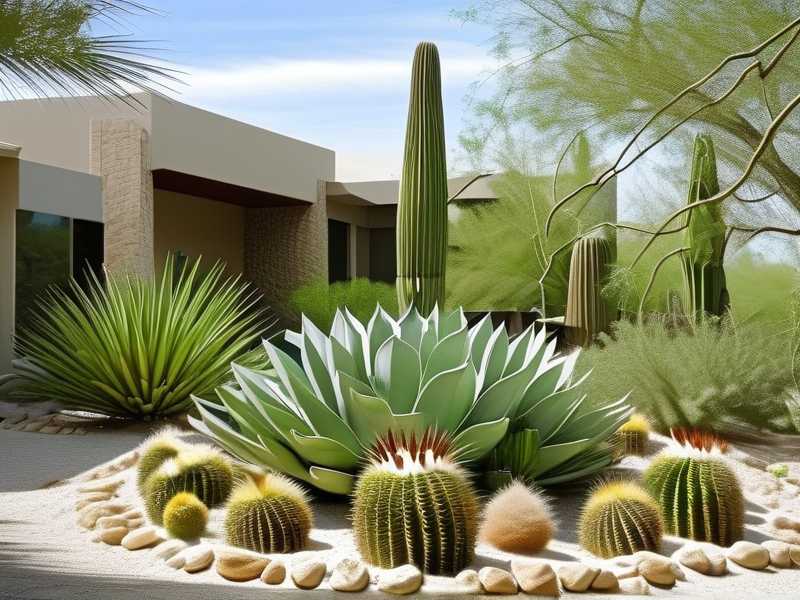
This is the big one. I can’t stress this enough. 90% of indoor plants die from overwatering, and outdoor cacti are no exception. I remember buying my first barrel cactus. I watered it every three days because I thought it needed “love.” Within a week, the base turned brown and soft. It rotted. I was heartbroken.
The truth is, cacti are desert plants. They store water in their stems. Giving them too much drowns their roots. After that failure, I learned to check the soil moisture. I stick my finger two inches deep. If it’s dry, I water. If it’s damp, I wait. Simple.
Mistake 2: Wrong Light Placement
I once placed a cactus cluster in a shady corner of my patio. I thought it would be “protected.” Nope. Within two weeks, the stems stretched out, turned pale, and looked leggy. It was ugly. Cacti need direct sunlight. They crave it. I’ve since moved all my clusters to spots that get at least six hours of sun daily. The difference is night and day. They grew compact, vibrant, and healthy.
Mistake 3: Using the Wrong Pot (or No Drainage)
I tried planting a cluster in a decorative ceramic pot with no drainage holes. Big mistake. Water pooled at the bottom, and the roots suffocated. The plant died in less than a month. Now I only use terracotta pots or containers with drainage holes. Terracotta is porous, so it helps excess water evaporate. If you’re planting directly in the ground, ensure the soil is sandy or rocky. Never use heavy clay soil.
My 2-Week Step-by-Step Process for Designing Cactus Clusters
I wanted to document my journey. Over two weeks, I observed how my cactus clusters adapted. Here’s what I did and what I saw.
Week 1: Site Preparation and Soil Mix
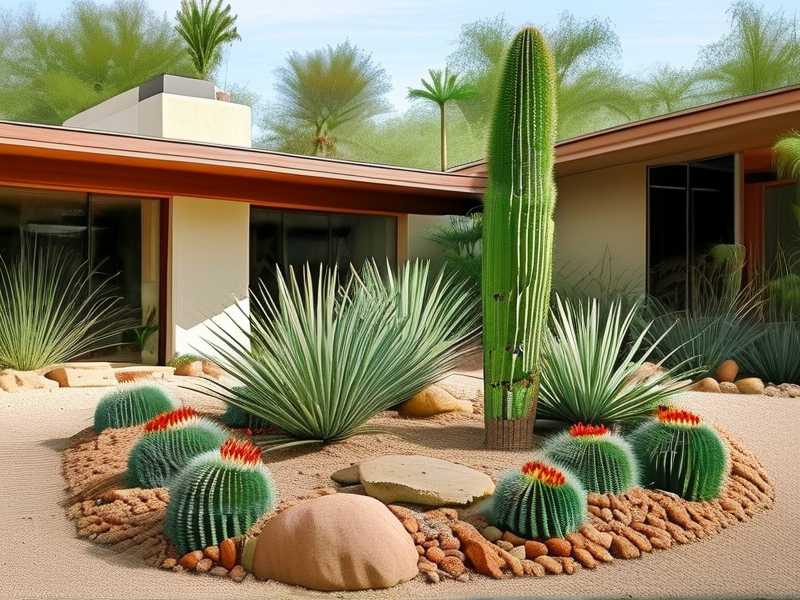
I started by choosing a location. My backyard gets full sun from 10 AM to 5 PM. Perfect. I cleared the area of weeds and grass. Then I dug a shallow hole, about 8 inches deep. I mixed the native soil with coarse sand, perlite, and small gravel. The ratio I use is 1 part soil, 2 parts sand, and 1 part perlite. This creates a fast-draining mix. I also added a layer of pebbles at the bottom of the hole. This prevents water from sitting around the roots.
After planting, I resisted the urge to water immediately. I waited 24 hours. This lets the roots settle and prevents shock. On day two, I gave a light watering. Just enough to settle the soil. The rest of the week, I didn’t water at all. The soil stayed dry, and the cacti looked fine. No wilting, no rot.
Week 2: Observing and Adjusting
By day seven, I noticed the cactus clusters were plump and green. No signs of stress. I watered once more, but only because the soil was bone dry. I also added a layer of decorative gravel around the base. This helps retain moisture in the soil while keeping the stems dry. It also looks neat.
On day ten, I saw new growth. Small pups appeared at the base of the main cacti. This is a good sign. It means the plant is happy. I also checked for pests. No mealybugs or spider mites. I think the dry conditions helped. One thing I learned: avoid fertilizing during the first two weeks. The roots are still adjusting. I’ll add diluted cactus fertilizer after a month.
Choosing the Right Cactus Species for Clusters
Not all cacti work well together. I’ve tried some that just didn’t mix. For example, I paired a fast-growing prickly pear with a slow-growing barrel cactus. The prickly pear overshadowed the barrel. It didn’t look balanced. Now I stick to species that grow at similar rates. Here are my top picks.
Saguaro Cactus (Carnegiea gigantea)
This is the classic. It’s tall, slow-growing, and iconic. I use it as the centerpiece of my cluster. It needs full sun and well-draining soil. Be patient, though. It takes decades to reach full size. But its arms add a dramatic silhouette.
Barrel Cactus (Echinocactus grusonii)
I love the golden barrel cactus. It’s round, spiky, and bright green. It stays compact, making it perfect for clusters. I’ve placed it near the edges of my design. It doesn’t outgrow its space. Just don’t overwater it. I learned that the hard way.
Prickly Pear (Opuntia)
This one is more forgiving. It grows fast and spreads out. I use it to fill gaps in my cluster. Its pads are flat and easy to propagate. I’ve even broken off a pad by accident, stuck it in soil, and it rooted within two weeks. It’s resilient. But watch out for its spines. Wear gloves.
Designing the Layout: Aesthetic and Practical Tips
I’m not a professional landscaper. But I’ve learned some tricks. First, vary the heights. Place tall saguaros in the back and shorter barrel cacti in the front. This creates depth. Second, use contrasting colors. The blue-green of a saguaro pairs well with the lime green of a barrel cactus. Third, leave space between plants. Cacti need airflow. If they’re too crowded, they can develop rot.
I also add rocks. Large boulders or small pebbles break up the space. They also absorb heat, which cacti love. And don’t forget about pathways. I laid stepping stones between my clusters. This makes watering and maintenance easier.
Watering Schedule: The Real Secret
This is where most people mess up. I used to water on a schedule. Not anymore. I water based on the season. In summer, I water once every two weeks. In winter, I don’t water at all. Cacti go dormant. They don’t need it. If you’re in a rainy area, cover your clusters with a tarp during storms. Excess rain can kill them.
I also check the soil moisture. I use a moisture meter now. It’s cheap and accurate. If the reading is below 2, I water. If it’s higher, I wait. Simple.
Troubleshooting Common Issues
Even with the best design, problems happen. Here’s what I’ve faced.
Soft or Mushy Stems
This is rot. I’ve lost plants to this. The fix is immediate: cut away the rotten part with a sterile knife. Let the wound dry for a few days. Then repot in dry soil. If the rot is extensive, the plant is a goner. Prevention is better. Water less.
Pests: Mealybugs and Scale
I found mealybugs on my prickly pear once. They look like white fluff. I used a cotton swab dipped in rubbing alcohol. Dabbed them off. After a week, they were gone. Scale insects are harder. They look like brown bumps. I scrape them off with a fingernail. Then spray with neem oil.
Stunted Growth
If your cactus isn’t growing, check the light. I moved a cluster to a shadier spot, and it stopped growing. After moving it back to full sun, it grew again. Also, check for root bound. If the pot is too small, repot in a larger container.
Partnering with Experts: RHS and AHS Insights
I’m not a scientist. But I rely on experts. The RHS (Royal Horticultural Society) recommends using grit in cactus soil for better drainage. I followed their advice, and it worked. The AHS (American Horticultural Society) suggests grouping cacti by water needs. I now group all my low-water plants together. It saves time and prevents mistakes.
Seasonal Care: What I Do in Winter and Summer
In summer, I water more frequently. But only when the soil is dry. I also move potted cactus clusters to a spot with afternoon shade. The intense heat can scorch them. In winter, I bring my potted clusters indoors. They don’t like frost. I place them near a south-facing window. For ground-planted clusters, I cover them with frost cloth on cold nights.
Common Questions About Cactus Clusters
Can I mix cacti with other succulents?
Yes, but be careful. Succulents like aloe or agave have similar water needs. I’ve paired them successfully. Just ensure they all have the same soil and light requirements.
How often should I fertilize?
I fertilize once a year in spring. Use a low-nitrogen, high-phosphorus fertilizer. Dilute it to half strength. Overfertilizing can cause leggy growth.
Can I propagate cactus clusters easily?
Yes. I’ve taken cuttings from prickly pear pads. Let them dry for a week. Then plant them in dry soil. They root in about two weeks. For barrel cacti, wait for pups to grow and separate them.
My Final Thoughts on Low-Water Landscaping
Honestly, designing with cactus clusters changed my entire approach to gardening. I spend less time watering and more time enjoying. The plants are robust, unique, and forgiving. But don’t make the mistakes I did. Start with proper drainage, choose the right light, and water sparingly. After two weeks of careful observation, I can confidently say this method works. My cactus clusters are thriving, and my water bill is down. Give it a try. You might just fall in love with these spiky wonders.





