 bluename
 How to Identify Early Warning Stress Signs on All Types of Cactus Specimens
I’ve been growing cacti for years, and I’ve killed more than a few along the way. If you’re here, you probably want to know how to identify early warning stress signs on all types of cactus specimens before it’s too late. Here’s the straight answer: look for softening at the base, discoloration near the stem, and any unusual wrinkling or spotting. These are your first red flags. I learned this the hard way after my first cactus turned into mush within two weeks. Stick with me, and I’ll walk you through exactly what to watch for.
The 3 Deadly Mistakes Newbies Make (I Made Them Too)
Let’s get real. I’ve been there, standing over a shriveled cactus, wondering what went wrong. Honestly, most beginners repeat the same errors. I’ve seen it in forums, and I’ve lived it myself. Here are the three biggest pitfalls, and how to dodge them.
Mistake #1: Overwatering – The Silent Killer
I remember killing my first cactus by watering it every three days. I thought it needed that much care. Big mistake. The truth is, 90% of indoor plants die from overwatering, and cacti are no exception. The roots rot, and the plant collapses from the inside out.
I’ve since learned to wait until the soil is bone dry. Actually, I stick my finger in the pot an inch deep. If it feels damp, I wait another week. I’ve also started using a moisture meter. It’s cheap and saves you from guessing. For cacti, less is always more. I water maybe once every two to three weeks during winter, and only slightly more in summer.
Mistake #2: Light Placement – Too Much or Too Little
I used to put my cactus on a dark shelf because it looked nice. Within a week, it started leaning and turning pale. I thought it was just a phase. But no, it was stress from lack of light.
On the flip side, I’ve also scorched a cactus by placing it in direct afternoon sun without acclimating it first. The top turned brown and crispy. I had to move it to a spot with bright indirect light, then slowly introduce it to more sun over a month. Now, I keep most cacti near a south-facing window, but I rotate them every few days so they don’t lean. It’s a simple fix, but it makes a world of difference.
Mistake #3: Wrong Pot – No Drainage
I’ll admit, I once bought a cute ceramic pot with no drainage holes. It looked great, but my cactus drowned in a week. The water had nowhere to go, and the roots suffocated.
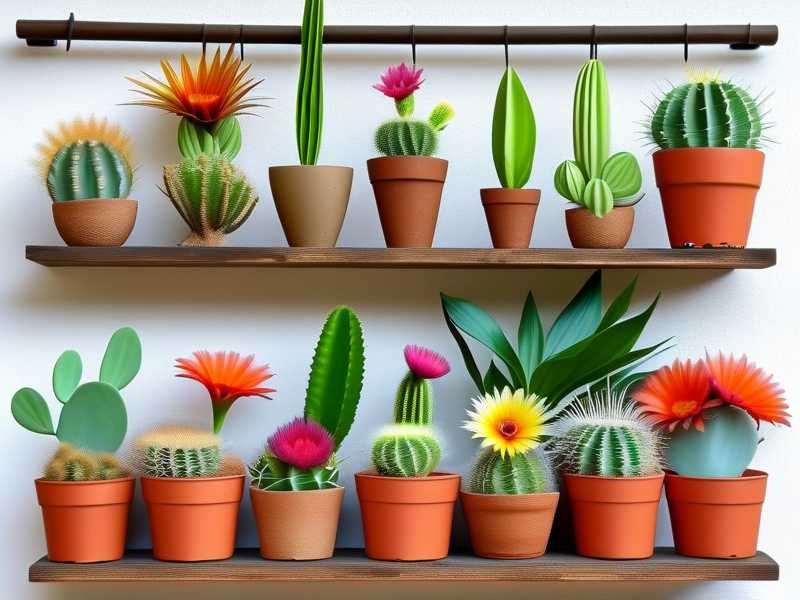
I’ve since switched to terracotta pots with drainage holes. They dry out faster, which is exactly what cacti need. I also add a layer of gravel at the bottom. Many people skip this, but it helps prevent water from pooling. If you’re using a decorative pot, keep it as a cache pot—just slide the cactus’s plastic nursery pot inside. Simple and effective.
Spotting Early Stress Signs: My 2-Week Observation Routine
I’ve developed a hands-on method over the years. Every two weeks, I give my cacti a thorough check. Here’s my step-by-step process, which I’ve refined after killing my third plant.
Week 1: Look for Visual Cues
I start by examining the color. A healthy cactus is usually a uniform green. If I see yellowing or browning, that’s a stress signal. I’ve noticed that yellowing often means too much water, while brown patches might indicate sunburn.
I also check for soft spots. I gently press the sides. If any part feels mushy, that’s rot forming. I’ve had to cut away mushy sections with a sterile knife. It’s not pleasant, but it saves the plant. Speaking of saving, I also look for wrinkles. A wrinkled cactus is dehydrated, often from underwatering or root damage. I’ve learned to water it slowly and let it soak for a few hours.
Week 2: Check the Soil and Roots
After two weeks, I dig a little deeper. I tilt the pot and check the drainage holes. If roots are poking out, it’s root-bound. I’ve repotted a few that were cramped, and they bounced back within a month.
I also smell the soil. A sour or musty odor means rot. I’ve had to repot into fresh soil and cut off dead roots. The RHS [https://www.rhs.org.uk] recommends using a well-draining mix, like 50% potting soil and 50% perlite or sand. I’ve stuck to this combo, and it works wonders.
Common Stress Signs Across Cactus Types
I’ve collected different species, from barrel cacti to prickly pears. Each shows stress a bit differently. Here’s what I’ve noticed.
Barrel Cacti: Watch for Shrinking
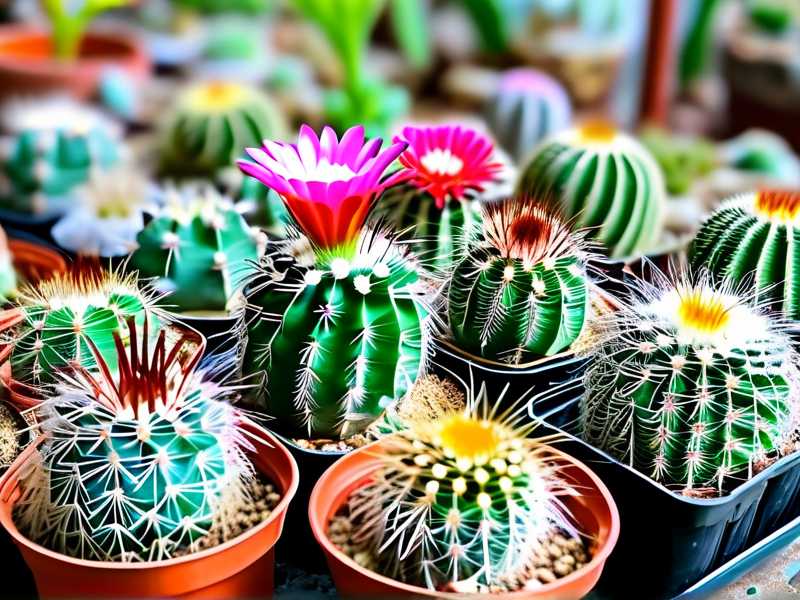
Barrel cacti are round, so when they shrink, it’s obvious. I’ve seen one lose its plump shape and look deflated. That’s usually a sign of underwatering. I give it a deep soak, and it plumps up in a day. But if it starts turning yellow near the top, it might be overwatered. I’ve had to stop watering for a month to fix that.
Prickly Pears: Look for Drooping Pads
Prickly pears are tough, but they’re not immune. I’ve had a pad droop and turn purple. At first, I thought it was cold damage. It turned out to be too much water. I stopped watering for two weeks, and the pad recovered. Now, I only water when the soil is completely dry.
Columnar Cacti: Check for Leaning
Columnar cacti, like saguaros, can lean if they’re stressed. I’ve seen one lean toward a window, which was fine. But if it leans without a clear reason, it’s probably root rot. I’ve had to repot one and trim the rotting roots. The AHS [https://ahsgardening.org] suggests checking for pests too, like scale insects. I’ve spotted them on a few plants, and I treat them with a cotton swab dipped in alcohol.
My Tried-and-True Troubleshooting Steps
I’ve learned from my mistakes. Here’s what I do when I spot stress.
Step 1: Isolate the Plant
I move the stressed cactus away from others. I’ve had a fungus spread to a healthy one, and it was a nightmare. Isolation prevents that. I keep it in a separate room for two weeks.
Step 2: Adjust Watering
I pause watering immediately. I’ve learned that overwatering is the main culprit. I let the soil dry out completely, which can take a week or two. Then, I water sparingly, just enough to moisten the soil.
Step 3: Check Light Levels
I move the cactus to a spot with bright indirect light. I’ve had a few that needed more light, so I gradually introduced them to direct sun. I do this over a week, starting with an hour of morning sun and increasing by 30 minutes each day.
Step 4: Repot if Needed
If the soil smells bad or roots are rotten, I repot. I’ve done this a few times. I remove the cactus, cut off dead roots, and place it in a fresh, dry mix. I wait a week before watering again. It’s stressful for the plant, but it’s the only way to save it.
FAQ: Answering Your Top 3 Questions
Q1: How often should I water my cactus?
I’ve found that once every two to three weeks is ideal for most indoor cacti during winter. In summer, I water every week to ten days. But always check the soil first. If it’s moist, skip it.
Q2: What does a healthy cactus look like?
A healthy cactus is firm, evenly colored, and upright. I’ve seen mine plump up after proper care. If it’s pale or soft, it’s stressed. The RHS [https://www.rhs.org.uk] lists vibrant green as a good sign.
Q3: Can I save a cactus that’s already rotting?
Yes, but it’s a race against time. I’ve saved a few by cutting off the rotten part, letting the cut callus over for a few days, and replanting in dry soil. I’ve also propagated from healthy segments. It’s not guaranteed, but it’s worth a try.
Final Thoughts from a Cactus Lover
I’ve been through the wringer with cacti. I’ve killed them, revived them, and learned to read their signals. Early warning stress signs are your best friend. Catch them soon, and you’ll have a thriving collection. I still check my plants every two weeks, and I’ve never looked back. Happy growing!





