 bluename
 How to Encourage New Stem Growth After Heavy Pruning Mature Cactus
I'll be honest with you: the first time I chopped back a mature cactus, I was sure I'd killed it. The thing sat there for three weeks looking like a sad green stump, and I nearly tossed it in the compost. Then, right around day 21, tiny pink nubs started pushing out of the areoles near the cut. That's when I learned that heavy pruning doesn't kill a cactus — it wakes it up. If you want to encourage new stem growth after heavy pruning a mature cactus, the short answer is this: give it strong light, hold back on water for the first two weeks, keep it warm, and don't feed until you see actual new growth. Everything else is just fine-tuning.
Cacti are some of the toughest plants you can grow indoors or on a sunny patio, which is exactly why so many of us love them. They're forgiving, they look architectural, and they don't throw a fit if you forget them for a week. But pruning a mature one is a different game. You're not just tidying up — you're triggering a growth response, and how you handle the next six to eight weeks decides whether you get a flush of fresh stems or a slow decline.
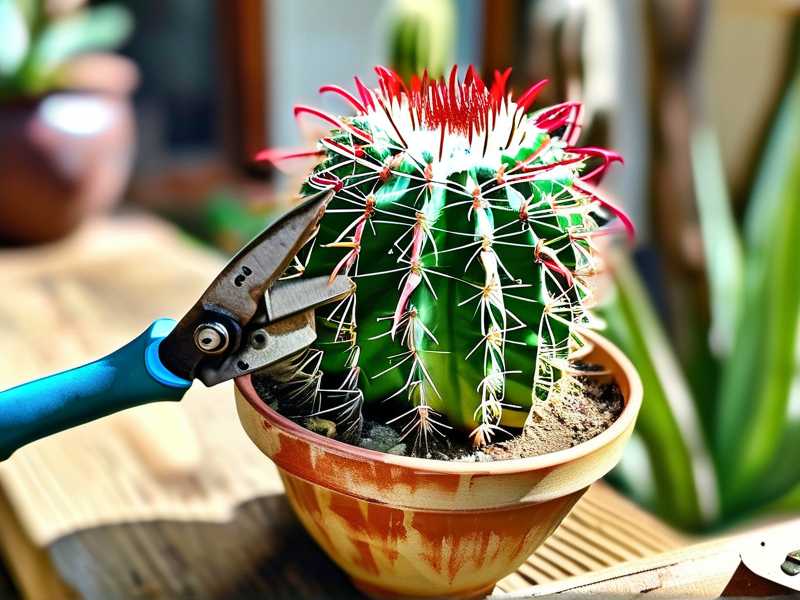
Why Heavy Pruning Actually Stimulates Growth
Here's the thing people miss. Cacti store energy in their stems and roots. When you remove a big chunk of stem, you take away some of that storage, but you also remove the tissue that was suppressing new growth points. Many columnar and branching cacti have areoles that stay dormant under a hormonal signal from the tip. Cut the tip, and that signal disappears.
According to the Royal Horticultural Society, cacti and succulents respond to pruning by activating latent buds along the remaining stem. That's the mechanism you're working with. You're not forcing the plant to grow — you're removing the brake.
The American Horticultural Society notes that timing matters just as much as technique. Prune when the plant is entering its active season, not when it's trying to rest. For most home growers, that means late spring or early summer.
My Two-Week Observation After Pruning
I want to walk you through exactly what I did, because vague advice drove me crazy when I was starting out.
This was a five-year-old golden barrel that had gotten lopsided after a bad winter by a drafty window. I cut back two of the main offsets with a sterilized blade, leaving about four inches of stem on each. Here's my timeline:
Day 1-3: The cut surfaces callused over. I kept the plant dry and in bright, indirect light. No water at all.
Day 4-7: Nothing visible. I resisted the urge to water. This is where most people crack, by the way.
Day 8-10: I gave the first light watering — just enough to moisten the top inch of soil. Still no fertilizer.
Day 11-14: Small bumps appeared near the areoles on the remaining stem. Not green yet, just swollen. That was the signal.
By the end of week two, I had visible new growth points. By week five, actual stems. The key was patience in those first ten days.
The Three Mistakes That Kill New Growth
Let me save you some heartbreak. I've made all of these.
Mistake one: overwatering. This is the big one. 90% of indoor plants die from overwatering, and cacti are no exception. After a heavy prune, the plant has fewer stems to use water, so its demand drops. If you water the same as before, you're basically drowning the roots. I lost a beautiful blue columnar cactus this way. Learned my lesson.
Mistake two: wrong light. New growth needs energy, and energy comes from light. But fresh cuts and tender new stems can scorch in direct afternoon sun. I put a freshly pruned cactus on a south-facing windowsill in July once. The new growth came in red and crispy. Now I use a sheer curtain for the first month.
Mistake three: wrong pot. After pruning, a lot of people repot into a bigger container thinking it'll help. It doesn't. A too-large pot holds excess moisture around the roots. I killed a rebutia that way — root rot within three weeks.
Light: The Engine of New Stem Growth
Here's what I've found works best. For the first two weeks after pruning, give your cactus bright, indirect light. Think filtered sun through a window or a spot under a tree that gets dappled light. This lets the cut heal without stress.
After two weeks, slowly move it toward stronger light. Most mature cacti want at least six hours of direct sun once they're actively growing. If you're indoors, a south or west window is ideal. If the stems start turning reddish or purple, that's sun stress — back off a bit.
Not enough light? New growth will be thin, pale, and stretched. It's called etiolation, and it's permanent. Those weak stems won't thicken up later, no matter what you do. So light isn't optional.
Watering After a Heavy Prune
The rule I follow is simple: dry first, then soak. Wait until the soil is completely dry through the pot before watering again. In summer, that might mean every 10 to 14 days. In winter, once a month or less.
When you do water, water thoroughly until it runs out the drainage holes. Then empty the saucer. Don't let it sit in water.
One thing I wish someone had told me earlier: after heavy pruning, reduce your watering by about half for the first month. The plant doesn't need as much, and excess moisture is the fastest way to rot the cut surface.
Soil and Repotting: Do It Right or Don't Do It
I don't repot right after pruning. Too much stress at once. Wait until you see new growth, then repot if needed.
When you do, use a mix that drains fast. My go-to is equal parts potting soil, coarse sand, and perlite. Some people add a handful of small gravel. The point is drainage.
For pots, terracotta is your friend. It breathes and wicks away moisture. Plastic works too, but you have to be more careful with watering. Always use a pot with drainage holes. Always.
Fertilizing: Less Is More
Don't fertilize a freshly pruned cactus. Wait until you see new growth — actual green stems, not just bumps. Then use a diluted cactus fertilizer at half strength. Once a month during the growing season is plenty.
I use a 2-7-7 formula, which is low nitrogen. Too much nitrogen makes soft, weak growth that attracts pests. I feed from late spring through early summer, then stop by mid-August so the plant can harden off before winter.
Seasonal Care After Pruning
Spring is when I do most of my pruning. The plant is waking up, days are getting longer, and it has energy to spare. This is also when I repot if needed and start light feeding.
Summer is growth time. Full sun, regular water, and watch for pests. Spider mites love hot, dry conditions. I check the undersides of stems weekly.
Autumn is for slowing down. I reduce water and stop fertilizing by mid-fall. Any new growth needs time to harden before cold hits.
Winter is rest. Keep the cactus cool — around 50°F is ideal for most species — and water sparingly. If you keep it warm and watered in winter, it'll etiolate.
A Few Final Thoughts and Questions I Get a Lot
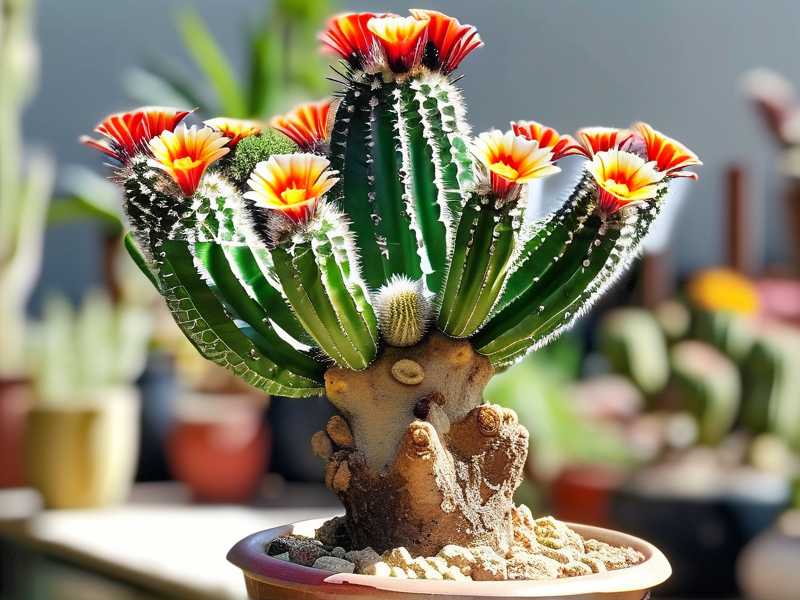
How long until I see new growth? Usually 2 to 4 weeks if conditions are right. If nothing happens after six weeks, check your light and water. Something's off.
Can I prune in winter? You can, but don't expect much growth until spring. The plant is resting. I've done it out of necessity and the new stems didn't show up until April.
What if the cut turns black or mushy? That's rot. Cut back further with a sterile blade until you hit clean, healthy tissue. Let it callus and start over with drier conditions.
The bottom line is this: heavy pruning is a reset, not a death sentence. Give it light, hold the water, keep it warm, and wait. Your cactus will reward you.





