bluename
 How to Apply Food-Grade Diatomaceous Earth for Long-Term Cactus Pest Prevention
If you've ever lost a prized cactus to a sneaky infestation, you know the frustration. I've been there—watching a beautiful Euphorbia slowly get drained by mealybugs I didn't spot until it was too late. That's why I want to share my two-week experiment with food-grade diatomaceous earth (DE) for long-term cactus pest prevention. This isn't theory. This is what I actually did, step by step, including the mistakes I made so you don't have to.
Why Diatomaceous Earth Works for Cacti (And Why It's Not Instant Magic)
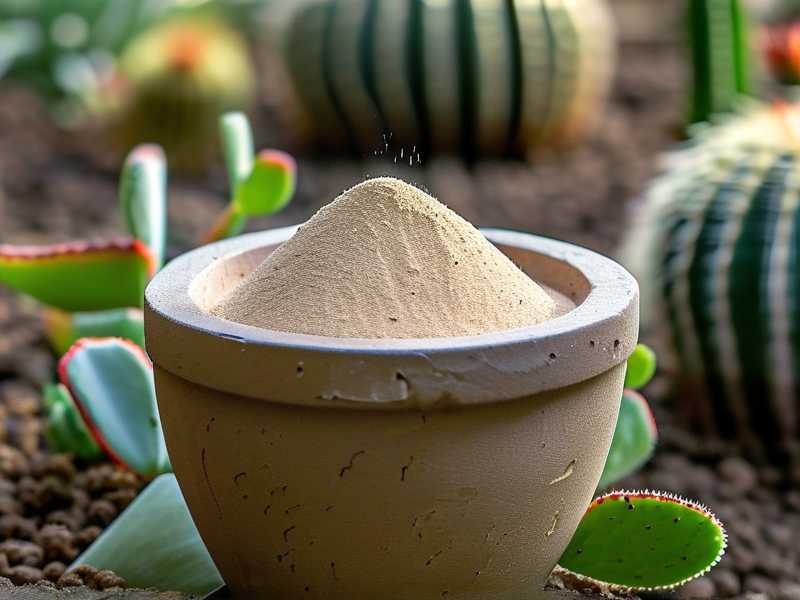
Food-grade DE is a fine powder made from fossilized algae. Up close, each particle is sharp and tiny. Insects like fungus gnats, mealybugs, and spider mites crawl through it, and the powder scratches their protective outer layer. They dry out and die.
But here's the catch: DE only works when it's dry. The moment it gets wet, it stops being effective. That's the biggest lesson I learned the hard way.
For cacti, this is actually good news. Cacti hate moisture anyway. So if you're already careful with watering, DE fits right into your routine.
My 2-Week Food-Grade DE Experiment: Step-by-Step
I used food-grade DE from a local garden center. You can find it online or at most nurseries. Don't use pool-grade DE—it's chemically treated and too coarse for indoor use.
Here's exactly what I did:
Day 1: Prep and First Application I took my three worst-off cacti—a golden barrel, a bunny ear, and a small saguaro seedling. All had signs of mealybugs or fungus gnats.
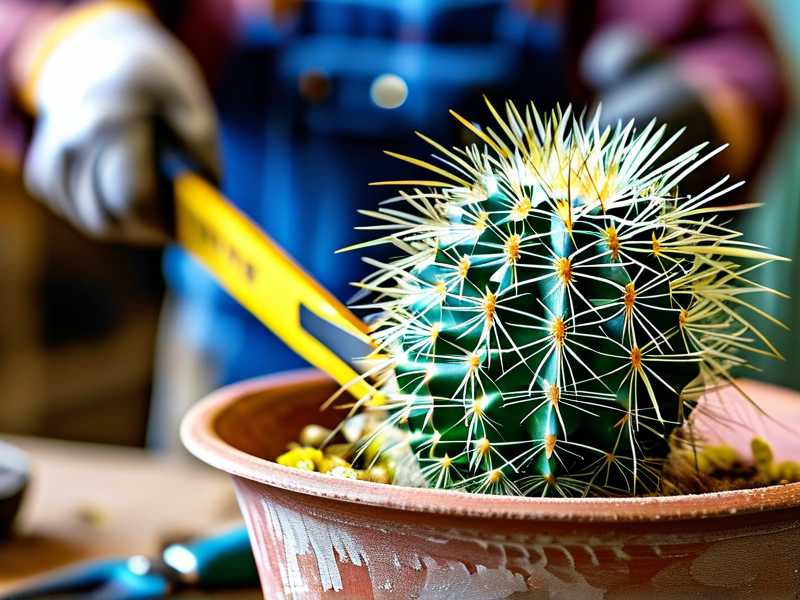
I put on a dust mask and safety glasses. DE is safe to eat but you don't want to breathe it in. I used a soft makeup brush to dust a thin layer around the base of each cactus and on the topsoil.
I also sprinkled a light ring around the rim of each pot. Pests often crawl up the sides.
Day 3: First Check I saw fewer fungus gnats buzzing around. But I also noticed the DE had clumped near the drainage hole. That tells me the soil was too wet. Mistake number one: I watered right after applying DE. Don't do that.
Day 7: Reapplication and Fix I removed the clumped DE with a dry spoon. Then I waited two full days after watering before reapplying. This time I used a tiny sieve to dust a thin, even layer. Much better.
Day 10: Visible Improvement Mealybugs on the golden barrel were gone. The bunny ear still had a few hiding in the crevices. I used a cotton swab dipped in rubbing alcohol to remove them, then dusted DE again.
Day 14: Final Results All three cacti were pest-free. No new gnats. No new mealybugs. I also noticed the soil surface stayed drier because DE absorbs a bit of surface moisture.
But here's the real takeaway: DE isn't a one-and-done fix. You have to reapply after every watering. And for long-term prevention, you need to combine it with proper cactus care.
The Three Deadly Mistakes Most New Cactus Growers Make
I've killed my fair share of cacti. After years of trial and error, I can tell you that 90% of indoor plants die from overwatering. That includes cacti. But overwatering is just one piece of the puzzle.
Mistake 1: Watering Too Much (And Too Often)
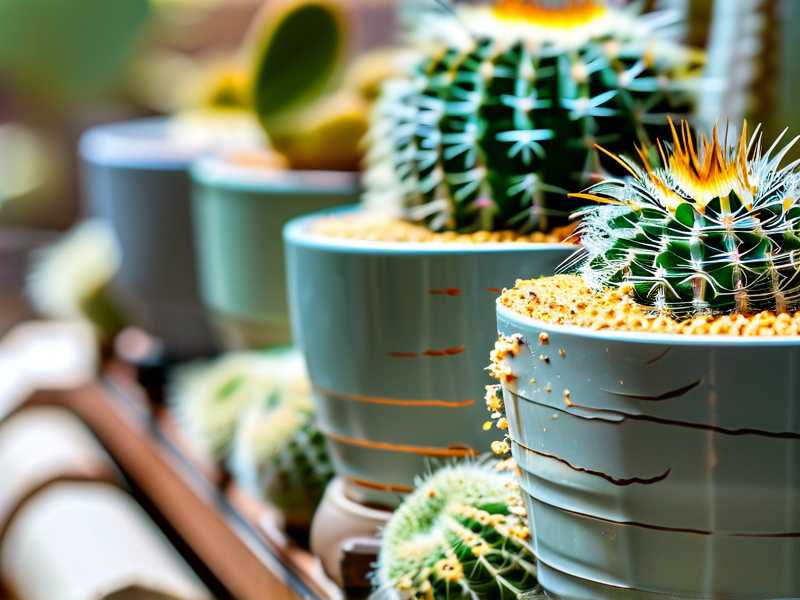
Cacti aren't houseplants that need weekly water. They evolved in deserts. In my early days, I watered my first cactus every Sunday like clockwork. It rotted in three weeks. The roots turned to mush. I had no idea until I pulled it out of the pot.
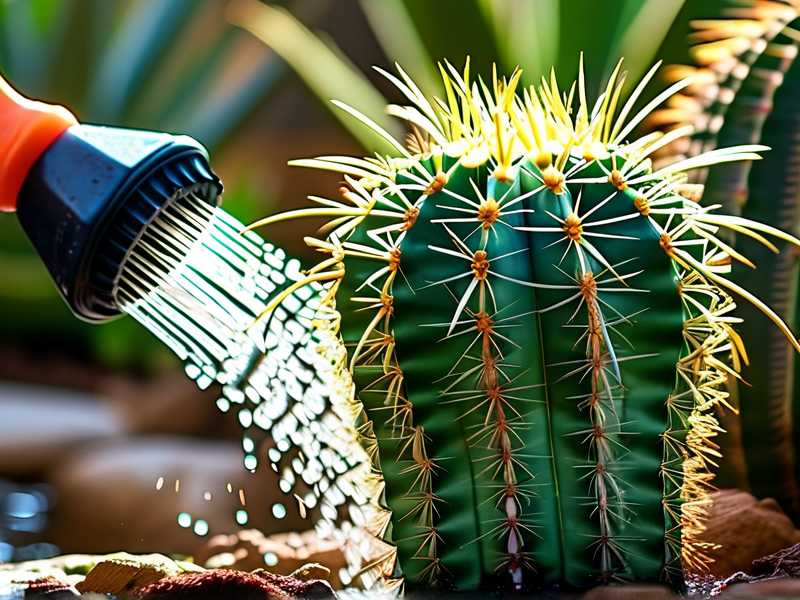
The fix: Water only when the soil is completely dry. For most indoor cacti, that's every 2–4 weeks in summer and once every 6–8 weeks in winter. When you do water, soak the soil until water runs out the drainage hole, then dump the excess. Never let the pot sit in water.
Mistake 2: Wrong Light (Too Little or Too Much)
I once put a small Mammillaria on a south-facing windowsill in July. It got sunburned—yes, cacti can get sunburn. The skin turned yellow and scarred. Another time, I put a cactus in a dark corner. It stretched out thin and pale, trying to reach light that wasn't there.
The fix: Most cacti need 4–6 hours of direct sun per day. A south or east window is ideal. In extremely hot climates, use a sheer curtain during midday. If your cactus starts leaning or growing skinny, it needs more light. If it gets brown or white patches, it's getting too much.
Mistake 3: Using the Wrong Pot (No Drainage, Wrong Size)
I tried growing a cactus in a cute ceramic pot without a drainage hole. I thought I could just water less. I couldn't. The soil stayed wet at the bottom. Root rot set in. By the time I noticed, the cactus was hollow inside.
The fix: Always use a pot with at least one drainage hole. Terracotta is great because it wicks away moisture. The pot should be only 1–2 inches wider than the root ball. Too big a pot holds too much wet soil.
Light, Water, Soil, and Fertilizer: The Core Care That Makes DE Work
You can't just sprinkle DE and expect miracles. It works best when your cactus is already healthy.
Light As I mentioned, 4–6 hours of direct sun. In winter, when days are short, you might need a grow light. I use a simple LED shop light for 8 hours a day. My cacti stay compact and green.
Water The soak-and-dry method is everything. Water deeply, then wait until the soil is bone dry. In summer, that might be every 10–14 days. In winter, every 6–8 weeks. If you're unsure, wait another week. Cacti handle drought far better than wet feet.
Soil Use a gritty mix. I make my own: 50% potting soil, 25% perlite, 25% coarse sand or pumice. This drains fast. DE works better on dry surface soil, so a gritty mix helps.
Fertilizer Feed only during the growing season—spring and summer. Use a cactus-specific fertilizer diluted to half strength. Once a month is plenty. Never fertilize in fall or winter. Never fertilize a dry cactus; water first.
Seasonal Care for Long-Term Pest Prevention
Pests don't take vacations. But their activity changes with the seasons. Here's how I adjust my DE routine.
Spring: Growth and First Defense Spring is when pests wake up. I start by cleaning the cactus with a soft brush. Then I apply a thin layer of DE around the base and on the topsoil. I reapply after every watering. I also repot if the cactus has outgrown its pot. Fresh soil plus DE equals a strong start.
Summer: Heat, Sun, and Vigilance Summer is peak pest season. Spider mites love hot, dry air. I check the crevices of my cacti every week. If I see webbing, I dust DE immediately. I also improve airflow with a small fan. Stagnant air invites pests. And I never let DE get wet from rain or overhead watering.
Fall: Slow Down and Prep for Winter In fall, I reduce watering. Pests slow down too. But I don't stop DE entirely. I apply one last dusting before the first frost. Then I clean the pot rims and remove any fallen debris where pests hide.
Winter: Dormancy and Indoor Protection Most cacti go dormant in winter. They need cool temperatures (50–55°F is ideal) and very little water. I stop fertilizing. I water maybe once every 6–8 weeks. DE stays dry because I'm barely watering. This is when DE shines—no moisture means no clumping.
If you keep your cactus warm in winter, it won't go dormant. That's okay, but pests stay active too. Keep up the DE routine and check weekly.
Common Pests and Problems (And How DE Fits In)
Mealybugs White, cottony blobs. They hide in leaf joints. I remove them with alcohol swabs, then dust DE. The DE stops any stragglers.
Fungus Gnats Small black flies. Their larvae live in wet soil. DE on the dry topsoil kills them. But you must let the soil dry out between waterings. Otherwise, DE won't work.
Spider Mites Tiny red or brown specks. They make fine webs. DE helps, but mites hate humidity. I mist the air around the cactus (not the plant) and use DE on the soil.
Root Rot Soft, brown roots. Caused by overwatering. DE won't fix this. You have to cut away the rot, repot in fresh dry soil, and wait.
Yellowing or Wrinkling Usually a watering issue. Yellow means too much water. Wrinkling means too little. Adjust and wait.
What the Experts Say
The Royal Horticultural Society (RHS) notes that diatomaceous earth is a useful non-chemical control for crawling insects, but it must be kept dry. The American Horticultural Society (AHS) also recommends combining physical barriers like DE with good cultural practices—proper watering, light, and soil.
I couldn't agree more. DE is a tool, not a cure-all.
My Final Two Cents After Two Weeks
I still keep a bag of food-grade DE under my sink. I use it every spring and anytime I see a pest. But I don't rely on it alone. The real secret to long-term cactus pest prevention is boring: correct light, correct water, correct soil. DE just gives you a safety net.
If you're new to cacti, start with one hardy plant. Learn its rhythm. Then add DE to your routine. You'll save yourself a lot of heartbreak.
Frequently Asked Questions
Can I use food-grade DE on all my houseplants, not just cacti? Yes, you can. But remember: it only works when dry. For tropical plants that need consistently moist soil, DE won't be effective on the soil surface. You can still dust it on leaves for crawling pests.
How often should I reapply DE for long-term prevention? After every watering. DE loses effectiveness when wet. For cacti in summer, that might be every 10–14 days. In winter, every 6–8 weeks. Always let the soil surface dry first.
Is food-grade DE safe around pets and kids? Food-grade DE is safe to ingest in small amounts, but it's a fine dust. Wear a mask when applying it. Keep pets and kids away until the dust settles. It's non-toxic, but you don't want it in their eyes or lungs.