 bluename
 How to Choose Cactus Species for Your Arid Climate Garden: A Hands-On Guide
I’ve always been drawn to the stark, resilient beauty of cacti. When I moved to a region with scorching summers and minimal rainfall, I saw an opportunity to create a garden that wasn’t just surviving, but thriving. However, my initial excitement quickly met with reality. I bought cacti that looked stunning at the nursery, only to watch them struggle, become etiolated, or even rot. I realized that simply loving the idea of a cactus garden wasn’t enough. The real secret to a breathtaking, low-maintenance arid landscape lies in choosing cactus species for arid climate gardens with intention. It’s not about picking the prettiest one; it’s about matching the right plant to your specific environment and your vision. After years of trial, error, and a particularly enlightening two-week experiment, I’ve distilled a practical, step-by-step process to help you succeed from the start.
Understanding Your Garden’s Micro-Climate: The Non-Negotiable First Step
Before you even look at a plant catalog, you must become a detective in your own yard. “Arid” is a broad term. Your garden’s specific conditions will determine everything.
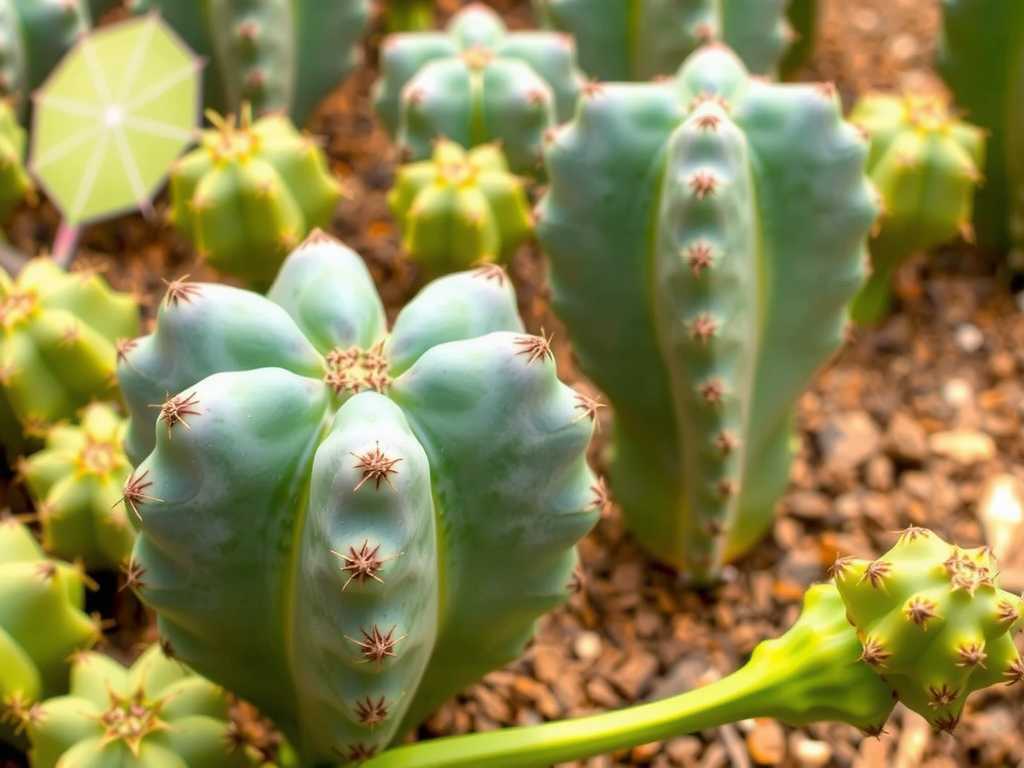
Decoding Sun Exposure and Temperature Extremes Track the sun’s path over your intended planting area for a few days. Is it full, blazing sun from dawn till dusk, or does it get afternoon shade from a wall or tree? This is crucial. Many cactus species, like the iconic Saguaro (Carnegiea gigantea) or Barrel Cacti (Ferocactus spp.), are sun worshippers. However, some, like certain Mammillaria or Gymnocalycium, appreciate a bit of respite from the most intense afternoon heat. I learned this the hard way by placing a young Astrophytum in a west-facing spot that turned into a furnace. It developed unsightly sunscald within a week. According to the Arizona-Sonora Desert Museum, even desert-adapted plants can suffer from transplant shock and sunburn if not acclimated properly to a garden’s unique solar intensity.
The Critical Role of Soil and Drainage This is where most beginners, including myself, stumble. Cacti roots abhor “wet feet.” My first major pitfall was planting in native clay soil, assuming “it’s dry here, so it’ll be fine.” A single, unseasonal rainstorm led to water pooling for days, and I lost a prized Lophophora to root rot. The Royal Horticultural Society (RHS) emphasizes that sharp drainage is the single most important factor for succulent success. I now conduct a simple percolation test: dig a hole about 12 inches deep, fill it with water, and let it drain. Refill it and time how long it takes to drain again. If it takes longer than a few hours, you must amend the soil. My solution was to create raised planting mounds mixed with 50% coarse sand, 25% perlite, and 25% original soil. This creates the fast-draining environment essential for healthy cactus roots.
Selecting the Right Cacti: Form, Function, and Hardiness
With your micro-climate mapped, you can now select plants that will not just live, but flourish. I focus on three key pillars.
Prioritizing Cold Hardiness for Your Zone A plant that tolerates 110°F might perish at 25°F. The USDA Plant Hardiness Zone is your starting point, but local micro-climates matter. I’m in Zone 8b, where unexpected frosts can occur. I made the mistake of planting a beautiful Trichocereus species borderline for my area. A sudden dip to 28°F one night caused severe tip damage. Now, I consult resources like the Cactus and Succulent Society of America’s (CSSA) hardiness databases and always choose plants rated for at least one zone colder than my own for a safety buffer. For my garden, reliable choices include many Opuntia (Prickly Pear), Echinocereus (Hedgehog Cactus), and Escobaria species.
Matching Size and Growth Habit to Your Space Think long-term. That cute, fist-sized Barrel Cactus at the nursery can grow into a 200-pound behemoth over decades. I once planted an Opuntia too close to a walkway, and within two seasons, its pads were encroaching on the path, creating a hazard. Consider the ultimate height and spread. Columnar cacti like Cleistocactus or Stetsonia make dramatic vertical accents. Clumping or globular forms like Rebutia or Parodia are perfect for ground cover or container groupings. Sprawling types like Echinopsis chamaecereus (Peanut Cactus) are excellent for cascading over walls. Plan your layout with the mature size in mind to avoid painful (literally and figuratively) transplants later.
The Two-Week Acclimation Observation Protocol Here’s the most actionable advice I can give from my own experience. Never take a nursery-grown cactus and plant it directly into full sun. They are often grown under shade cloth. A sudden change will cause stress and bleaching. I developed a two-week acclimation process for new cacti that has revolutionized my success rate.
- Week 1 (The Quarantine & Base Observation): I place the new cactus in a spot with bright, indirect light or morning sun only. I do not water it. This week is for observation and preventing any potential pests from entering my main garden. I check daily for signs of stress, pests, or pre-existing rot.
- Week 2 (Gradual Introduction): I begin introducing it to an hour of direct morning sun, then gradually increase by 30-60 minutes each day. I closely monitor the skin. If I see any yellowing or whitening (signs of sun stress), I scale back for a day or two. By the end of the second week, the plant is typically ready for its intended, permanent sunny location. This slow process allows the cactus to develop protective pigments and avoid shock.
Design Principles for a Cohesive Arid Garden
Choosing individual plants is one thing; weaving them into a captivating landscape is another.
Creating Visual Interest with Texture and Form A great cactus garden plays with contrasts. Pair the tall, ribbed columns of a Cereus with the low, geometric rosettes of an Agave (a fantastic succulent companion). Contrast the fine, hair-like spines of an Espostoa (Old Man Cactus) with the bold, chunky pads of an Opuntia. I use rounded boulders as a design element—they mimic natural outcrops, provide thermal mass that radiates heat at night, and create perfect drainage pockets for planting.
Incorporating Companion Plants for Ecology and Beauty Cacti don’t have to live alone. Drought-tolerant companion plants for cacti create a more biodiverse and resilient ecosystem. I plant deep-rooted, native wildflowers like California Poppy or Penstemon around my cacti. They provide seasonal color, attract pollinators, and don’t compete aggressively for shallow water. The Lady Bird Johnson Wildflower Center notes that such companion planting can help improve soil structure and support local insect and bird populations, creating a true habitat garden.
Planting and Ongoing Care: The Foundation of Success
Proper planting sets the stage for years of easy care.
The Correct Planting Technique I dig a hole 1.5 times wider than the root ball but no deeper. The goal is to keep the cactus at the exact same soil level it was in its pot. I backfill with my pre-mixed gritty soil, tamping gently to remove large air pockets. I then create a shallow “well” or basin around the plant to direct initial water to the roots. Crucially, I do not water it in immediately! I wait 5-7 days to allow any damaged roots to callus over, preventing rot. This was a game-changer for me.
Mastering the Watering Cycle The mantra is “Soak and Dry.” When I do water, I simulate a generous desert rainstorm, soaking the soil deeply until water runs freely from the drainage area. Then, I allow the soil to become completely dry, all the way to the bottom of the root zone, before even considering watering again. In the peak of summer, this might be every 10-14 days. In winter, my cacti often go 4-6 weeks or more without any water. A moisture meter is a helpful tool to remove the guesswork.
Protection Strategies for Extreme Weather For young or cold-sensitive specimens, I keep frost cloth on hand. A simple wooden frame or patio chair covered with cloth can trap enough heat to protect from a light frost. During periods of extreme, unrelenting heat (above 105°F), I’ve found that some afternoon shade, provided by a temporary shade cloth, can prevent cooking and dehydration stress, especially for potted specimens.
How often should I really water my newly planted cactus? Wait at least 5-7 days after planting before the first deep watering. This allows root injuries to heal. After that, follow the “soak and dry” method, letting the soil dry out completely between waterings. In winter, watering may be unnecessary for months.
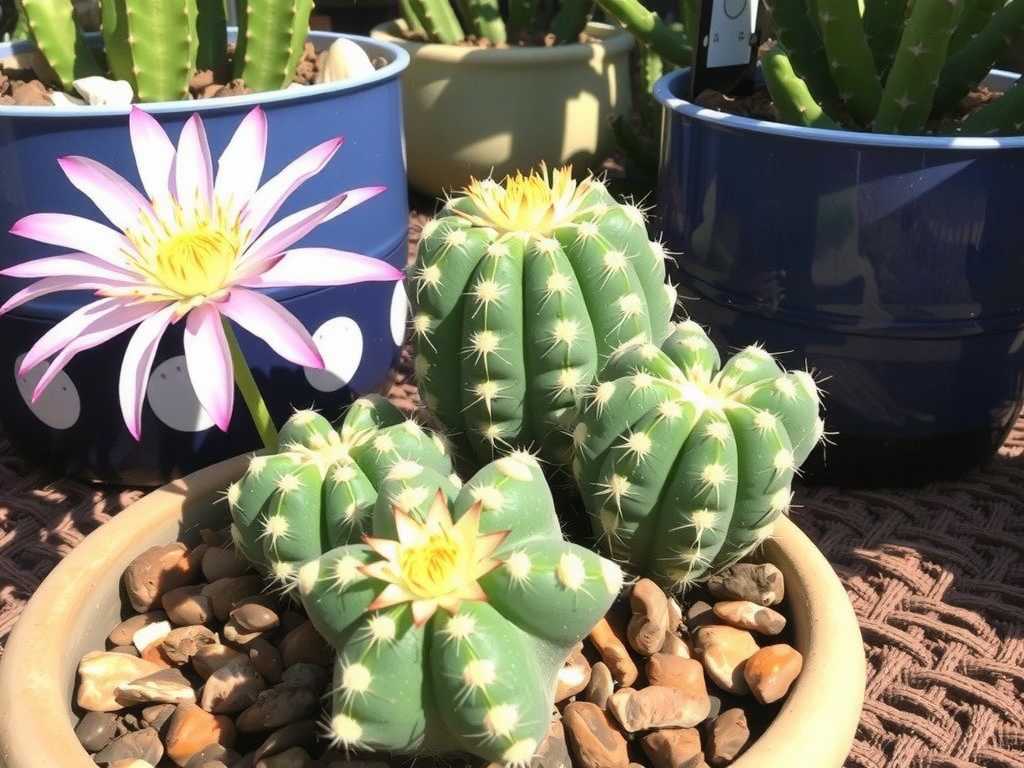
Can I grow cacti from seed in my garden, and is it a good way to choose species? Yes, you can. Starting from seed is rewarding and allows you to grow rare species. However, it requires patience (years to get a sizable plant) and careful control of moisture and temperature for seedlings. For most gardeners looking to establish a garden, purchasing established plants from reputable nurseries is a more practical approach to selecting the best cacti for dry gardens.
My cactus looks shriveled. Does this always mean it needs water? Not always. Shriveling can be a sign of underwatering, but it can also indicate root rot from overwatering, where the roots are dead and can’t absorb moisture. Before watering, check the soil. If it’s bone dry, a deep drink may help. If the soil is moist and the plant is shriveled, you may need to unpot it, inspect the roots, and cut away any rot before replanting in dry soil.
Creating a vibrant cactus garden in an arid climate is an exercise in mindful partnership with nature. It requires looking beyond the immediate appeal of a plant and understanding its needs in the context of your land’s sun, soil, and seasons. By taking the time to analyze your site, carefully select species for hardiness and form, and follow a disciplined planting and acclimation routine, you build a foundation for a landscape that is not only stunningly beautiful but also remarkably resilient. My garden, once a graveyard of good intentions, is now a testament to the power of making informed, patient choices. The spines may be sharp, but the learning curve doesn’t have to be.





