 bluename
 How to Identify Pests-Prone Cactus Species for Your Preventive Care Strategy
I’ve lost count of how many times I’ve brought home a beautiful cactus, only to find it under silent siege weeks later—a fluffy white mass of mealybugs nestled in its ribs or the telltale webbing of spider mites. That heart-sinking moment is a universal pain point for cactus lovers. We often focus on light and water, but proactive pest management starts much earlier: at the point of selection. Not all cacti are equally vulnerable. Through trial, error, and a dedicated two-week observation protocol I developed, I’ve learned that identifying pests-prone cactus species is the most effective first step in preventive cactus care. This guide will walk you through exactly how to spot the high-risk plants before they enter your collection, saving you from future headaches.
Understanding Why Some Cacti Are Pest Magnets
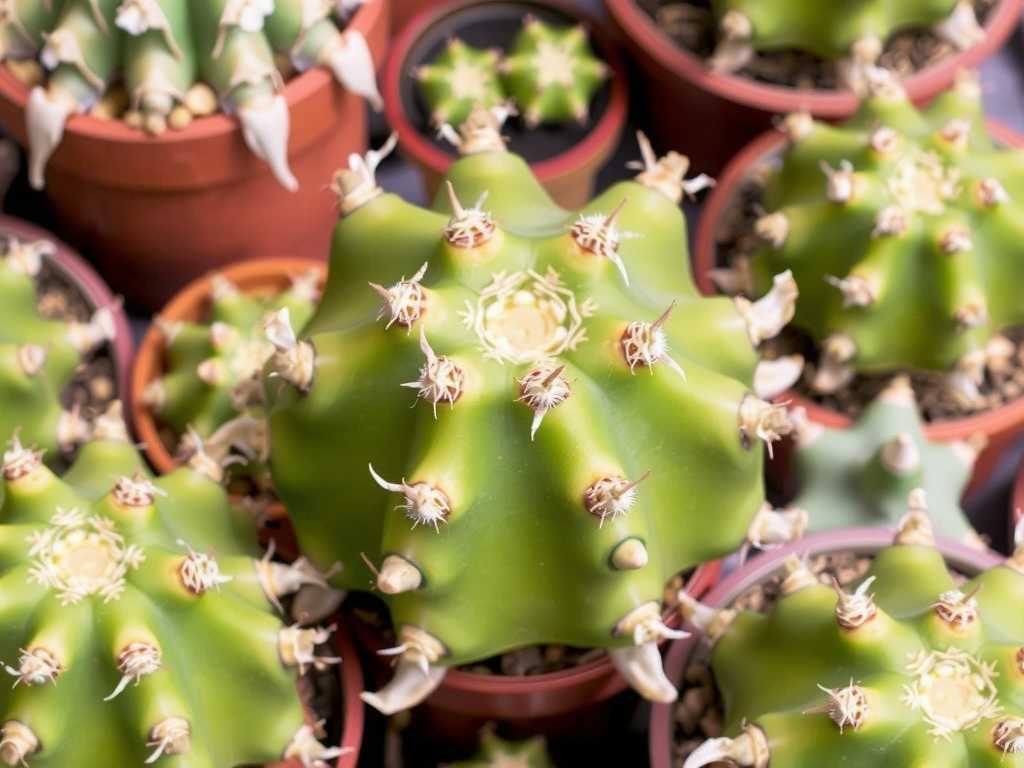
It’s not random. Certain physical and physiological traits make specific cacti species more appealing or accessible to common pests like mealybugs, scale, and spider mites.
- Dense Spination or Hair (Cephalium, Wool): While spines are defenses, extremely dense, hair-like structures (e.g., on Cephalocereus senilis or “Old Man Cactus”) or wool (like on many Mammillaria) create perfect, sheltered habitats for pests. They hide eggs and protect insects from sprays or natural predators. I learned this the hard way with a Mammillaria plumosa (“Feather Cactus”). Its soft, feathery spines looked innocent but trapped moisture and hid a nascent mealybug colony I only discovered during my isolation check.
- Prominent Ribs and Deep Grooves: Cacti with pronounced, deep ribs (think Echinocactus grusonii “Golden Barrel” or Stenocactus) offer protected highways for pests to travel and settle. The grooves are often shaded and harder to inspect and treat thoroughly.
- Tender Growth and Areoles: Fast-growing or columnar cacti with tender new growth at the apex (top) are prime targets for sap-sucking insects. Similarly, species with large, fluffy areoles (the spots where spines emerge) provide ideal nesting sites. The Royal Horticultural Society (RHS) advises that pests often attack new, soft growth first, as it’s easier to penetrate.
- Natural Wax or Farina (Epicuticular Wax): Some cacti, like many Echeverias (though not true cacti, often grouped with them) and Pilosocereus, have a beautiful powdery blue coating. This farina is a protective barrier against sun and moisture loss. Ironically, disrupting this layer can stress the plant, potentially making it more susceptible. However, pests don’t avoid it; they simply attach where they can.
My 2-Step Identification and Observation Protocol
You don’t need to be a botanist. You just need a system. Here is the exact process I follow every time I acquire a new plant, especially from big-box stores or crowded nurseries.
Step 1: The Pre-Purchase Inspection (The “Quarantine Mindset” at the Store)
Before you even pay, conduct a thorough exam. I look beyond the obvious beauty.
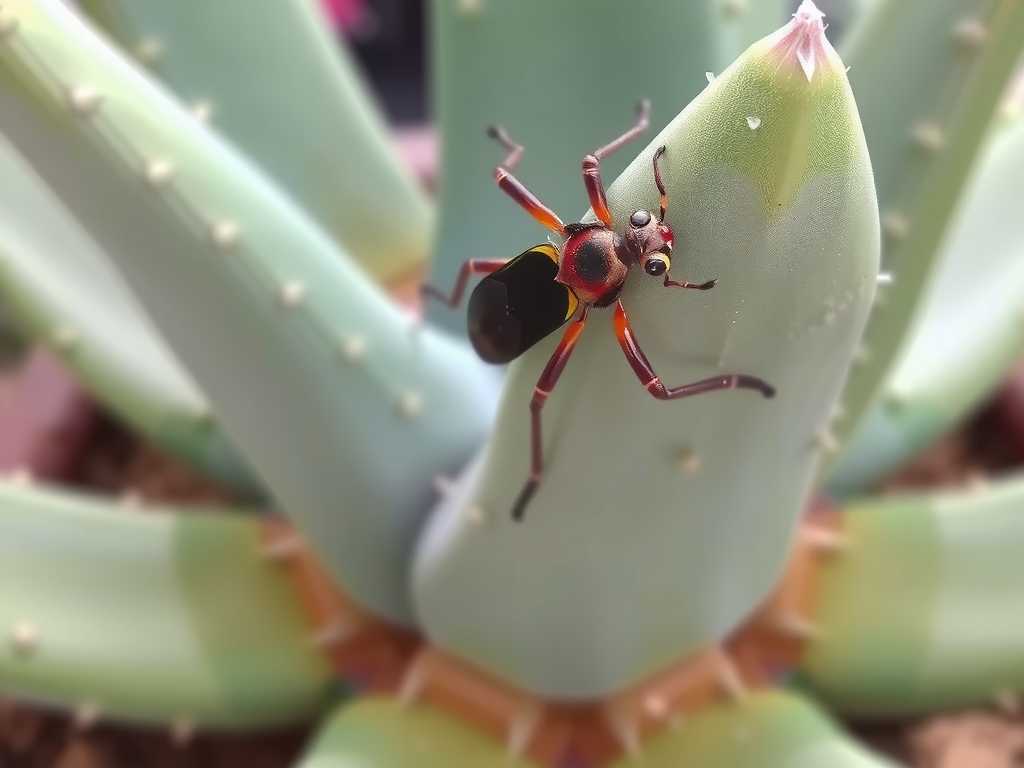
- The Top and Center: Gently part the spines or hair at the growing tip. Look for any tiny white cottony dots (mealybugs) or minute brown/red discs (scale). Use a magnifying glass on your phone for a closer look.
- Base and Soil Line: This is critical. Lift the pot slightly to inspect where the stem meets the soil—a favorite hiding spot. Look for white fuzz or sticky residue (honeydew).
- Undersides and Grooves: Tilt the plant to see the undersides of ribs and the deepest grooves. Spider mites love these dry, hidden spots. Fine webbing is a red flag.
- Root Check (If Possible): If the plant is loose in its pot, a quick peek at the roots can reveal root mealybugs—tiny, oval, and powdery white. The American Horticultural Society (AHA) notes that root pests are often the most overlooked and damaging.
Step 2: The Mandatory 2-Week Isolation & Observation Period
This is non-negotiable. Even a clean-looking plant can harbor eggs. I place all new cacti in a separate room, away from my main collection.
- Week 1: The Dry Watch. I do not water. Stress from transport and a new environment can trigger latent pest outbreaks. I simply observe every other day under good light, repeating the inspection steps from above.
- The “Pitfall” I Encountered: My mistake with a Opuntia microdasys (“Bunny Ears”) was assuming its glochids (tiny, barbed spines) were the only threat. I missed a nearly invisible scale insect on its pad edge. It wasn’t until day 10, when I noticed a faint sticky spot, that I found it. This taught me to use a bright flashlight at an angle; the honeydew glistened.
- Week 2: The Stress Test. If the plant was dry upon purchase, I give it a shallow watering at the start of week two. Sometimes, moisture stress or relief can spur pest activity. I continue daily inspections.
- My Solution for Deep-Grooved Cacti: For a deeply ribbed Ferocactus, I used a soft, dry makeup brush to gently dust inside the grooves. This dislodged dust and revealed any hidden pests or eggs. It’s now a standard part of my week-two check.
- Only after two clear weeks do I introduce the plant to my others. This buffer has prevented at least three major infestations in my collection.
High-Risk Cactus Species: A Practical List for Beginners
Based on my experience, here are 2-3 genera/species that require extra vigilance. These are common in the trade and beautiful, but knowing their risks allows for better cactus species selection for pest prevention.
- Mammillaria (The Pincushion Cacti): Many are highly prone to mealybugs. Their tubercles (raised bumps) and axils (the space between them) are insect hotels. Mammillaria elongata ‘Copper King’ was a particular challenge. Its dense spines hid pests until they were widespread.
- Opuntia (Prickly Pears, Bunny Ears): Susceptible to scale insects and cochineal bugs. The flat pads offer easy landing zones. My Opuntia issue, mentioned earlier, is a classic case. Vigilance at the pad edges and base is key.
- Echinocactus grusonii (Golden Barrel): Its iconic deep ribs are prone to spider mite infestations, especially in dry, indoor air. Mites love the sheltered microclimates in those grooves.
Building Your Proactive Defense: Prevention Over Cure
Identifying a pest-prone species isn’t about avoiding it altogether—it’s about empowering your care.
- Strategic Placement: Place high-risk cacti in areas with excellent airflow (a fan on low helps) and where you see them daily, making inspection a habit.
- Preventive Treatments: During the growing season, I occasionally use a light spray of horticultural oil (diluted per label) on high-risk cacti, focusing on grooves and bases, as a deterrent. Neem oil is another popular option. Always test on a small area first, especially on farina-coated plants, as oils can damage that protective layer.
- Health is the Best Defense: A stressed cactus is a target. Ensure your pest-prone species get optimal light, are watered appropriately (avoiding overwatering), and are planted in a gritty, well-draining soil mix. A healthy plant can better resist and recover from minor pest issues.
Frequently Asked Questions
I bought a cactus and found pests after the two-week period. What now? Don’t panic. Immediately re-isolate it. The protocol catches most, but not all, issues. For mealybugs or scale, use a cotton swab dipped in 70% isopropyl alcohol to dab each insect directly. For broader issues, consider a systemic insecticide labeled for succulents/cacti, applying it strictly according to directions and away from your other plants.
Are there any cactus species known for being particularly pest-resistant? Generally, cacti with tough, smooth epidermis, fewer deep grooves, and stout spines are less inviting. Many Gymnocalycium (Chin Cactus) and Parodia species have a reputation for being tougher in this regard, though no plant is immune. Focus on the plant’s structure using the principles above.
Can beneficial insects help with pest-prone cacti indoors? Yes, for minor issues. Introducing predatory mites (Phytoseiulus persimilis) can be very effective against spider mites in an enclosed indoor space. For scale, ladybug larvae are voracious predators. This is a more advanced, natural approach that works well in a controlled greenhouse or dedicated plant cabinet.
Choosing the right cactus is more than an aesthetic decision; it’s a critical care decision. By learning to identify the physical traits that make certain species pest-prone, you move from a reactive to a proactive gardener. Implementing a strict inspection and isolation routine, like the two-week protocol, is the single most effective habit I’ve adopted. It transforms your care from guesswork to a knowledgeable, preventive strategy. Now, you can confidently cultivate even the trickiest species, knowing you have the tools to spot trouble early and keep your entire collection thriving and healthy.





