 bluename
 How to Select Cactus Species for Thriving in Low-Light Indoor Spaces
I used to think cacti were the ultimate low-maintenance plants. Just plop them in a sunny window, forget about them, and they’d thrive. That was my assumption, until I moved into an apartment with north-facing windows and deep overhangs. My sun-loving cacti became etiolated, stretching pathetically toward the faint light, their vibrant greens fading to a sickly yellow. I was heartbroken. It felt like a personal failure. If you’re struggling with a dim apartment, a shady office, or a room far from a window, you know this pain. You want the unique, sculptural beauty of cacti but worry you simply don’t have the right conditions. I’m here to tell you it’s absolutely possible. After my initial failure, I embarked on a mission to find cacti that don’t just survive, but genuinely thrive in low-light indoor spaces. This guide is the result of my hands-on experimentation, careful observation, and lessons learned the hard way.
My Two-Week Selection and Observation Experiment
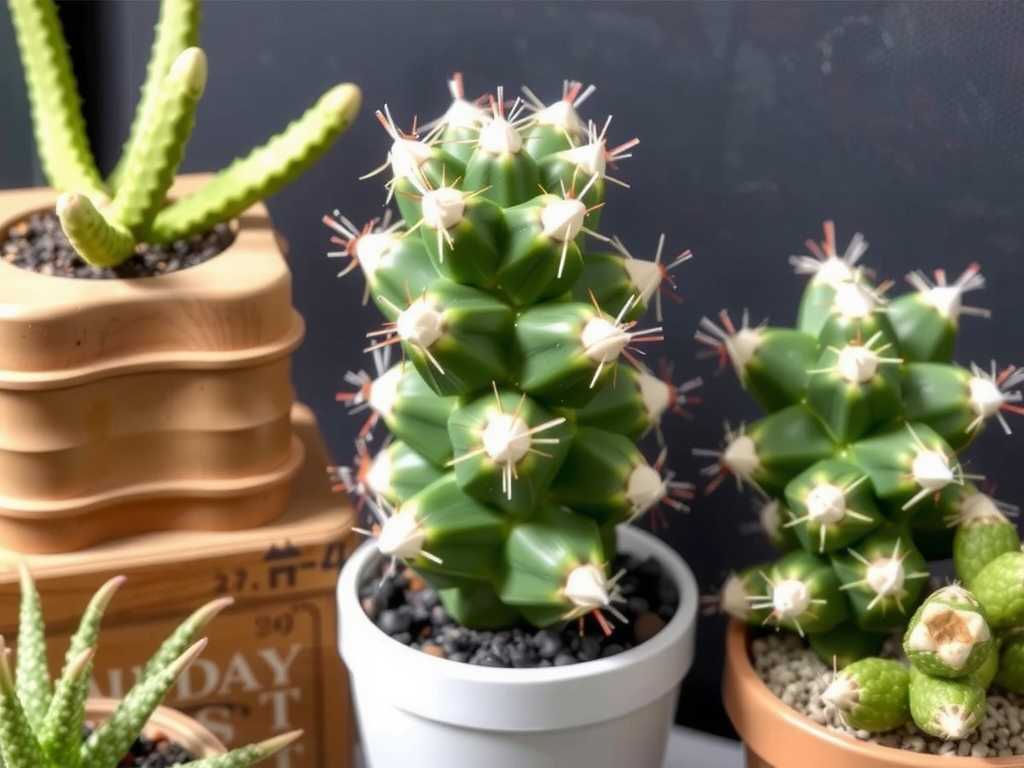
I decided to treat this as a formal project. I wouldn’t just buy a few plants; I would document the process from selection through a critical two-week acclimatization period. This initial phase is often when the most telling signs of stress (or success) appear.
Week 1: The Selection and Setup
My first step was redefining “low-light.” I used a simple light meter app (they’re not perfectly accurate but give a good baseline). My target area read between 50-150 foot-candles, which is considered “low” for most plants. With this in mind, I headed to my local nursery with a focused list, prioritizing species renowned for shade tolerance.
I selected three candidates based on research from sources like the Royal Horticultural Society (RHS), which notes that certain forest cacti, unlike their desert cousins, are adapted to understory conditions. I also considered advice from the American Horticultural Society’s (AHS) Plant Heat-Zone Map concepts, thinking about stable indoor temperatures being more crucial than intense light for these varieties.
My chosen trio was:
- The Zebra Cactus (Haworthiopsis attenuata): A small, sculptural succulent often grouped with cacti. The RHS specifically mentions its tolerance for lower light.
- The Christmas Cactus (Schlumbergera bridgesii): A classic epiphytic forest cactus known for blooming in winter, often in indoor settings.
- The Moon Cactus (Gymnocalycium mihanovichii): The colorful grafted top has no chlorophyll, so it relies on the rootstock (typically a Hylocereus), which is somewhat shade-tolerant.
The First Mistake I Made (And How I Fixed It): I potted them all in my standard, gritty cactus mix. For the Christmas Cactus, this was a critical error. Within three days, its segments began to look slightly wrinkled. I realized my mix was draining too quickly for this forest native, which prefers more organic, moisture-retentive soil. I quickly repotted it into a blend of 60% potting soil and 40% perlite. The lesson? Know your cactus’s origin. Desert vs. forest habitat dictates vastly different soil needs, even in low light.
Week 2: Observation and Adjustment
I placed all three plants on the same shelf, about 8 feet from a north-facing window. I committed to not watering them on a schedule, but only when the soil was completely dry an inch down—a habit crucial for low-light care to prevent rot.
- Zebra Cactus: This was the undisputed champion. It showed zero signs of stress. Its deep green, white-striped leaves remained plump and firm. It seemed perfectly content.
- Christmas Cactus (after repotting): The wrinkling stopped. New, plump segments began to form at the tips. It was clearly recovering and adapting, focusing energy on growth rather than survival.
- Moon Cactus: This was the most dramatic case. The bright red scion (the top part) remained vibrantly colored, but the green Hylocereus rootstock began to show subtle stretching. It was growing taller and slightly thinner, a clear sign it wanted more light than its partner.
The two-week test was revealing. It confirmed that not all “low-light tolerant” cacti are equal. The Zebra Cactus was a true low-light champion. The Christmas Cactus was adaptable with the correct soil. The Moon Cactus presented a complication due to its grafted nature.
Key Factors for Choosing Your Low-Light Cactus
Beyond my experiment, here are the essential criteria I now use for selecting cacti for dim areas.
1. Prioritize Species Native to Understory or Shaded Habitats This is the single most important factor. Look for cacti that naturally grow under trees or on rocky cliffs with partial shade.
- Top Picks: Christmas Cactus (Schlumbergera), Easter Cactus (Hatiora), and Orchid Cacti (Epiphyllum). These are epiphytes. As noted in horticultural guides, their natural habitat is tree branches in rainforests, where they receive dappled, filtered light.
- Other Excellent Choices: Certain globular cacti like Gymnocalycium (Chin Cactus) and some Parodia (Ball Cactus) species originate from grasslands where they are often shaded by taller plants.
2. Decode the Visual Cues of a Shade-Tolerant Cactus Your eyes are powerful tools. Avoid cacti with dense, long, hair-like spines (like many Mammillaria) which often evolved for intense sun protection. Instead, favor:
- Darker Green Coloration: Deep green flesh indicates more chlorophyll, an adaptation to capture limited light.
- Fewer or Softer Spines: Think of the Zebra Plant (Haworthia) or Gasteria, which have fleshy leaves and minimal spines.
- A Flatter, Wider Growth Form: This maximizes surface area for light capture, as seen in Queen of the Night (Selenicereus) or Fishbone Cactus (Disocactus anguliger).
3. Master the “Low-Light Care Trinity”: Water, Soil, and Pot In low light, the rules change. Photosynthesis slows, so water uptake decreases dramatically.
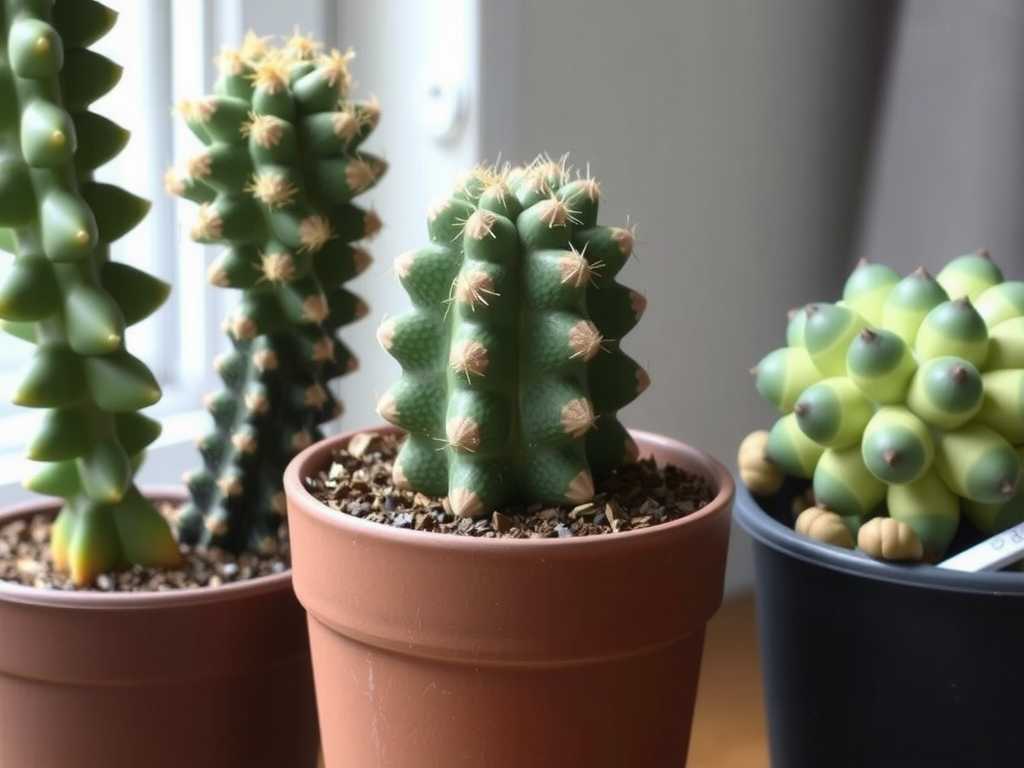
- Water Infrequently, Deeply: My golden rule is to water cacti for low-light conditions only when the soil is 100% dry, and then water thoroughly until it runs from the drainage hole. In winter, this might mean watering only once a month or less.
- Use a Well-Draining, Appropriate Mix: For desert types, use a gritty mix. For forest/epiphytic types, use a more peat-based, airy mix. Good drainage is non-negotiable to prevent root rot in cool, damp soil.
- Choose the Right Pot: Always use a pot with a drainage hole. Terracotta is ideal as it “breathes,” helping soil dry out faster—a key safety feature in low-light environments.
4. Supplement Light Strategically (If Needed) If you notice slight stretching (etiolation), don’t panic. You can use a low-maintenance indoor cactus for shade as a transitional plant while you add a supplemental light source. A simple, inexpensive LED grow light placed a foot above the plant for 4-6 hours a day can work wonders without heating the plant or your energy bill. I did this for my Moon Cactus’s rootstock, and the stretching halted immediately.
Creating Your Low-Light Cactus Display
Now for the fun part. Once you’ve selected your plants, think about arrangement. Grouping several low-light cacti together can create a stunning, textural display. Place taller, trailing types like a Rat Tail Cactus (Aporocactus) at the back or in a hanging basket, and cluster smaller globular types like Gymnocalycium in the front. This also creates a slightly more humid microclimate, which forest cacti appreciate. Remember, even shade-tolerant plants need some light. Rotate your pots a quarter turn every time you water to ensure even growth and prevent leaning.
My cactus is stretching. Is it too late to save it? If the stretching is minimal, moving it to a brighter location or adding a grow light will stop further etiolation. The stretched part won’t revert, but new growth will be compact. If it’s severely elongated, you can consider beheading the plant. Let the cut end callous for a week, then replant it. The original base may also produce new offsets.
Can a low-light cactus ever flower indoors? Yes, but it can be challenging. Forest cacti like Christmas or Easter Cactus are your best bet. To trigger blooms, they often need a period of cooler temperatures (around 50-55°F) and longer nights (12+ hours of darkness) for several weeks in the fall. Consistency is key.
How do I know if I’m overwatering versus underwatering? This is a common confusion. Overwatering in low light leads to soft, mushy, often blackened stems or roots, and the plant may look bloated before it collapses. Underwatering leads to dry, papery, wrinkled, or shriveled stems that feel brittle. When in doubt, err on the side of underwatering. Check the soil with your finger—it’s the most reliable tool you have.
Selecting the right cactus for your low-light space is less about finding a miracle plant and more about understanding ecology and adapting your care. It’s a partnership. By choosing species evolved for shade, respecting their water needs, and providing the best light you can, you’ll be rewarded with resilient, beautiful plants that bring life to even the coziest corner. My Zebra and Christmas Cacti are still thriving on that same shelf, a quiet testament to the fact that with a little knowledge, you can enjoy the unique world of cacti no matter how much light your home gets.





