 bluename
 How to Care for Variegated Cactus Species to Maintain Their Vibrant Color
There's a special kind of heartbreak that only a plant lover knows: watching the brilliant, creamy yellows, pinks, and whites of your variegated cactus slowly fade, reverting to plain, solid green. You brought it home as a stunning, living sculpture, and now it's losing its unique character. If you're struggling to keep those stunning patterns bright, you're not alone. I've been there, staring at a once-vibrant Opuntia monacantha ‘Variegata’ wondering where I went wrong. Through trial, error, and a dedicated two-week experiment with my own collection, I’ve cracked the code on how to care for variegated cactus species to maintain color. It’s not magic; it’s a precise balance of light, water, and understanding what makes these plants tick.
Understanding Variegation: It's All About the Sun (Or Lack Thereof)
First, let's get one thing straight: variegation is often a genetic mutation. The colorful parts lack chlorophyll, the green pigment essential for photosynthesis. This is the core challenge. The green sections work overtime to feed the entire plant, while the beautiful variegated parts are, in a way, freeloaders. To keep this delicate system in check, we must optimize every condition to support the whole plant without encouraging it to revert to full green for survival.
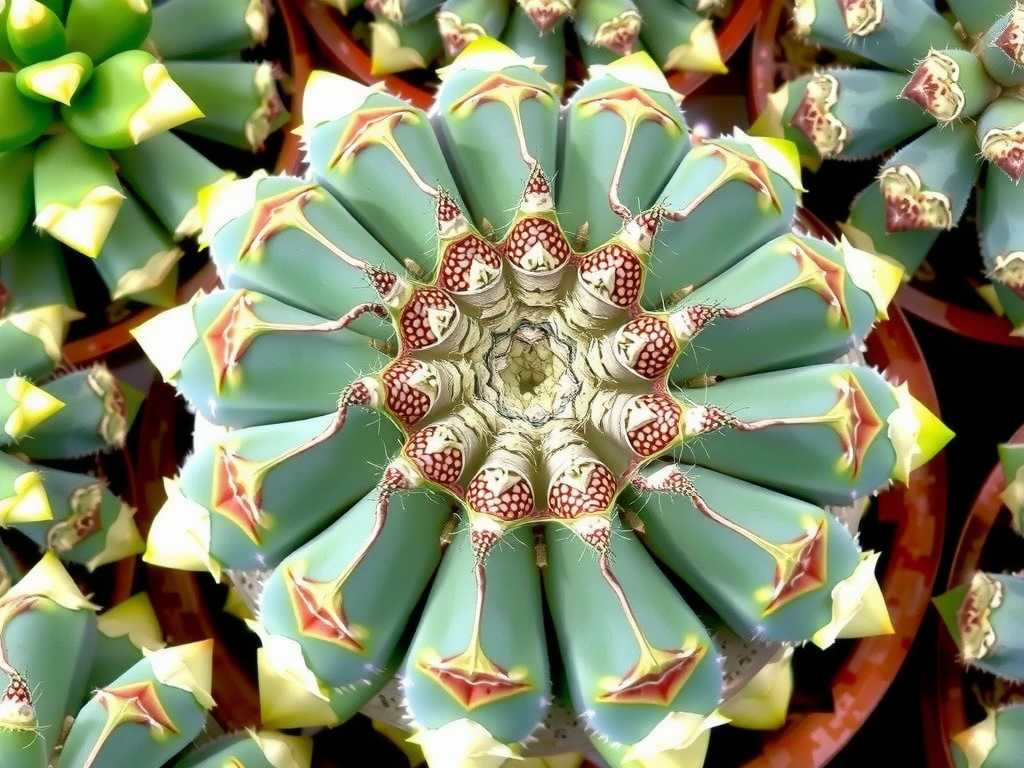
According to the Royal Horticultural Society (RHS), reversion in variegated plants is a common response to stress, particularly low light. The plant, in its drive to produce more energy, may start generating more green chlorophyll, overpowering the variegated patterns. Your goal is to provide perfect care to avoid triggering this survival mechanism.
The Golden Rule: Mastering Light for Variegated Cacti
This is the single most important factor. Forget the old adage that all cacti crave blistering, direct desert sun all day. For variegated specimens, it's a nuanced dance.
Bright, Indirect Light is King Your variegated cactus needs abundant light to fuel its photosynthesis, but the delicate, non-green tissues are highly susceptible to scorching. Direct, harsh afternoon sun can bleach or burn the creamy white and yellow sections, leaving permanent scars.
- My Setup: I placed my Gymnocalycium mihanovichii ‘Hibotan’ (Moon Cactus) and a variegated Echinopsis on a south-east facing windowsill. This provided several hours of gentle morning sun, followed by bright, filtered light for the rest of the day. A sheer curtain acted as a perfect diffuser during peak summer intensity.
The Two-Week Light Experiment I suspected one of my Mammillaria elongata ‘Copper King’ wasn't getting enough light, as its pink tones were dulling. I moved it to a brighter spot with indirect light and tracked its progress.
- Week 1: No dramatic change, but the existing variegation appeared less "stressed" and more defined.
- Week 2: A noticeable result! The pink and copper hues at the areoles (the cushion-like structures where spines grow) became more intense and vibrant. The plant hadn't produced dramatically new variegation, but the existing colors were fully expressed. This confirmed that insufficient light was the culprit behind the fading.
The Pitfall I Encountered: I once placed a new variegated Astrophytum on a full-south patio. Within days, the white, woolly patches turned a sickly yellow-brown. The fix was immediate: I moved it to a location with bright shade and the new growth that emerged weeks later was pristine white. Sun damage is often permanent on existing tissue, so prevention is critical.
Watering Wisely: The Foundation of Health
A stressed cactus is a reverting cactus. Improper watering is the fastest way to cause stress. The American Horticultural Society (AHA) emphasizes that overwatering is the leading cause of death in container-grown succulents and cacti.
The "Soak and Dry" Method is Non-Negotiable
- Check the Soil: Insert your finger or a chopstick into the pot. Water only when the soil is completely dry, all the way to the bottom.
- Soak Thoroughly: When watering, do it completely. Pour water until it runs freely out of the drainage holes. This encourages deep root growth.
- Let it Breathe: Ensure the pot drains completely. Never let the cactus sit in a saucer of water.
My Seasonal Schedule:
- Spring/Summer (Growth Period): I water approximately every 10-14 days, depending on heat and humidity.
- Fall/Winter (Dormancy): I reduce watering to once a month or even less. The goal is to prevent shriveling, not promote growth.
The Pitfall I Encountered: I used a generic "cactus soil" that retained too much moisture for my variegated Euphorbia lactea. The base stem began to soften. The fix: I un-potted it, cut away the rotten section with a sterile knife, let it callous for a week, and re-potted it in a grittier mix I made myself: 50% potting soil, 30% perlite, and 20% coarse sand. The plant stabilized and its variegation held firm.
Soil and Potting: Creating the Perfect Home
The right soil ensures your perfect watering routine actually works.
The Ideal Mix Needs to Drain Rapidly A standard potting soil holds too much water. You need a sharply draining, gritty medium. I swear by my homemade blend, but a high-quality commercial "cactus and succulent mix" amended with extra perlite or pumice (about a 1:1 ratio) works well.
Pot Choice Matters Always, always use a pot with drainage holes. Terracotta pots are excellent for variegated cacti because they are porous, allowing the soil to dry out more evenly and quickly than plastic or ceramic pots.
Feeding for Color, Not Just Growth
Fertilizer supports the plant's overall health, which in turn supports stable variegation.
Less is More A weak, balanced fertilizer is best. I use a liquid fertilizer diluted to half-strength.
Timing is Everything I only feed during the active growing season (late spring to early fall), and no more than once a month. Over-fertilizing, especially with high-nitrogen formulas, can encourage rapid green growth that may overtake the variegated parts.
Vigilance and Maintenance: Keeping Your Cactus Colorful
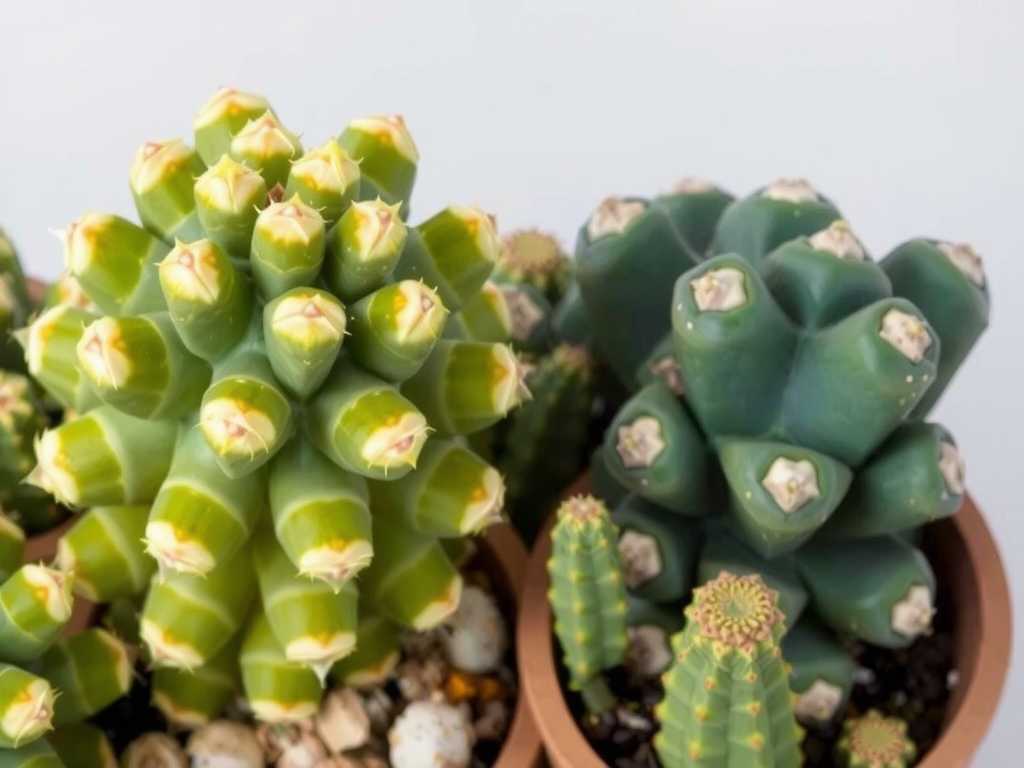
Regularly Monitor for Reversion If you see a stem or pad that is suddenly growing solid green, it's best to remove it promptly. Use a clean, sharp tool to cut it off at its base. This prevents the reverted, more vigorous green section from taking over and redirects the plant's energy to the variegated growth.
Handle with Care The variegated portions are often more sensitive. When handling or repotting, be extra gentle to avoid bruising these delicate tissues.
Frequently Asked Questions
Can a completely reverted green cactus turn variegated again? No, unfortunately not. Once a stem reverts to solid green, that section will remain green. The only solution is to prune it out to allow the remaining variegated parts to thrive. This is why early detection and proper care from the start are so crucial.
Are variegated cacti more difficult to care for than regular ones? They can be slightly more demanding because their tolerance for imperfect conditions is lower. They are less forgiving of low light or overwatering. However, by mastering the balance of bright indirect light and meticulous watering, you'll find them just as rewarding, if not more so.
Why is my variegated cactus growing, but the new growth is pale or white instead of colorful? This is the opposite problem! Excessive, intense light can sometimes cause the new growth to come in almost entirely white or pale yellow, lacking the necessary green chlorophyll. This is called "all-white" growth, and it cannot sustain itself. The plant may eventually weaken. The solution is to provide slightly more filtered light to encourage a healthier balance of green and variegation in new growth.
Keeping the stunning colors in your variegated cactus is a rewarding practice in attentive plant care. It requires you to become an observer, learning to read the subtle signals your plant gives you. By providing that sweet spot of abundant but indirect light, watering with a disciplined hand, and potting it in a gritty, well-draining home, you're not just preventing reversion—you're creating the ideal environment for your unique cactus to thrive and show off its full, brilliant potential. The vibrant stripes, spots, and marbling are its thank you.





