 bluename
 How to Grow Columnar Cactus Species for Vertical Landscaping: A Gardener’s Practical Guide
I used to look at my narrow side yard and urban balcony with a sense of defeat. I craved a lush, green oasis, but the space simply wasn’t there. Horizontal real estate was precious and limited. That’s when I discovered the transformative power of growing columnar cactus species for vertical landscaping. These architectural wonders, reaching skyward with minimal footprint, promised the dramatic, living sculpture my space desperately needed. But theory is one thing; practice is another. My journey from eager beginner to confident grower was filled with trial, error, and invaluable lessons. If you’re staring at a blank wall or a cramped patio, wondering how to add height and interest, let me walk you through exactly how I succeeded, including the mistakes I made along the way.
Why Vertical Gardening with Columnar Cacti Solves Urban Challenges
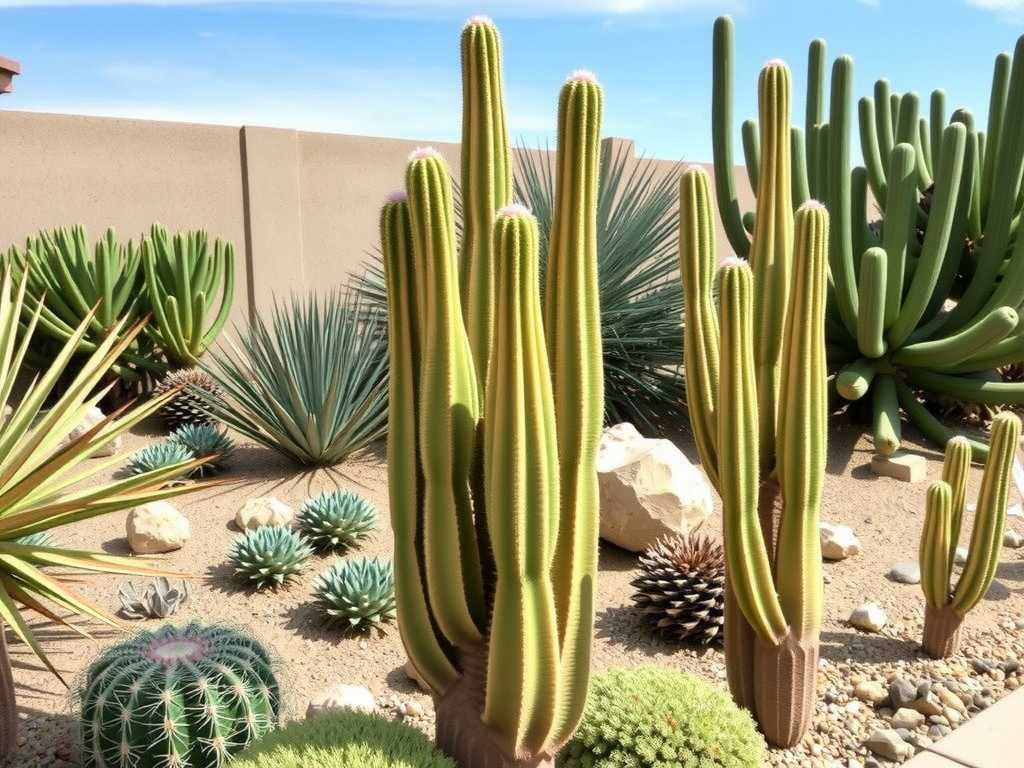
Traditional gardening often ignores the vertical plane. Columnar cactus vertical gardening changes that. Species like the Blue Candle (Myrtillocactus geometrizans), the Peruvian Apple Cactus (Cereus repandus), and various Trichocereus and Pachycereus species grow naturally upright, some reaching impressive heights even in containers. According to insights from the Royal Horticultural Society (RHS), utilizing vertical space isn’t just aesthetic; it improves air circulation around plants and can create unique microclimates. For the urban dweller, this method maximizes greenery without sacrificing floor space, turning walls and corners into focal points.
My Two-Week Establishment Diary: The Critical First Steps
My project began with three columnar cacti: a young Cereus repandus, a Myrtillocactus, and a Trichocereus pachanoi. I documented their progress daily. Here’s what those crucial first 14 days taught me.
Selecting the Right Species and Containers
Not all columnar cacti are equal for container life. I chose species known for their relatively manageable potted growth. The container choice is paramount. I opted for tall, narrow terracotta pots. Their porosity allows the soil to dry evenly, preventing root rot. A common mistake is using a pot that’s too wide, which holds excess moisture. Each pot had a generous drainage hole. I used a specialized cactus and succulent mix, but I amended it further with extra perlite and coarse sand (about a 1:1 ratio with the potting mix) for ultimate drainage. The American Horticultural Society (AHS) emphasizes that “sharp drainage” is the non-negotiable foundation for healthy cacti, a point my experiment proved vital.
The Planting Process and Initial Positioning
I planted each cactus, ensuring the root ball sat just below the rim. I backfilled with my gritty mix, tamping gently to remove large air pockets. I did NOT water them immediately. This was my first learned tip from seasoned growers: letting the roots settle in dry soil for 5-7 days helps heal any minor abrasions and prevents rot. After one week, I gave them a thorough, deep watering until it ran freely from the bottom. My positioning strategy was key for vertical garden design with cacti. I placed them against a south-facing wall that received at least 6 hours of direct sun. The wall also provided radiant heat and protection from harsh winds.
Observing the Signs: Acclimation and Early Stress
Days 3-5: All cacti looked stable, no visible shrinkage. The Trichocereus showed a slight, almost imperceptible deepening of its green color—a sign it was beginning to photosynthesize efficiently in its new spot. Day 8 (Post-Watering): The soil dried out completely within 48 hours, confirming my drainage was effective. Day 12: I noticed a very slight yellowish tinge on the sun-facing side of my Myrtillocactus. Alarm bells rang! I realized I had introduced it to full sun too abruptly. While they love sun, newly potted or relocated cacti need gradual acclimation. The Fix: I created a temporary shade screen using a piece of burlap for the hottest part of the day for the next week. The slight discoloration halted, and the plant resumed normal growth. This taught me that even sun-loving plants need a transition period.
Long-Term Care for Thriving Vertical Cactus Displays
Beyond the establishment phase, consistent care tailored to their vertical nature ensures they don’t just survive, but thrive and become striking architectural features.
Mastering the Watering Rhythm for Height
Watering is the make-or-break factor. The goal is to support upward growth without waterlogging. I adopted the “soak and dry” method completely. I would water deeply only when the soil was completely dry all the way to the bottom—I checked using a moisture meter. In summer, this meant watering every 10-14 days. In winter, I watered only once, maybe twice, the entire season. Overwatering is the fastest way to kill a columnar cactus, causing fatal root and stem rot. Underwatering will slow growth but is rarely fatal. When in doubt, wait.
Feeding for Robust, Vertical Growth
To encourage healthy, sustained vertical growth, feeding is essential but minimal. I used a low-nitrogen, high-potassium cactus fertilizer diluted to half-strength. I applied it only during the active growing season (late spring to early summer), once at the beginning and once in the middle. Too much nitrogen leads to weak, bloated growth that can’t support its own height. The RHS notes that cacti in containers exhaust their limited nutrients and thus benefit from this careful supplemental feeding.
Strategic Support and Training
As my cacti grew taller, some became top-heavy. Creating a vertical cactus display sometimes requires discreet support. I used green bamboo stakes placed carefully in the pot, tying the cactus to it with soft plant ties in a figure-eight pattern to avoid damaging the skin. This is especially important in windy locations. For species that branch, you can encourage a more sculptural form by pruning. Using a sterile, sharp knife, I once removed a small offset from the base of my Cereus to maintain its clean, columnar line. The cut callused over neatly in a few days.
Winter Protection: The Overlooked Necessity
My biggest scare came during an unexpected cold snap. While many columnar cacti tolerate cool temperatures, most cannot handle frost, especially when potted. I learned the hard way that potted roots are far more vulnerable than in-ground roots. A light frost caused minor tip damage on my Trichocereus. The Fix: I now move my pots to a sheltered, dry location like a garage or against a heated house wall when temperatures are forecast to drop below freezing. For in-ground plantings in marginal climates, using frost cloth is essential. The AHS recommends understanding your specific species’ cold hardiness, as some Echinocereus or Opuntia species are more tolerant than tender Trichocereus.
Designing Your Vertical Cactus Feature
Think beyond a single pot. Group cacti of varying heights and textures to create a dynamic composition. I paired my tall columnar specimens with lower-growing, clustering cacti like Echinopsis or trailing succulents like Sedum morganianum at their base. This layered effect adds depth. Lighting is a powerful tool; a subtle, upward-facing spotlight can turn your columnar cactus vertical garden into a breathtaking nighttime feature, highlighting their silhouettes against a wall.
Addressing Common Concerns and Questions
How fast do columnar cacti grow in pots? Growth varies by species and conditions. In optimal settings with good light and careful feeding, you might see 4-12 inches of growth per year. My Cereus added about 6 inches in its first full growing season. Patience is key—you are growing living architecture.
Can I grow a columnar cactus indoors? Yes, but light is the limiting factor. They need the brightest spot possible, ideally a south-facing window. Even then, growth will be slower, and etiolation (stretching and thinning) is a risk if light is insufficient. Rotate the pot regularly for even growth. A grow light can be an excellent supplement for indoor vertical garden design with cacti.
What are the most common pests, and how do I handle them? Scale and mealybugs are the primary foes. I found a few mealybugs in the woolly areoles of one plant. I isolated the plant and used a cotton swab dipped in 70% isopropyl alcohol to dab each insect directly. For light infestations, this is highly effective. For prevention, a strong blast of water during regular watering and keeping the plants healthy are your best defenses.
Embracing growing columnar cactus species for vertical landscaping has utterly transformed my relationship with small spaces. It’s a practice that rewards careful observation, a respect for the plant’s natural needs, and a dash of creative design. Start with the right soil and pot, master the watering cycle, acclimate them to sun patiently, and don’t fear providing support as they reach for the sky. The result is a low-maintenance, high-impact garden feature that provides year-round structure and a profound sense of accomplishment. Your vertical oasis is not just a dream—it’s a very achievable, living reality.





