 bluename
 How to Choose Dwarf Cactus Species for Miniature Gardens: A Hands-On Guide
I love miniature gardens. There’s something magical about creating a tiny, self-contained world. But for years, I struggled with one key element: the plants. Regular succulents would quickly outgrow their tiny homes, ruining the scale and charm. That’s when I turned my focus to dwarf cactus species for miniature gardens. If you’ve ever felt the frustration of a perfectly composed scene being destroyed by overgrown plants, you’re in the right place. Choosing the right tiny cactus isn't just about picking the smallest one you see; it's about understanding their needs, growth patterns, and how they interact in a confined space. Let me walk you through my process, including the mistakes I made and how I fixed them over a detailed two-week observation period.
Understanding the Unique World of Miniature Cacti
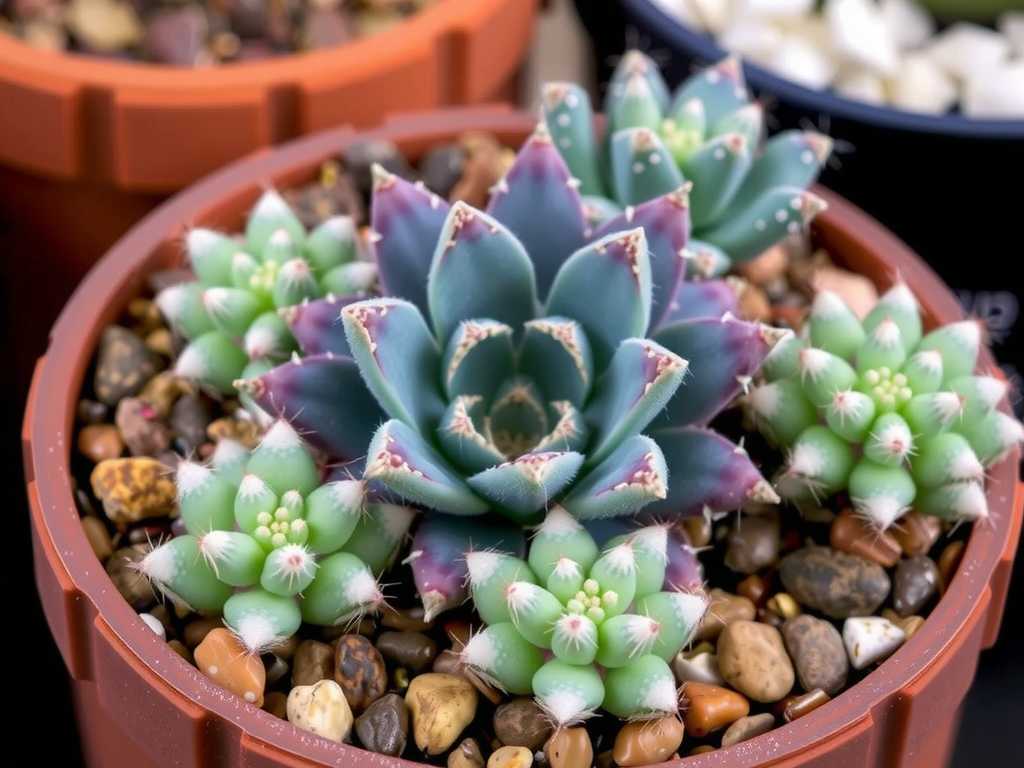
First, let’s clarify what “dwarf” or “miniature” really means in the cactus world. We’re not talking about young plants that will eventually get huge. True dwarf cactus varieties are genetically predisposed to stay small, often maturing at under 4 inches in height even after many years. This makes them perfect permanent residents for your tiny landscapes.
According to the American Horticultural Society (AHS), the appeal of miniature gardening lies in its detailed artistry and the challenge of cultivating slow-growing, scale-appropriate plants. They emphasize that success starts with plant selection that matches the garden's long-term vision. For cacti, this means considering not just size, but also light requirements, root systems, and growth speed.
My Step-by-Step Selection Process for a Thriving Mini Garden
I recently built a new desert-themed miniature garden in a shallow, 10-inch terracotta bowl. Here’s the exact process I followed, which you can replicate.
Step 1: Planning the Layout and Conditions Before buying a single plant, I sketched a rough layout. Where would the “focal point” cactus go? Where would smaller clusters sit? More importantly, I assessed the garden’s future home: a south-facing windowsill that gets about 6 hours of direct sunlight. This dictated everything. Dwarf cacti are still cacti; most crave abundant light. I knew I couldn’t choose any species that required lower light.
Step 2: Selecting the Right Dwarf Cactus Species This is the heart of the process. I aimed for a variety of shapes and textures while ensuring all plants had similar care needs. Here are the best small cacti for mini gardens that I chose:
- Mammillaria gracilis ‘Arizona Snowcap’: A clustering cactus that stays under 3 inches. Its white spines provide fantastic texture and a “snow-dusted” look.
- Rebutia heliosa: A perfect barrel-shaped dwarf that offsets readily but slowly. It promises stunning orange flowers.
- Parodia nivosa (Snowball Cactus): My focal point. It’s a solitary, ball-shaped cactus with dense white spines. It grows extremely slowly.
I avoided certain popular but fast-growing cacti, like some Opuntia (prickly pear) varieties, as they would quickly dominate the space.
Step 3: The Crucial Potting and Planting Phase Here was my first big mistake. I used a standard bagged cactus mix straight from the store. It seemed logical, but for a miniature garden, drainage is even more critical due to the shallow soil volume. The standard mix retained too much moisture.
- The Fix: I repotted after 3 days. I created a much grittier mix: 2 parts cactus soil, 1 part coarse perlite, and 1 part small-grain gravel. This ensured water would flow through immediately, preventing root rot. I also placed a layer of gravel at the bottom of the bowl and used a long, thin tool to carefully position each cactus, protecting my hands with folded paper towels.
Step 4: The Initial Watering and Two-Week Observation After planting, I gave the garden a thorough but careful soak, allowing water to drain completely. Then began my two-week observation period.
- Days 1-3: All plants looked stable, no signs of transplant shock.
- Days 4-7: I noticed the Rebutia looked slightly shriveled. My instinct was to water, but I checked the soil an inch down—it was still damp. This was a sign of possible minor root disturbance from repotting, not thirst. I held off.
- Days 8-10: The Rebutia plumped back up. The problem was indeed just adjustment. The Mammillaria and Parodia showed no issues.
- Days 11-14: All cacti showed signs of settled growth. The apex of the Parodia looked even fuzzier, a sign of healthy new growth. There was no etiolation (stretching), confirming the light was sufficient.
This observation period was vital. It taught me patience and that not every change in appearance is an emergency. It confirmed my soil fix worked, as no plants showed signs of rot or excessive stress.
Key Factors to Consider When Making Your Choice
Beyond species, keep these elements in mind to choose cacti for small spaces successfully.
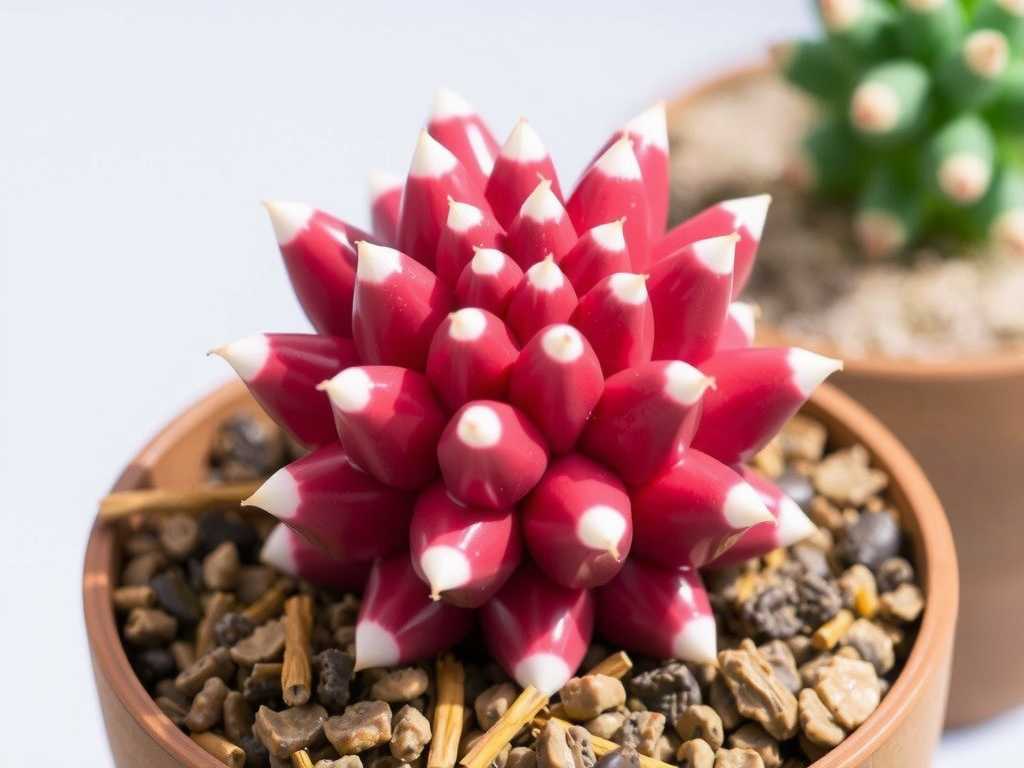
Growth Habit and Speed Is it a solitary grower or a clumper? A clumper like the Mammillaria will fill out space horizontally, which is great for ground cover in your scene. A solitary grower like the Parodia acts as a stable centerpiece. Always research mature size and growth rate.
Root System Considerations Some cacti have vast, deep root systems. For shallow containers, prioritize species known for shallower, fibrous roots. Most dwarf Rebutia and Mammillaria are excellent here. The Royal Horticultural Society (RHS) advises that for shallow pans, selecting plants with commensurate root depth is as important as top growth.
Spine Density and Aesthetic This is about design and safety. Fine, hair-like spines (Mammillaria gracilis) are less hazardous but can still detach. Large, hooked spines require extreme caution. Consider if you’ll need to handle the garden for maintenance. Also, think about color contrast—white spines against dark gravel, or golden spines against red sand.
Common Pitfalls and How to Avoid Them
I’ve made more than one error. Let me save you the trouble.
- Pitfall 1: Ignoring Dormancy. Many dwarf cacti have a winter dormancy period where they need cooler temperatures and absolutely no water. Watering them during this time leads to rot. I learned this the hard way with a Sulcorebutia years ago.
- Pitfall 2: Overcrowding for Instant Effect. It’s tempting to pack plants in for a full look. But cacti need air circulation to prevent pests and disease. Give them room to grow into the space. You can use tiny rocks or pebbles to fill gaps aesthetically.
- Pitfall 3: Inconsistent Lighting. Rotating your garden is essential if light comes from one direction. Otherwise, plants will lean toward the light, ruining your composition. I now rotate my bowl a quarter turn every week.
Maintaining Your Miniature Cactus Garden
Long-term care is simple but non-negotiable. Water only when the soil is completely dry, and then water deeply. During the growing season (spring/summer), a diluted cactus fertilizer can be used once. The main task is monitoring for pests like mealybugs, which can hide in the tight spaces between plants. A magnifying glass and a cotton swab dipped in rubbing alcohol are your best tools.
Frequently Asked Questions
Can I mix dwarf cacti with other succulents in a miniature garden? Yes, but choose carefully. Some succulents (like Echeveria) need more frequent water than cacti. It’s often safer to pair dwarf cacti with other drought-tolerant, slow-growing succulents like Haworthia or some Sedum, and be very cautious with watering.
How often should I really water my miniature cactus garden? There is no weekly schedule. The frequency depends on your climate, container, and soil. In my warm, dry home, during summer, it might be every 10-14 days. In winter, it can be over a month. Always let the soil be your guide, not the calendar.
My dwarf cactus is starting to touch the side of the container. What should I do? This is a sign of success, but also that it might be time to gently remove and re-pot it into a slightly larger scene, or create a new garden. You can carefully separate offsets to propagate new plants. The goal is to preserve the miniature scale, so don’t let them become cramped.
Creating a miniature garden with dwarf cactus species is a rewarding exercise in patience and precision. By selecting the right genetically small species, using a gritty, well-draining soil mix, and providing ample light, you set the foundation for a lasting tiny landscape. Remember, the journey is part of the joy—observing their slow growth, learning from small setbacks, and eventually seeing those vibrant, surprising flowers bloom from your tiny, spiny companions. Start with a simple plan, a shallow pot, and two or three recommended dwarf species. Your own miniature desert oasis is closer than you think.





