 bluename
 How to Recognize Flowering Cactus Species for Seasonal Blooms
I’ve spent countless springs staring at my collection of cacti, willing them to burst into the spectacular blooms I see in pictures. Like many plant lovers, my initial attempts were met with more green spikes than colorful flowers. The core frustration was simple: I couldn’t tell which of my cacti were the prolific bloomers and which were the shy, foliage-focused types. This guide is born from my two-week deep dive into how to recognize flowering cactus species, a practical journey from confusion to clarity. I’ll share the exact steps I followed, the mistakes I made, and how you can learn to identify the true seasonal performers in your own collection.
My Two-Week Cactus Identification and Bloom-Boosting Plan
I decided to treat my cactus shelf not just as a display, but as a living laboratory. For 14 days, I dedicated time each morning to observation, research, and subtle adjustments. My goal wasn’t to force blooms instantly—that’s impossible—but to correctly identify species with high bloom potential and set them up for success in the coming seasons.
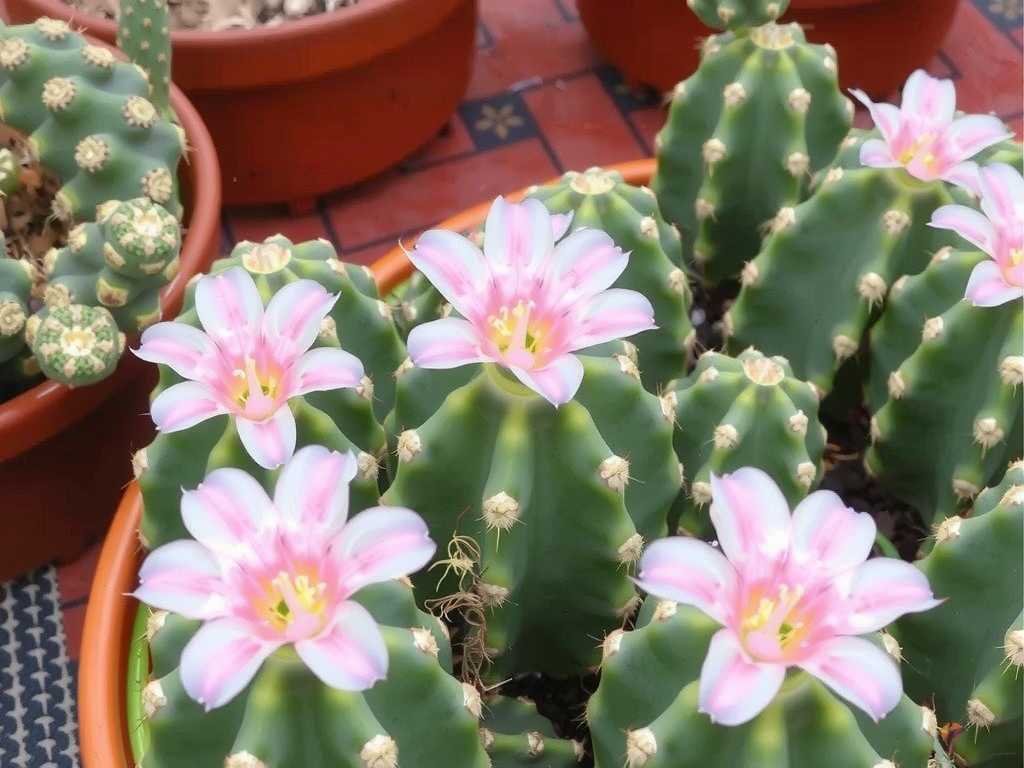
Step 1: The Initial Audit – What Do I Actually Own?
I started by taking every single cactus off the shelf. This was my first “aha” moment. I realized I had been caring for a diverse group as if they were all the same. Using a notebook, I began documenting each plant.
Key Identification Markers I Focused On:
- Body Shape & Segments: Are they columnar like a saguaro, globular like a barrel cactus, or composed of flattened pads like an Opuntia?
- Spine & Areole Patterns: The size, color, and arrangement of spines. Areoles (the fuzzy spots where spines emerge) are the exclusive sites for cactus flowers. Their density is a huge clue.
- Existing Scars or Buds: I looked for old, dried flower stalks or tiny, nascent buds at the top or along the ridges.
My big mistake here was assuming all fuzzy areoles were a sign of imminent flowering. On my Mammillaria cactus, the dense white fuzz was normal. However, on the crown of my Echinopsis, a new, woolier patch I’d overlooked was actually the precursor to a flower bud. I solved this by cross-referencing with the Royal Horticultural Society (RHS) database, which emphasizes that a sudden change in areole appearance—like increased wool or color—is a more reliable sign than constant fuzziness.
Step 2: Researching Species-Specific Bloom Triggers
With basic morphology noted, I moved to identification. I used plant ID apps as a starting point but verified findings with authoritative sources like the Arizona-Sonora Desert Museum (ASDM) online archives and peer-reviewed horticultural guides. This is where identifying cactus types for predictable flowers became real.
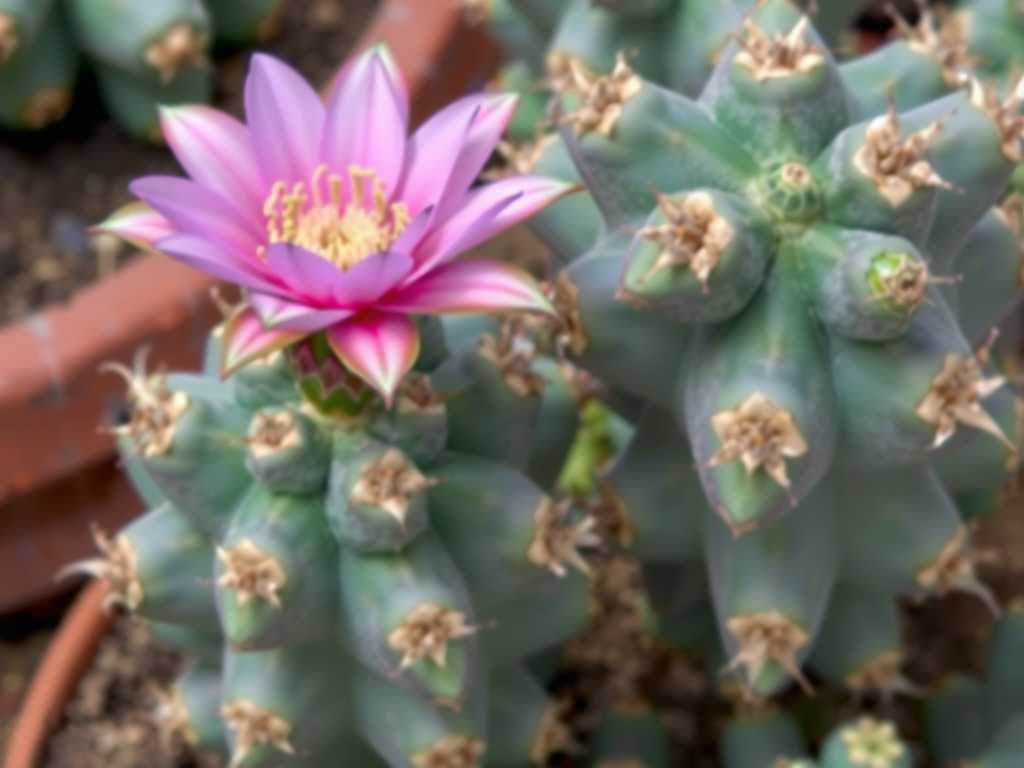
I discovered my two columnar cacti were a Trichocereus (night-blooming) and a Cleistocactus (day-blooming with tubular red flowers). Their bloom triggers differed vastly. The Trichocereus needed a significant day-night temperature drop, while the Cleistocactus required intense, direct summer sun. My previous practice of giving them both the same moderate light was stifling the Cleistocactus’s bloom potential.
The American Horticultural Society’s (AHS) Plant Heat-Zone Map concept was a revelation. It taught me that beyond cold hardiness, cacti need specific heat accumulation to initiate flowering. My Rebutia (a globular type), known for its spring crown of flowers, actually required a period of winter coolness (around 40-50°F) to set buds—a step I’d avoided, fearing I’d kill it.
Step 3: Environmental Fine-Tuning for Bud Formation
Weeks two involved subtle shifts, not overhauls. Based on my new species knowledge:
- Light: I repositioned my Echinopsis and Cleistocactus to the sunniest south-facing window. I used a simple light meter app to ensure they were getting at least 6 hours of direct sun equivalent.
- Temperature: I created a micro-climate for my Rebutia and Trichocereus by moving them to a cooler room at night, simulating the desert’s dramatic temperature swing.
- Water & Feed: I began a targeted watering schedule. For the cacti I now identified as spring bloomers, I initiated a gentle, deep watering with a half-strength, high-potassium fertilizer to support bud development, as recommended by several cactus society cultivation guides.
The pitfall I hit was overwatering in my enthusiasm. One of my Opuntia pads showed slight edema (water-soaked spots). I immediately stopped watering, increased airflow, and let the soil dry out completely. It recovered, teaching me that even during “bloom-boosting,” the cardinal rule of “when in doubt, don’t water” still applies.
Recognizing the Champions: Key Flowering Cactus Genera
Through this process, I learned to spot the genera that are most reliable for seasonal cactus bloom identification. Here are the stars of my collection:
- Mammillaria: These are often globular with spiraling tubercles. Flowers form in a ring or crown around the top. My Mammillaria gracilis started showing tiny pink buds from its upper areoles by the end of the second week.
- Echinopsis (including Lobivia): Often shorter, globular to columnar bodies. They produce enormous, often fragrant, trumpet-shaped flowers on long tubes. The woolly crown I noticed was the definitive sign.
- Rebutia: Small, clustered globular cacti. They flower prolifically from the base or sides of the body, not just the top. Seeing numerous small, colorful buds emerging low on the plant is their signature.
- Opuntia (Prickly Pear): Recognizable by their flat pads. Flower buds appear on the edges of new, healthy pads. They require strong sun and often bloom in late spring/early summer.
- Holiday Cacti (Schlumbergera, Rhipsalidopsis): While not desert cacti, their bloom recognition is crucial. Buds form at the segment tips in response to longer nights and cooler temperatures. I confirmed my Thanksgiving Cactus had pointed, claw-like projections on its segments, differentiating it from the smoother-edged Christmas Cactus.
The Results and Ongoing Observation
After two weeks, I wasn’t greeted with a forest of flowers—that’s not how cacti work. But I saw definitive progress. The Mammillaria buds were enlarging. The Echinopsis woolly crown became more pronounced. Most importantly, I had transformed from a generic caretaker into an informed observer. I could now recognize flowering cactus species based on their structure and knew exactly what environmental cues each one needed. This knowledge is the true key to unlocking seasonal cactus bloom identification year after year.
How long after I see buds will my cactus flower? This depends on the species and conditions. For many, like Echinopsis, buds can develop and open within 1-2 weeks. Others, especially those triggered by seasonal shifts, may hold buds for several weeks before a synchronized bloom. Patience and consistent care are vital.
My cactus has never flowered. Is it a lost cause? Not at all. The most common reasons are insufficient light (the #1 culprit), a pot that is too large, lack of a proper dormancy period with cooler/drier conditions, or the plant simply being too young. Re-evaluate its identity and its care against its specific needs.
Are the flowers on my cactus fake? Unfortunately, this happens. Small, brightly colored straw flowers are sometimes glued onto cacti for sale. If the flower looks perfect indefinitely, is glued on, or emerges from a spot without an areole, it’s likely fake. Gently remove it to allow the plant to focus its energy on producing a real bloom.





