 bluename
 How to Select Cold-Hardy Cactus Species for Outdoor Gardens: A Northern Gardener’s Journey
I used to think cacti belonged only in sunbaked deserts or cozy windowsills. That changed when I moved to a region with harsh, freezing winters and a stubborn desire for a unique, low-maintenance garden. The dream of sculptural, spiky forms enduring snowdrifts seemed impossible. My core frustration, and likely yours, was the overwhelming fear of failure—investing time and money only to watch plants turn to mush after the first hard frost. I needed a clear, practical guide on how to select cold-hardy cactus species for outdoor gardens, but most information felt theoretical. So, I decided to become my own experiment. This is my hands-on account, detailing the steps I took, the mistakes I made, and the resilient survivors that now thrive in my zone 6b garden.
Understanding the Foundations of Cactus Cold Hardiness
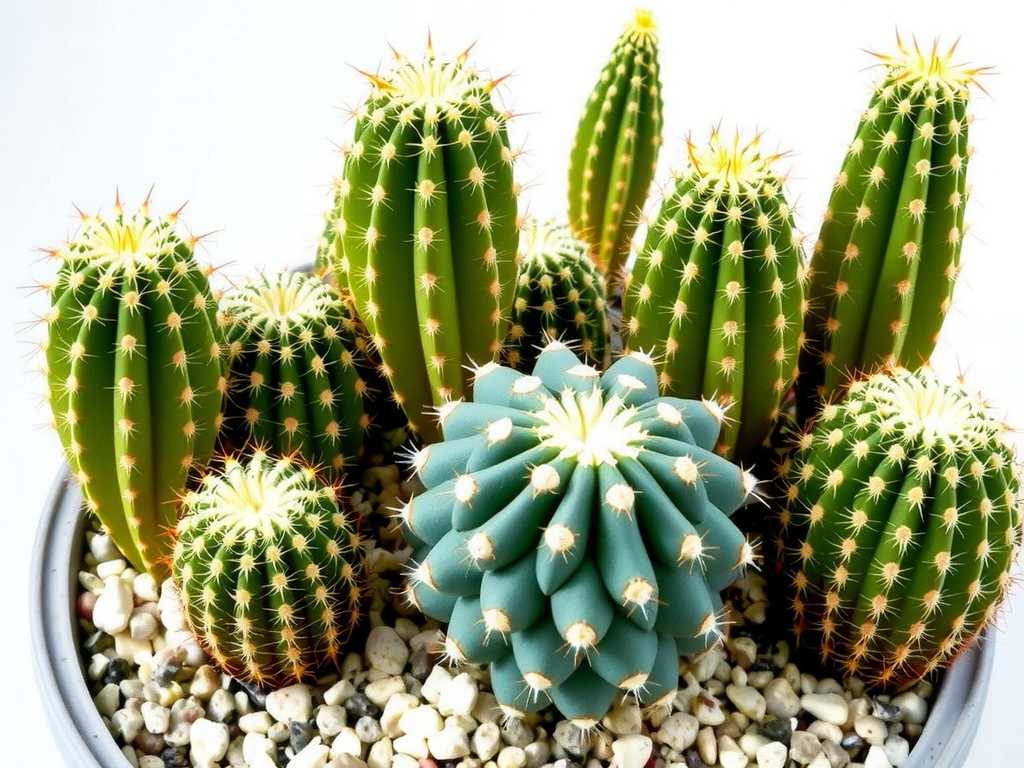
Before buying a single plant, I had to move beyond the simple label “cold-hardy.” True hardiness in cacti isn't just about surviving a single temperature dip; it’s a complex interplay of factors. Through my research and conversations with experts from societies like the American Horticultural Society (AHS), I learned that the USDA Hardiness Zone is merely a starting point. More critical is a plant’s ability to endure not just cold, but wet cold. Soggy soil is the arch-nemesis of most cacti in winter. The Royal Horticultural Society (RHS) emphasizes the importance of perfect drainage as the non-negotiable prerequisite for success. Furthermore, factors like a plant’s origin (high-altitude species often fare better), its maturity (established plants are tougher), and microclimates in your own garden play huge roles. This foundational knowledge shifted my entire approach from seeking just “tough plants” to engineering the right conditions for toughness.
My Step-by-Step Selection and Testing Process
My project spanned two full years, but the most critical observational period was the initial establishment phase, particularly the first brutal winter. Here’s the exact process I followed.
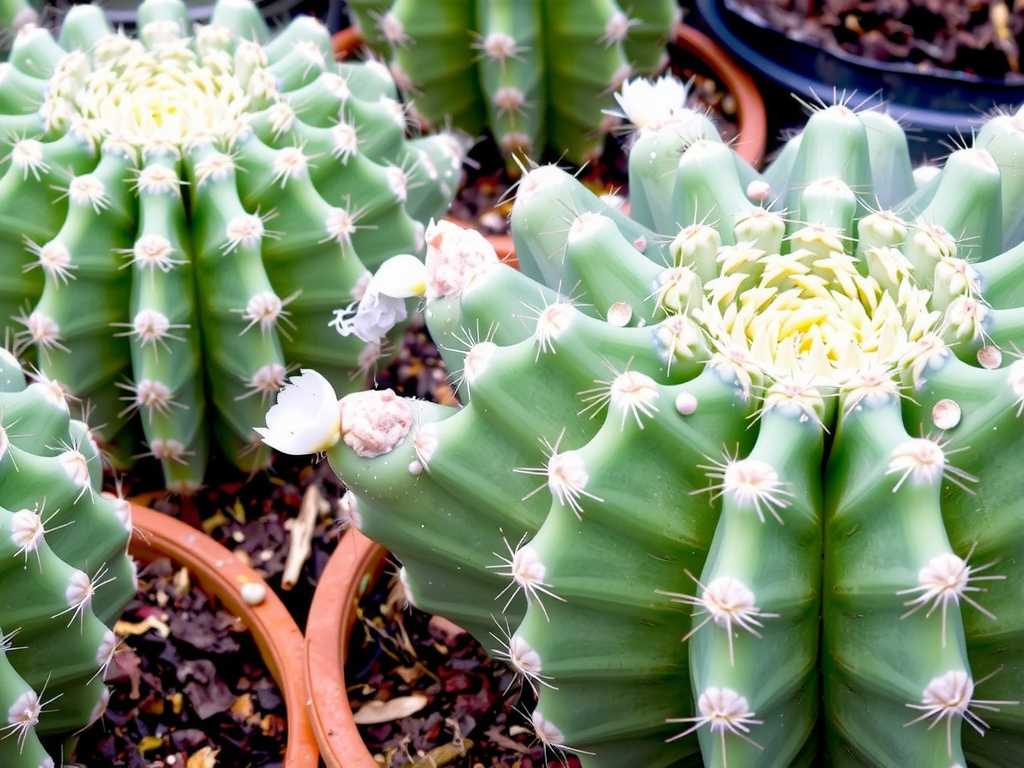
Phase 1: Research and Creating a Shortlist I began by cross-referencing reputable plant databases, focusing on species consistently rated for zones 5, 6, and 7. My goal was to find varieties proven in climates similar to or colder than mine. I quickly identified two key long-tail keyword categories I needed to address: “drought tolerant cold hardy cactus” and “low maintenance winter surviving succulents.” These weren’t just search terms; they were my actual needs. I wanted plants that wouldn’t just live but would thrive with minimal summer watering and absolute winter neglect.
My final shortlist included three genera known for exceptional resilience: Opuntia (Prickly Pear), Escobaria, and Pedlocactus. I specifically sought out cold hardy cactus species for rock gardens, as this planting style naturally offers the sharp drainage they crave.
Phase 2: Sourcing and Planting with Precision I sourced plants from specialized nurseries in northern climates, ensuring they were already acclimated to cooler conditions, not shipped from a warm greenhouse. Planting happened in late spring. Here, I made my first major mistake. In my eagerness, I simply amended my native clay soil with some sand. A veteran cactus grower kindly corrected me; sand can create a concrete-like mixture. The solution was drastic and effective: I excavated each planting site to a depth of 18 inches and created a raised mound consisting almost entirely of a gritty mix—roughly 50% coarse gravel or poultry grit, 25% native soil, and 25% compost. This guaranteed the instant drainage every expert insisted upon.
Phase 3: The Critical Two-Week Acclimation and First Winter Observation The first summer was about establishment. But the real test came with autumn. In late fall, I stopped watering entirely to allow the plants to enter a dry, dormant state. I did not cover them with traditional mulch, which holds moisture. Instead, I followed advice from the Cactus and Succulent Society of America, using a thin layer of pea gravel as a top dressing.
Then, the deep freeze arrived. For two intense weeks, we experienced a polar vortex with temperatures plummeting to -10°F (-23°C), accompanied by heavy, wet snow. This was my trial by ice. Every morning, I would anxiously check on my spiky charges. The sight was astonishing. The Opuntia pads, while visibly shriveled and deflated, remained structurally firm. The smaller globular cacti like Escobaria vivipara seemed to almost disappear under the snow, which ironically acted as a perfect insulating dry blanket. The key observation was the complete absence of visible rot or mushiness at the soil line—a direct result of my gritty planting mix. The plants were dormant, not dead.
Top Recommended Cold-Hardy Cactus Species Based on My Trial
My experiment highlighted clear winners. These are the species that not only survived but have now flourished for multiple seasons.
The Unbeatable Prickly Pear (Opuntia spp.) If you start anywhere, start here. The Opuntia humifusa (Eastern Prickly Pear) is a native champion, reliably hardy to zone 4. Its pads lie flat in winter, shedding snow and moisture beautifully. I also had great success with Opuntia polyacantha (Plains Prickly Pear). Their spectacular, satiny yellow or pink spring flowers are a breathtaking reward. For a drought tolerant cold hardy cactus that also provides edible fruit (with careful handling!), look no further.
The Charming Globular Survivors (Escobaria & Pediocactus) For fascinating texture and delightful blooms, these smaller cacti are essential. Escobaria vivipara (Spinystar) forms charming clusters and produces stunning rings of magenta flowers. Pediocactus simpsonii (Mountain Ball Cactus) is another superstar, with its dense spine coverage and hardy nature. They are perfect choices for that low maintenance winter surviving succulent niche in a rock garden or alpine trough.
Essential Care Tips Beyond Selection Choosing the right plant is only 50% of the battle. Execution is everything.
- The Sun and Soil Duo: Full, blazing sun (6+ hours) is mandatory. Soil must be impoverished and fast-draining. Think gravelly mix, not garden soil.
- Watering Wisdom: Soak deeply but infrequently in summer, mimicking desert thunderstorms. Absolutely withhold water from late fall through early spring to force dormancy.
- Winter Protection Strategy: Avoid plastic or fabric covers that trap humidity. If you must protect from excess wetness, use a pane of glass or clear plastic angled over (not touching) the plant to shed rain and snow while allowing airflow.
Navigating Common Pitfalls and Solutions I stepped on every rake in the path so you don’t have to.
- Pitfall 1: Ignoring Drainage. My initial soil mistake could have been fatal. Solution: Go overboard with grit. When you think you’ve added enough, add more.
- Pitfall 2: Watering in Fall. Giving a “good drink” before winter is a death sentence. Solution: Start the dry-down process in early autumn.
- Pitfall 3: Misjudging Microclimates. I lost one test plant in a low spot that collected cold, damp air. Solution: Plant on the top or south-facing slope of a mound, even a small one.
Frequently Asked Questions
Can I plant cold-hardy cacti in containers outside year-round? It’s extremely risky. A cactus’s root system is far more vulnerable in a pot than in the ground. Even the hardiest species will likely perish as the root ball freezes solid. For container gardening, treat them as seasonal and provide frost-free winter storage.
Do I need to protect my cacti from snow and rain in winter? Generally, no—and often, you shouldn’t. A stable blanket of dry snow is excellent insulation. The danger is repeated freeze-thaw cycles and standing water. Ensure your planting site is on a slope or mound so any meltwater or rain drains away immediately.
My cactus looks shriveled and dead in spring. Have I lost it? Don’t be too quick to discard! Many cold-hardy cacti undergo a dramatic, deflated appearance in dormancy. Wait until consistent warm weather returns (late spring). If the plant remains firm to the touch and is anchored in the soil, give it a deep drink. You’ll often be amazed by the rapid plumping up and emergence of new growth.
The journey to a thriving outdoor cactus garden in a cold climate is deeply rewarding. It requires a shift in mindset from traditional gardening, prioritizing perfect drainage and benign neglect over constant care. By starting with proven, resilient species like Opuntia and Escobaria, engineering the correct gritty soil environment, and mastering the art of dry winter dormancy, you can successfully cultivate these architectural wonders. The sight of a prickly pear pad, steadfast under a layer of frost, or the surprise of a tiny Escobaria bursting into brilliant bloom after a long winter, is a unique joy that makes every careful step worthwhile.





