 bluename
 How to Differentiate Desert vs Jungle Cactus Species by Roots: A Hands-On Guide
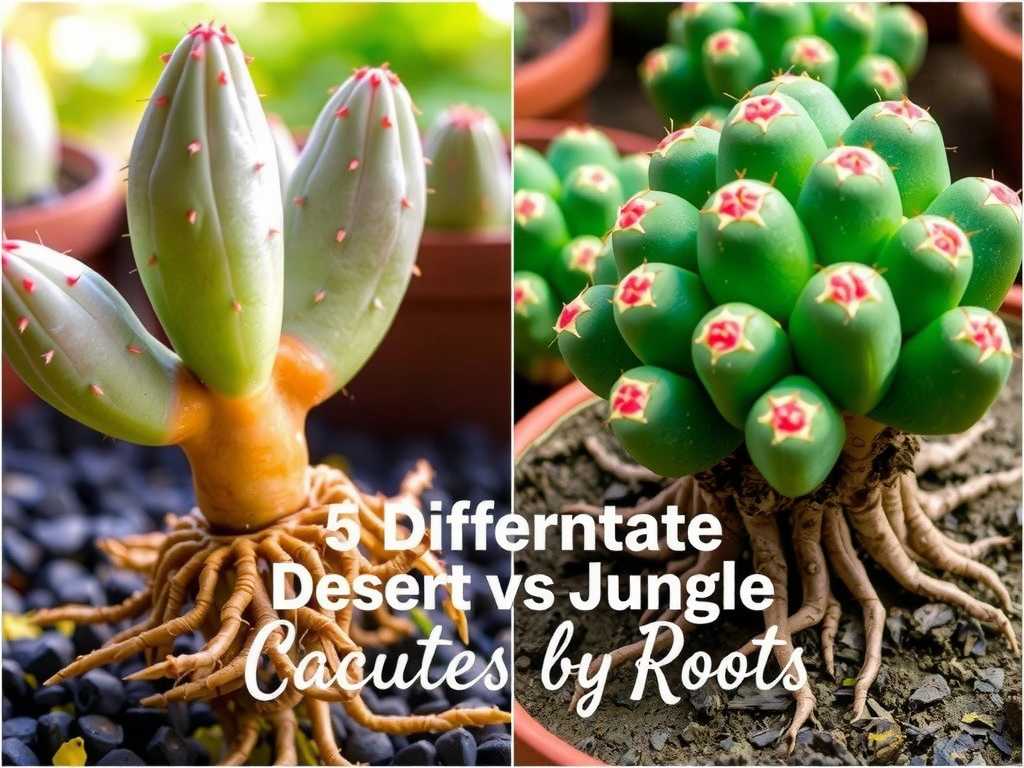
For years, I struggled with a common problem that plagues many cactus enthusiasts: misidentification. I’d bring home what I thought was a sun-loving desert cactus, only to watch it languish under my care. The issue? I was judging these resilient plants solely by their stems and spines, completely overlooking the most telling part hidden beneath the soil—their roots. Understanding whether a cactus is a desert or jungle species is fundamental to its survival, and the root system holds the definitive key. In this guide, I’ll share my practical, step-by-step journey of learning to differentiate cactus species by their roots, including the mistakes I made and the clear solutions that finally helped my collection thrive.
Why Root Identification is Your Secret Weapon
You might wonder why we can’t just rely on appearance. Many jungle cacti, like the beloved Christmas or Easter Cactus, have flattened, leaf-like stems that seem obvious. But what about a Pereskia? It has actual leaves and can confuse anyone. Conversely, some desert cacti can appear softer or less spiny. The root system, however, is a direct adaptation to the plant’s native environment and doesn’t lie. Getting this right means providing the perfect balance of water, light, and soil, preventing root rot or dehydration from the very start. My two-week investigation into the roots of my own collection was a game-changer, transforming my haphazard care routine into a targeted, successful strategy.
My Two-Week Root Examination Project: Goals and Setup
I decided to conduct a repotting and examination session for my entire collection, focusing specifically on root analysis. The goal was to categorize each plant definitively as either desert or jungle type based on its root structure and then tailor their care accordingly. I gathered my supplies: fresh potting mixes (a fast-draining gritty mix for desert types and a more organic, peat-based mix for jungle types), clean pots, a soft brush, and a notebook for documentation. I scheduled the project over a weekend, allowing time for careful handling. The observation of the plants’ responses to their new, correct potting environments would then take place over the following two weeks.
The Defining Characteristics: A Side-by-Side Comparison
Here are the core differences I learned to look for, confirmed by resources from the Arizona-Sonora Desert Museum and the Epiphytic Cactus Society.
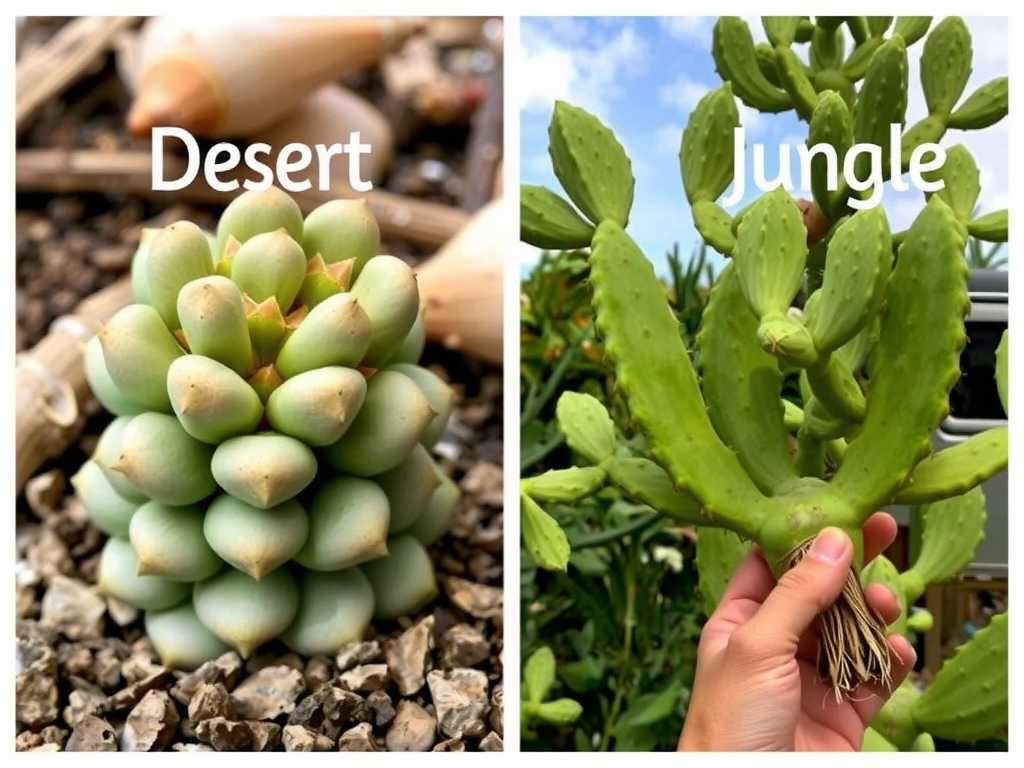
Desert Cactus Roots: Built for Storage and Scarcity Desert cactus roots are survival engineers. Their primary mission is to absorb every possible drop of fleeting moisture and store it. When I unpot a true desert cactus like a Ferocactus or Echinocactus, I typically find a relatively compact, coarse root system. The roots are often thick, fleshy, and may appear like smaller versions of the plant’s stems. Some species, like large Saguaros, have a vast but shallow network that spreads wide to catch surface rain. In my Golden Barrel Cactus, I observed a central taproot alongside sturdy lateral roots—all designed for stability and efficient water uptake in arid, gritty soils.
Jungle Cacti Roots: Adapted for Air and Humidity Jungle cacti, being epiphytic or lithophytic, grow in tree crotches or on rocks in humid forests. Their roots are a different story. They are fine, numerous, and form a dense, fibrous mat. When I examined the root ball of my Rhipsalis and Schlumbergera (Christmas Cactus), it was a tangled web of delicate, hair-like roots. These roots are not for significant storage; they are for quick absorption of moisture and nutrients from the air, rain, and decaying organic matter around them. They breathe easily and demand a loose, airy substrate that never stays soggy.
Step-by-Step: My Safe Root Inspection Process
- Dry the Soil Completely: I made my first major mistake here. I initially tried to inspect a plant with damp soil, which led to the root ball crumbling and damaging those fine jungle cactus roots. The correct method is to ensure the potting mix is completely dry for both types. This minimizes root damage and stress.
- Gentle Extraction and Cleaning: I tipped the pot sideways, gently supporting the plant base. Using a chopstick through the drainage hole, I carefully loosened the root ball. Once out, I used a soft paintbrush to remove the old soil. For desert cacti, a gentle shake often sufficed. For jungle cacti, I had to be painstakingly gentle with their fibrous net.
- Observation and Documentation: Under good light, I examined the root structure. Are they thick and tuberous? That’s a desert signal. Are they a fine, brownish mat? That’s a jungle cactus hallmark. I also checked for health: firm, white or tan roots are good. Soft, black, or mushy roots indicate rot. I noted each plant’s root type and its current name tag in my log.
The Two-Week Observation: Results and Corrections
After repotting each cactus into its appropriate medium based on my root diagnosis, the two-week observation period was revealing.
- Success Stories: My Epiphyllum (Orchid Cactus), which I had mistakenly potted in gritty mix, visibly perked up after being moved to an airy, organic mix. Its fine roots finally had the moisture-retentive yet breathable environment they needed. My Mammillaria, now in a 80% mineral mix, showed no signs of the slight base-softness it had before.
- The “Pitfall” I Encountered: My biggest “aha” moment came with a small cactus labeled as a Gymnocalycium. Its body looked somewhat desert-like, but the roots were surprisingly fibrous. Upon deeper research—consulting the Cactus and Succulent Society of America journal—I realized it was a Gymnocalycium baldianum, a species that often grows in grasslands with more organic matter. It was a borderline case! I created a special blend with slightly more organic content than my standard desert mix, and it has been thriving. This taught me that while the desert/jungle dichotomy is essential, some species exist on a spectrum.
Actionable Care Tips Based on Root Type
- For Desert Cactus Roots: Use a pot that is just slightly larger than the root system to avoid excess wet soil. Your potting mix must be fast-draining; I use a combination of pumice, coarse sand, and a small amount of potting soil. Water deeply but infrequently, only when the soil is completely dry, and ensure absolute dryness in winter.
- For Jungle Cacti Roots: Choose a pot with excellent drainage, but the mix should retain some moisture while allowing air flow. I use a blend of orchid bark, perlite, and peat-free potting mix. Water more frequently than desert cacti, but still allow the top inch of the mix to dry out. They appreciate higher humidity and protection from intense, direct afternoon sun.
Common Questions Answered
Can I identify the type without unpotting the cactus? While root inspection is the most definitive, you can make an educated guess based on growth habit and areoles. True desert cacti typically have prominent, often fuzzy areoles from which spines, flowers, and new stems grow. Jungle cacti often have less pronounced areoles and may have bristles rather than hard spines. When in doubt, a careful root check during the planned growing season is best.
What if my cactus has both thick and fine roots? This is not uncommon and points to a versatile adaptation. The thick roots are for storage, and the fine roots are for absorption. Treat such a plant with a balanced approach: a well-draining mix that has some moisture retention. Observe how it responds and adjust your watering accordingly. The Gymnocalycium I mentioned is a perfect example.
I found root rot during inspection. What now? Don’t panic. This happened with an overwatered Opuntia of mine. Using sterilized shears, I cut away all soft, brown, or blackened roots back to firm, healthy tissue. I let the plant callus over in a cool, dry, shaded spot for 5-7 days before repotting it in completely fresh, dry desert mix. I withheld water for another week to encourage new root growth. The plant recovered fully.
Learning to differentiate desert and jungle cactus species by their roots is the most impactful skill I’ve developed in my hobby. It moves care from guesswork to a science, directly addressing the core needs of these fascinating plants. My two-week project resolved long-standing health issues and gave me the confidence to acquire new species. Remember, the truth—and the path to a thriving cactus collection—lies beneath the surface. Start by safely examining one plant, apply the correct soil, and watch as your informed care leads to healthier growth and more spectacular blooms.





