 bluename
 How to Grow Grafted Moon Cactus Species with Longevity: A Practical Guide from a Fellow Enthusiast
You’ve brought home that vibrant, colorful ball perched atop a green column—a grafted moon cactus. It’s a burst of joy on your windowsill. But then, the worry sets in. Why is the colorful scion (the top part) starting to shrivel or discolor? Why does the base seem soft? Many of us have been there, watching what was sold as a cheerful, easy-care plant slowly decline within months. The central challenge isn’t just keeping it alive, but ensuring your grafted moon cactus species thrives with genuine longevity. I’ve faced this exact frustration, which led me on a two-year journey of research, trial, error, and finally, success. This guide is born from that hands-on experience, and I’ll walk you through the exact steps that transformed my failing grafts into robust, long-lived specimens.
Understanding the Unique Nature of Your Grafted Cactus
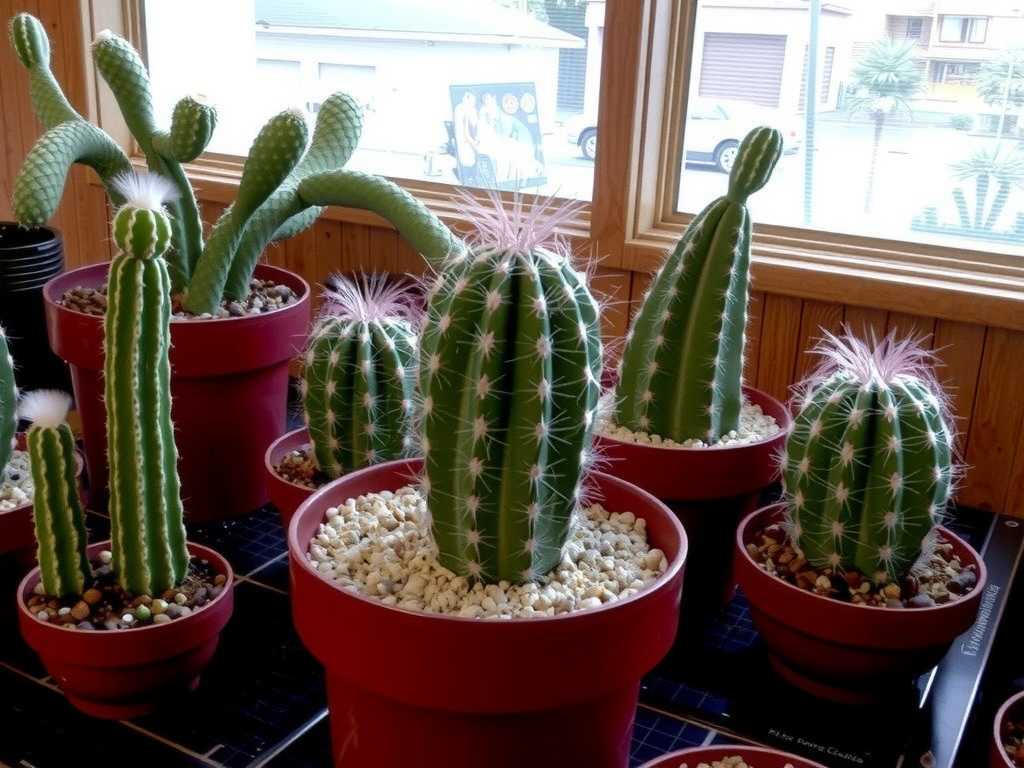
First, let’s demystify what we’re caring for. A grafted moon cactus isn’t a single plant. It’s a brilliant horticultural marriage. The colorful top (usually a Gymnocalycium mihanovichii variant) lacks the chlorophyll needed for photosynthesis. It’s grafted onto a hardy, green rootstock cactus, commonly a Hylocereus (dragon fruit cactus). This rootstock acts as the engine room, producing food for both itself and the scion. The key to long-term moon cactus care is nurturing this partnership. When the graft fails or the rootstock weakens, the entire plant suffers. My early mistakes stemmed from treating it like any other succulent, which nearly cost me my first few plants.
The Foundation: Perfecting Potting and Soil for Stability
My initial failure was using a standard, moisture-retentive potting mix. It led to root rot in my Hylocereus rootstock within weeks. Here’s the protocol I developed through painful lessons.
Choosing the Right Container Drainage is non-negotiable. I use unglazed terracotta pots with a large drainage hole. The porous material allows the soil to dry evenly, preventing waterlogged roots. The pot should be just slightly wider than the rootstock’s base—too large, and the soil stays wet for too long.
Crafting the Ideal Soil Mix Experts from the Cactus and Succulent Society of America (CSSA) emphasize the need for a fast-draining, low-organic medium. My proven recipe is:
- 50% mineral grit (perlite or pumice)
- 25% coarse horticultural sand
- 25% cactus potting mix This blend replicates the gritty, arid conditions these cacti evolved in, providing excellent drainage and aeration around the rootstock’s roots.
The Repotting Process Handle with care! The graft union (the join between scion and rootstock) is delicate. I gently remove old soil, inspect the roots for any dark, mushy spots (trimming if necessary with sterilized tools), and let the roots air-dry for a day before planting in the new, dry mix. I don’t water for another week to allow any micro-abrasions to callous.
Mastering the Watering Rhythm: Less is Truly More
This was my hardest lesson. Overwatering is the fastest route to a dead grafted cactus. I now follow a “soak and desert” method.
The Seasonal Schedule During active growth (spring and summer), I water only when the soil is completely dry throughout the pot. I check by weight—the pot feels very light—or with a moisture meter. Then, I give it a thorough soak until water runs freely from the drainage hole. In fall and winter, I reduce watering to once a month or even less, as the plant enters dormancy.
A Two-Week Observation Log To illustrate, here’s a snapshot from a critical period with a new graft:
- Day 1: Repotted into gritty mix. No watering.
- Day 7: First deep watering after repotting. Pot placed in bright, indirect light.
- Day 10: Soil is completely dry. Rootstock appears firm, scion is plump. No watering needed.
- Day 14: Soil remains bone dry. Both scion and rootstock show no signs of wrinkling (which would signal thirst). This confirmed the plant was efficiently using stored water, a sign of health. This disciplined approach prevents the root rot that plagues so many grafts.
Providing the Perfect Light for Color and Health
The colorful scion cannot tolerate intense, direct sunlight like some desert cacti; it easily scorches. However, the rootstock needs bright light to photosynthesize. Finding this balance is crucial.
The Ideal Placement I provide very bright, but filtered or indirect light. An east-facing window is perfect, offering gentle morning sun. A south or west window requires a sheer curtain as a filter. According to Royal Horticultural Society (RHS) advice on grafted cacti, insufficient light causes the rootstock to become thin and etiolated (stretched), weakening the entire structure.
My Lighting Mistake and Fix I once placed a prized red graft in a full-south window. Within a week, the vibrant scion developed pale, bleached patches—sunburn. I moved it immediately to filtered light. The damaged areas calloused but didn’t spread, though the cosmetic damage was permanent. This taught me that increasing moon cactus lifespan is directly tied to managed light exposure.
Temperature, Feeding, and Ongoing Vigilance
Temperature and Environment These grafts enjoy warm temperatures (70-80°F / 21-27°C) in summer and cooler, drier conditions (50-60°F / 10-15°C) in winter to encourage dormancy. They thrive in average household humidity. Avoid drafty spots or direct heat vents.
Fertilizing for Strength I feed sparingly. During the growing season, I use a balanced, diluted liquid fertilizer (formulated for cacti) only once every 4-6 weeks. Over-fertilizing can force weak, unnatural growth on the rootstock. In winter, I stop feeding entirely.
Monitoring the Graft Union Regularly check the join between the scion and rootstock. It should be firm and seamless. Any softening, discoloration, or leaning indicates a problem. Early detection is key.
Troubleshooting Common Problems: Lessons from the Field
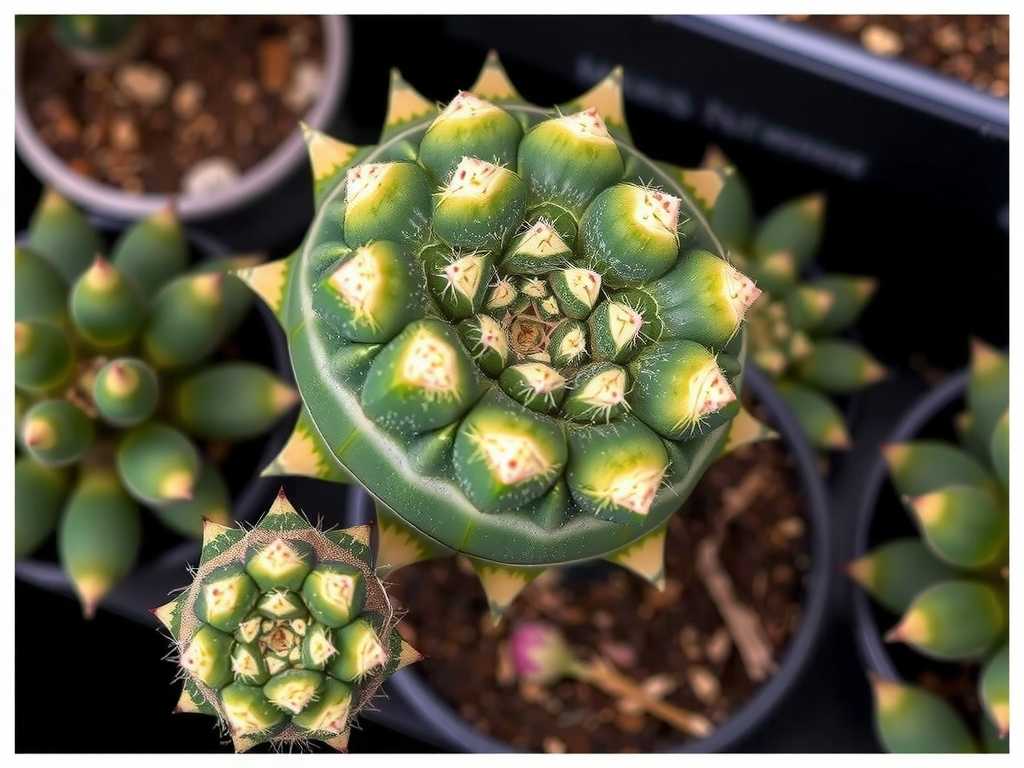
Problem: The colorful scion is shrinking or becoming soft. My Experience & Solution: This often signals graft failure or rootstock rot. I gently pressed the scion; it felt mushy. Upon unpotting, I found a rotten rootstock. The only recourse was to attempt a re-grafting of the scion onto a new, healthy rootstock—a more advanced technique I had to learn.
Problem: The green rootstock is thinning or wrinkling dramatically. My Experience & Solution: This indicated severe dehydration or root damage. I checked the soil—it was dust-dry for weeks. A deep, thorough watering plumped the rootstock back up within days. If the soil was wet and the rootstock thin, it would point to root rot, requiring repotting and root surgery.
Problem: The scion is losing its bright color. Solution: This is usually a light issue. Too little light fades colors; too much bleaches or scorches them. I adjusted the plant’s position to provide brighter, indirect light, and the color intensity slowly returned.
How long can a grafted moon cactus really live? With optimal care, focusing on the health of the rootstock, a grafted moon cactus can live for 5 to 10 years or even longer. Their perceived short lifespan is typically due to cultural errors like overwatering and incorrect light, not an inherent flaw.
Can I propagate the colorful top part on its own? No, the colorful Gymnocalycium scion cannot survive on its own roots long-term due to its lack of chlorophyll. It must remain grafted to a green, photosynthetic rootstock to live. You can, however, propagate the Hylocereus rootstock from cuttings.
What should I do if the graft separates? If the scion falls off and the rootstock is healthy, you can let the rootstock grow on its own—it will often produce its own branches. The scion, unfortunately, cannot be saved unless you are skilled and attempt to re-graft it immediately onto a new rootstock.
Growing a grafted moon cactus for the long term is a rewarding exercise in understanding and balancing the needs of two different plants united as one. It requires a shift from casual watering to mindful observation, from any soil to a specifically engineered mix. By prioritizing the health of the rootstock, mastering the watering cycle, and providing gentle, bright light, you transform that temporary splash of color into a enduring, vibrant companion. The journey involves setbacks—I’ve had my share—but each one deepens your skill. Start with the gritty soil mix and a disciplined watering hand, and watch your grafted cactus defy expectations.





