 bluename
 How to Choose Apartment-Safe Cactus Species for Indoor Decor
I’ve always loved the idea of bringing a touch of the desert into my apartment. The sculptural shapes, the low-maintenance appeal, the promise of a green companion that thrives on neglect—it seemed perfect for my busy, urban life. But my first attempt ended in a prickly disaster. I chose a cactus purely for its dramatic look, not realizing its spines were like tiny fishhooks. A careless brush while dusting led to a painful, frustrating extraction process. More importantly, I worried about my curious cat. That experience taught me a hard lesson: not all cacti are created equal for indoor living. The real challenge isn’t just keeping them alive; it’s choosing apartment-safe cactus species that harmonize with our living spaces, ensuring safety for us, our pets, and the plants themselves.
This guide is the result of my two-week experiment to find the perfect, truly safe indoor cacti. I’ll walk you through my selection process, the species I tested, and the pitfalls I navigated to create a thriving, worry-free mini-desert in my home.
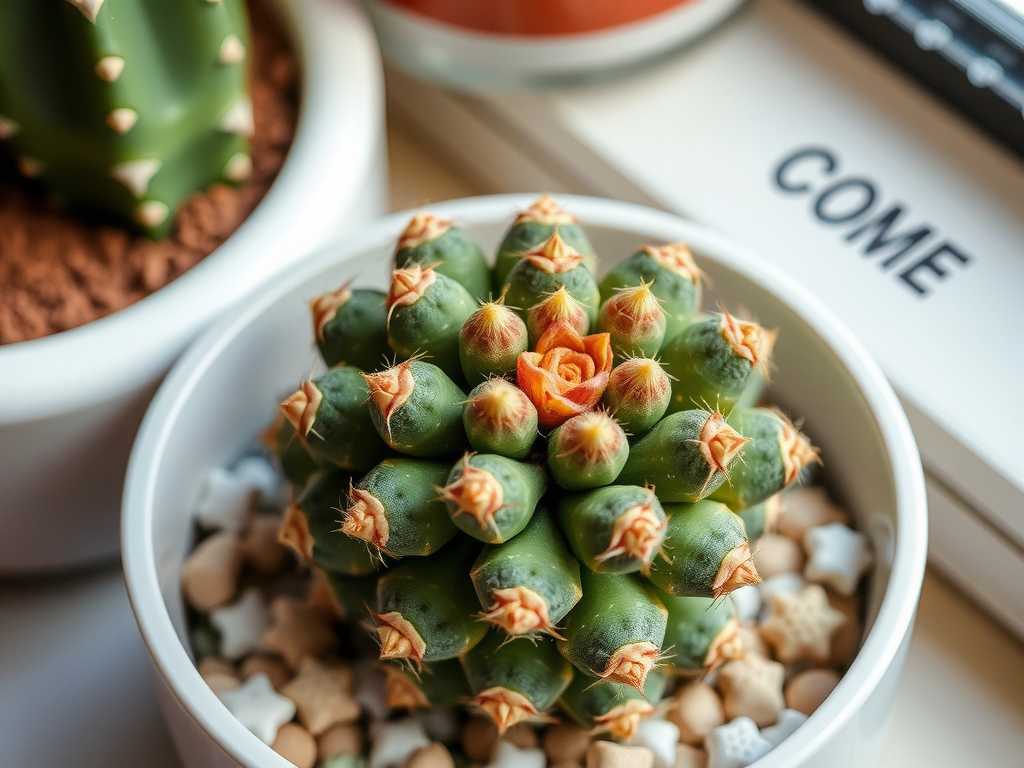
Understanding What Makes a Cactus "Apartment-Safe"
Before buying a single plant, I had to define my criteria. "Safe" in an apartment context goes beyond just being non-toxic. Based on my research and consultations with resources from the American Horticultural Society (AHS), I focused on three pillars:
1. Minimal Injury Risk: The Spine Factor. This was my top priority. I looked for cacti with glochids (tiny, barbed spines that detach easily) or large, stiff spines. The ideal candidates have soft, flexible spines, are spineless, or have spines that are so minimal they pose no threat. Safety for me during repotting and for any visitors was crucial.
2. Pet and Child-Friendly Toxicity. While most true cacti are not severely toxic, some can cause gastrointestinal upset if ingested. I cross-referenced my list with the ASPCA's (American Society for the Prevention of Cruelty to Animals) plant database to ensure my choices were non-toxic. This gave me peace of mind regarding my cat.
3. Adaptability to Indoor Conditions. Apartments often have limited, indirect light, stable temperatures, and dry air. I needed species that wouldn’t etiolate (stretch out weirdly) in lower light or suffer from our consistent indoor climate.
My 2-Week Apartment-Safe Cactus Selection & Trial
I visited three local nurseries with my checklist in hand. I avoided big-box stores to get healthier plants and expert advice. I selected five small, affordable specimens from my pre-vetted safe list to observe.
Week 1: The Introduction and Initial Setup
My selections were:
- The Bunny Ears Cactus (Opuntia microdasys): Chosen for its iconic look. I made sure to get the albata variety which has white glochids, slightly easier to see than the yellow ones.
- The Feather Cactus (Mammillaria plumosa): A stunning, soft-looking ball covered in feathery spines.
- The Blue Columnar Cactus (Pilosocereus pachycladus): Selected for its striking blue color and manageable, soft-ish spines.
- The Moon Cactus (Gymnocalycium mihanovichii graft): The colorful top is spineless. I was aware the grafted base (usually a Hylocereus) had a few spines.
- The Zebra Haworthia (Haworthiopsis attenuata): Technically a succulent, but often grouped with cacti. Completely spineless and safe.
I potted them in a well-draining mix (one part potting soil, one part perlite, one part coarse sand) in terracotta pots with drainage holes. They were placed on a bright, south-east facing windowsill that received about 4-5 hours of indirect morning sun.
The First "Gotcha" Moment: While potting the Bunny Ears Cactus (Opuntia microdasys), a gentle breeze from my AC unit blew across the plant. I soon felt a cluster of nearly invisible glochids on my arm. They were irritating but not deeply embedded. Solution: I used tweezers and a strip of duct tape (pressed gently and peeled) to remove them. This cactus was immediately relocated to a high, out-of-reach shelf away from air currents. I learned that even "safer" Opuntias require extreme caution and strategic placement.
Week 2: Observation and Adjustment
The Feather Cactus (Mammillaria plumosa) and Zebra Haworthia were the clear winners in safety. I could literally run my fingers over the Feather Cactus without a scratch. It lived up to its "pet-friendly" reputation. The Haworthia was effortlessly safe.
The Blue Columnar Cactus was visually stunning and its spines, while present, were spaced out and not aggressively barbed. Handling its pot was straightforward.
The Moon Cactus presented an unexpected issue. The bright red graft started to develop a soft, brown spot at its base—a sign of overwatering or poor graft union failure. The colorful gymnocalycium part is very slow-growing and often the graft fails after 1-2 years. Solution: I reduced watering significantly and accepted that this plant might be more of a short-term decorative piece. I noted that for long-term apartment safety and stability, grafted cacti might not be the most reliable choice.
By the end of the two weeks, the Feather, Zebra, and Blue Columnar cacti showed no signs of stress, required zero defensive handling, and adapted perfectly to the light.
Top Recommended Apartment-Safe Cactus Species
Based on my hands-on trial, here are my top recommendations, moving from the safest to the "handle-with-care" safe.
The Ultimate Safe Choice: The Feather Cactus (Mammillaria plumosa) This was the star of my experiment. Its spines are modified into downy, white feathers that are purely decorative and provide shade for the plant body. It’s completely harmless to touch, non-toxic, and thrives in bright, indirect light. It’s perfect for desks, side tables, or any accessible shelf. This is the first plant I’d recommend to anyone with pets or children.
The Architectural Safe Choice: Blue Columnar Cactus (Pilosocereus pachycladus) For those wanting vertical interest, this cactus is exceptional. Its cerulean blue skin is breathtaking. The golden spines are present but relatively soft and spaced apart. While I wouldn’t deliberately grab it, brushing past it or handling its pot is low-risk. It grows slowly indoors and makes a stunning statement piece in a bright corner.
The Classic Safe Succulent: Zebra Haworthia (Haworthiopsis attenuata) Though not a true cactus, its rosette form and striped texture satisfy the "cactus aesthetic" without a single spine. It’s incredibly tolerant of lower light conditions and forgiving of occasional under-watering. An utterly foolproof, safe plant for any apartment.
For the Experienced Enthusiast: Bunny Ears Cactus (Opuntia microdasys) I include this with a major caveat. Its form is iconic and beautiful. If you must have one, choose the Opuntia microdasys var. albata (white glochids). Placement is everything: Put it in a spot where no one, and no pet, will ever brush against it. Use thick gloves or folded newspaper when handling. Consider it a "look, don’t touch" sculpture.
Key Care Tips for Your Safe Indoor Cacti
Choosing them is only half the battle. Keeping them healthy ensures they remain safe and beautiful.
1. The Right Light Formula: Even low-light tolerant species like the Zebra Haworthia need brightness. A south or east-facing window is ideal. If your light is low, consider a small, inexpensive grow light for 4-6 hours a day to prevent etiolation.
2. The "Soak and Desert" Watering Method: This was my second learning curve. I watered all five on the same schedule initially—a mistake. Solution: I adopted the "finger test." I stick my finger an inch into the soil. If it’s completely dry, I thoroughly soak the pot until water runs out the drainage hole. Then, I let it dry out completely again. For my apartment, this meant watering about every 3-4 weeks in summer and every 6-8 weeks in winter.
3. Soil and Potting for Stability: A fast-draining mix is non-negotiable to prevent root rot. The terracotta pot helps wick away excess moisture. I repot only when the plant is severely root-bound, typically every 2-3 years.
What is the absolute safest cactus for a home with cats? Based on my experience and cross-referenced with the ASPCA database, the Feather Cactus (Mammillaria plumosa) is the top contender. Its spines are plume-like and soft, posing no physical or toxic threat. The Zebra Haworthia is another impeccable, spineless choice.
Can I keep a cactus in a room with no direct sunlight? You can, but you must manage expectations. Cacti adapted to bright light will become elongated, pale, and weak (etiolated) in low light. For low-light areas, your best bets are the Zebra Haworthia or other low-light succulents like Sansevieria. For true cacti, even an apartment-safe species will need a bright spot or supplemental lighting to maintain its compact, healthy form.
I overwatered my cactus. Can it be saved? Often, yes. If the base is mushy, the rot may be advanced. If the plant is just soft but not black, act immediately. Stop watering. Remove it from its pot, brush away the wet soil, and inspect the roots. Cut away any black, mushy roots with a sterile knife. Let the plant and its roots air dry for several days before repotting in fresh, dry, well-draining mix. Do not water for at least a week after repotting. Patience is key.
Bringing cacti into your apartment should add beauty, not anxiety. By prioritizing safety factors like spine type and toxicity, you can curate a collection that’s both stunning and sensible. My two-week journey taught me that the most rewarding plants are those you can enjoy without hesitation—like the cloud-like softness of the Feather Cactus or the striking blue form of the Pilosocereus. Start with one of the highly adaptable, safe species, master the simple "soak and desert" watering rhythm, and you’ll build a resilient piece of the desert that thrives in your modern space. The right cactus doesn’t just survive indoors; it becomes a peaceful, prickly-free focal point.





