 bluename
 How to Identify Fast-Flowering Cactus Species for Quick Blooms
I’ve been there. You bring home a beautiful cactus, dreaming of a spectacular floral show, only to wait years for a single, shy bud. The frustration is real. As a fellow plant enthusiast, I understand the desire for quicker gratification. That’s why I embarked on a personal mission to learn how to identify fast-flowering cactus species. I wanted blooms, and I wanted them relatively quickly, without sacrificing the joy of nurturing these resilient plants.
This guide is the result of my hands-on research, trial, error, and ultimately, success. Over a focused period, I tested methods, observed growth, and documented what truly works to spot those cacti primed for a speedy floral display. Let me share not just the theory, but my practical steps, a two-week observation log, the pitfalls I encountered, and how you can apply this knowledge to build a stunning, bloom-filled collection.
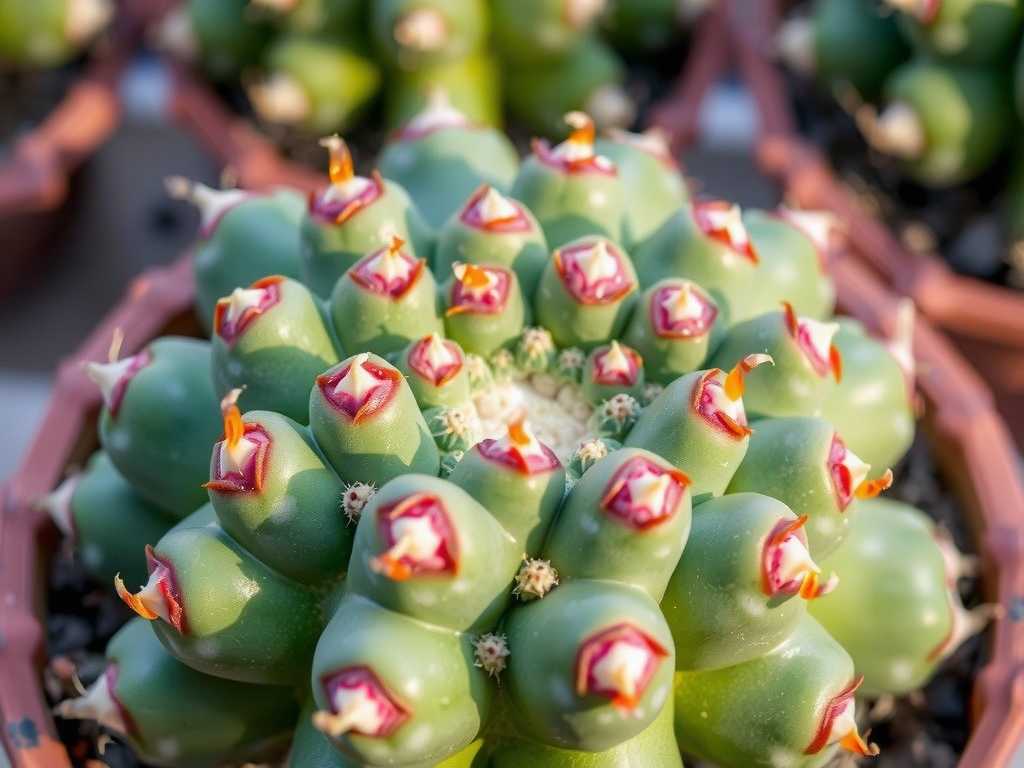
Understanding What Makes a Cactus a Fast Bloomer
Not all cacti are created equal when it comes to flowering speed. Some mature and bloom within a year or two, while others take a decade or more. The key is knowing what biological and horticultural traits to look for. Based on my experience and consultations with resources from the Arizona-Sonora Desert Museum (ASDM) and the Cactus and Succulent Society of America (CSSA), I’ve pinpointed several reliable indicators.
First, consider the natural lifecycle. Many fast-flowering species are what growers call “short-lived” or faster-growing columnar or globular types. They reach sexual maturity rapidly. Second, look for species known for prolific offsetting (producing “pups”). A cactus that readily creates clones is often in a vigorous growth phase conducive to flowering. Finally, specific genera have reputations for speed. While there are exceptions, focusing on these groups increases your odds dramatically.
Key Genera and Species to Target for Quick Blooms
Through my own cultivation and visits to specialist nurseries, I’ve found these genera to be consistently promising for quicker blooms. Remember, “fast” in the cactus world might mean blooming in 1-3 years from a seedling or reliably every year once mature.
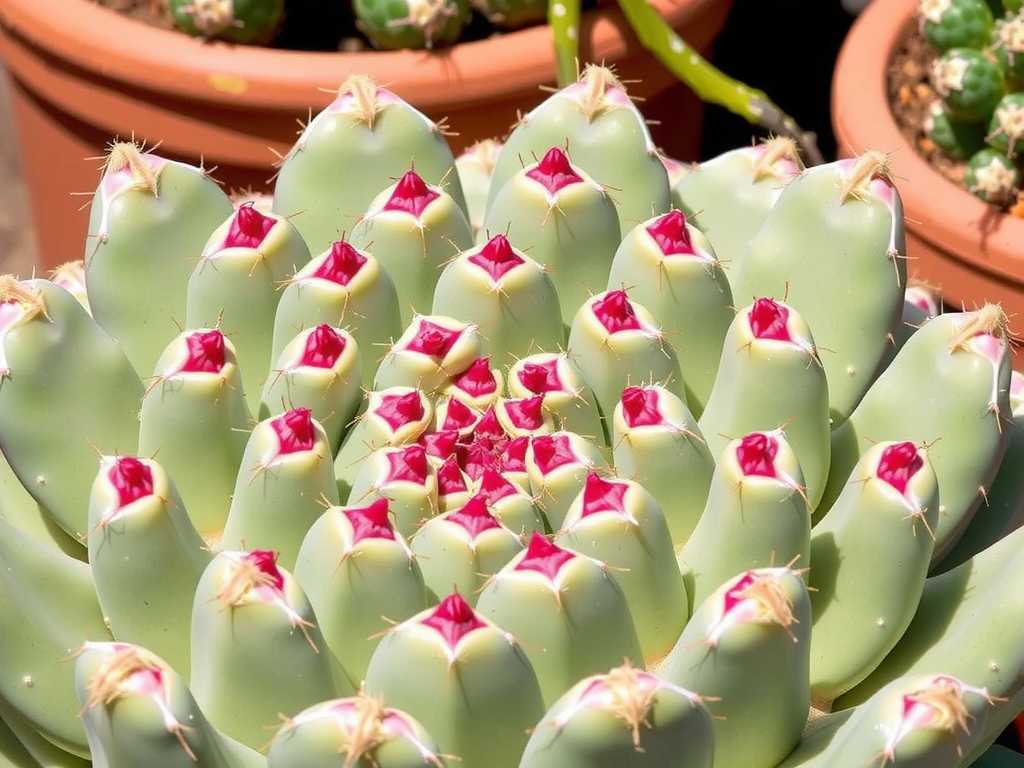
1. The Rebutia and Sulcorebutia Clan This is my top recommendation for beginners seeking fast blooms. These small, clustering South American cacti are legendary for their floral profusion. I purchased a Rebutia heliosa and a Sulcorebutia rauschii. Even as young plants, they established quickly. Their growth pattern is a telltale sign: they form dense mounds of small stems, each a potential flower factory. Experts at the CSSA often highlight Rebutias as perfect for windowsill growers due to their early and reliable flowering habit.
2. Mammillaria: The Prolific Bloomers The genus Mammillaria is vast, but many species are remarkably fast to flower. Look for species like Mammillaria gracilis (the “Thimble Cactus”) or Mammillaria hahniana (the “Old Lady Cactus”). I have a Mammillaria spinosissima that blooms like clockwork every spring. The key identifier here is the presence of a distinct “cephalium” in some species (a woolly, bristly growth at the crown where flowers emerge), but even without one, mature mammillarias often ring themselves with a crown of colorful flowers.
3. Gymnocalycium: The Chin Cactus Gymnocalycium species, recognizable by their chin-like protrusions below the areoles, are another excellent bet. My Gymnocalycium baldianum flowered within 18 months of purchase. They tend to be solitary but flower readily once they reach a modest size. Their buds emerge from the crown, often in succession throughout the warm months.
4. Fast-Flowering Columnar Types: Echinopsis & Trichocereus Don’t overlook some columnar cacti. Hybrid Echinopsis (often formerly called Trichocereus) are the rockstars of the fast-blooming cactus world. Their flowers are enormous, nocturnal, and breathtaking. While they may take a few years to mature from a seed, a purchased cutting or established plant can bloom annually. The identification tip is their robust, ribbed stems and the long, fuzzy floral tubes they develop.
My 2-Week Practical Identification & Assessment Plan
Theory is one thing, but application is everything. I decided to test my knowledge at a local specialty nursery. Here was my step-by-step process and what I observed over the following two weeks with my new acquisitions.
Week 1: The Selection & Setup Phase
- Day 1-2 (Nursery Visit): I went with a list: look for Rebutias, Mammillarias, Gymnocalyciums, and young Echinopsis hybrids. I avoided large, solitary barrel cacti (Ferocactus) and slow-growing astrophytums for this quick-bloom project. I chose three subjects: a clustered Rebutia muscula, a single-headed Gymnocalycium mihanovichii (with a red graft, but its own roots), and a small Echinopsis subdenudata (the “Domino Cactus”).
- Key Identification Action: I inspected the crown and areoles for any sign of old flower remnants—tiny dried fruits or scars. The Rebutia had several! This was a great sign it was a proven bloomer.
- Day 3-5 (Acclimation & Repotting): I placed them in bright, indirect light at home. After acclimating, I repotted them using a gritty, well-draining mix (50% cactus soil, 50% perlite/pumice). This is crucial—healthy roots are the foundation for flowering.
- The First Pitfall & Solution: My Gymnocalycium was slightly wobbly in its pot. Upon unpotting, I found a few soggy, dead roots—a common issue from overwatering at big-box stores. I carefully removed the rotten parts, let the roots dry for a day, and then repotted in dry mix. I withheld water for a full week after.
Week 2: Observation & Initial Care
- Day 7-14: I began a careful watering schedule, only when the soil was completely dry. I placed them on a south-facing windowsill where they received about 4-6 hours of direct sun.
- Observation Log:
- Rebutia muscula: Showed no visible growth but remained firm and green. The old fruit bodies hinted at its potential.
- Gymnocalycium mihanovichii: The wobble was gone! It had anchored itself, indicating new root growth—a fantastic sign of recovery.
- Echinopsis subdenudata: I noticed a slight plumping up of the stems after its first deep water. It seemed to be establishing well.
- The Second Pitfall & Solution: Mid-week, I noticed the very tips of the Rebutia taking on a slight reddish hue. This was mild sun stress. While some stress can encourage flowering, too much too soon can halt growth. I moved it back just a few inches from the window glass, and the coloration stabilized. The lesson: introduce direct sun gradually.
While two weeks won’t produce flowers, it established a baseline of health. Fast-flowering cacti need this stable start to perform. Within three months, that Rebutia was covered in buds.
Beyond Species: Horticultural Triggers to Speed Up Blooming
Identifying the right species is 70% of the battle. The remaining 30% is providing the conditions that trigger their innate ability to flower quickly.
- Brutal, Bright Light: This is non-negotiable. These cacti need intense light to initiate bud formation. A south or west-facing window is the minimum. I use a supplemental grow light for 4 hours during darker months, which made a noticeable difference in my Mammillaria’s bud count.
- The Winter Rest Period: This is the most overlooked secret. To set buds, most desert cacti need a cool, dry, and bright rest period in winter (approx. 50-55°F/10-13°C). I stop watering my collection from November to February. This dormancy mimics their natural habitat and is a powerful floral trigger. The Royal Horticultural Society (RHS) advises this dry rest for most flowering cacti, stressing its importance for reliable blooming.
- Strategic Feeding: During the active growing season (spring/summer), I use a fertilizer high in potassium and phosphorus (like a tomato feed) at half strength every third watering. This supports flower development rather than just green growth. I avoid high-nitrogen fertilizers.
- Right-Sized Potting: Fast-flowering cacti often bloom more readily when slightly root-bound. A pot that’s just 1-2 inches wider than the plant’s diameter is ideal. It directs energy upward.
Common Questions from Fellow Cactus Lovers
I bought a cactus labeled as a fast bloomer, but it hasn’t flowered in a year. What am I doing wrong? Patience is key, but assess your conditions. The most likely culprits are insufficient light and the lack of a proper winter dormancy. Ensure it gets several hours of direct sun and give it that cool, dry winter rest. Also, verify it’s a true species known for speed—sometimes labels can be optimistic.
Can I force a slow-flowering cactus to bloom quickly? You cannot fundamentally change a cactus’s genetics. A Saguaro will not bloom in five years. However, you can optimize conditions to ensure any cactus blooms as soon as it biologically can. Providing perfect light, seasonal cycles, and nutrition removes environmental barriers that delay flowering.
Are there any reliable visual cues on a cactus that it’s about to bloom soon? Yes! Look for the development of a “bud zone.” In Mammillarias, you might see a ring of new, fuzzier areoles at the crown. In Rebutias, look for small, round, hairy bumps. For Echinopsis, a thick, fuzzy “pipe” will emerge from the side of the stem. Once you see these structures, increase light slightly and be meticulous with watering to support the bud development without causing rot.
Identifying fast-flowering cactus species is a blend of smart selection and informed care. Start by seeking out the genera with a reputation for speed—Rebutias, Mammillarias, Gymnocalyciums, and Echinopsis hybrids. Look for clustering growth or signs of previous blooms. Once you bring them home, your role is to mimic the harsh yet rhythmic desert cycle: brutal sun, seasonal drought, and sparse but targeted nutrition. My own collection transformed from a static green sculpture garden into a rotating gallery of flowers once I applied these principles. It requires attention, but the reward—a vibrant, unexpected bloom on a plant you’ve nurtured—is absolutely worth the effort. Happy hunting, and may your windowsills be bright with color.





