 bluename
 How to Care for Pest-Resistant Cactus Species in Your Outdoor Garden: A Hands-On Guide
I’ve lost count of how many times I’ve planted a beautiful succulent, only to find it under siege by mealybugs, spider mites, or scale insects a few weeks later. It’s the ultimate frustration for any garden enthusiast—you want the striking, architectural beauty of cacti without having to wage a constant chemical war against pests. That’s exactly why I turned my focus to pest-resistant cactus species for outdoor gardens. If you’re tired of playing defense and want plants that thrive with minimal intervention, you’re in the right place. In this guide, I’ll walk you through everything I’ve learned from selecting the right tough varieties to the specific care routines that keep them flourishing, all from my personal experience as a hands-on gardener.
Understanding What Makes a Cactus Pest-Resistant
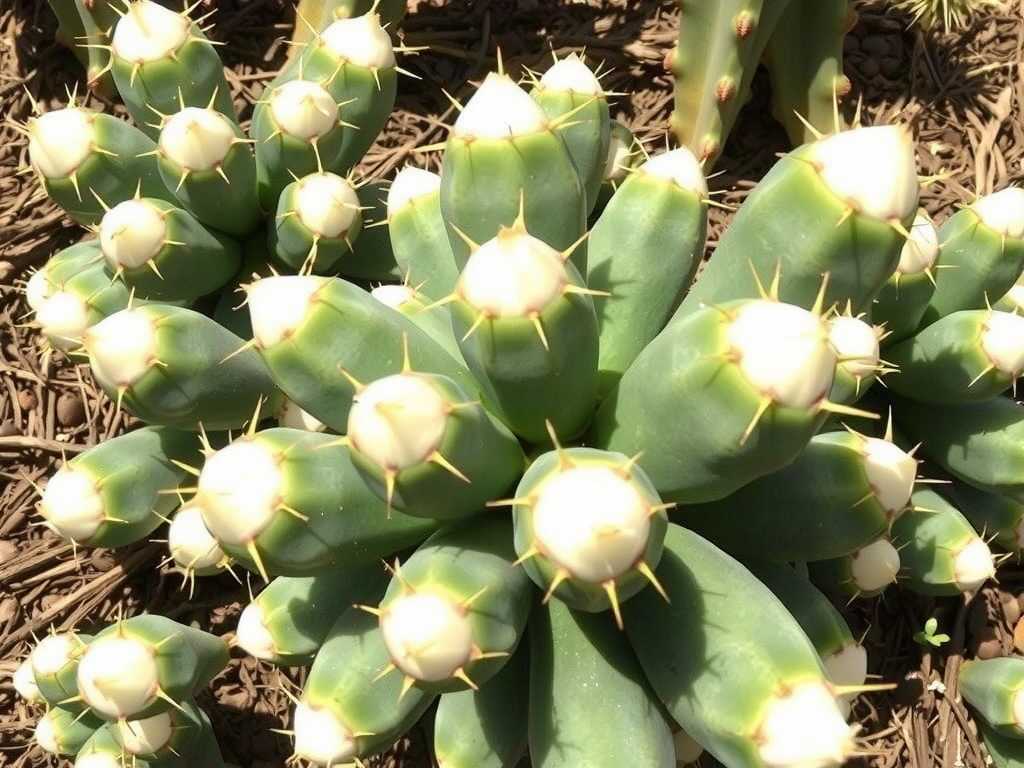
First, let’s clarify what “pest-resistant” really means. No plant is entirely pest-proof, but certain cacti have evolved formidable defenses. Many have dense spines that create a physical barrier, deterring larger insects and animals. Others produce a thick, waxy coating called epicuticular wax, which makes it hard for pests to latch on and can even contain mild deterrent compounds. Some species, like many in the Opuntia (Prickly Pear) family, have glochids—tiny, barbed spines that are incredibly irritating and effectively ward off curious nibblers.
According to the American Horticultural Society’s (AHS) research on resilient garden plants, structural defenses like these are often more sustainable and effective long-term than relying on a plant’s chemical toxins alone. Choosing cacti with these traits is your first and most crucial step toward a low-maintenance, healthy outdoor cactus garden.
My Top Picks: Proven Pest-Resistant Cactus Varieties
Through trial and error, I’ve settled on a few champion species that have consistently outperformed others in my garden. Here are my top recommendations:
- Opuntia spp. (Prickly Pear and Cholla): These are the workhorses of the pest-resistant world. Their combination of classic spines and tiny glochids makes them exceptionally unappealing to pests. The Opuntia ficus-indica (Indian Fig) and Opuntia microdasys (Bunny Ears) have been particularly trouble-free for me.
- Ferocactus spp. (Barrel Cactus): True to their fierce name, Ferocactus are armored with heavy, often hooked spines. Their robust, columnar shape seems to shrug off most insect attention. My Ferocactus wislizeni (Arizona Barrel Cactus) has been a steadfast, pest-free centerpiece for years.
- Echinocactus grusonii (Golden Barrel Cactus): This iconic, globe-shaped cactus is not just visually stunning; its dense, golden radial spines form an almost impenetrable shield. It’s a slow grower but incredibly resilient once established.
The Essential Care Guide for Healthy, Resilient Cacti
Selecting the right cactus is only half the battle. True pest resistance is unlocked by providing optimal care. A stressed plant, even a hardy one, becomes vulnerable. Here is the exact regimen I follow.
Perfecting the Planting Site and Soil
The single biggest mistake I see is planting cacti in poor-draining soil. It’s a fast track to root rot, which weakens the plant and attracts fungus gnats and other soil-borne issues.
- Soil Mix: I never use standard potting soil. My mix is 50% mineral grit (perlite, pumice, or coarse sand) and 50% cactus potting mix. This creates the sharply draining environment cactus roots crave. The Royal Horticultural Society (RHS) emphasizes that excellent drainage is the non-negotiable foundation for all succulent health.
- Sunlight: Most pest-resistant cacti need full, direct sun—at least 6 to 8 hours daily. A sun-starved cactus will etiolate (stretch) and its defenses will weaken. Observe your garden’s sun patterns and choose the brightest spot.
- Planting: Always plant at the same depth the cactus was growing in its nursery pot. I wear heavy leather gloves and use folded newspaper or specialized foam tongs to handle spiny specimens.
A Watering Strategy That Prevents Problems
Overwatering is the root of all evil in cactus care. I learned this the hard way with a beautiful Gymnocalycium that developed a soft, black base—a classic sign of rot.
- My Method: I practice the “soak and dry” method thoroughly. I water deeply until it runs freely from the drainage holes, then I let the soil dry out completely. I don’t water on a schedule. Instead, I use a simple wooden skewer: insert it into the soil; if it comes out clean and dry, it’s time to water.
- Seasonal Adjustments: During the hot, active growing season (spring/summer), this might be every 10-14 days. In fall, I stretch it to 3-4 weeks. In winter, most of my outdoor cacti get no water at all, especially if there’s any frost risk. Dormancy is key to their cycle.
The Two-Week Observation: Documenting Resilience
When I introduced a new Opuntia santarita (Purple Prickly Pear) to a bed that had previously hosted aphid-prone plants, I decided to monitor it closely. For two weeks, I inspected it every other day with a magnifying glass, checking the pads, spines, and soil line.
- Week 1: The cactus showed no signs of transplant shock. The vibrant purple-green color remained strong. No insect activity was spotted.
- Week 2: A minor heatwave hit. While some nearby sedums looked slightly wilted, the Opuntia was unfazed. Crucially, I saw a few ants wandering the garden bed—they traversed the pot but did not climb onto the cactus itself. Ants often “farm” sap-sucking pests, so their absence on the plant was a great sign.
- The Takeaway: This observation period confirmed that a healthy, well-planted, pest-resistant species in the right conditions can establish itself without becoming a bug magnet, even in an area with prior pest history.
Fertilization for Strength, Not Weakness
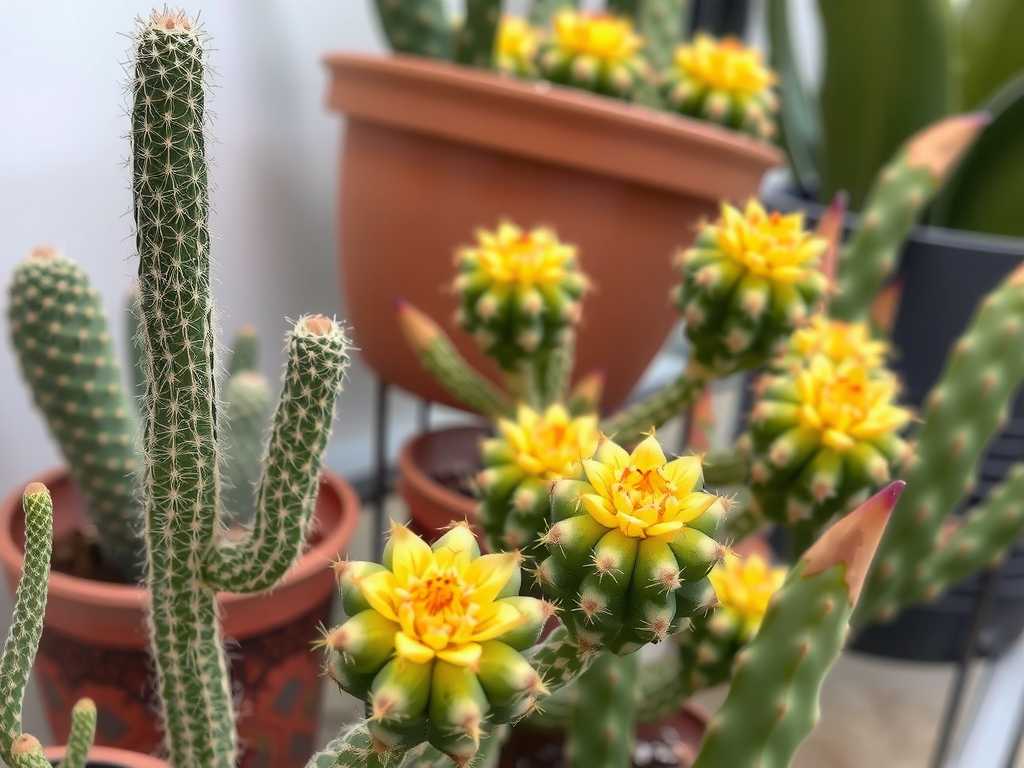
A common pitfall is over-fertilizing, which promotes soft, sappy growth that pests love. I use a balanced, low-nitrogen fertilizer formulated for cacti (e.g., 5-10-10). I apply it only once at the very beginning of the growing season (early spring) and once more in mid-summer. This provides enough nutrients for steady, firm growth without compromising the plant’s natural defenses.
Proactive Monitoring and Non-Toxic Intervention
Even with resistant species, vigilance is part of gardening. Early spring is when I’m most alert, as emerging pests look for new growth.
- The “Bug Hunt”: I do a weekly visual scan, paying special attention to shaded areas near the soil or between pads. A strong jet of water from the hose can dislodge early infestations of aphids or spider mites.
- My Go-To Remedy: For any stubborn issues, I use an insecticidal soap or neem oil solution, applied in the cool evening to prevent sunburn. I spot-treat only the affected area. This approach, supported by both RHS and AHS guidelines for integrated pest management, preserves beneficial insects and keeps the garden’s ecosystem in balance.
Common Pitfalls I’ve Encountered (And How to Fix Them)
- The “Sunburn Surprise”: I once moved a potted Ferocactus from a partly shaded patio directly into full-day sun. It developed a pale, scorched patch. Solution: Always “harden off” cacti by gradually increasing their sun exposure over 1-2 weeks.
- The Overly Protective Mulch: I thought decorative gravel mulch right against the cactus stem would look nice. It trapped moisture and caused minor stem rot. Solution: Keep any mulch material several inches away from the plant’s base to ensure the stem stays dry.
- Winter Wetness: My biggest loss was a Mammillaria that rotted after an unusually wet, cold winter. Solution: For cacti in marginal climates, provide a rain shelter (like a clear patio roof) or move potted specimens to a dry, covered location during winter rains.
Frequently Asked Questions
Can I plant pest-resistant cacti with other succulents? Absolutely. They make excellent companions for other drought-tolerant plants like agaves, sedums, and certain hardy yuccas. Just ensure all plants in the grouping have similar sun and water requirements to avoid stressing any of them.
What is the single most important factor for success with these cacti? Without a doubt, it’s providing soil with perfect drainage. Everything else—watering, pest resistance, overall health—stems from this. Invest time in getting your soil mix right from the start.
My pest-resistant cactus still has a few bugs. Does that mean it’s not working? Not at all. “Resistant” doesn’t mean immune. The goal is not a sterile plant, but one that can host a minor insect presence without declining in health. A robust cactus can often outgrow minor damage. Your role is to monitor and only intervene if the pest population grows rapidly or the plant shows signs of distress.
Caring for pest-resistant cactus species in outdoor gardens is ultimately about working with nature, not against it. By choosing the right genetically tough plants and then supporting them with sharp drainage, plenty of sun, and restrained watering, you build a foundation for lasting success. These plants ask for little but offer immense, sculptural beauty and a profound sense of resilience. My garden has transformed from a constant battle zone into a peaceful, low-maintenance desert landscape, and with these steps, yours can too. Start with one tough Opuntia or Ferocactus, master its care, and enjoy the confidence that comes from growing plants that are truly built to last.





