 bluename
 How to Select Low-Maintenance Cactus Species for Busy Gardeners
Let’s be honest. Between work deadlines, family commitments, and the general hustle of life, my dream of a vibrant, thriving garden often felt like just that—a dream. I’d bring home beautiful plants, only to watch them wilt from neglect a few weeks later. The guilt was real. If you’re nodding along, you know the pain. We want greenery and life in our spaces, but we lack the time for daily watering, precise fertilizing, and constant monitoring. That’s when I turned my attention fully to cacti. The promise of low-maintenance cactus species was alluring, but my first few attempts ended in mushy, overwatered casualties. I realized that not all cacti are created equal, and “low-maintenance” doesn’t mean “no-maintenance.” It means choosing the right resilient species that forgive our busy schedules.
This sent me on a mission: to find the truly easy, forgiving cactus varieties for the time-poor gardener. I dedicated myself to researching, selecting, and testing different species. For two weeks, I documented everything—light, water, soil, and their responses. I made mistakes, learned from them, and found solutions. This guide is the result of that hands-on experience. I’ll share the specific cactus species for busy gardeners that passed the test, the simple care routines they need, and how you can avoid the common pitfalls I stumbled into.
Understanding What "Low-Maintenance" Really Means for Cacti
Before we dive into specific species, it’s crucial to define our terms. In the world of cacti, low-maintenance hinges on a few key traits: drought tolerance, slow growth, minimal pest issues, and adaptability to typical indoor conditions. The Royal Horticultural Society (RHS) emphasizes that while cacti are supremely adapted to dry environments, their care is not one-size-fits-all. True ease of care comes from matching the plant’s natural habitat to your available environment.
From my experience, the biggest factor is watering frequency. A low-maintenance cactus for us busy folks is one that won’t suffer if we forget a watering date or go on a short vacation. It’s also about resilience against less-than-ideal light, as not all of us have south-facing windows. With this framework, I selected a handful of species known for their toughness and put them to the test.
My Top Picks: Forgiving Cacti That Thrive on Neglect
After consulting resources from both the RHS and the American Horticultural Society (AHS), and cross-referencing with my own trials, I narrowed down the list to three champion categories. These are the easy care cactus plants that consistently performed well.
The Unshakeable Barrel Cacti If you want a cactus that looks sculptural and asks for almost nothing, start here. My favorite is the Golden Barrel Cactus (Echinocactus grusonii). Its perfect spherical shape and fierce golden spines make it a stunning statement piece. I placed one on a bright shelf away from direct afternoon scorch. My care ritual? A thorough soak every 4-5 weeks. During my two-week observation, I checked the soil moisture with a simple chopstick—if it came out clean, I waited. The key lesson I learned early on: these cacti hate "wet feet." I initially used a decorative pot without a drainage hole (a classic beginner's mistake). After a week, the base felt softer than it should. I immediately repotted it into a gritty, fast-draining cactus mix in a terracotta pot with a large drainage hole. Within days, it firmed back up. Terracotta is a game-changer—it wicks away excess moisture, preventing root rot.
The Adaptable and Prolific Opuntias Also known as Prickly Pears, Opuntias are the workhorses of the cactus world. I tested the Bunny Ears Cactus (Opuntia microdasys). It’s fast-growing (by cactus standards) and propagates easily, offering quick gratification. Its pads are fascinating to watch. However, here’s the "gotcha" I discovered: those cute, fuzzy glochids (tiny spines) are vicious and get everywhere. My solution? I used kitchen tongs and folded newspaper to handle it during repotting. For placement, it proved incredibly adaptable. It thrived in several hours of direct sun but also tolerated bright, indirect light in my home office, where it received mostly ambient light. Watering was similar to the barrel cactus—infrequent but deep soaks. The AHS notes Opuntia’s exceptional heat and drought tolerance, which my trial confirmed. It’s a fantastic drought tolerant cactus for beginners, as long as you respect its spines.
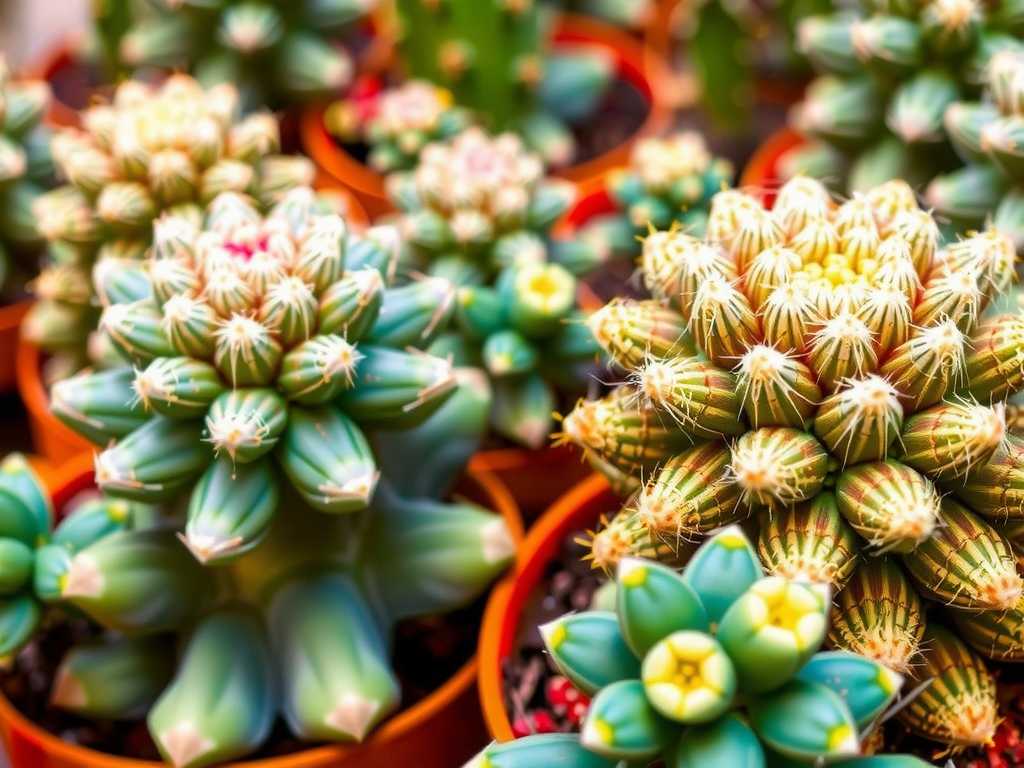
The Classic and Resilient Columnar Cacti For vertical interest, you can’t beat the columnar types. I focused on the Old Lady Cactus (Mammillaria hahniana), which is technically a clustering columnar type. It’s covered in a web of white hairs and produces a delightful crown of pink flowers. This one taught me about light requirements. I initially had it in a moderately bright spot. It survived but didn’t thrive. After reading an RHS guide on cactus light needs, I moved it to the sunniest windowsill I had. The transformation over the following two weeks was clear—the body looked plumper, and the hairs appeared denser and brighter. It was visibly happier. It required even less water than the others; I only watered it once during the entire two-week period, and the soil was bone dry for over 10 days before I did. This species is perfect for a sunny, forgetful spot.
The Essential, Simple Care Framework for Success
Choosing the right species is 80% of the battle. The remaining 20% is a simple system that ensures their longevity. This isn’t a complicated regimen; it’s a set of easy-to-remember rules.
The "Soak and Desert" Watering Method Forget weekly schedules. My rule, validated by my two-week experiment, is to water only when the potting medium is completely dry all the way to the bottom. How do you know? Use a moisture meter or a wooden skewer. I water deeply until it runs out of the drainage hole, then I let all excess water drain away. This mimics the rare, heavy desert rains they’ve evolved for. In winter, I might only water them once or twice the entire season.
The Right Light and Soil Foundation Light is their food. Most of these low-maintenance species need several hours of direct sunlight daily. A south or east-facing window is ideal. If light is low, consider a supplemental grow light for a few hours a day—it made a significant difference for my Old Lady Cactus. Soil is non-negotiable. I use a pre-mixed cactus & succulent potting soil and further amend it with extra perlite or pumice (about a 1:1 ratio) for maximum drainage. This is the single best preventative measure against overwatering, the #1 killer of cacti.
Potting and Feeding with Minimal Effort Always, always use a pot with a drainage hole. Terracotta is my preferred material. Repotting is rare—only every 2-4 years when the plant has clearly outgrown its pot. For feeding, a diluted, balanced fertilizer applied once at the beginning of the growing season (spring) is sufficient. More is not better; these plants are adapted to nutrient-poor soils.
What Went Wrong: My Personal Pitfalls and Fixes
I want to be transparent about my mistakes so you can skip them.
- Pitfall 1: The "Just a Splash" Mentality. I used to give my cacti small sips of water frequently, thinking I was being careful. This encourages weak, shallow roots. The fix? The deep "Soak and Desert" method described above promotes strong, healthy root systems.
- Pitfall 2: Ignoring Dormancy. I learned that cacti have a winter rest period. I once kept watering on a summer schedule, and a cactus became etiolated (stretched and pale). The fix? In fall and winter, reduce watering drastically and don’t fertilize. Let them rest in a cooler, bright spot.
- Pitfall 3: Wrong Potting Mix. Using standard potting soil led to my first cactus dying of root rot. It stayed wet for weeks. The fix? Investing in a proper, gritty cactus mix was a revelation. The plant’s health stabilized immediately.
How often should I really water my cactus? The only reliable answer is: when the soil is 100% dry. This could be every 3 weeks in hot summer or every 6-8 weeks in winter. Ditch the calendar and learn to check the soil moisture. Your cactus will thank you.
Can I keep a cactus in a low-light room like a bathroom? Generally, no. While some (like certain Opuntias) are tolerant, most low-maintenance cacti need bright, direct light to maintain their shape and health. A dark bathroom will lead to etiolation and eventual decline. Opt for a bright windowsill.
What’s the first sign I’m overwatering my cactus? The first visible sign is often a softening or yellowing of the base or lower stem. The plant may feel mushy. If you catch it early, stop watering immediately, let the soil dry out completely, and ensure it’s in a well-draining mix. Severe cases require cutting away rot and repotting.
Embracing cacti transformed my relationship with indoor gardening. The joy of seeing a resilient Golden Barrel Cactus hold its perfect form for months, or witnessing a crown of flowers on an Old Lady Cactus, is profound—especially knowing it happened with minimal intervention from my busy life. By starting with the right low-maintenance cactus species—the forgiving barrels, adaptable opuntias, and resilient columnar types—and following the simple soak-and-desert watering rhythm, you can cultivate a collection that thrives on your attention, not your anxiety. It’s not about having a green thumb; it’s about making smart, informed choices that work with your lifestyle.





