bluename
 How to Water Drought-Resistant Cactus During Record-Long Dry Spells
You’ve chosen a cactus for its legendary toughness, a plant built to thrive on neglect. Yet, as dry spells stretch into record-long droughts, you might notice your resilient friend showing signs of stress—unexpected wrinkling, a worrying softness at the base, or a lack of vibrant growth. This creates a real dilemma: how do you water a plant engineered for arid conditions when the “arid” period never seems to end? The common advice of “just don’t water it” becomes dangerously simplistic. Properly hydrating a drought-resistant cactus during extreme dry spells is a nuanced skill, blending deep respect for its desert origins with adaptive care for unprecedented conditions.
This guide will walk you through the precise, cautious steps to ensure your cactus not only survives but remains healthy through prolonged dryness. We move beyond guesswork to a method based on observation and understanding.
Understanding the Cactus’s Survival Strategy
To water correctly, you must first appreciate how a cactus operates. It’s a master of water conservation. Its spines shade its skin and reduce airflow, its thick, waxy cuticle minimizes evaporation, and its expansive, shallow root system is designed to rapidly absorb fleeting rainfall. Most critically, it stores water in its stem (the body), which expands like a reservoir. During a true drought, it uses this stored water, slowly contracting. A slightly shriveled cactus is often just a thirsty one using its reserves—this is normal. The danger during record-long dry spells is that these reserves are depleted past the point of recovery, causing permanent cell damage or root death.
The Golden Rule: Soak and Dry, Perfected for Drought Conditions
The universal mantra for cactus care is the “soak and dry” method. During extreme dry spells, this rule doesn’t change, but its execution requires heightened precision. You must water deeply and infrequently, simulating the rare, heavy desert downpour. The goal is to thoroughly saturate the root ball, encouraging deep root growth, and then allow the soil to become completely, utterly dry before even considering the next watering.
Signs Your Cactus Actually Needs Water (Forget the Calendar)
Never water on a schedule. Your cactus’s needs are dictated by light, temperature, humidity, and soil. During a heatwave within a dry spell, it may need water sooner. In a cool, indoor setting, it may not. Here are the true indicators:
- Visual Cues: Look for pronounced wrinkling or ribbing along the sides. The plant will look deflated, not just lightly textured. For columnar cacti, the top may appear thinner.
- The Touch Test: Gently squeeze the cactus (avoiding spines!). A well-hydrated cactus feels firm and solid, like a full water balloon. A thirsty one will have some give, feeling less turgid. Do not wait for it to become soft or mushy—that’s often rot.
- The Soil Probe: This is the most reliable method. Insert a wooden skewer or chopstick deep into the soil near the pot’s edge. Leave it for a minute, then remove it. If it comes out completely clean, dry, and free of any damp soil particles, the soil is bone-dry. If there’s any moisture or clinging soil, wait.
A 2022 study in the Journal of Arid Environments emphasized that “the physiological stress point for many succulents occurs not at soil dryness, but at the prolonged depletion of internal water stores.” Your job is to water just as those stores are becoming critically low, not after.
A Step-by-Step Watering Protocol for Extreme Dry Spells
- Choose the Right Time: Always water in the early morning. This allows excess moisture on the plant to evaporate quickly in the rising sun and gives the soil a full day to begin drying. Watering in the evening during a drought can be risky, as cooler nights might prolong dampness.
- Use the Right Water: Tepid rainwater or distilled water is ideal, as it avoids mineral buildup in the soil, which can harm roots. If using tap water, let it sit out for 24 hours to allow chlorine to dissipate.
- Water Deeply, Not Lightly: Take your cactus to a sink or outdoors. Slowly pour water onto the soil surface, not over the plant body, until it flows freely out of the drainage holes. This ensures the entire root mass is reached. For a potted cactus, you may need to water, wait a minute, and water again to break through hydrophobic (water-repellent) soil.
- Ensure Complete Drainage: This is non-negotiable. The pot must have drainage holes. After watering, let the pot drain completely. Never let the cactus sit in a saucer of standing water, even for a short time. “The quickest path to cactus demise, especially in humid or cool conditions accompanying some dry spells, is soggy soil,” notes Dr. Eleanor Vance, a horticulturist specializing in xeriscaping.
- Resume the Dry-Out: Return your cactus to its sunny spot and do not water again until the soil has passed the “skewer test” and the plant shows early signs of thirst again. This drying period could be 3 weeks or 3 months, depending on your environment.
Critical Factors Intensified by Long Dry Spells
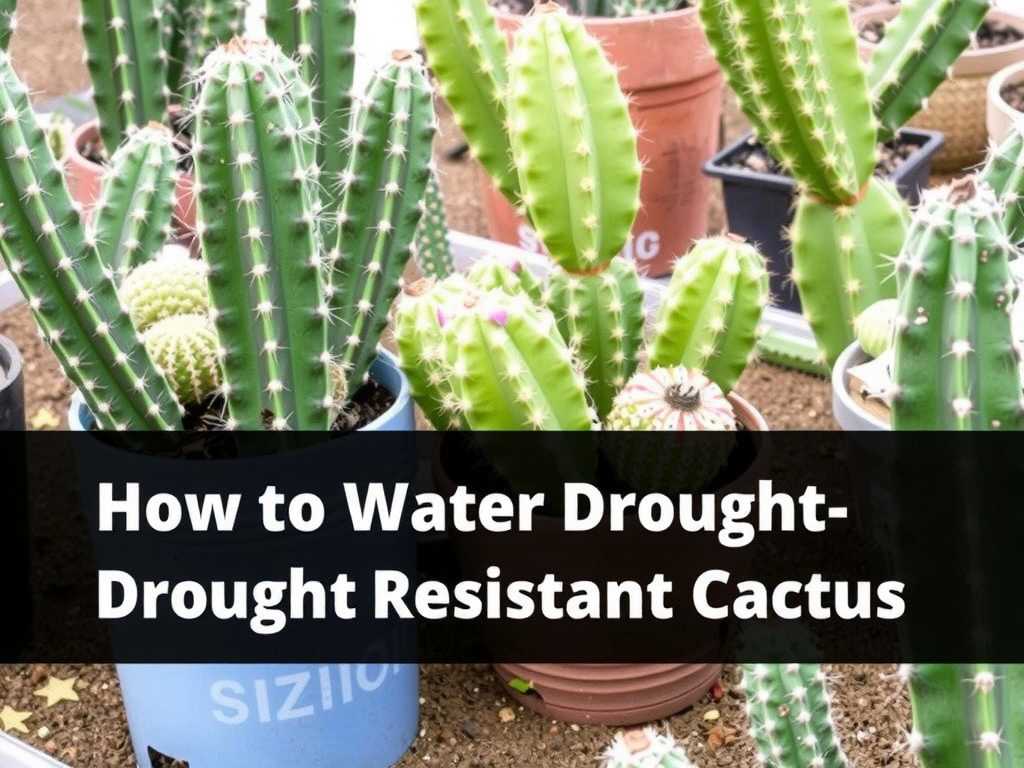
- Pot and Soil Are Paramount: Your watering success is dictated by your soil mix and container. Use a gritty, fast-draining cactus/succulent mix, and consider adding extra perlite or pumice (up to 50% of the mix) for extreme drainage. Terracotta pots are excellent as they are porous and wick moisture away from the soil.
- Light and Heat: A cactus in full, blazing sun will use water faster than one in partial shade. During a record heatwave, monitor your plant more closely but resist the urge to water more frequently without confirming soil dryness.
- Dormancy Matters: Many cacti have a winter dormancy period where they require little to no water, even if indoors. Combining natural dormancy with a dry spell means watering may halt completely for several months.
FAQ: Navigating the Drought Dilemma
My cactus is shriveled at the top but the soil is damp. What’s wrong? This is a major red flag, often indicating root rot. The roots have been damaged by overwatering or poor drainage and can no longer absorb moisture, so the plant dehydrates from the top down. You must unpot the cactus, inspect the roots, cut away any black/mushy parts, let it callous for several days, and repot in fresh, dry, gritty mix. Do not water for at least a week after repotting.
Is misting a good way to hydrate my cactus during a dry spell? No. Misting is ineffective and dangerous. It does not provide meaningful moisture to the roots and can lead to fungal issues or rot on the cactus body, especially in areas with poor airflow. Always water at the soil level.
How do I water a large, in-ground cactus during a prolonged drought? The principles are the same. Create a small basin around the plant’s base and slowly flood it with a hose, allowing water to penetrate deeply to a depth of at least 12-18 inches. This encourages roots to grow downward. Then, allow the ground to dry completely. The interval between waterings will be much longer than for potted plants, often spanning the entire season.
Caring for a drought-resistant cactus during record-long dry spells is an exercise in disciplined observation. It requires you to ignore fixed schedules and instead learn to read the subtle language of your plant—its firmness, its shape, the dryness of its soil. By mastering the “soak and dry” method, prioritizing flawless drainage, and understanding the environmental factors at play, you provide a level of care that honors the cactus’s evolved nature while safeguarding it against increasingly extreme conditions. The ultimate goal is a resilient plant, one whose occasional thirst is met with a deep, infrequent drink, mirroring the precious rains of its native habitat.