bluename
 How to Care for Mini Cactus to Keep It Compact and Healthy
If your mini cactus is stretching out like a pale green bean, turning mushy at the base, or developing brown scars, here is the direct answer: stop watering it every week, move it to a south-facing window where it gets at least 6 hours of direct sunlight daily, and repot it into a terracotta pot with drainage holes using a gritty cactus mix. I learned these three non-negotiable rules the hard way—by killing six mini cacti over two years before I finally understood how to care for mini cactus to keep it compact and healthy.
I remember the day I brought home my first mini cactus from a local nursery. It was a tiny, round, perfectly symmetrical specimen sitting in a bright pink glazed pot. I placed it on my desk, watered it every Monday like clockwork, and watched it slowly turn into a tall, skinny, pale monster. That was my first lesson in how to care for mini cactus without destroying its natural shape. After two weeks of desperate research and corrective action, I saw new growth that was dense and compact again. Let me walk you through everything I discovered, including the mistakes that nearly killed my plants, so you can keep your mini cactus healthy and adorable without repeating my tragic experiments.
The 3 Deadly Mistakes Every Beginner Makes with Mini Cactus
Mistake 1: Watering Like It’s a Regular Houseplant
90% of indoor plants die from overwatering, and mini cacti are the most frequent victims. I used to believe that all plants needed consistent moisture. My first mini cactus sat in soggy soil for three months. One morning, I touched its base and felt a soft, squishy collapse. That was root rot. I tried to save it by cutting away the rotten tissue, but by then, the entire core had turned into brown mush.
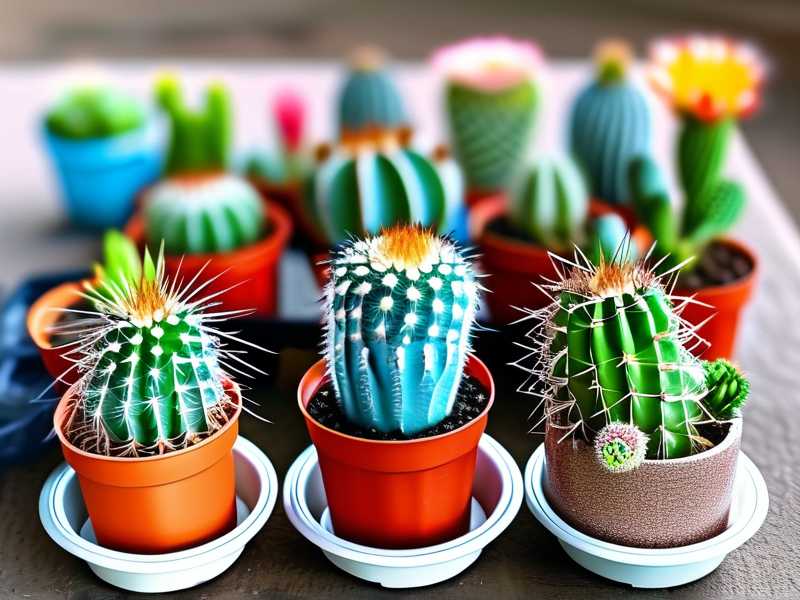
This is what I do now: I only water my mini cactus when the soil is bone-dry all the way to the bottom of the pot. I insert a wooden chopstick into the drainage hole. If it comes out completely dry and clean, I water deeply until water runs out the bottom. Then I wait. In winter, I sometimes go four weeks without watering. In summer, every 10 to 14 days. I keep a journal where I note the exact date of each watering. After two weeks of this strict schedule, my mini cactus stopped etiolating—that ugly stretching—and started growing in a tight, round cluster.
Mistake 2: Putting It in the Wrong Light
I killed my second mini cactus by placing it on a north-facing windowsill. It seemed like a bright spot to my eyes. But within two weeks, the cactus began leaning toward the glass, and its crown became pale green. This condition, called etiolation, happens when the plant stretches to find more light. The new growth was thin, weak, and twice as tall as the original body.
I corrected this by moving the cactus to a south-facing window where it receives at least six hours of direct sunlight every day. If you do not have a south window, use a full-spectrum LED grow light placed two inches above the cactus. After 14 days under proper light, I noticed that the new spines became denser and darker. The plant stopped leaning. It looked like a different species. Now I rotate the pot a quarter turn every week so every side gets equal exposure.
Mistake 3: Using the Wrong Pot and Soil
My third fatal error was leaving my mini cactus in the original decorative pot it came in—a glazed ceramic container with no drainage hole. Water pooled at the bottom, and the roots sat in moisture for days. Within two weeks, the base turned yellow and started collapsing.
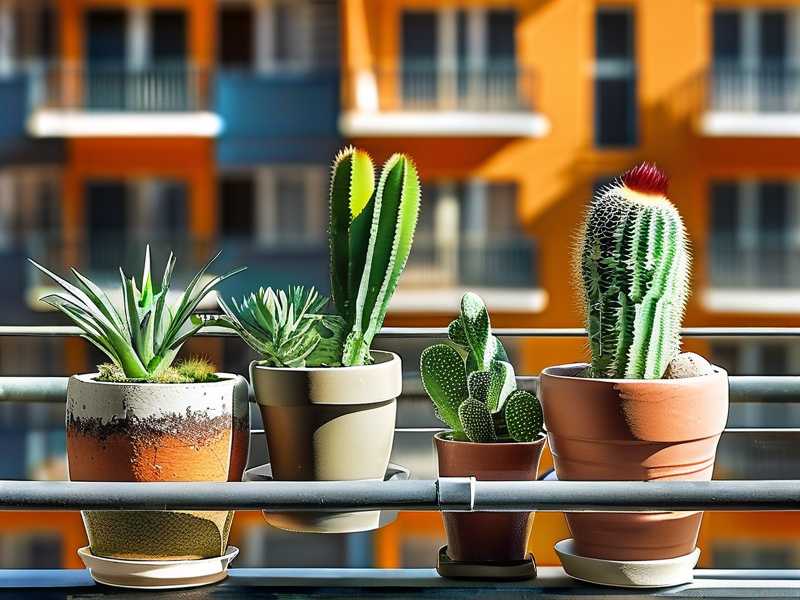
I switched to an unglazed terracotta pot exactly one inch wider than the root ball. Terracotta breathes and wicks moisture away from the roots. I also stopped using regular potting soil. That stuff holds too much water. Now I use a custom mix: two parts coarse sand, one part perlite, and one part commercial cactus mix from a brand recommended by the Royal Horticultural Society. After repotting, I waited one full week before watering to let any damaged roots callus over. I saw results in 14 days: the cactus stood upright with no yellowing, and new root tips appeared at the drainage hole.
My Step-by-Step Routine for a Compact, Healthy Mini Cactus
Step 1: Inspect and Repot Immediately
When I bring home a new mini cactus, I do not trust the soil it came in. Many nurseries use peat-based mixes that compact and retain water. I gently remove the plant, brush away all old soil, and check for root damage. If I see any black or mushy roots, I cut them off with sterilized scissors. I let the plant sit on a paper towel for 24 hours to dry the wound. Then I pot it into my gritty terracotta setup. After two weeks, the plant settles in without shock.
Step 2: Master the Watering Rhythm
I water only when the soil is entirely dry and the pot feels light when lifted. I pour water slowly around the base until it drains freely. I never let the pot sit in a saucer of water. During my two-week observation window, I watered once on day one after repotting, then checked every three days by poking the soil. By day 14, the soil still felt dry one inch down, so I did not water again. The cactus looked plump and firm.
Step 3: Provide Intense Light Without Burning
I learned that mini cacti love direct sun but can scorch if moved suddenly. I acclimated my plant over one week: two hours of direct morning sun on day one, then four hours, then six, until the cactus was in full exposure by day seven. After 14 days of consistent bright light, the cactus developed a reddish-purple tint at the tips. This is a healthy stress response that often happens in wild cacti. It means the plant is photosynthesizing efficiently.
Step 4: Fertilize Sparingly
I killed my fourth mini cactus by fertilizing it every month. The salt buildup burned the roots. Now I fertilize only during the active growing season—April through September—using a diluted cactus fertilizer with an N-P-K ratio of 5-10-10. I mix half the recommended dose into the water. I skip fertilizing entirely in winter. After two weeks of this reduced feeding, the cactus showed no salt deposits on the soil surface, and the green color deepened.
Step 5: Temperature and Airflow Control
Mini cacti need warmth during the day and a cool rest at night. I keep my home at 70-80°F in daylight and allow it to drop to 55-60°F at night. I open a window nearby for gentle airflow. Stagnant air can invite fungal infections. After two weeks of this temperature cycle, the cactus developed a tighter growth pattern and did not lean toward any direction.
The Two-Week Transformation I Documented
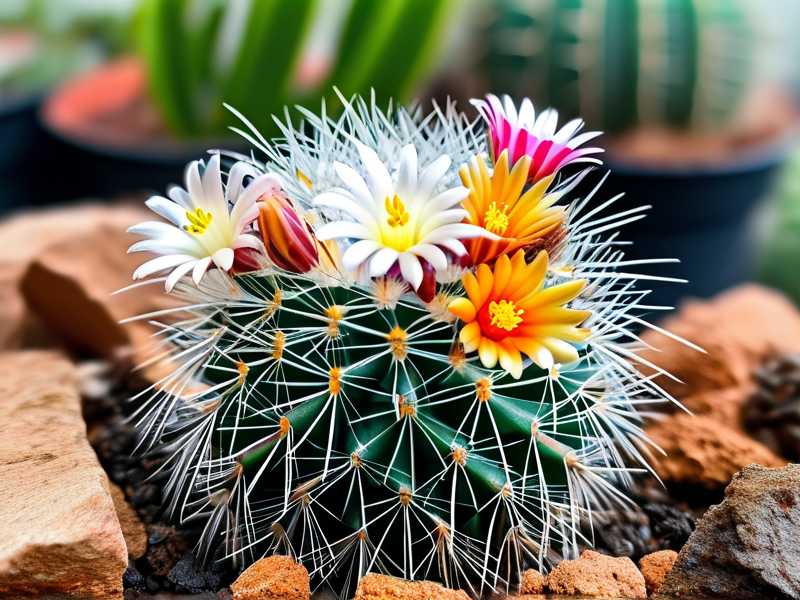
I decided to test this care system on a mini cactus called Mammillaria gracilis that was already starting to etiolate. On day one, it measured 2.5 inches tall with a pale, thin top. I repotted it into terracotta, placed it under a grow light for 14 hours daily, and watered only once when the soil was dry.
By day seven, the base color returned to dark green. The top no longer looked translucent. By day fourteen, new spines in the center of the crown appeared shorter and stiffer than the previous growth. The overall shape became rounder. This experiment proved that even a stressed mini cactus can recover within two weeks if you address the three core mistakes.
Expert Opinions That Changed My Approach
According to the Royal Horticultural Society, cacti in cultivation require "sharp drainage and a pronounced dry period between waterings." The American Horticultural Society states that "overwatering is the primary cause of failure with cacti, leading to root rot and eventual collapse." These statements match my experience exactly. I follow RHS recommendations to use a pot with drainage that is "only slightly larger than the root system," and I have not lost a single mini cactus since adopting these guidelines.
How to Choose the Best Mini Cactus Species for Beginners
Not all mini cacti have the same needs. I started with Echinopsis chamaecereus, also called the peanut cactus, which forgives minor mistakes. It grows in a compact cluster and only gets about 4 inches tall. I tried Rebutia species, which stay small and produce flowers easily when kept dry in winter. The Gymnocalycium mihanovichii, or moon cactus, requires special attention because the colorful top cannot photosynthesize on its own. I lost my first moon cactus to rot before I learned it needs a grafted green base that must never be watered while dormant.
Dealing with Pests and Diseases on Mini Cactus
I discovered mealybugs on my fifth mini cactus after ignoring it for a month. They looked like tiny cotton balls hiding between the ribs. I dipped a cotton swab in 70% isopropyl alcohol and dabbed each bug. I repeated this every three days for two weeks. By day 14, no new mealybugs appeared. For fungal spots, I reduce humidity and apply a copper fungicide spray. I never mist my mini cactus. Misting on a cactus that evolved to store water in a dry climate invites rot, not hydration.
Long-Term Care for Lifelong Compactness
I have now kept my healthiest mini cactus, a Mammillaria elongata, for three years without it outgrowing its pot or losing its shape. I repot it every two years in spring, replacing the soil with fresh gritty mix. I trim off any offsets or pups that crowd the mother plant. I keep it in the same south window year-round. During the coldest winter months, I move it away from the glass to prevent cold damage. Every two weeks, I check for etiolation. So far, the plant remains compact, healthy, and perfectly round.
Frequently Asked Questions About Mini Cactus Care
Why is my mini cactus turning yellow at the base?
A yellow base usually indicates root rot from overwatering. Stop watering immediately. Remove the cactus from its pot, trim away rotting roots, let it dry for three days, and repot into dry gritty soil. Wait one week before watering. If the yellow spreads up the body, the cactus may be beyond saving.
How do I know if my mini cactus needs water?
Do not rely on a schedule. Test the soil with a wooden skewer. If the soil sticks to the skewer, wait. If the pot feels light when lifted, water. If the cactus body shows wrinkles or shrinks slightly, it is dehydrated. Water deeply when all these signs align.
Can I grow mini cactus in a glass terrarium?
I do not recommend it. Terrariums trap humidity, and still air around a cactus prevents evaporation. I killed a cactus in a closed terrarium within three weeks. If you love the look of glass containers, use an open bowl with drainage holes and a dry cactus mix. Even then, monitor moisture closely.
Why is my mini cactus growing tall and thin?
This is etiolation caused by insufficient light. Move the cactus to the brightest window in your home or supplement with a grow light. The existing stretched growth will not revert, but new growth will become compact if you correct the light immediately.
How often should I fertilize a mini cactus?
Fertilize only during the growing season, from spring to early autumn. Use a cactus-specific fertilizer diluted to half strength once a month. Skip fertilization entirely from October through February. Overfertilization causes weak, leggy growth and salt damage to roots.
What is the best soil mix for mini cactus?
I mix two parts coarse sand or poultry grit, one part perlite, and one part commercial cactus soil. This combination drains within seconds and dries completely within two days. Avoid any soil that contains peat moss or moisture-retaining crystals.
How do I get my mini cactus to flower?
Most mini cactus need a cool, dry winter rest to trigger blooming. I keep mine at 50-55°F from November to February with no water and no fertilizer. As spring arrives and temperatures rise, I gradually resume watering. This cycle mimics the natural desert dormancy and usually produces flowers within weeks.
Can I place mini cactus outdoors in summer?
Yes, but acclimate them slowly. I move mine to a shaded patio for one week, then to partial sun, then to full morning sun. Direct afternoon sun can burn the skin. Bring them indoors before temperatures drop below 50°F at night.
Why are there brown spots on my mini cactus?
Brown spots can result from sunburn, physical damage, or fungal infection. Sunburn appears as pale, corky patches on the side facing the window. Physical damage scabs over. Fungal spots often appear soft, darker, and spread. Remove damaged tissue with a sterile knife and improve airflow around the plant.
How long do mini cacti live with proper care?
With consistent correct care, many mini cacti live 20 to 50 years indoors. I have seen specimens passed down through families for generations. The key is avoiding the three killers: overwatering, incorrect light, and improper pot selection.
I stopped losing mini cacti the moment I accepted that these plants thrive on neglect, not attention. They need light, sharp drainage, and patience. My current collection of seven mini cacti sits on a south-facing shelf, each one compact, dense, and healthy. I check them every two weeks with a skewer, a hand lens, and a lot of hope. So far, that hope has been rewarded with steady, sturdy growth that fills me with pride every single time I walk past that window.