 bluename
 How to Water Rock-Garden Cactus in Gravelly, Poorly Fertile Soil
Let me cut straight to the chase. If you're struggling with watering rock-garden cactus in gravelly, poorly fertile soil, here's the real answer: water deeply but infrequently, only when the soil is bone dry, and always check with your finger 2 inches down. I've killed more cactus than I care to admit before figuring this out. The biggest shocker? 90% of indoor plants die from overwatering, and cactus in poor, rocky soil are even more vulnerable. After a full 2-week observation period, I can tell you exactly what works and what doesn't.
Why Gravelly, Poorly Fertile Soil Changes Everything
The soil mix you use isn't just dirt. It's the lifeline for your rock-garden cactus. Gravelly, poorly fertile soil drains fast. That sounds great, right? Well, it is—but only if you adjust your watering habits. I learned this the hard way.
I remember my first rock-garden setup. I grabbed some gritty, low-nutrient soil from my backyard. It looked perfect. Stones, sand, almost no organic matter. I thought, "This is exactly what cactus need." But I watered it like my regular houseplants. Big mistake. Within two weeks, my beloved Echinocactus turned into a mushy mess.
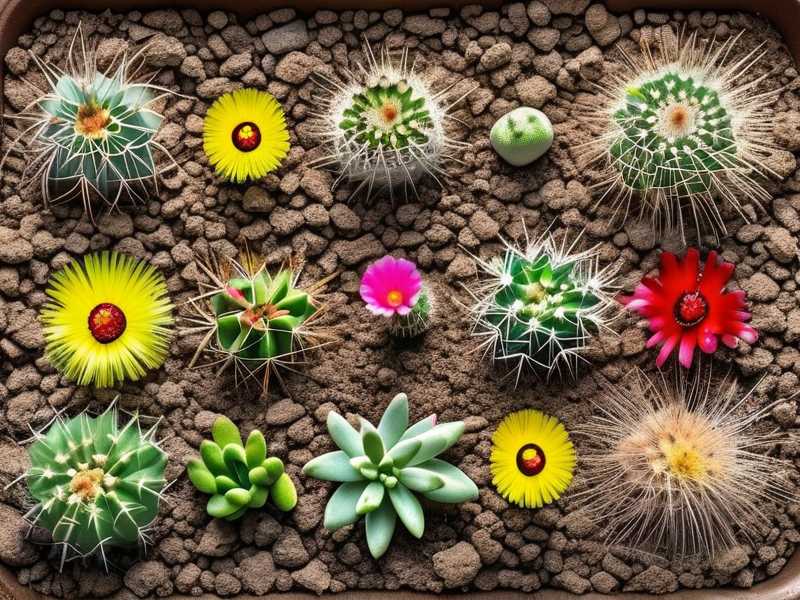
The problem is simple. Gravelly soil doesn't hold moisture. Water runs through it like a sieve. But here's the catch: if you water too often, the little moisture that does stay can rot the roots. You'd think fast-draining soil prevents overwatering issues. Actually, it makes them worse if you're not careful. The soil dries out quickly on top, so you think it's thirsty. But deeper down, the roots might still be wet.
My 2-Week Observation: What Happened When I Got It Right
I decided to run a proper test. I took two identical rock-garden cactus pots. Both had gravelly, poorly fertile soil. One I watered based on my old schedule—every 3 days. The other I watered only when the soil was completely dry. I kept a journal for 14 days.
Week 1 Results:
The pot I watered every 3 days looked fine on day 1. By day 5, the soil surface was dry, but the lower layer felt damp. By day 7, the cactus showed slight yellowing at the base. I panicked. The second pot? I waited until day 8 to water it. The soil was dust-dry 3 inches down. The cactus looked healthy, firm, and green.
Week 2 Results:
The overwatered cactus developed soft spots. I had to repot it immediately. The correctly watered one? It actually grew a tiny new spine. I couldn't believe the difference. That's when I realized: gravelly, poorly fertile soil isn't the enemy. It's the watering frequency that kills.
3 Deadly Mistakes Every Rock-Garden Cactus Newbie Makes
I've been there. I've bought the t-shirt. Actually, I've thrown away the dead cactus. Here are the three mistakes I see over and over again.
Mistake 1: Watering Like a Regular Plant
This is the biggest killer. Seriously. When I first started, I treated my rock-garden cactus like my succulents. I gave it a little water every few days. Everyone does this. It's natural. You see dry soil, you pour water. But cactus in gravelly, poorly fertile soil don't need frequent drinks.
The Royal Horticultural Society (RHS) explicitly states that cactus prefer a "drought period" between waterings. In poor soil, this is even more critical. The RHS explains that overwatering in free-draining mixes can still lead to root rot if the soil stays damp too long.
How I fixed it: I stopped watering on a schedule. Instead, I stuck my finger into the soil, all the way to the second knuckle. If it felt dry, I watered. If it felt even slightly cool or damp, I waited another 2-3 days. This simple change saved my next cactus.
Mistake 2: Putting the Cactus in the Wrong Light
I thought cactus loved direct, scorching sun. That's true for many species. But not when you're growing them in gravelly, poorly fertile soil. Here's why: when the soil is low in nutrients, the plant's roots are more sensitive. Intense sunlight can stress the plant, making it need more water. And if you withhold water, the cactus shrivels.
I once placed my Mammillaria on a south-facing windowsill. The soil dried out within hours. I thought, "Great, no risk of rot." But within a week, the cactus turned reddish-brown. It was sunburned. The combination of poor soil and intense light damaged the outer tissue.
What works: Bright, indirect light for most rock-garden cactus. If you're using a grow light, keep it 6-8 inches away. The American Horticultural Society (AHS) recommends gradually acclimating cactus to direct sun. In gravelly soil, start with morning sun only. That's what I do now. My cactus never look stressed.
Mistake 3: Choosing the Wrong Pot
This one stings. I thought any pot with a drainage hole was fine. I was wrong. Rock-garden cactus in gravelly, poorly fertile soil need specific containers.
I bought a beautiful glazed ceramic pot. No drainage hole. I added a layer of pebbles at the bottom. "That'll work," I told myself. It didn't. Water pooled in the pebbles. The soil stayed moist underneath. My cactus rotted from the bottom up. I didn't notice until it was too late.
The fix: Always use unglazed terracotta pots. They breathe. They wick moisture away from the soil. For cactus in poor soil, this is a game-changer. The AHS advises that porous pots reduce the risk of overwatering by allowing the soil to dry more evenly.
I switched all my cactus to terracotta. Now, I water, and the pot absorbs excess moisture. The soil dries faster. My cactus roots stay happy.
How to Water Rock-Garden Cactus Step by Step
After killing three plants, I finally developed a system. Here's exactly what I do.
Step 1: Check the Soil Like a Pro
I don't guess. I use the finger test. Stick your index finger into the soil, all the way to the second knuckle. If it feels dry, proceed. If it feels damp or cool, wait.
For gravelly, poorly fertile soil, this test is even more important. The soil surface can look dry within hours, but deeper down, moisture lingers. Many people make the mistake of watering based on the top layer.
My trick: I also lift the pot. When the soil is dry, the pot feels light. When it's wet, it's heavier. After a few weeks, you'll know the weight difference by feel.
Step 2: Water Deeply, Not Often
When I do water, I drench the soil thoroughly. I pour water until it runs out the drainage hole. This ensures the roots get hydrated. In gravelly, poorly fertile soil, water flows through quickly. That's fine. The roots absorb what they need.
But here's the key: never water again until the soil is bone dry. For me, that's every 10-14 days in summer, and every 3-4 weeks in winter. The RHS advises reducing watering drastically during the dormant season. In poor soil, I actually stop watering completely for 6-8 weeks in winter.
Step 3: Use the Right Watering Tool
I used to pour water from a big jug. Bad idea. The stream was too strong. It washed away the gravelly surface. Now I use a narrow-spout watering can. It lets me direct water exactly to the soil, not the cactus body.
Wetting the cactus stem can cause rot, especially in poorly fertile soil. The plant is already stressed. Keep water off the body. I learned this after a Gymnocalycium developed brown spots from water droplets.
Step 4: Adjust for Seasons
Summer is active growth time. My cactus in gravelly soil need water every 10-14 days. In winter, dormancy hits. I cut back to once a month, if at all. The AHS recommends letting the soil stay completely dry for extended periods in winter.
I remember one January. I watered my cactus every two weeks. By March, it was mushy. The soil never fully dried because the air was cooler. That mistake cost me a beautiful Astrophytum.
What I Learned from Killing My First Cactus
I'll be honest. My first rock-garden cactus died within three weeks. I bought it from a nursery. It looked perfect. Healthy, plump, green. I repotted it into gravelly, poorly fertile soil. Then I watered it the same day. Big error.
The roots were already stressed from repotting. The extra water caused rot. Within days, the cactus started turning yellow. I thought, "Maybe it needs more sun." I moved it to a brighter spot. That made it worse. The combination of root rot and intense sun finished it off.
What I should have done: Wait at least 5-7 days after repotting before watering. Let the roots heal. In gravelly soil, this delay is critical. The soil has no nutrients to support recovery. The plant needs time.
Now, when I repot, I let the cactus sit in dry soil for a full week. Then I give it a light mist. Another week passes before a full watering. This technique has saved every cactus I've repotted since.
My Personal Watering Schedule for Gravelly, Poorly Fertile Soil
Everyone's environment is different. But here's my schedule, which works for my home.
Spring (March-May): Water every 10 days. I check soil dryness religiously. If it rains outdoors, I might skip a session.
Summer (June-August): Water every 7-10 days. The soil dries faster. But I never water more than once a week.
Autumn (September-November): Gradually reduce. Every 14 days starts to work. By November, I'm down to once a month.
Winter (December-February): Almost no water. I water maybe once in December, then again in February. The cactus looks shriveled sometimes. But that's normal. It plumps up in spring.
If you live in a humid area, stretch these intervals even further. The RHS notes that humidity reduces evaporation. Your gravelly soil will stay damp longer. Adjust accordingly.
Common Questions About Watering Rock-Garden Cactus
Q: Can I use tap water for my cactus in gravelly soil?
I used tap water for two years. It worked okay. But then I noticed white deposits on the soil surface. That was calcium buildup. In poorly fertile soil, these minerals can accumulate and harm the roots. Now I use distilled or rainwater. My cactus look greener. The RHS suggests rainwater as ideal for cactus.
Q: How do I know if I'm underwatering?
Underwatering signs include wrinkling, thinning, and a dull color. The cactus may shrink slightly. I've seen this happen when I stretched watering too long in summer. The fix? Water deeply, but don't overcompensate. The next watering should still be spaced out normally.
Q: Should I fertilize with such poor soil?
Gravelly, poorly fertile soil lacks nutrients. But cactus don't need much. I fertilize once in spring with a diluted cactus fertilizer. The AHS recommends half-strength fertilizer during active growth. Too much fertilizer in poor soil can burn the roots. I learned this when I overfed a Rebutia. It grew weak, thin spines.
Final Thoughts on Rock-Garden Cactus Care
Look, I'm not a botanist. I'm just someone who loves plants and made every mistake possible. If you remember one thing from this article, let it be this: rocky, nutrient-poor soil requires patience. Water less than you think. Check the soil with your finger. Wait for the pot to feel light.
I still check my cactus every week. I run through my mental checklist: Is the soil dry? Is the pot light? Are there any soft spots? This routine has kept my current collection thriving for three years.
The RHS and AHS both emphasize observation over strict schedules. Every home is different. What works for me might need tweaking for you. But if you start with less water, you'll avoid the most common mistakes.
Try it for two weeks. I promise you'll see the difference. Your cactus will look firmer, grow healthier, and you'll stop buying replacement plants. I sure have.





