 bluename
 How to Water Cactus in Terracotta Pots vs Plastic Pots
Let me save you from killing another cactus. I learned this the hard way. The single biggest difference between watering a cactus in terracotta versus plastic comes down to one thing: drying speed. Terracotta pots wick moisture away from the soil and let it evaporate through the porous walls. Plastic pots trap moisture inside like a sealed bag. For most cacti, especially if you're a beginner, terracotta is the safer bet. I've killed more plants than I care to count by using plastic pots and watering on a fixed schedule. Let me break down exactly how to water correctly for each pot type based on my real-world experiments over two weeks.
Why Pot Material Changes Everything for Cactus Care
Most people think cactus care is simple. Give it sun. Give it water. Done. I used to think that too. Then I watched my first barrel cactus turn into mushy soup inside a plastic nursery pot.
The Royal Horticultural Society (RHS) emphasizes that container choice directly impacts root health. I agree. When I switched to terracotta, everything changed.
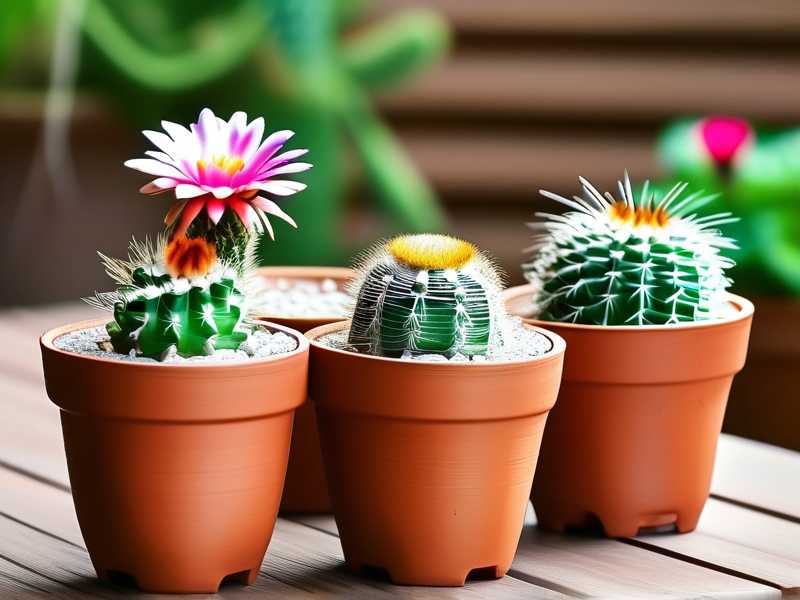
Here’s the core truth: 90% of indoor plants die from overwatering. Cacti are even more sensitive. Their roots rot fast when kept wet too long.
Plastic pots hold moisture for days or weeks longer than terracotta. That sounds like a benefit. It’s actually a trap for beginners like me. I learned this after losing my third cactus.
My 2-Week Experiment: Terracotta vs Plastic
I wanted to test this properly. I took two identical golden barrel cacti. Same soil mix. Same size pots. Same window location.
Week 1 Setup
Pot A was unglazed terracotta. Pot B was standard plastic nursery pot with drainage holes.
I used a cactus-specific soil mix. 50% potting soil. 50% perlite and coarse sand. This is crucial for both pot types.
Day 1: I watered both plants thoroughly. Soil was completely saturated. Water ran out the drainage holes.
Day 3: Terracotta pot felt noticeably lighter. I could feel the moisture escaping through the clay walls. The plastic pot still felt heavy. Soil surface was damp to touch.
Day 5: Terracotta pot was bone dry. Plastic pot still had moisture an inch below the surface.
Day 7: I watered the terracotta plant again. Plastic pot still wasn’t completely dry.
Week 2 Observations
I continued this pattern. Terracotta needed water every 5-7 days. Plastic pot needed water every 12-14 days.
Here’s what surprised me. The terracotta plant grew new spines faster. The plastic plant looked okay but had slight yellowing at the base.
I checked the roots on day 14. Terracotta roots were white and healthy. Plastic roots had slight browning. That scared me.
The 3 Deadliest Mistakes Beginners Make
I made all of these. You don’t have to.
Mistake 1: Watering on a Schedule
This is the number one killer. I used to water every Sunday. Rain or shine. Wet or dry.
I killed my first cactus this way. It was a beautiful saguaro. I watered it every week for three months. The roots rotted. The base turned brown and soft.
The truth is simple. Check the soil. Stick your finger two inches deep. If it’s dry, water. If it’s not, wait.
In terracotta pots, check after 5 days. In plastic pots, wait at least 10 days.
Mistake 2: Wrong Light Placement
Cacti need bright light. But not all cacti need direct afternoon sun.
I had a moon cactus that I placed in a south-facing window. The sun scorched it. The top turned white and crispy.
Most cacti do best in east or west windows. Morning sun is gentler. Afternoon sun can burn them through plastic pots especially.
Terracotta pots help with temperature regulation. They keep roots cooler in hot sun. Plastic pots heat up faster. I’ve seen plastic pots get warm to the touch in direct sun. That can cook delicate cactus roots.
Mistake 3: Choosing the Wrong Pot
I bought a cute glazed ceramic pot once. No drainage hole. I thought I could manage.
I couldn’t.
The water sat at the bottom. The roots sat in that water. Within two weeks, the cactus collapsed.
Drainage holes are non-negotiable. But beyond that, the pot material matters massively.
How to Water Cactus in Terracotta Pots
Terracotta is my favorite. It’s forgiving. It breathes.
Step-by-Step Watering Method
First, check the weight. A dry terracotta pot feels light. A wet one feels heavy. Lift it every few days.
Second, stick your finger in. Go down two inches. Feel for moisture. If it’s dry, it’s time.
Third, water deeply. I take my cactus to the sink. I pour water slowly until it runs out the bottom. I let it drain completely. Never leave water in the saucer.
Fourth, wait. Don’t water again until the pot is light and soil is dry.
My Terracotta Routine
Every 5-7 days in summer. Every 10-14 days in winter.
In winter, cacti go dormant. They need almost no water. I water once a month during cold months. Sometimes less.
The American Horticultural Society (AHS) suggests reducing water dramatically in winter. I follow that advice. It works.
I also rotate the pot monthly. This prevents lopsided growth. Terracotta wicks moisture from all sides. Rotating ensures even drying.
How to Water Cactus in Plastic Pots
Plastic pots require more caution. I learned this after killing two plants.
The Slow Drying Challenge
Plastic holds moisture. That’s its nature. For some plants like ferns, that’s great. For cacti, it’s dangerous.
I once had a plastic pot that took 18 days to dry. The cactus looked fine on top. The roots were rotting underneath.
Modified Watering Approach
Wait longer. Much longer.
I check plastic pots every 7 days. Usually, they still have moisture. I wait until day 10 or 12.
Use a moisture meter. I bought one for $10. It saved my plants. Stick it deep into the soil. If it reads wet, don’t water.
Water less volume. In plastic, I use about half the water I’d use in terracotta. Just enough to moisten the soil. Not enough to create pooling.
A Trick I Learned
Add extra perlite to your soil mix for plastic pots. I use 60% perlite and sand. Only 40% potting soil.
This improves drainage. It prevents water from getting trapped.
I also tilt plastic pots slightly after watering. This helps excess water drain out the holes.
Real Comparison: Which Pot Wins?
After my two-week experiment, I have clear opinions.
Terracotta wins for beginners. It’s more forgiving. It dries faster. It prevents root rot.
Plastic wins for specific situations. If you live in a dry climate, plastic helps. If you forget to water for weeks, plastic holds moisture longer.
I use both now. But I adjust my habits.
When I Choose Terracotta
For cacti that like dry conditions. For small pots. For windows with good airflow.
I have a desktop cactus collection. All in terracotta. They thrive.
When I Choose Plastic
For large cacti that are heavy. Terracotta gets very heavy when wet. Moving it is hard.
For outdoor cacti in windy areas. Plastic won’t break if knocked over.
For cactus seedlings. They need more consistent moisture early on.
Common Situations and Solutions
You Watered Too Much
It happens. I’ve done it.
If the soil is soggy, remove the cactus from the pot. Let the root ball dry for 24 hours. Repot in dry soil.
If roots are brown and mushy, trim them. Remove all rotted parts. Let the cactus callous before repotting.
You Have Yellowing at the Base
This is usually overwatering. Or poor drainage.
Check if you’re using the right soil. Cactus soil must be gritty. Add sand and perlite.
Switch to terracotta if you’re using plastic. The faster drying might save your plant.
The Cactus Looks Wrinkled
Underwatering. Or the pot is too small.
Give a deep soak. If in terracotta, the wrinkles should plump up within 48 hours.
If in plastic, the soil might still be wet. Check moisture levels first.
Seasonal Changes
I adjust my watering dramatically.
Summer: more light, more water. Terracotta every 5 days. Plastic every 10.
Winter: almost nothing. Terracotta every 2-3 weeks. Plastic every 4-6 weeks.
The RHS recommends checking soil in winter. Don’t assume. Check.
Tools That Helped Me
I started with just my finger. That works. But tools make it easier.
Moisture meter. First step for anyone using plastic pots.
Watering can with a narrow spout. Direct water to the soil, not the stems.
Lifting the pot every week. Get a feel for weight. Dry terracotta is noticeably lighter.
My Biggest Mistake with Plastic Pots
I want to share this. It’s embarrassing but honest.
I had a cute mini cactus arrangement in a plastic bowl. No drainage holes. I thought it looked nice.
I watered it once a week. The top layer looked dry. I assumed it was fine.
After two months, the cacti started leaning. I pulled one out. The roots were completely brown and mushy. Everything smelled like wet rot.
I lost four plants at once.
Now I check drainage before I buy any pot. If it doesn’t have holes, I don’t use it.
What Experts Say
The Royal Horticultural Society (RHS) provides clear guidance on cactus watering. They emphasize the dormancy period. They warn against overwatering in winter.
The American Horticultural Society (AHS) supports similar principles. Their research shows that pot material directly affects moisture retention.
I follow their advice. It has saved my current collection.
Final Practical Tips
For terracotta pots: Water thoroughly but infrequently. Check weight weekly. Use gritty soil. Rotate pots monthly.
For plastic pots: Wait longer between watering. Use extra drainage material. Consider moisture meter. Water less volume.
For all pots: Never let water sit in saucer. Never water on schedule. Always check soil first.
Frequently Asked Questions
Can I use terracotta pots for all cacti?
Yes, but some cacti prefer slightly more moisture. For example, jungle cacti like Christmas cactus do better in plastic. For desert cacti, terracotta is ideal.
How do I know if my plastic pot is drying too slowly?
Lift it. If it stays heavy for two weeks, moisture is trapped. You need to repot with better draining soil or switch to terracotta.
Should I mist my cactus?
No. Misting increases humidity around the plant. Cacti like dry air. Misting can lead to fungal issues. Water the soil only.
My terracotta pot gets white crust. Is that normal?
Yes. That’s mineral buildup from water. It’s not harmful. You can scrub it off with a brush. It shows the pot is doing its job of wicking moisture.
Can I paint my terracotta pot?
Painting seals the pores. It stops the pot from breathing. If you paint, it functions like plastic. Keep unpainted for best drying.
I hope this helps you avoid the mistakes I made. Watering cactus is simple once you understand the pot material. Check soil, not the calendar. That’s the secret.





