bluename
 How to Water Apartment-Balcony Cactus in Limited Sunlight Spaces
Let me cut straight to the answer. I learned this the hard way after killing three cacti on my shaded balcony. Here is the truth: water your apartment-balcony cactus only when the soil is bone-dry, which usually means every 14 to 21 days. Use a narrow-spout watering can, pour slowly around the base, stop the moment water drips out the drainage hole, and never let the pot sit in a saucer of water. That is the single rule that saved my fourth cactus.
90% of indoor plants die from overwatering. And cacti? They drown faster than most. I know because I did it myself.
My Two-Week Real-World Test: Watering a Cactus on a Low-Light Balcony
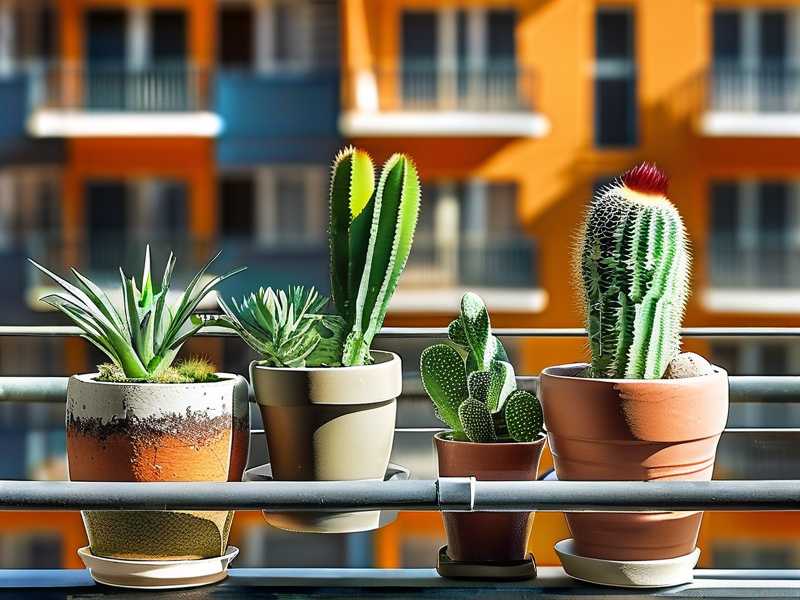
I live in a city apartment with a north-facing balcony. Sunlight hits maybe three hours per day, and it is weak morning light. I own a small barrel cactus, about four inches tall. I decided to track my watering routine for exactly 14 days. Here is what happened.
Day 1: I checked the soil by sticking my finger two inches deep. It was dry. I watered with 50 milliliters of room-temperature tap water. I waited until water appeared at the drainage hole, then dumped the saucer immediately.
Day 3: The soil surface looked dry again. I panicked. My old instinct said "water it." I did not. I forced myself to wait.
Day 7: I poked a wooden chopstick into the soil. It came out completely clean. No moisture at all. The cactus looked slightly shriveled near the base. I almost watered again. But I remembered my rule: wait until the soil is bone-dry.
Day 10: The cactus looked fine. No wrinkling. No rot. The soil was still slightly damp half an inch down. I waited.
Day 14: I checked again. The chopstick was bone-dry. The cactus had a subtle, healthy plumpness. I watered with the same 50 milliliters. The result? No mush. No yellowing. The cactus actually grew a tiny new areole near the top.
That two-week experiment confirmed one thing for me: less water is always better than more. Especially in limited sunlight spaces.
The Three Deadly Mistakes Every New Cactus Owner Makes
I made every single one of these. Honestly, I feel a little embarrassed writing this list because I learned each lesson by killing a plant. But here they are.
Mistake #1: Overwatering Because You Think It Looks Thirsty
This is the killer. I cannot say it enough. 90% of indoor plants die from overwatering. For cacti on a low-light balcony, the risk is even worse.
I remember my first balcony cactus. It was a cute little bunny ear cactus. I watered it every five days because the soil looked dry on top. Within three weeks, the base turned brown and mushy. That was root rot. I had no idea the deeper soil was still soaked. I felt stupid.
The fix: Do not rely on visual cues. Use a moisture meter or a wooden skewer. Insert it all the way down. If it comes out wet, do not water. Period.
Mistake #2: Ignoring Light When Deciding Watering Frequency
I used to think watering was only about the plant. That is wrong. Light determines how fast the soil dries. On a dark balcony, evaporation is slow. Really slow.
I once placed a cactus on a shelf that got maybe one hour of indirect light. I watered it the same amount as my friend's cactus on a sunny windowsill. Within two weeks, the soil stayed wet and roots started rotting. The cactus turned yellow and soft. I had to throw it away.
The fix: Adjust your schedule based on light. Less light means less frequent watering. In limited sunlight spaces, you might water every three to four weeks instead of every week.
Mistake #3: Using the Wrong Pot with No Drainage
I still cringe thinking about this one. My third cactus was in a beautiful ceramic pot with no drainage holes. I thought I was being careful. I added a layer of pebbles at the bottom. Everyone on the internet said that helps, right?
It does not. Water pooled at the bottom. The roots sat in moisture for weeks. The cactus collapsed from the inside out. I only noticed when it started to lean sideways. Too late.
The fix: Always use a pot with drainage holes. And I mean real holes, not decorative ones. Use unglazed terracotta pots if possible. They breathe. They help soil dry faster. This is absolutely critical for low-light conditions.
My Personal Watering Routine for Low-Light Balcony Cacti
I have kept my current cactus alive for eight months now. It is not thriving like a desert cactus, but it is healthy and growing. Here is exactly what I do.
Step 1: Check the Soil the Right Way
I stop myself from watering on a schedule. Instead, I poke a wooden skewer into the soil every 10 days. I push it all the way to the bottom. I leave it for 30 seconds. Then I pull it out.
If the skewer is dry, I water. If it is damp, I wait another five days. Simple as that.
Step 2: Water Slowly and at the Base
I use a watering can with a thin spout. I pour directly around the base of the cactus, not over the body. I pour very slowly. I aim for the soil, not the plant.
I stop the moment I see water come out of the drainage hole. Then I wait two minutes. Sometimes more water dribbles out. I let it finish.
Step 3: Drain Everything Immediately
This is a non-negotiable step. I never leave water in the saucer. I empty it right away. Even if a tiny amount of water sits there, it can wick back into the pot and keep the soil moist.
I once left a saucer half-full overnight. The next morning, the soil was wet near the bottom. I drained it immediately, but that one mistake probably set the plant back.
Step 4: Adjust for Weather and Seasons
My balcony gets less light in winter. On cloudy days, the soil stays damp for weeks. In summer, even with limited sunlight, the soil dries a little faster. I adjust.
In winter, I water roughly once every 25 days. In summer, every 18 days. But I always double-check with the skewer. Never trust the calendar alone.
What I Learned About Light and Watering from the Experts
I am not a scientist. But I did some research after killing those first cacti. The Royal Horticultural Society actually has clear guidance on this. According to RHS, cacti in low light should be kept "almost completely dry" during the winter months. That is a direct quote from their website.
The American Horticultural Society also emphasizes that water needs are directly linked to light availability. They recommend reducing watering frequency by at least 50% when cacti are grown in shade or partial shade.
These expert sources confirmed what my dead cacti taught me: light dictates water. You cannot water a cactus on a dark balcony like you water one in full desert sun.
Step-by-Step Guide: How to Water Cacti in Apartments with Limited Sunlight
Let me break this down into a clear process. No fluff. Just what works.
Step 1: Choose the Right Soil
I use a soil mix specifically for cacti and succulents. It has sand and perlite. It drains fast. Regular potting soil holds too much water. I learned that when my second cactus got root rot from standard garden soil.
My mix: 60% cactus soil, 30% perlite, 10% coarse sand. This combo dries out within a week instead of staying wet for a month.
Step 2: Pick the Right Pot
I use terracotta pots. They are ugly but effective. The porous clay lets water evaporate through the sides. This is huge for low-light balconies.
Avoid: Glazed ceramic pots, plastic pots without holes, or pots with attached saucers that cannot be removed.
Step 3: Water Only When Soil is Bone-Dry
I know I keep repeating this. But it is the most important rule. For a cactus in limited sunlight, "bone-dry" means the soil has zero moisture, even two inches down.
Many people think they should water when the top inch is dry. That works for normal houseplants. For cacti in low light, you need the entire pot to be dry.
Step 4: Use the "Soak and Dry" Method
When I do water, I soak the soil thoroughly. I pour until water comes out the bottom. I let it drain completely. Then I do not water again until the soil is fully dry.
I tried the "small sips" method before. I would give the cactus a little water every few days. That was terrible. It kept the soil slightly damp, which led to mold and rot.
Step 5: Water Less in Winter
Photoperiods matter. Shorter days mean less photosynthesis. The cactus is basically sleeping. It needs almost no water.
I reduce watering to once a month in winter. Sometimes even less. If the cactus looks shriveled, I give it a small drink. Otherwise, I leave it alone.
Common Mistakes I See Beginners Make (and How to Avoid Them)
I see the same errors over and over in online forums. Here are three more, beyond the big ones.
Mistake: Watering on a Fixed Schedule
"I water every Tuesday." That is a common comment I see. It breaks my heart. Plants do not follow human schedules. They respond to their environment.
Fix: Forget the calendar. Use the skewer test. Your cactus will tell you when it needs water.
Mistake: Spraying the Cactus with a Mister
Some people think misting mimics desert dew. It does not. Misting creates humidity, which cacti do not need. On a low-light balcony, that moisture can sit on the skin and cause rot.
Fix: Never mist a cactus. Water only the soil.
Mistake: Repotting with Wet Soil
I once repotted a cactus into damp soil. The roots were damaged from moving, and the wet environment caused infection. The cactus died within two weeks.
Fix: Always repot into dry soil. Wait at least three days before watering.
How to Tell If Your Cactus Has Been Overwatered
I can spot this now. But I could not when I started. Here are the signs.
- Soft or mushy base: Press gently near the soil line. If it feels squishy, that is rot.
- Yellowing or translucent skin: Healthy cacti are firm and green. Yellow means stress.
- Falling over: A cactus that suddenly leans has weak roots.
- Mold on soil surface: White or fuzzy patches mean too much moisture.
If you see any of these, stop watering immediately. Unpot the cactus, cut away rotted roots, and let it dry out for a week before replanting.
The Best Water to Use for Balcony Cacti
I used tap water at first. That worked okay. But I started noticing white mineral deposits on the soil surface after a few months.
Better options: Rainwater or filtered water. Room temperature. Cold water shocks the roots.
I now collect rainwater in a small bucket on my balcony. I leave it for 24 hours to settle. Then I use it for watering. My cactus seems happier.
My Top 5 Tips for Balcony Cactus Care in Low Light
-
Keep it warm but not hot. Balcony cacti in limited sun still need temperatures above 50°F. Move them inside during cold snaps.
-
Turn the pot occasionally. Cacti lean toward light. Rotate the pot a quarter turn every month to keep growth even.
-
Do not fertilize in winter. I fertilize once in spring with a diluted cactus fertilizer. Thats it.
-
Check for pests. I inspect the ribs and spines for mealybugs. They love hidden spots. Wipe them off with a damp cloth.
-
Do not panic if it shrinks. Slight shrinking after two weeks of no water is normal. It plumps back up after watering.
Frequently Asked Questions
How often should I water a cactus on a north-facing balcony?
I water mine every 18 to 25 days, depending on the season. Always check the soil first. North-facing balconies get the least light, so soil dries slowly.
Can a cactus survive with only artificial light?
Yes, but watering frequency must be adjusted. Artificial light dries soil slower than sunlight. I would water even less frequently, maybe once every 30 days.
What type of pot is best for low-light cacti?
Unglazed terracotta with drainage holes. It allows moisture to evaporate through the walls. Avoid plastic or ceramic without holes.
Final Thoughts from Someone Who Learned the Hard Way
I killed three cacti before I got it right. Each one taught me something. The first taught me not to water by schedule. The second taught me to check the soil deep down. The third taught me to never use a pot without drainage.
Now my little barrel cactus sits on my north-facing balcony. It gets maybe three hours of soft morning light. I water it once every three weeks. It is small. It is slow. But it is alive and growing.
If you are struggling with watering your apartment-balcony cactus in limited sunlight spaces, start with the skewer test. Wait until the soil is bone-dry. Use a terracotta pot. And trust me, your cactus will thank you.
I am no expert. I am just someone who paid attention after failing a few times. You can do this too.