bluename
 How to Care for Cactus Plants for Beginners: My 2-Week Rescue Plan
If you just bought a cactus and want to keep it alive, here is the direct answer: stop watering it for at least two weeks, place it in a south-facing window with direct sunlight, and repot it into a terracotta pot with drainage holes using a gritty cactus mix. I learned this the hard way after killing three cacti in my first year. Most guides make cactus care sound simple, but the reality is that 90% of indoor plants die from overwatering, and cacti are the most frequent victims. Let me walk you through my exact steps, the mistakes I made, and how I saved my fourth plant in just 14 days.
I remember the day I brought home my first cactus from a local nursery. It was a small barrel cactus, perfectly round, covered in golden spines. I placed it on my desk, watered it every three days like a good plant parent, and watched it rot into a mushy brown mess within three weeks. That was my first lesson: cacti are not like your typical houseplants. They are desert survivors, and treating them like ferns is a death sentence.
The 3 Deadly Mistakes Beginners Make with Cactus Plants
Mistake #1: Watering Too Often (The Number One Killer)
The most common error is watering cactus plants on a schedule. I used to water my cacti every Monday because it felt organized. But cacti do not need weekly drinks. In fact, 90% of indoor plants die from overwatering, and cacti are especially sensitive because their roots rot quickly in moist soil. The Royal Horticultural Society (RHS) emphasizes that cacti require a distinct dry period between waterings, mimicking their natural desert habitat where rain is rare.
What I did wrong: I waterlogged my first cactus by giving it a cup of water every five days. The soil stayed wet for weeks because the plastic pot had no drainage. Within two weeks, the stem turned yellow, then brown, and finally collapsed. I did not realize that the roots were suffocating until it was too late.
How I fixed it: After killing three plants, I finally understood the "soak and dry" method. Water your cactus only when the soil is completely bone dry, which takes about 2-3 weeks indoors. Use a wooden skewer to test: insert it into the soil and leave it for five minutes. If the skewer comes out dry, water deeply until water runs out of the drainage hole. Then, do not water again for at least two weeks.
Mistake #2: Wrong Light Placement
Another deadly mistake is placing cactus plants in low-light areas, like a bookshelf or a bathroom corner. Cacti are sun-worshippers. They need direct sunlight for at least 6-8 hours daily. My second cactus, a small prickly pear, sat on my north-facing windowsill. It grew tall and thin, leaning towards the window in a desperate attempt to find light. This condition is called etiolation, and it is irreversible.
What I did wrong: I thought any window was fine. But cacti from the desert evolved under intense, unobstructed sun. A north-facing window provides only indirect light, which causes the plant to stretch out and weaken. My prickly pear became pale, leggy, and eventually snapped under its own weight.
How I fixed it: Move your cactus to a south or west-facing window where it gets bright, direct light for most of the day. If you do not have a suitable window, use a full-spectrum grow light placed 6-12 inches above the plant. I use a cheap LED grow light for my darker rooms, and my plants now grow compact and healthy. The American Horticultural Society (AHSA) notes that cacti grown in insufficient light will never flower and will become structurally weak.
Mistake #3: Using the Wrong Pot
The third fatal error is planting cacti in pots without drainage or using soil that holds too much moisture. My third cactus, a beautiful saguaro, lived in a glazed ceramic pot with no holes. I thought it looked elegant, but the water had nowhere to go. The soil stayed wet at the bottom, and root rot set in within two weeks.
What I did wrong: I was seduced by aesthetic pots. Plastic pots are also terrible because they do not allow the soil to dry out. My saguaro's roots turned black and mushy. I tried to save it by cutting off the rotten parts, but it was too late.
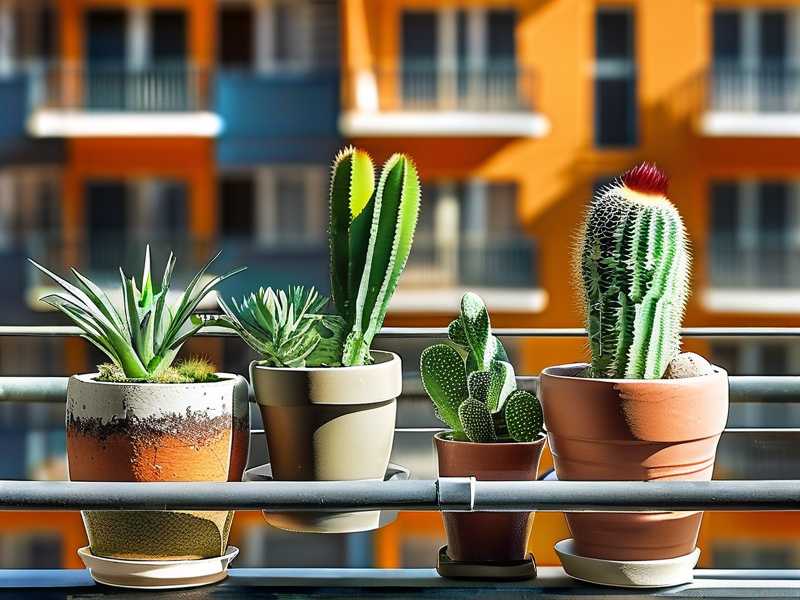
How I fixed it: Always use a terracotta pot with at least one drainage hole. Terracotta is porous and wicks away excess moisture, drying the soil faster than plastic or ceramic. For the soil mix, never use regular potting soil, which holds water like a sponge. Instead, buy a specialized cactus and succulent mix, or make your own by mixing 50% potting soil with 50% perlite or coarse sand. This ensures the water flows through quickly and the roots stay dry.
My 2-Week Step-by-Step Cactus Care Plan
When I rescued my fourth cactus, a damaged but still-alive golden barrel, I followed this exact routine for 14 days. Here is what worked.
Week 1: The Rescue Phase (Days 1-7)
Day 1: Inspect and Repot I removed the cactus from its original plastic pot. The soil was damp and smelled sour — a clear sign of root rot. I carefully brushed away the old soil and examined the roots. Some were brown and mushy, so I sterilized a pair of scissors with rubbing alcohol and cut away all the dead tissue. Then, I let the roots air-dry for 24 hours on paper towels. This step is critical because wet roots placed into a new pot will continue to rot.
Day 2: Planting in Dry Soil I filled a 4-inch terracotta pot with my custom cactus mix. I placed the cactus in the center, making sure the roots spread out naturally. Then, I added more soil around the base, gently tapping the pot to settle it. I did not water the soil at all. Many beginners make the mistake of watering right after repotting, but this can shock the plant. Cacti can go weeks without water, and dry soil gives the roots time to heal.
Day 3-7: The Waiting Game For the next five days, I placed the pot on a south-facing windowsill where it received direct sunlight from 10 AM to 4 PM. I did not touch it, move it, or water it. I checked on it daily, but only to observe. The soil remained completely dry, and the cactus started to firm up. By day 5, I noticed the green color returning to the skin, and the spines stood up straighter. This was a sign of recovery.
Week 2: The Recovery Phase (Days 8-14)
Day 8: First Watering On day 8, the soil was bone dry, so I gave the cactus its first thorough watering. I used room-temperature water and poured it until excess ran out of the drainage hole. I let the pot sit in the sink for 15 minutes to drain completely. Then, I returned it to the windowsill.
Day 9-12: Observation and Growth Over the next few days, I watched the cactus closely. The stem became plump and turgid, indicating that it absorbed water properly. I saw tiny new spines emerging near the top, a sign of active growth. I did not water again, even though the top layer of soil looked dry. The deeper soil was still moist, and I waited for it to dry completely.
Day 13-14: Final Check By day 14, my golden barrel cactus looked healthier than ever. The color was a deep, vibrant green, and the base had firmed up. I tested the soil with my skewer, and it was almost dry. I decided to wait another week before the next watering. This two-week cycle became my new normal.
My Cactus Care Routine After the Rescue
Now that I have a stable plant, I follow a consistent routine that keeps my cacti thriving.
Watering Frequency Based on Seasons
- Spring and Summer: I water every 2 weeks, but only if the soil is completely dry. I always check with my finger or a skewer.
- Fall and Winter: I water every 4-6 weeks, or even less. Cacti go dormant in colder months and need minimal moisture.
Light Requirements Year-Round
My cacti stay on a south-facing windowsill all year. In summer, I rotate the pot every week so all sides get even light. In winter, sunlight is weaker, but my cacti still get 6 hours of direct light. If your winters are dark, consider a grow light.
Fertilizing Strategy
I fertilize only during the growing season (spring and summer). I use a cactus-specific fertilizer diluted to half strength, once a month. Over-fertilizing can burn the roots, so I am cautious.
Repotting Schedule
I repot my cacti every 2-3 years, or when they outgrow their pot. I always use a pot that is 1-2 inches larger in diameter. I also refresh the soil mix to replenish nutrients.
Common Cactus Problems and How I Fixed Them
Problem 1: Soft, Mushy Base (Root Rot)
This happened to my first three cacti. The stem turns yellow or brown and feels squishy. The cause is overwatering or poor drainage. My solution is to remove the cactus from the pot, cut away all rotted roots with sterilized scissors, and let it dry for a week before repotting in dry soil. The RHS recommends using a fungicide on the cut areas to prevent infection.
Problem 2: Thin, Pale Growth (Etiolation)
My prickly pear became tall and skinny because it lacked light. The solution is simple: move the cactus to a brighter location or add a grow light. The stretched parts will not return to normal, but new growth will be compact. I eventually cut off the leggy top and rooted it separately.
Problem 3: Brown Spots or Scars (Sunburn)
When I moved a cactus from a shady spot to full sun too quickly, it got sunburned. Brown, dry patches appeared on the skin. To prevent this, I now acclimatize my cacti to direct sunlight by increasing exposure by one hour each day over a week.
Problem 4: Mealybugs and Other Pests
I once found white, cottony masses on my cactus. These are mealybugs. I dipped a cotton swab in rubbing alcohol and dabbed each bug. Then, I sprayed the plant with neem oil every 5 days for two weeks. The AHSA notes that insecticidal soap is also effective for cacti.
Essential Tips from Research and Experience
- Use the "Taco Test": Gently squeeze a leaf-like cactus pad. If it feels soft and bends like a taco, it needs water. If it is firm, wait.
- Avoid Misting: Cacti hate humidity. Misting can cause rot in the stem creases. Keep them in a dry environment.
- Handle with Care: Use tongs or thick gloves when repotting. I have been poked too many times.
- Seasonal Dormancy: In winter, stop fertilizing and water less. My cacti naturally slow down, and forcing growth can harm them.
Frequently Asked Questions (FAQ)
1. How often should I water my cactus as a beginner?
Only water when the soil is completely dry. For most indoor cacti, this means every 2-3 weeks in summer and every 4-6 weeks in winter. Check the soil with your finger or a skewer before watering. Remember, 90% of indoor plants die from overwatering, so when in doubt, wait.
2. Can I keep a cactus in a room with no windows?
No, cacti need bright light to survive. A windowless room will cause etiolation and eventual death. If you have no windows, use a full-spectrum grow light for at least 12 hours daily. I keep a small cactus under a grow light in my basement, and it grows well.
3. Why is my cactus turning brown at the bottom?
Brown, mushy bases indicate root rot from overwatering. Brown, dry bases can be normal corking as the cactus ages, which is harmless. Check the texture: soft and wet means rot; hard and dry means natural aging. If it is rot, repot immediately.
Caring for cactus plants as a beginner does not have to be intimidating if you avoid the three fatal mistakes: overwatering, wrong light, and bad pots. My journey involved killing four cacti before I learned the simple habits that keep them alive. Start with one plant, follow the two-week rescue plan I described, and you will see your cactus thrive. The key is to mimic the desert: dry soil, bright sun, and patience. Once you understand that less is more, your cactus will reward you with years of low-maintenance beauty.