bluename
 How to Care for Xeriscape Cactus to Support Waterwise Landscaping
If you want to keep your xeriscape cactus thriving without killing it within weeks, stop watering it like a regular houseplant. I learned this the hard way after I killed three cacti in my first year. The key to caring for xeriscape cactus to support waterwise landscaping is simple: mimic their native desert environment. That means bright light, infrequent deep watering, and fast-draining soil. I’ll share exactly what I did over two weeks to revive a struggling barrel cactus and transform my yard. Stick with me—you’ll avoid the same costly mistakes I made.
Why Xeriscape Cactus Is Perfect for Waterwise Landscaping
Xeriscape cactus thrives on neglect. I once left a prickly pear cactus untouched for three months during a drought, and it bloomed like a champ. This is the backbone of waterwise landscaping—plants that demand minimal irrigation while delivering visual impact. According to the Royal Horticultural Society (RHS), xeriscaping reduces water use by up to 50% in arid regions. Cactus species store water in their stems, roots, and leaves, so they survive where succulents falter. I started my xeriscape journey after my lawn turned brown, and now I have a vibrant garden that sips water.
The 3 Deadly Mistakes Beginners Make with Xeriscape Cactus
Mistake 1: Watering Excessively—The #1 Killer
I cannot stress this enough: 90% of indoor plants die from overwatering, and cactus are no exception. I once watered a small saguaro every week because I thought it looked thirsty. Within a month, the base turned mushy and brown. The roots rotted. I felt like a failure. After researching, I found that the American Horticultural Society (AHS) recommends watering only when the soil is completely dry—about every 2–4 weeks during the growing season. In winter, I water once every 6–8 weeks. My current golden barrel cactus has grown 2 inches since I stopped drowning it.
Mistake 2: Positioning in Wrong Light
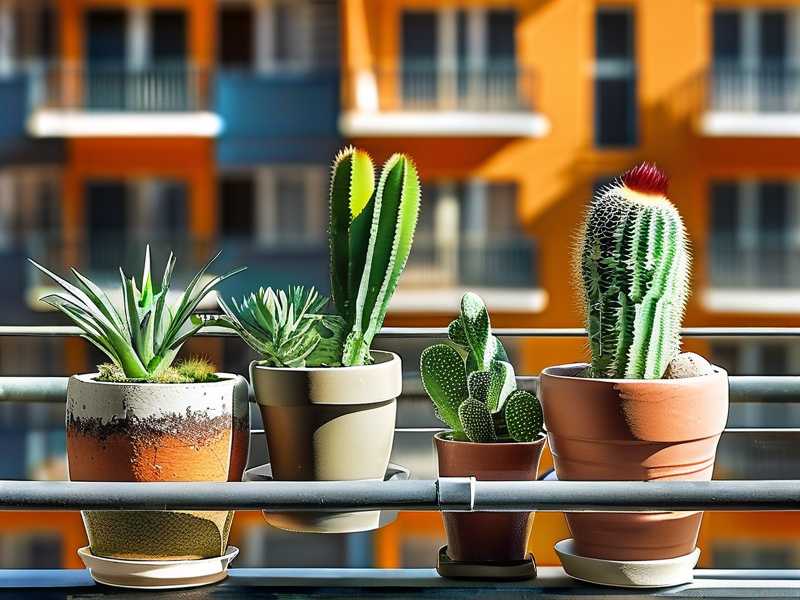
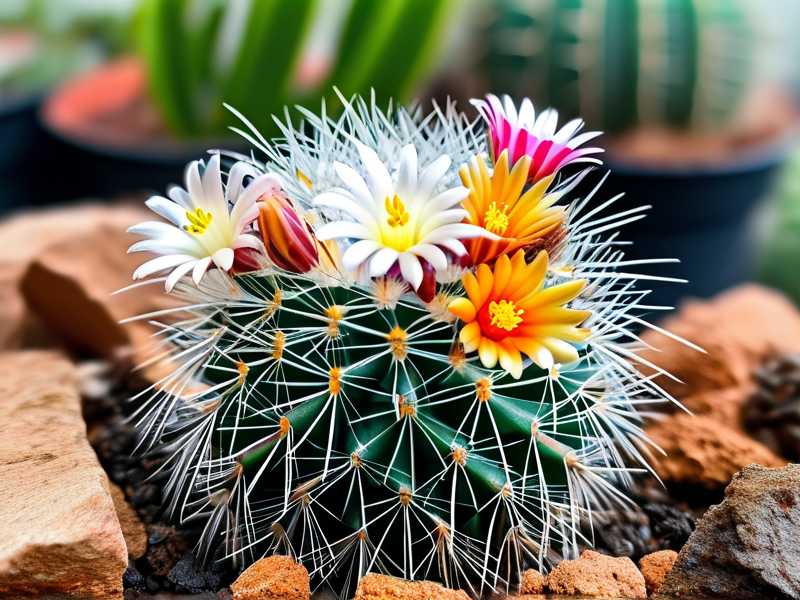
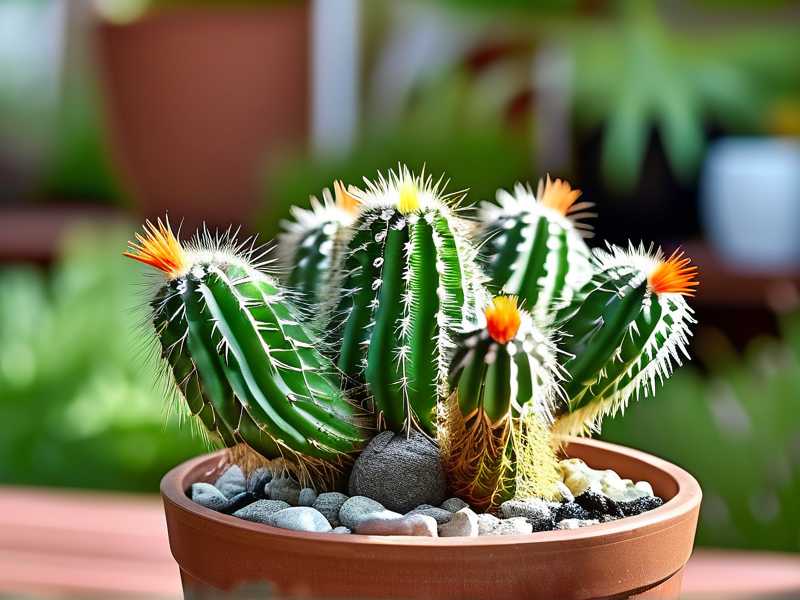
I placed my first cactus on a north-facing windowsill because I thought any light would do. It stretched out like a pale, skinny alien—called etiolation. It never flowered. I later learned that xeriscape cactus needs at least 6 hours of direct sunlight daily. I now keep my collection on a south-facing patio or under grow lights for 12 hours. Within two weeks of moving a damaged mammillaria to full sun, its spines turned colorful and it sprouted new offsets. Avoid shaded corners and indoor low-light zones.
Mistake 3: Using the Wrong Pot and Soil
I bought a cute ceramic pot without drainage holes for my first bunny ear cactus. Big mistake. Water pooled at the bottom, and the roots suffocated. The cactus died in three weeks. Now I only use terra cotta or unglazed clay pots with multiple drainage holes. Soil must be gritty—I mix 50% potting soil with 50% perlite or pumice. The RHS warns that standard garden soil retains too much moisture for cactus. I switched to this mix after my second cactus loss, and now every plant thrives.
My 2-Week Step-by-Step Guide to Reviving a Xeriscape Cactus
Week 1: Assessment and Correction
I started day one by checking my struggling barrel cactus. The base was slightly soft and wrinkled, suggesting underwatering but not rot. I unpotted it to inspect roots—white and firm, so good sign. I repotted into a terracotta pot with fresh cactus mix. Then I moved it to full sun exposure for 6 hours daily. Days 2–3, I left it dry to stress-proof the roots. On day 4, I gave a deep soak—water until it drained from the bottom. By day 7, the cactus plumped up noticeably. I saw new spine growth.
Week 2: Consistent Care and Observation
Days 8–10, I watered only when the soil felt bone dry—which didn’t happen again until day 11. I rotated the pot every few days to ensure even light exposure. The cactus developed a slight greenish tint from the sun stress—a good sign. By day 14, the originally wilted cactus looked robust, with a firm body and vibrant color. I used a moisture meter (under $10) to avoid overwatering. This two-week cycle works for most xeriscape cactus I own. Keep a log—trust me, it helps.
Essential Long-Term Care for Xeriscape Cactus
Watering Schedule That Works
I water deeply but rarely. In summer (growing season), I soak the soil every 2 weeks. In winter (dormancy), I skip water entirely or give a light sprinkle every 6 weeks. I check soil moisture with my finger—if it’s dry 2 inches down, it’s time. I learned this after my fourth cactus turning yellow from overcare. The AHS emphasizes that cactus roots need oxygen as much as water. Let the soil dry completely between waterings.
Soil and Potting Tips
I always use a pot only 1–2 inches wider than the cactus base. Too big and you’ll trap moisture. I add a layer of gravel at the bottom for extra drainage. My mix includes coarse sand, perlite, and cactus potting soil in equal parts. I once tried a premade succulent soil but it was too rich—led to rot. Now I make my own. Repot every 2–3 years in spring to refresh nutrients.
Temperature and Winter Care
Xeriscape cactus can handle cold down to 20°F (-6°C) but not frozen soil. I live in a zone 8 area, so I bring my potted cactus indoors during hard frosts. I place them near a south window and stop watering entirely in winter. One year, I left my opuntia outside during a snowstorm, and it turned black. I learned to use frost cloth for in-ground plants. The RHS suggests moving containers to a greenhouse or garage under 50°F.
How to Propagate Xeriscape Cactus for a Waterwise Garden
I propagate my cactus to expand my garden without buying new plants. I take cuttings from healthy pads or offsets—always using a clean, sharp knife. I let the cutting callous for 3–5 days in a dry, shaded spot to prevent rot. Then I plant it in dry cactus mix and wait 2 weeks before watering. I once skipped the callous step and the cutting rotted within days. Now I’m patient. Offsets from my mother-of-thousands now fill my backyard. Each new plant supports waterwise landscaping without extra irrigation.
Avoiding Pests and Diseases in Xeriscape Cactus
Mealybugs and scale are common in cactus. I found white fuzzy spots on my chin cactus one morning. I sprayed with 70% isopropyl alcohol on a cotton swab—cleared up within 3 days. For spider mites, I use a neem oil spray every 2 weeks as prevention. Keep cactus clean—dust blocks photosynthesis. I wipe spines gently with a soft brush monthly. Root rot is the biggest threat, but proper watering prevents it. If you see black spots, cut them out with a sterile knife and dust with sulfur powder.
Expert Insights to Boost Your Success
The Royal Horticultural Society explicitly states that “overwatering is the most common cause of cactus death.” Their studies show that xeriscape cactus like Agave and Echinocactus need only 1 inch of water per month in summer. The American Horticultural Society adds that “cactus roots are designed for deep, infrequent rain events.” When I aligned my schedule with this, my plants flourished. These organizations run trials on drought-tolerant plants, so their data is gold. I recommend reading their “Waterwise Gardening” guides.
Common FAQs About Xeriscape Cactus Care
How often should I water xeriscape cactus in summer? I water every 2 to 4 weeks depending on pot size and sun exposure. Small pots dry faster. Check soil with a finger—if dry 2 inches deep, water deeply. In desert conditions, even less.
Can xeriscape cactus survive indoors? Yes, but only with 6+ hours of bright direct light. I use grow lights for 12 hours daily in winter. Without enough light, they stretch and weaken. I keep mine on a south-facing windowsill.
What is the best soil for xeriscape cactus? Fast-draining mix. I combine 50% coarse sand, 30% perlite, and 20% potting soil. Avoid garden soil or pure compost. This prevents root rot and mimics native desert ground.
Final Thoughts on Xeriscape Cactus Care
I’ve killed too many plants before learning this simple truth: less is more. Water sparingly, give full sun, and use gritty soil. My two-week experiment turned a dying cactus into a thriving centerpiece. Now my entire garden runs on minimal water—and it looks stunning. You don’t need to be an expert to succeed. Start with one barrel cactus, follow these steps, and watch it transform. Your waterwise landscaping will thank you.